Why Are Cats Suitable Pets?
Are you feeling overwhelmed by the idea of adding a pet to your busy or small living space? You’re not alone—many people struggle with finding the right pet that fits their lifestyle.
Luckily, cats are among the best options for those with limited time or space.
Cats are excellent pets for busy or small households because they are low-maintenance, independent, and affectionate. They groom themselves, require minimal supervision, and adapt easily to various living spaces.
Their calming presence can improve your health, reduce stress, and offer emotional support without demanding much time or money.
If you’d like to uncover more about why cats make such great companions, keep exploring the many benefits they bring to your life.
Key Takeaways
- Require minimal grooming and maintenance, making them ideal for busy households.
- Independent nature allows them to entertain themselves and adapt to various living spaces.
- Provide emotional comfort and reduce stress through their calming presence.
- Cost-effective to care for, with lower food, health, and supply expenses.
- Offer companionship and bonding opportunities without demanding constant attention.
What Makes Cats the Perfect Pets for Many Homes
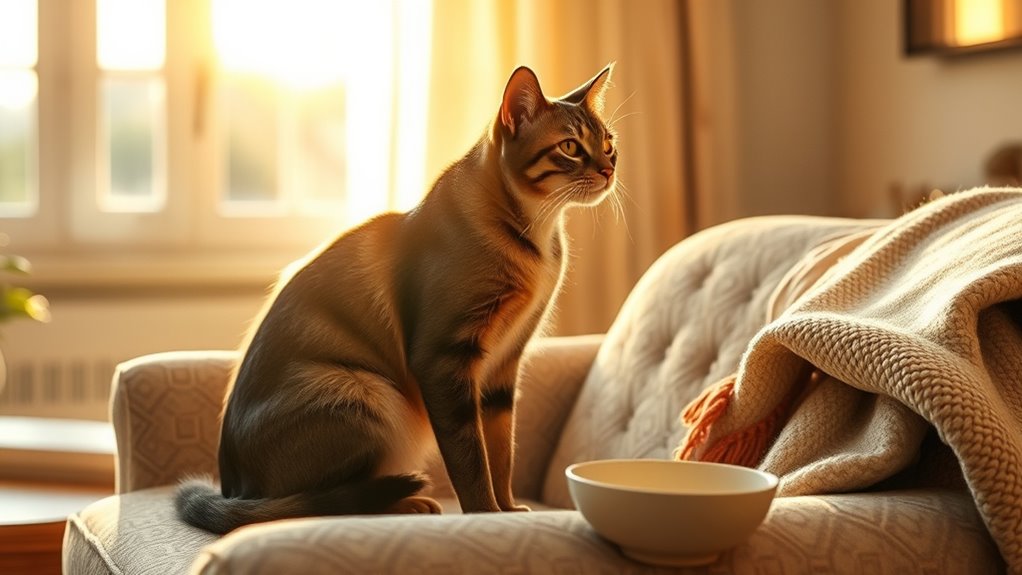
Cats are often considered the perfect pets for many homes because they require less maintenance than other animals. Their playful personalities keep things lively, whether they’re chasing a toy or exploring new spaces.
You’ll enjoy their independence, as they often entertain themselves and don’t demand constant attention. Regarding grooming habits, cats are generally low-maintenance; they groom themselves regularly, keeping their coats clean and free of dirt.
Enjoy their independence and low-maintenance grooming—perfect for busy households seeking affectionate, self-sufficient companions.
This natural grooming reduces the need for frequent baths or brushing, especially if you choose a breed with a short coat. Plus, cats are great for small living spaces because they don’t need outdoor exercise like some animals do.
Their self-sufficient nature and playful spirits make them ideal companions for busy households or those looking for a low-maintenance pet that still offers plenty of affection and entertainment.
Are Cats Easy to Care for? A Simple Guide
While caring for a cat is generally straightforward, it helps to understand their basic needs to keep them happy and healthy. Cats have simple grooming habits; most will clean themselves regularly, but occasional brushing helps reduce hairballs and keeps their coat shiny.
Their feeding preferences vary; some like dry kibble, while others prefer wet food or a mix of both. Providing a balanced diet tailored to their age and health ensures they stay energized.
Cats are usually low-maintenance when it comes to daily care, but they do need fresh water and regular litter box cleaning. Their grooming habits make bathing rarely necessary, but attentive grooming prevents matting and skin issues if needed.
Why Cats Are Independent Yet Affectionate Companions
Despite their low-maintenance nature, cats have a unique mix of independence and affection that often surprises new pet owners. They’re self-sufficient but still capable of forming deep bonds.
Cats are self-sufficient yet capable of forming deep, meaningful bonds that often surprise new owners.
You’ll notice their playful personalities, which make them entertaining without needing constant attention. They enjoy quiet moments, often sitting nearby or curling up on your lap when they seek comfort.
Their independence means you don’t have to worry about constant interaction, but their affection is genuine when they choose to show it. Here’s what makes them special:
- They balance playful personalities with calm, quiet moments.
- They’re independent but still crave affection and companionship.
- They choose when to engage, making their love feel more meaningful.
This combination makes cats perfect for those looking for a pet that’s both self-reliant and loving, providing comfort without overwhelming your routine.
Benefits of Owning a Low-Maintenance Cat
Owning a low-maintenance cat can really make your life easier while still giving you the companionship you want. These cats usually don’t need much grooming, so you won’t spend lots of time brushing or bathing them.
They naturally keep themselves clean, which saves you time and effort. Plus, they tend to pick up litter training quickly and learn to use the box without needing constant supervision.
This makes your daily routine simple and stress-free. Their independent nature means they’re happy spending time alone, so you don’t have to constantly entertain them.
How Cats Adjust to Apartments, Small Homes, and Larger Spaces
Cats are pretty good at adjusting to different living spaces, but how you set things up really matters. In smaller homes, it’s helpful to give your cat vertical spaces like shelves or a cat tree so they can stretch out and feel secure. They love having a little territory to explore and perch on.
On the other hand, if you have a bigger place, your cat has more room to roam and investigate, which can keep them busy and happy. No matter the size of your home, providing enrichment activities—like toys, scratching posts, or puzzle feeders—can help keep your feline friend active and content. It’s all about creating a space that makes your cat feel safe and entertained.
Adapting to Limited Space
Living in a smaller space can be a smooth change for cats when you create an environment that meets their natural instincts. To help them adapt, focus on effective space management and understanding cat behavior.
Here are three tips:
- Provide cozy hiding spots where your cat can retreat, satisfying their need for privacy.
- Use vertical furniture like shelves or cat trees to maximize your space without cluttering the floor.
- Rotate toys and scratching posts to keep your cat stimulated and prevent boredom.
This approach allows your cat to feel secure and engaged, no matter the size of your home. By managing space thoughtfully, you support their natural behaviors and create a peaceful environment for both of you.
Utilizing Vertical Areas
To make the most of your space, utilizing vertical areas is essential, especially in apartments, small homes, or larger residences. Vertical spaces provide climbing opportunities that satisfy your cat’s natural instincts and help you use your space better.
Installing cat trees offers a dedicated vertical enrichment area, giving your cat safe heights to investigate and rest. Wall shelves create extra play zones and vantage points, encouraging activity and mental stimulation.
These vertical elements help reduce clutter on the ground while giving your cat safe heights to observe their surroundings. By adding climbing structures and wall-mounted shelves, you create a dynamic environment that promotes exercise and mental engagement.
Vertical enrichment benefits your cat’s well-being and makes your living space feel larger and more functional.
Creating Enrichment Opportunities
Adapting your home to provide engaging enrichment opportunities is key to keeping your cat happy and healthy, no matter the size of your space. Consider these strategies to do it effectively:
- Use enrichment toys and interactive play to stimulate your cat’s mind and body. This encourages environmental exploration and keeps them active.
- Incorporate puzzle feeders and creative hiding spots to challenge their problem-solving skills. These help satisfy their natural hunting instincts and provide mental stimulation.
- Create multi-sensory experiences and establish engaging routines that promote sensory stimulation. This helps prevent boredom and keeps your cat mentally engaged.
These approaches help your cat adapt easily to apartments, small homes, or larger spaces, ensuring they stay active, content, and stimulated in their environment.
How Cats Provide Social and Emotional Support
Cats are great at giving us comfort just by being there with us. When you’re going through a tough time, having a cat around can make you feel less lonely. Their presence is like a little reminder that you’re not alone.
Plus, spending time with your cat can really help lower your stress and anxiety levels. After a busy or hectic day, petting your cat can be incredibly calming and help you unwind. Sometimes, just a few minutes of cuddling can boost your mood and make your worries feel a little lighter.
Comfort Through Companionship
Many people find that a feline companion offers more than just playful moments and cozy naps. Cats also provide essential social and emotional support. Their presence can create a sense of comfort and stability in your life.
Through purring therapy, you experience calming vibrations that reduce stress and promote relaxation. Feline friendship offers companionship during lonely moments, making you feel less isolated.
To deepen this bond, spend quality time with your cat daily to foster trust. Observe your cat’s cues to better understand their emotional needs. Engage in gentle petting to strengthen your connection and improve mutual comfort.
These simple actions help your cat become a true source of emotional support, offering comfort through companionship and making your life more fulfilling.
Stress Relief Benefits
The comforting presence of a feline friend can do more than just provide companionship; it also plays a big role in relieving stress. Cats offer purring therapy, which has been shown to reduce anxiety and lower blood pressure.
Their gentle purring creates a calming environment that helps you relax. Engaging in feline mindfulness—being present with your cat during quiet moments—can help you focus and ease racing thoughts.
Just petting your cat or watching it sleep can shift your mind away from stressors. This consistent, soothing interaction provides emotional support, making you feel more centered and less overwhelmed.
Ultimately, cats serve as natural stress relievers, blending physical comfort with emotional grounding to help you navigate life’s challenges more peacefully.
Are Cats a Cost-Effective Pet Compared to Dogs?
While owning a pet can be rewarding, cats often turn out to be more budget-friendly than dogs for many households. When you compare costs, cats usually need less in food, supplies, and vet care, leading to long-term savings.
Cats are a more budget-friendly pet choice, saving you money on food, supplies, and vet care.
Here are three reasons why:
- Lower Food Expenses: Cats eat smaller portions, so their monthly food costs are generally lower than those for dogs.
- Reduced Veterinary Costs: Cats tend to have fewer health problems that require expensive treatments or frequent visits.
- Minimal Supplies: Cats need fewer accessories like leashes or large kennels, saving you money over time.
How Owning a Cat Can Improve Your Health
Owning a cat can significantly boost your mental and physical health by offering companionship and helping to reduce stress. The health perks of having a feline buddy include lowering blood pressure and heart rate, thanks to their calming purring and gentle presence.
Spending time with your cat releases endorphins, which lift your mood and support emotional well-being. Cats also help fight loneliness by giving you a sense of purpose and comfort, especially during tough times.
Their playful nature encourages you to stay active, whether through interactive play or daily routines. Taking care of a cat gives you structure and responsibility, which can positively impact your mental health.
The emotional support cats provide can reduce anxiety and feelings of isolation, helping you feel more connected and relaxed. Overall, owning a cat isn’t just about having a pet; it’s about enriching your life with their natural ability to promote health and emotional wellness.
Are Cats Suitable for Busy Schedules or Small Living Spaces?
Cats are actually pretty good if you’ve got a busy schedule. They don’t need a lot of fuss—just some basic care—and they’re pretty good at entertaining themselves for hours. So, even if you’re out most of the day, they’re usually okay on their own.
And if you live in a smaller space, cats are a great fit. They don’t need a huge house to be happy; their activities don’t take up much room. Plus, their independent nature means they’re happy to relax and hang out without needing constant attention, which makes them perfect companions if your lifestyle is pretty hectic.
Low Maintenance Needs
Cats are known for their independent nature, making them ideal for people with busy schedules or limited living space. They require less attention than many pets and fit easily into a hectic lifestyle.
Their litter training tips are straightforward: keep the box clean, place it in a quiet spot, and scoop daily. Grooming needs are minimal since most cats groom themselves, needing only occasional brushing to reduce hairballs and shedding.
Here are three reasons why cats suit low-maintenance needs:
- They thrive on short play sessions and self-entertainment.
- They don’t need daily walks like dogs.
- Their grooming needs are minimal, saving you time and effort.
Space-Efficient Activities
Even in small living spaces or busy schedules, cats can fit comfortably into your life because they require minimal space for activities and can entertain themselves quietly. During playtime, you don’t need large areas—small, designated spots work perfectly for space games that stimulate their minds and bodies.
Simple toys or even moving objects can become fun distractions, keeping your cat active without needing extra room. Cats are naturally adaptable, so they’ll find ways to entertain themselves in tight spaces.
Whether it’s chasing a laser pointer or pouncing on a crumpled paper, their activities require little space but give plenty of mental and physical exercise. This makes cats a great choice for those with limited room or busy schedules.
Independent Companions
Because they are naturally independent, cats can thrive in busy households or small living spaces where constant attention isn’t always possible. Their quiet presence makes them perfect for apartment living or hectic schedules. Cats have playful personalities that keep them entertained without needing much supervision. They’re content to relax alone, providing companionship without demanding your full attention.
Here are three reasons cats fit well into busy lives:
- They enjoy short play sessions that fit into tight schedules.
- Their independence means they don’t need constant companionship.
- Their calm demeanor helps create a peaceful environment even during busy days.
If you want a pet that adapts easily to a hectic routine, cats are an ideal choice.
What Traits Make Cats Ideal for First-Time Pet Owners
For first-time pet owners, choosing a cat with the right traits can make the transition into pet ownership much easier. Cats that are playful are great because they entertain themselves and you, making them less demanding.
Good grooming habits are also important. Cats that groom themselves often require less upkeep and help keep your home tidy. These traits make cats easier to care for and more adaptable to your lifestyle.
| Trait | Benefit | Example |
|---|---|---|
| Playful behavior | Keeps your cat active and engaged | Enjoying interactive toys |
| Low grooming need | Less maintenance for you | Self-cleaning habits |
| Calm temperament | Reduces stress for first-timers | Relaxed around new environments |
These traits create a balanced, manageable pet experience, perfect for someone new to caring for cats.
Frequently Asked Questions
What Are the Common Health Issues in Cats to Watch For?
You should watch for common ailments like urinary issues, dental problems, and obesity in cats. Regular preventive care, such as vet check-ups, vaccinations, and dental cleanings, helps catch health issues early.
Keep an eye on changes in behavior, appetite, or litter box habits, as they can signal underlying problems. Staying proactive with preventive care ensures your feline friend stays healthy and happy for years to come.
How Do Cats Communicate Their Needs and Emotions?
You can tell what a cat needs or feels through its body language and vocalizations. When a cat purrs, it’s usually feeling happy and relaxed. But if it hisses or arches its back, it’s warning you or feeling threatened.
Tail flicks, ear positions, and eye contact give you clues about their mood. Vocalizations like meows and chirps help communicate hunger, playfulness, or that they want your attention.
Understanding these signals makes it easier to know what your cat is trying to tell you.
What Should I Know About Feeding and Nutrition for Cats?
You should know that providing the right cat food guarantees your feline gets proper nutrition. Follow a consistent feeding schedule and focus on a nutritional balance suited to their dietary needs.
Practice portion control to prevent overfeeding, and include treat options occasionally for enrichment. Always choose high-quality cat food, and adjust servings based on age, weight, and activity level to keep your cat healthy and happy.
How Can I Train My Cat to Use a Litter Box?
You can train your cat to use a litter box by showing patience and consistency.
Place the box in a quiet, accessible spot and keep it clean. These simple steps help your cat feel comfortable using it.
Avoid moving the box around too much or using the wrong type of litter. These mistakes can confuse your cat.
Praise your cat when they use the litter box correctly, and don’t punish accidents. Positive reinforcement works best.
With time and patience, your cat will learn to use the litter box reliably.
What Safety Precautions Are Necessary for Indoor Cats?
You should prioritize creating safe spaces, providing indoor enrichment, and safeguarding hazards. Keep dangerous items, toxic plants, and small objects out of reach, and make sure windows have secure screens.
Offer stimulating toys and scratching posts to keep your cat entertained. Regularly check for potential dangers like cords or sharp objects, and provide cozy hiding spots.
These precautions help keep your indoor cat safe, happy, and healthy.
Conclusion
Just like the timeless allure of the Sphinx, cats embody mystery and independence, making them perfect companions for modern life. Their gentle purrs and graceful presence offer comfort in a chaotic world.
Choosing a cat means embracing both their unique quirks and their ability to adapt—much like a silent guardian watching over your daily routine. Their calm demeanor can help bring peace to busy lives.
In the end, a feline friend becomes a quiet, steadfast partner in your personal journey. That’s why cats are such suitable pets—they truly enrich our lives with their gentle, independent spirit.