What Happens When Cats Eat Fresh Pet Dog Food?
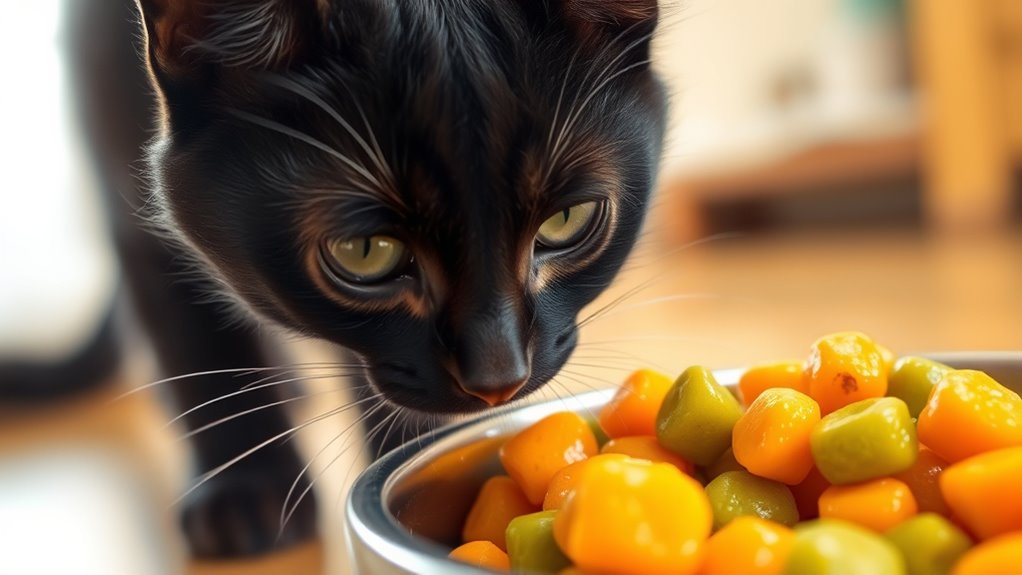
Many pet owners worry about their cats sneaking into the dog food bowl. You’re not alone—it’s a common issue that can cause real health concerns for your feline friends.
What Happens When Cats Eat Fresh Pet Dog Food?
If your cat eats fresh dog food, they risk nutritional deficiencies because dog food isn’t designed for feline needs. Long-term, this can lead to problems like heart disease, vision loss, and gastrointestinal issues.
Even occasional ingestion might cause digestive upset or food sensitivities. It’s important to monitor your cat’s health and avoid letting them access dog food regularly.
For more helpful tips on keeping your cat safe, keep exploring this topic.
Key Takeaways
- Cats may experience nutritional deficiencies, such as taurine and vitamin A shortages, which can lead to vision and heart problems.
- Regular consumption can cause digestive upset, including vomiting, diarrhea, or constipation.
- Dog food’s high carbohydrate content might cause gastrointestinal discomfort in cats.
- Feeding dog food long-term increases the risk of feline-specific health issues due to imbalanced nutrients.
- Occasional ingestion is usually harmless, but it’s best to avoid consistent intake without veterinary guidance.
Can Cats Eat Fresh Pet Dog Food? What You Need to Know
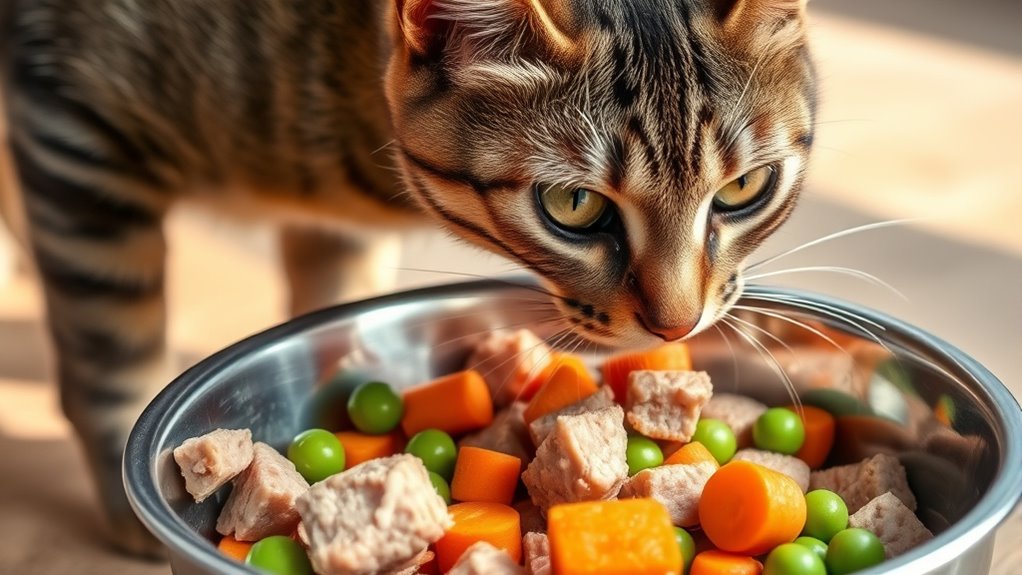
Wondering if cats can eat fresh pet dog food? While it might seem convenient, you should know that cats have different dietary needs than dogs. Their food preferences are unique, and they require specific nutrients that dog food doesn’t always provide.
For example, cats need higher levels of protein and taurine, which are often missing in dog food formulas. Feeding your cat dog food regularly can lead to nutritional gaps, potentially causing health issues over time.
If your cat occasionally eats dog food, it’s usually not a problem, but it shouldn’t become a regular thing. To keep your feline healthy, consider adding dietary supplements designed for cats if they’re eating a diet that isn’t perfectly balanced.
Always check with your veterinarian before making big changes to your cat’s diet or adding supplements. Remember, understanding your cat’s specific preferences and nutritional needs is key to supporting their overall health and well-being.
How Are Cat and Dog Nutrition Different?
Cats and dogs have different nutritional needs, and it’s important to understand what each pet requires to stay healthy. For example, cats need more protein overall compared to dogs, and their diets should reflect that. Dogs, on the other hand, can handle a more varied diet with different levels of fat and carbohydrates.
Knowing these differences helps you choose the right food for each of your pets. It’s all about making sure they get the right balance of nutrients to keep them happy and healthy.
Nutritional Needs Differ Significantly
Although cats and dogs are both common household pets, their nutritional needs are vastly different and cannot be met with a one-size-fits-all diet.
Cats have specific dietary preferences that require higher levels of certain nutrients like taurine and vitamin A, which are essential for their health.
Dogs, on the other hand, can thrive on a more varied diet but don’t need as much of these nutrients.
When comparing fresh food options, it’s clear that what works well for dogs might not meet a cat’s unique needs.
Feeding a dog-specific diet to a cat can lead to deficiencies and health issues.
Understanding these differences helps you make better choices, ensuring each pet gets the proper balance of nutrients tailored to their dietary preferences.
Protein and Fat Ratios Vary
While both cats and dogs need protein and fat in their diets, the ratios they require are quite different. Cats need a higher proportion of protein sources and fats to support their active metabolism and muscle health.
Their bodies are designed to get most nutrients from animal-based proteins like meat and fish. Dogs, however, can handle more balanced or varied ratios, including plant-based proteins.
Their fat needs are also lower compared to cats since they don’t rely on fat for energy as much. Feeding a dog food with the wrong protein and fat ratios can cause nutritional deficiencies or health problems in cats.
Knowing these differences helps you make sure your pets get the right balance for their unique dietary needs.
Is It Safe if My Cat Occasionally Eats Dog Food?
If your cat occasionally nicks some dog food, don’t worry too much—it’s probably not going to cause serious harm. But keep in mind, there are some key nutritional differences between cats and dogs, so it’s not ideal for your kitty to make a habit of it.
You might notice some tummy trouble, like vomiting or diarrhea, especially if your cat keeps eating the dog food regularly. So, while a one-time taste isn’t usually dangerous, it’s best to keep their diets separate to avoid any health concerns down the line.
Nutritional Differences Matter
Nutritional differences between cat and dog food are significant enough that occasional consumption of dog food by your cat can pose health risks. Cats need a specific nutritional balance, especially higher levels of taurine, arachidonic acid, and certain vitamins.
Dog food doesn’t contain these essential nutrients, which are crucial for your cat’s health. Eating dog food regularly or even once in a while can lead to deficiencies or imbalances.
Keep in mind that dog food isn’t formulated for a cat’s unique dietary needs. Missing these vital nutrients can cause health issues over time, affecting your cat’s overall well-being.
Understanding these differences helps explain why feeding your cat dog food—even occasionally—can be problematic. Prioritizing a diet tailored to your cat’s nutritional needs keeps her healthy and happy.
Potential Digestive Upset
Eating dog food occasionally might seem harmless, but it can still cause digestive upset in your cat. Dogs and cats have different dietary needs, and their digestive systems aren’t similarly tolerant of each other’s food.
When your cat eats dog food, it may lead to digestive disturbances like vomiting, diarrhea, or stomach discomfort. Cats have a more sensitive tolerance to certain ingredients, especially those high in carbs or fillers common in dog food.
Even a one-time ingestion can upset their stomach, as their bodies aren’t designed to process the nutritional profile of dog food efficiently. While some cats might handle it better than others, it’s best to avoid letting your feline consume dog food regularly to prevent unnecessary digestive issues.
Occasional Consumption Risks
While occasional consumption of dog food by your cat might seem minor, it doesn’t mean it’s entirely safe. Limited exposure usually doesn’t cause immediate harm, but repeated or frequent accidental ingestion can cause problems. Keep in mind, even occasional exposure can contribute to long-term effects, especially if your cat regularly eats dog food.
Be aware of potential risks like nutritional imbalances that can affect your cat’s health. It can also increase the risk of obesity or digestive issues. Plus, some ingredients in dog food might be toxic or not suited for cats.
While a bite here or there probably won’t cause serious harm, relying on dog food as part of your cat’s regular diet can be problematic. Always keep an eye on your pet’s eating habits and talk to your vet if you notice your cat is eating it often.
Signs Your Cat Has Eaten Dog Food
Have you noticed any unusual behavior or symptoms in your cat after they might have snacked on dog food? Changes like increased restlessness, hiding, or less activity could be signs they’ve eaten dog food.
You might also see shifts in their food preferences, like suddenly disliking their usual treats or showing a new interest in dog food. Some cats become more lethargic or experience digestive issues such as vomiting or diarrhea.
Keep an eye out for excessive grooming or scratching, as these can indicate irritation or discomfort. While these signs aren’t always serious, they show your cat’s body is reacting to ingredients in dog food that aren’t suitable for them.
Monitoring your cat closely after a suspected ingestion helps catch early issues before they get worse. This way, you can respond quickly if needed and ensure your cat stays safe.
Health Risks of Feeding Dogs’ Food to Cats Long-Term
Consistently feeding your cat dog food can lead to serious health risks over time because their nutritional needs are quite different. Long-term effects include nutritional deficiencies and health issues caused by dietary imbalances.
Dog food often lacks essential nutrients that cats need, like taurine, arachidonic acid, and certain vitamins. Without these, your cat might develop severe problems like heart disease, vision loss, or immune system issues.
Be aware of these potential risks:
- Nutritional deficiencies that can damage organs
- Higher chances of developing feline-specific health problems
- Imbalanced diets that put extra strain on your cat’s health
Eating dog food for a long time can harm your cat’s well-being and lead to costly vet bills later. It’s really important to give your cat a diet made just for them so they get all the nutrients they need.
Ignoring these dietary needs puts your feline’s health at unnecessary risk over time.
What Nutrients Do Cats Miss in Dog Food?
Did you know that cats need certain nutrients that are often missing from dog food? Unlike dogs, cats require higher levels of specific nutrients vital for their health.
One big concern is vitamin deficiencies, especially vitamin A and taurine. Without enough taurine, cats can develop heart problems, vision loss, and reproductive issues. Dog food usually doesn’t have enough taurine and other essential nutrients, so it can put your feline friend at risk.
| Nutrients Cats Miss | Consequences of Deficiency | Importance for Cats |
|---|---|---|
| Taurine | Heart disease, blindness | Crucial for heart and eye health |
| Vitamin A | Vision loss, immune issues | Important for eyesight and immunity |
| Arachidonic Acid | Skin problems, inflammation | Key for cell function and reducing inflammation |
| Vitamin D | Bone weakness, metabolic problems | Necessary for calcium absorption and strong bones |
Neglecting these needs can cause serious health problems. That’s why feeding dog food long-term isn’t safe for cats.
Are There Excess Nutrients in Dog Food That Could Harm Cats?
Many dog foods contain nutrients that are safe in small amounts for dogs but can be harmful to cats if eaten regularly. Eating too much of certain nutrients can upset a cat’s nutrient balance and cause health problems.
For example, excess vitamins or minerals can lead to toxicity. Keep an eye out for these specific nutrients:
- Vitamin D: Too much can cause toxicity, leading to calcium imbalance and kidney damage.
- Calcium: Excess calcium may affect a cat’s bone health and metabolism.
- Iron: Too much iron can cause gastrointestinal upset, liver damage, or anemia.
Feeding your cat dog food with high nutrient levels regularly can do more harm than good. While some nutrients are helpful in small doses, too much can stress your cat’s body and lead to serious health issues.
Always choose a diet made specifically for cats to keep them healthy and safe.
Can Eating Dog Food Cause Digestive Issues in Cats?
Dog food often has higher carbohydrate levels and different protein sources, which can cause digestive discomfort in cats. You might notice symptoms like vomiting, diarrhea, or constipation after your cat ingests dog food.
Some cats may develop food allergies or sensitivities to certain ingredients in dog food, leading to inflammation and more digestive problems.
Since cats are obligate carnivores, their digestive systems are optimized for meat, not the grains or fillers common in dog food.
Feeding your cat dog food regularly can upset their gastrointestinal balance, resulting in persistent discomfort.
To keep your cat healthy and comfortable, it’s best to stick to foods formulated specifically for their nutritional needs and avoid accidental consumption of dog food.
What Should I Do if My Cat Eats Dog Food?
If your cat has eaten dog food, stay calm and quickly assess the situation. Keep an eye on your cat for any signs of discomfort like vomiting, diarrhea, or lethargy.
While small amounts of dog food might not cause serious problems, eating it often can impact your cat’s health and eating habits. So, it’s best to act promptly.
First, remove any remaining dog food so your cat can’t access it anymore. Then, watch your cat closely for changes in behavior or new symptoms.
If your cat seems distressed or you’re worried about their health, don’t hesitate to contact your vet.
Tips to Prevent Your Cat From Accessing Your Dog’s Food
To keep your cat from accessing your dog’s food, start by placing the dog’s bowl somewhere your cat can’t reach, like on a high countertop or inside a closed room. Proper food placement is key; avoid leaving the bowl in open areas where your cat can easily jump or squeeze in.
Place your dog’s food on high surfaces or inside closed rooms to keep your cat away.
Set a consistent feeding schedule for your dog, feeding them at specific times and removing any leftover food promptly. This helps prevent your cat from sneaking in during feeding times. You can also try using feeding stations or barriers that restrict access.
Training your cat to stay away from the dog’s food area with gentle commands can be helpful too. Remember, keeping a routine makes your dog feel secure and stops your cat from developing a habit of stealing or eating dog food.
Strategic food placement and scheduling are essential for keeping both pets happy and well-fed. With some patience and planning, you can prevent your cat from accessing your dog’s food easily.
Frequently Asked Questions
Can Eating Dog Food Cause Allergic Reactions in Cats?
Yes, eating dog food can cause allergic reactions in cats, especially if they already have food sensitivities or allergies.
Dog food often has ingredients that aren’t suitable for cats, which might lead to symptoms like itching, swelling, or digestive upset.
If your cat shows signs of food sensitivity after eating dog food, it’s best to talk to your vet.
This will help prevent more allergic reactions and make sure your cat gets the right nutrition for their species.
How Often Can Cats Safely Eat Dog Food Without Health Issues?
You shouldn’t feed your cat dog food regularly, as it’s not nutritionally balanced for their dietary needs. Cats need specific nutrients like taurine, which dog food doesn’t have.
Even giving your cat a little dog food now and then can cause health problems. Long-term feeding might lead to deficiencies or imbalances that are hard to fix.
To keep your cat healthy, stick to food made for cats. Only give dog food as a rare treat if you want to share something special.
Does Dog Food Contain Any Ingredients Harmful to Cats?
Dog food may contain ingredients harmful to cats, like certain preservatives or fillers, which can lead to nutritional deficiencies if fed long-term.
An ingredient analysis shows it often lacks essential nutrients cats need, such as taurine and arachidonic acid. If your cat eats dog food occasionally, it’s usually okay, but relying on it regularly can cause health issues.
Always check labels and consult your vet for proper feline nutrition.
Are There Specific Brands of Dog Food Safer for Cats to Eat?
Some brands of dog food are safer for cats because they focus on ingredient safety and consider feline nutrition. When choosing pet food, compare brands carefully, looking for those with high-quality ingredients and proper nutrient levels for cats.
Always read labels because some dog foods lack essential nutrients cats need. Doing a thorough brand comparison helps ensure your cat gets a safe, nutritious option, reducing health risks.
How Does Long-Term Consumption of Dog Food Affect a Cat’s Lifespan?
Long-term consumption of dog food can harm your cat’s lifespan by causing nutritional deficiencies because it lacks essential nutrients cats need, like taurine.
You might notice digestive issues such as vomiting or diarrhea, which can weaken their overall health.
Over time, these problems could reduce their lifespan and quality of life.
To keep your cat healthy, always feed them food formulated specifically for their dietary needs.
Conclusion
Imagine your cat’s health as a delicate garden. It flourishes when given the right nutrients and risks weeds when fed the wrong ones.
Just like you wouldn’t water a cactus with too much rain, don’t let your cat indulge in dog food regularly. Even a one-time nibble can upset their balance.
Keep an eye out and act quickly if needed. Ensuring your feline friend stays safe depends on providing the right nutritional care.
Remember, feeding your cat fresh pet dog food can lead to health issues, so always prioritize their specific dietary needs.