Why Does My Cat Pet Me Back?
Many cat owners wonder why their feline friends sometimes pet them back. You’re not alone—understanding these behaviors can feel confusing or even surprising. If you’re curious about what your cat’s actions really mean, you’re in the right place.
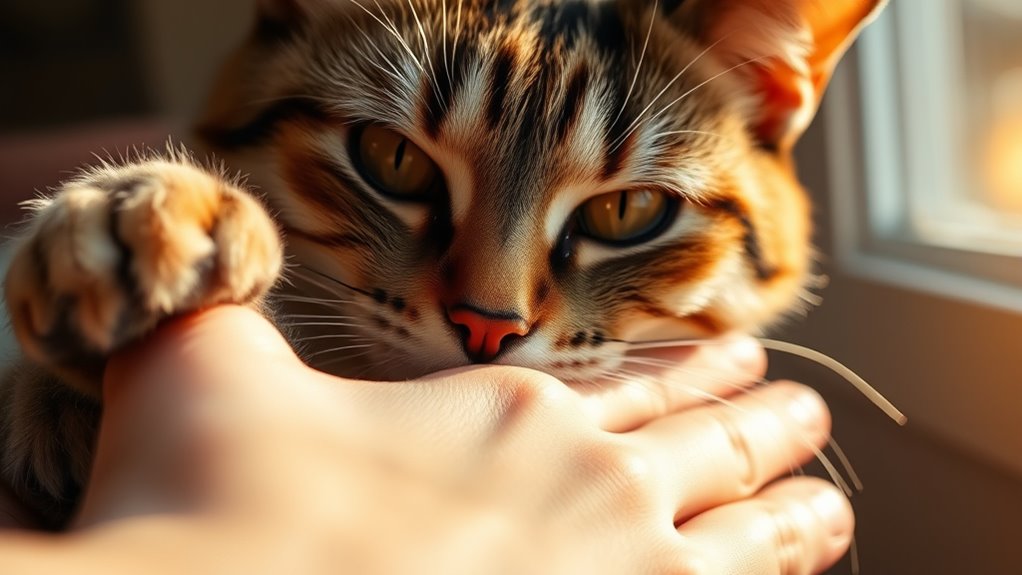
When your cat pets you back, it’s a sign of mutual trust, affection, and a strong bond. Cats show their love through gentle touches, head bumps, and even pawing you, which indicates they feel safe and comfortable around you.
This reciprocal behavior isn’t just cute — it’s a social gesture rooted in their natural instincts.
If you want to understand more about your cat’s signals and strengthen your connection, keep exploring these feline behaviors.
Key Takeaways
- Your cat trusts and feels comfortable with you, showing affection through petting as a sign of bonding.
- When your cat pets you back, it means it enjoys your company and sees you as part of its social circle.
- Petting back is a way for cats to show they’re happy and content during your interaction.
- Gentle, consistent contact helps build trust and encourages your cat to express affection by returning the gesture.
- Your cat’s personality and positive social experiences also play a role in whether it wants to reciprocate petting.
What Does It Mean When My Cat Pet Me Back?
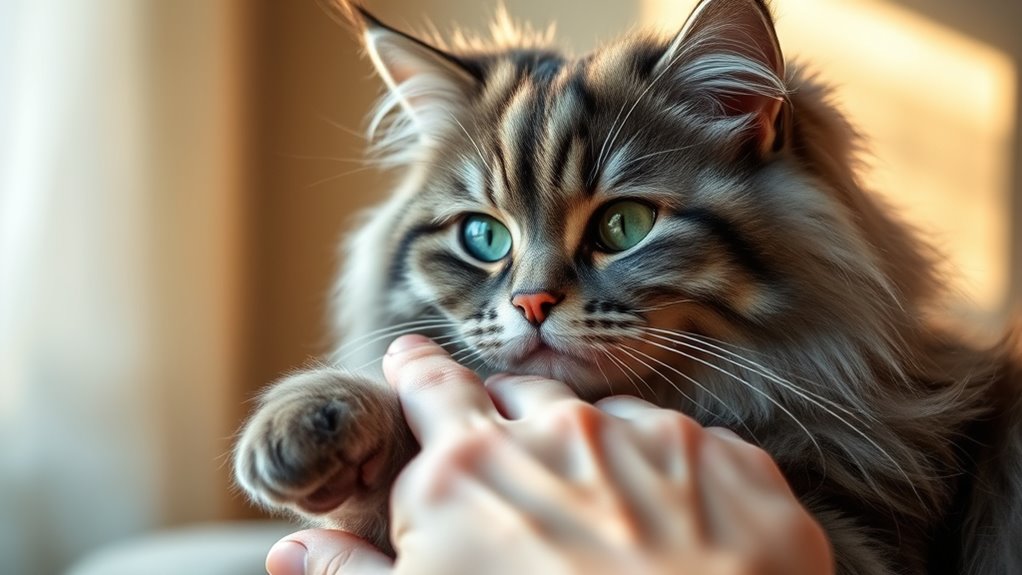
When your cat starts to pet you back, it’s a clear sign that she feels comfortable and trusts you. This reciprocal behavior shows she’s engaging in feline communication beyond simple grooming.
Cats often communicate through touch, and when she initiates petting, it’s her way of expressing affection and reassurance. This mutual gesture helps strengthen your bond and shows she feels safe around you.
It’s not just kindness — it’s her way of sharing trust and familiarity, recognizing you as part of her social group. By reciprocating her gentle touches, you’re participating in a form of feline communication that deepens your connection.
How Do Cats Show Affection Through Petting?
Cats show affection through petting by choosing specific areas to touch and engaging in gentle, deliberate strokes that communicate trust and comfort. When you pet your cat, look for signs like purring behavior, which signals contentment.
Your cat’s grooming preferences might include rubbing against you or head bumps, indicating closeness. Tail language also reveals affection—if your cat’s tail is upright or gently flicks, they’re happy.
A raised or flicking tail shows your cat is happy and feeling affectionate.
Kneading habits, where your cat pushes with their paws, show love and relaxation. Playful interactions, like pawing or gentle nibbles, often go hand in hand with affectionate petting.
Vocal cues such as soft meows or purring reinforce their comfort. Finally, proximity seeking—your cat staying close or curling up on your lap—demonstrates trust and affection.
These behaviors together paint a clear picture of a cat that feels safe and loves to share physical closeness through petting.
Why Do Cats Return the Favor? Social and Evolutionary Insights
Cats return the favor of petting because it helps build and strengthen their social bonds with you. It’s kind of like a mutual handshake or a friendly hug—an way for them to show trust and appreciation. These behaviors aren’t just cute; they’re actually part of how cats communicate and connect with others.
From an evolutionary perspective, these interactions have been important for their survival. Social bonds helped cats work together, whether for hunting or keeping safe. So, when your cat nuzzles back or purrs during petting, it’s their way of saying, “I trust you,” and “I enjoy this connection.” Understanding this can help you see why your cat values your interaction more than just a simple gesture—it’s a vital part of their social world.
Mutual Grooming Bonds
Mutual grooming, or allogrooming, is a common behavior that helps strengthen bonds between cats. It serves both social and evolutionary purposes.
When your cat grooms you or other cats in return, it’s part of their grooming rituals that build feline friendships. This behavior helps establish trust and shows acceptance within their social group.
It promotes social cohesion among cats and helps reduce tension and stress.
Mutual grooming also signals trust and acceptance, showing that they feel safe with each other.
Social Bonding Strategies
When your feline friend purrs and rubs against you, they’re doing more than just being friendly — it’s a social strategy rooted in their evolutionary past. These interactions help reinforce bonds and show trust.
Your cat’s grooming and affection displays are ways they build emotional connections. Playfulness usually signals comfort and familiarity, which encourages trust.
These actions also serve as territory marking, showing that you’re part of their social group. Through these signals, your cat shows they feel safe and secure with you.
Returning petting and mutual grooming are intentional bonding acts. They strengthen your relationship and reaffirm that your cat trusts you as a safe, familiar presence.
Evolutionary Communication Traits
Because their behaviors are deeply rooted in evolution, returning a cat’s affectionate gestures is a way of communicating trust and social bonding that’s been advantageous for their survival. This behavior reflects their evolutionary adaptations and instinctual behaviors, which promote cooperation within groups.
When your cat pets you back, it’s a sign they recognize you as part of their social circle. These behaviors help reinforce alliances, reduce stress, and guarantee mutual protection.
- Strengthens social bonds through mutual grooming
- Signals trust and safety within their social group
- Reinforces evolutionary adaptations for cooperation
- Demonstrates instinctual behaviors that promote survival
How Does Trust Influence Your Cat’s Willingness to Pet You?
Trust acts as the foundation for your cat’s willingness to engage in petting and close contact. When you build trust, you influence the trust dynamics that shape your cat’s behavior around you.
Cats are sensitive to your actions and consistency, which directly impacts their comfort level. If your cat perceives you as reliable and gentle, they’re more likely to initiate petting and reciprocate affection.
Conversely, if trust is lacking, your cat may remain distant or hesitant to engage. Understanding feline behavior helps you recognize signs of trust, like relaxed posture or leaning into your touch.
Patience and positive interactions strengthen this bond, encouraging your cat to feel safe and secure. Ultimately, trust fuels your cat’s willingness to pet back because they see you as a safe source of comfort.
This makes mutual affection more natural and rewarding.
Does Your Cat Feel Safe and Comfortable When Petting Back?
When your cat is relaxed while you’re petting them, you’ll usually see them in a loose, comfortable posture. It’s like they’re just totally at ease. Purring is a big giveaway too — it’s their way of saying they’re happy and content.
You might also notice some subtle body language, like slow blinking or gentle flicks of their tail. Those little signs show they feel safe and comfortable with you. So, if you see these signs, it’s a good sign your cat really enjoys the interaction and feels secure.
Signs of Relaxed Posture
A relaxed posture during petting shows your cat feels safe and comfortable with you. You’ll see signs like slow, steady breathing, soft eyes, and a loose, open body. When they feel secure, they might lean into your touch or gently nuzzle you.
Their ears stay upright or slightly tilted, not flattened, which shows they’re content. You might also notice their tail gently swaying or resting loosely. Keep an eye out for these cues to know they’re at ease.
Relaxed breathing and slow blinking are good indicators. Soft, half-closed eyes or gentle blinking show they’re relaxed and happy. Their body stays loose and open, with no signs of tension.
A tail that sways gently or rests loosely suggests your cat feels comfortable. These signs confirm they enjoy the petting and help strengthen your bond.
Purring Indicates Contentment
Purring is one of the clearest signs your cat feels safe and comfortable when you pet them. When your cat purrs, it often follows specific patterns that signal contentment cues.
These gentle vibrations usually happen when they’re relaxed and enjoying your touch. Notice how your cat’s purring becomes softer and steadier during petting sessions—this shows they’re happy and trusting you.
Sometimes, cats purr while resting peacefully, which confirms they feel secure. But keep in mind, purring can also happen if a cat is in pain or anxious, so think about the situation.
Body Language Signals Comfort
If your cat feels comfortable when you pet them, their body language will clearly show that they’re at ease. They’ll display signals that they feel safe, like relaxed posture, slow blinking, purring, and gentle kneading.
When your cat’s body language is open and relaxed, it means they trust and enjoy your touch. Watch their tail—if it’s upright or softly flicking, they’re happy. Soft, half-closed eyes also show they’re content.
On the other hand, if they pull away or flatten their ears, they might be uncomfortable. Recognizing these signals helps you understand if your cat truly feels safe and relaxed when you pet them.
Trusting these comfort signals can strengthen your bond. It shows you respect their feelings and helps create a better relationship between you and your feline friend.
How Can You Tell If Your Cat Enjoys Being Petted? Subtle Signs to Watch For
Wondering whether your cat enjoys being petted? Watch for subtle signs that show they’re comfortable. Relaxed body language like slow blinking or gentle head nudges is a good start.
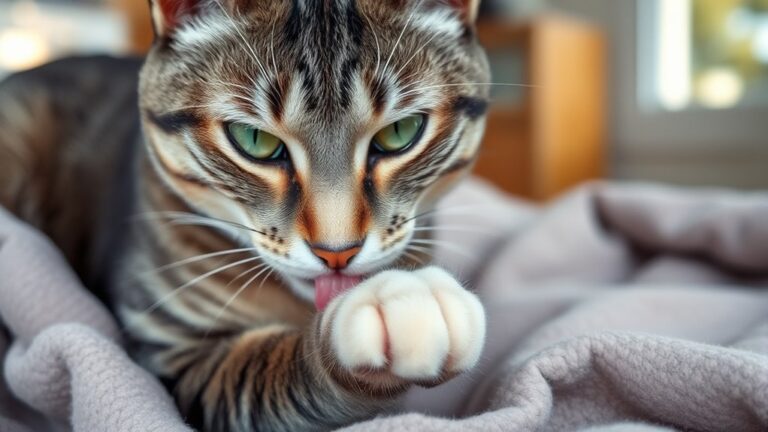
Purring patterns are a strong indicator. Steady, rhythmic purring usually means contentment, while irregular purring might mean they’re overstimulated. Grooming behaviors like licking or nibbling your hand also show they’re enjoying the interaction.
On the flip side, if your cat’s tail flicks rapidly or they try to move away, they might be uncomfortable. It’s important to pay attention to these signs to make petting a positive experience.
Here’s a quick guide:
| Sign | What It Means | When to Be Concerned |
|---|---|---|
| Steady purring | Contentment | No, if combined with other stress signs |
| Grooming behaviors | Enjoyment and bonding | Excessive or frantic grooming |
| Relaxed posture | Comfort and trust | Tense muscles or stiff stance |
| Slow blinking | Affection and relaxation | None |
| Tail flicking or avoiding | Possible overstimulation or discomfort | Yes, if persistent or paired with other signs |
Can All Cats Return the Favor? Understanding Individual Differences
Not all cats respond to affection the same way, and individual differences play a big role in how they reciprocate your gestures. Your cat’s behavior mainly depends on its unique personality, past experiences, and how comfortable it feels.
Some cats are naturally more affectionate and enjoy returning petting, while others are more reserved or cautious. To understand this better, consider these factors:
- Temperament: Some cats are naturally social and eager to bond, while others prefer minimal interaction.
- Past experiences: Cats that have been positively socialized tend to be more receptive to petting and returning affection.
- Stress levels: An anxious or stressed cat may be less likely to reciprocate, even if they enjoy your company.
- Individual preferences: Every cat has its own comfort zone and boundaries, which influence how they respond to affection.
Recognizing these differences helps you understand why not all cats will return the favor in the same way.
How to Encourage Your Cat to Pet You More Often
Understanding your cat’s individual preferences and personality can really help encourage more affectionate behavior. Try using positive reinforcement during playtime, making interactions fun and rewarding for your cat.
Use gentle petting techniques your cat enjoys, like softly stroking their head or back, and pay attention to how they react. If they respond positively, praise them with calm words or treats to reinforce the behavior.
Avoid overstimulating your cat or petting too roughly, as this might discourage them from reciprocating. Establish a consistent routine for petting so your cat learns to associate it with comfort and safety.
Keep an eye on your cat’s body language to see when they want affection and when they’d prefer to be left alone. Respecting their boundaries and creating positive experiences can make your cat more likely to pet you back more often.
What Mistakes Might Discourage Reciprocal Petting? Common Pitfalls
Many common mistakes can unintentionally discourage your cat from reciprocating affection. Misreading feline preferences or ignoring body language can lead to negative experiences. For example, using rough petting techniques or over petting can overwhelm your cat’s touch sensitivity, making them less likely to seek contact again.
Environmental factors like loud noises or busy surroundings may cause stress and reduce trust. Timing also matters—petting your cat when they aren’t receptive can feel intrusive, especially if they value personal space. Social cues like tail flicks or flattened ears signal discomfort; ignoring these signs can damage your bond.
Here are some pitfalls to avoid:
- Ignoring body language and social cues
- Over petting or rough petting techniques
- Disregarding your cat’s personal space needs
- Petting at inappropriate times and ignoring timing cues
Avoid these mistakes to foster positive interactions and encourage reciprocal petting.
What Does Your Cat’s Petting Behavior Say About Your Relationship?
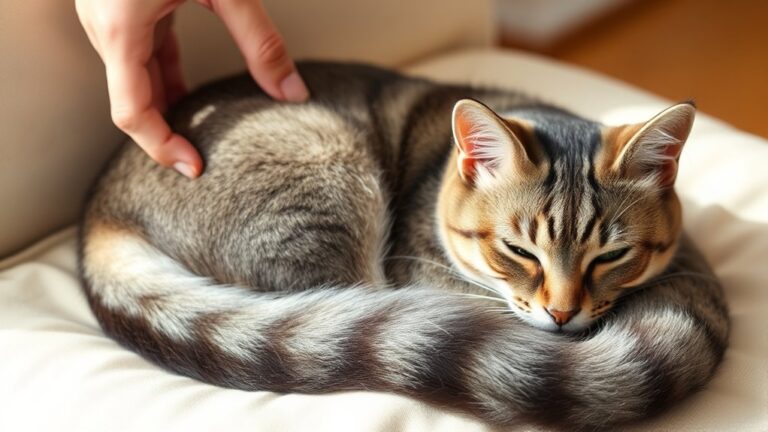
When your cat purrs and gently pets you, it’s like they’re giving you a little love note. It’s their way of showing affection and trust, and honestly, it says a lot about your relationship. When they do this, it means they’re comfortable and feel safe around you.
You know, their petting habits can actually tell you how strong your bond really is. So next time your kitty’s cuddling up and purring in your lap, just know it’s their special way of saying they’re happy to be with you.
Signs of Affection
Have you noticed your cat gently purring and kneading when they’re near you? These are clear signs of feline affection, showing your cat feels comfortable and safe with you. When your cat pet you back, it’s a reciprocal behavior that deepens your bond.
To recognize more signs of affection, look for head-butting or nuzzling, which indicate trust and love. Slow blinking is like a feline “kiss,” showing they’re relaxed and comfortable.
Sitting on or near you is another way your cat shows closeness. Gentle paw touches are subtle gestures that reveal their desire to connect and bond with you.
These behaviors aren’t just random acts—they’re meaningful signals of a loving relationship built on mutual comfort and trust.
Trust and Comfort
A cat’s petting behavior is a strong sign of trust and comfort in your relationship. When your cat starts to pet you, it shows they feel safe around you, indicating a high level of comfort.
This behavior develops over time as trust builds, meaning your cat sees you as someone non-threatening. If your cat purrs and even nudges you during petting, they’re feeling happy and secure.
When a cat is relaxed enough to groom you or pet you back, it’s a sign of a deep bond. These actions show your cat trusts you enough to let their guard down.
All of these behaviors reveal an emotional connection based on comfort and confidence. Trust and comfort are key for a healthy, loving relationship with your feline friend.
Bond Strength Indicator
Your cat’s willingness to pet you back is a clear sign of a strong bond between you. This behavior shows your cat feels comfortable and trusts you, often built through shared bonding routines and good feline communication.
When your cat purrs or nuzzles you back, it means they see you as a safe and valued friend.
Here are four ways this behavior shows a deep connection:
- Mutual grooming shows trust and social bonding.
- Petting back indicates your cat feels secure around you.
- Consistent petting suggests positive reinforcement of your relationship.
- It shows your cat recognizes you as a source of comfort and affection.
Basically, a cat that pets you back is confirming your place in their social and emotional world.
Frequently Asked Questions
Can Cats Pet Humans With Their Claws?
Cats generally don’t pet humans with their claws, since they’re aware of how sensitive their claws are and usually keep them retracted. When your cat gently touches you, it’s part of their way of communicating, showing affection or marking you with scent.
If your cat uses claws during interactions, they might be overstimulated or feeling threatened. Paying attention to their body language helps you understand how they’re feeling and keeps your interactions comfortable for both of you.
Do All Cats Enjoy Reciprocating Petting?
Not all cats enjoy reciprocating petting, but many do as part of their feline affection. Your cat’s body language and signals are key to understanding cat communication.
If your cat leans into your touch, purrs, or nuzzles, they probably like the interaction. But some cats prefer minimal contact, so it’s important to pay attention to their cues.
This helps ensure your petting creates positive feelings and avoids causing stress or discomfort. Every cat is different, so tuning in to their signals makes all the difference.
How Does a Cat’s Mood Affect Petting Behavior?
When your cat’s mood shifts, it directly influences its petting behavior. Imagine a warm, sunny afternoon—your cat may nuzzle and gently paw at you, showing feline affection.
But if it’s feeling anxious or cranky, it might retreat or nip. Cat communication varies with mood, so understanding these cues helps you figure out whether your cat wants more affection or prefers to be left alone.
Your cat’s feelings deeply guide its responses during petting.
Can a Cat’s Age Influence Its Tendency to Pet Back?
Yes, a cat’s age influences its tendency to pet back. Kittens are playful and affectionate, often enjoying gentle petting and reciprocating with head nudges.
As cats age, especially into their senior years, they may become more reserved and less likely to pet back. They usually prefer quiet companionship instead.
However, individual personalities vary. Some older cats still enjoy petting and show affection in their own calm, seasoned way.
Is Frequent Petting a Sign of a Healthy Cat-Human Bond?
Yes, frequent petting is a sign of a strong bonding behavior and a healthy emotional connection between you and your cat. When your cat seeks out your touch often, it shows they trust and feel safe with you.
This mutual interaction helps nurture your relationship, making your cat feel loved and secure. Consistent petting also reinforces your bond, showing that your cat genuinely enjoys your companionship and emotional closeness.
Conclusion
So, next time your cat gently returns your petting, remember it’s not just a cute trick but a sign of trust and affection. Who knew that a simple nudge or paw could speak volumes about your bond?
Ironically, it’s often your own patience and love that encourage this reciprocal gesture. Keep petting, keep trusting, and maybe, just maybe, you’ll be rewarded with a little more feline friendship—one gentle paw at a time.