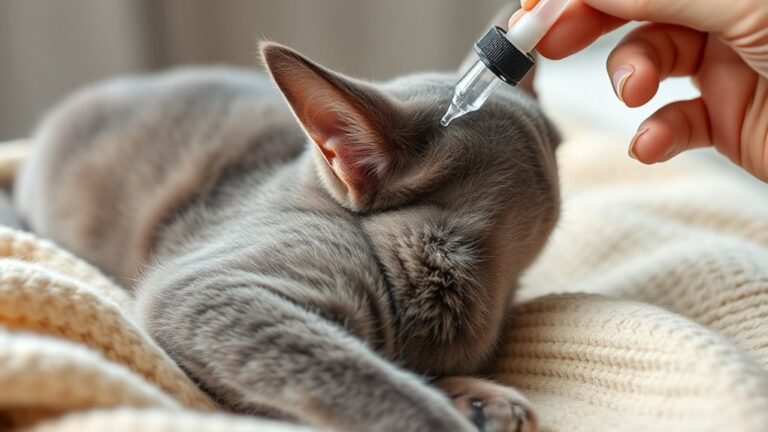
What Do Cats Need to Know About Heartworm Medicine?
Many cat owners worry about keeping their feline friends safe from health threats they can’t always see or feel. Heartworm disease is one of those sneaky dangers, transmitted by mosquitoes and capable of causing serious issues like lung problems and heart failure.
You’re not alone if navigating prevention feels overwhelming—many people struggle with understanding what’s best for their cats.
Cats need consistent heartworm prevention to stay protected from this mosquito-borne disease, which can cause serious health issues like lung problems and heart failure. Regular vet visits and annual testing are essential, even if your cat stays indoors.
Preventives usually come in monthly, topical, or injectable forms, and are safe for most cats. While side effects are rare, knowing what to watch for helps.
If you want to learn how to keep your cat safe year-round, keep going.
Key Takeaways
- Heartworm disease is spread by mosquitoes and can cause serious health problems in cats, so prevention is really important.
- Regular testing and catching it early are crucial because symptoms often show up late and can be quite severe.
- Start giving heartworm prevention as early as 8 weeks old and keep it up all year, even if your cat stays indoors.
- Preventive medicines kill immature larvae and are available as pills, topical treatments, or injections, all prescribed by your vet.
- Keep an eye out for side effects, visit the vet regularly, and try to limit your cat’s exposure to mosquitoes to stay protected.
What Is Heartworm Disease and Why Is It Dangerous for Cats?
Heartworm disease is a serious condition caused by parasitic worms called Dirofilaria immitis, which are transmitted through mosquito bites. For your cat’s health, this disease is especially dangerous because cats often show few symptoms until the infection is severe, making early prevention crucial.
Heartworm in cats is deadly but preventable with early action and regular vet visits.
Unlike dogs, cats are more sensitive to heartworm, and even a small number of worms can cause significant health problems. Heartworm infection can lead to lung disease, heart failure, and other complications that threaten your cat’s well-being.
Prevention strategies are important to protect your feline friend. Regular veterinary check-ups, the use of vet-approved heartworm preventives, and minimizing mosquito exposure are key steps.
Staying proactive about heartworm prevention helps guarantee your cat remains healthy and avoids the potentially life-threatening consequences of this disease. Protecting your cat’s health starts with understanding the risks and taking preventive measures.
How Do Cats Get Heartworm Infection?
You might think that keeping your cat indoors means they’re completely safe from heartworm, but that’s not always the case. Mosquitoes can still find their way inside through open windows or doors, and they’re the ones responsible for transmitting those tiny heartworm larvae. So even an indoor cat isn’t entirely out of the woods.
If your cat goes outside, the risk jumps even higher, especially during the peak mosquito season when those insects are most active. It’s good to be aware that heartworm infection isn’t just a concern for dogs—it can affect cats too, and sometimes even if they mostly stay inside. So, understanding how your cat can get infected helps you take the right steps to keep them safe.
Mosquitoes Transmit Heartworm
Mosquitoes play an essential role in transmitting heartworm infection to cats because they’re the main vectors that carry the parasite from infected animals to healthy ones. Their tendency to bite mainly during dawn and dusk increases the chances of spreading the heartworm lifecycle.
When a mosquito bites an infected animal, it ingests microfilariae—early stages of heartworm—in the blood. These microfilariae develop into infective larvae inside the mosquito over 10 to 14 days.
When the mosquito bites your cat again, it transmits the larvae, which then migrate through the tissue to reach the heart and lungs. Understanding how this works shows why mosquito control and heartworm prevention are so important for keeping your cat safe.
Indoor Cats At Risk
Even if your cat spends most of its time indoors, it’s still at risk of heartworm infection because infected mosquitoes can find their way inside or enter through open windows and doors. Indoor exposure doesn’t eliminate the danger; mosquitoes are persistent parasites aware of their hosts.
It’s important to stay aware of parasites, even inside your home, since these pests can thrive indoors or be carried inside on your clothing or belongings. Heartworm transmission happens when a mosquito bites an infected cat and then bites your indoor cat, passing along the larvae.
Regular preventive measures are essential because indoor cats aren’t immune to infection. Staying vigilant about indoor exposure helps protect your feline friend from this serious health threat.
Exposure During Outdoor Activities
While indoor cats face some risk, outdoor activities greatly increase the chance of heartworm infection. When your cat is outside, they’re more likely to encounter mosquitoes infected with heartworm larvae.
To help reduce this risk, consider these activity precautions:
- Limit outdoor time during peak mosquito hours, like dawn and dusk.
- Use safe mosquito deterrents or screens to keep bugs away.
- Keep your yard free of standing water where mosquitoes breed.
- Regularly check with your vet about heartworm prevention plans.
What Are the Signs and Symptoms of Heartworm in Cats?
You should keep an eye out for some common signs like coughing, trouble breathing, or feeling unusually tired. These can be signs that your cat might have heartworm problems. Sometimes, your cat might also show behavioral changes, like being less active or hiding more than they normally do.
Noticing these symptoms early is really important because it means you can get your cat to the vet sooner. Catching heartworm early can make a big difference in treatment and your cat’s health overall.
Common Heartworm Symptoms
Many cats infected with heartworm may not show obvious signs right away, making early detection tricky. That’s why recognizing symptoms is so important for keeping your feline healthy.
Common heartworm signs can be subtle but serious. Keep an eye out for coughing or difficulty breathing, which might seem minor at first.
Lethargy or decreased activity is another clue, along with loss of appetite or weight loss. You might also notice rapid or labored breathing.
These symptoms often resemble other health issues in cats, so don’t ignore them. If you see any of these signs, it’s best to check with your veterinarian soon.
Being aware of these symptoms helps you stay proactive in protecting your cat’s health and ensures they get treatment if needed. Recognizing the signs early can make a big difference in their well-being.
Behavioral Changes to Watch
Behavioral changes can be subtle but important signs that your cat might have heartworm. You may notice things like increased hiding, less interest in playing, or unusual tiredness. These signs often go unnoticed until the disease gets worse.
Watch for other signs like less activity, quickened breathing, or coughing. Catching these early is key. So, pay close attention to any changes in your cat’s usual behavior.
Here’s a quick reference:
| Sign | Description | Action to Take |
|---|---|---|
| Unusual lethargy | Less active than usual | Visit your vet promptly |
| Decreased playfulness | Less interest in toys | Schedule a check-up |
| Rapid breathing | Breathing faster than normal | Seek veterinary advice |
| Coughing | Persistent cough | Get a veterinary exam |
Stay alert for these behavioral signs to keep your cat healthy.
Why Is Heartworm Testing Important for Your Cat?
Why is heartworm testing essential for your cat? Regular testing helps catch infections early, even if your cat shows no symptoms.
Knowing your cat’s risk factors makes a big difference in how often you should test. Outdoor cats or those in areas with many mosquitoes face higher risks.
Here are four reasons to prioritize testing:
- Detect heartworm early before symptoms appear
- Determine the right testing frequency based on lifestyle and risk factors
- Prevent unnecessary medication if your cat tests negative
- Protect your cat’s health by avoiding late-stage complications
Testing frequency depends on your cat’s exposure level, but annual testing is generally recommended for at-risk cats. Since heartworm can be silent early on, regular testing is your best defense.
Staying vigilant helps keep your feline friend healthy and heartworm-free.
When Should You Start Giving Heartworm Preventive Medicine to Your Cat?
Determining the right time to start giving your cat heartworm preventive medicine is vital for effective protection. Usually, it’s best to begin administering heartworm prevention strategies as early as your veterinarian recommends, often when your cat is around 8 weeks old.
The goal is to establish the best medication timing to prevent infection before exposure occurs. If your cat lives in an area with high mosquito activity, starting preventive treatment before peak mosquito season is essential.
Start heartworm prevention before peak mosquito season to protect your cat from infection.
Even indoor cats should receive heartworm prevention, as mosquitoes can easily enter homes. Consult your vet to determine the ideal start date based on your location and your cat’s health history.
Consistency is key—giving the medication on schedule guarantees continuous protection. Remember, starting at the right time maximizes the effectiveness of the preventive measures and helps keep your cat safe from heartworm disease.
How Does Heartworm Medicine for Cats Work to Protect Them?
Heartworm medicine for cats works by either killing the immature larvae (microfilariae) or preventing their development into adult worms. This is a key part of effective heartworm prevention and helps keep your cat healthy. When you give your cat regular medication, you’re stopping the heartworm life cycle before it causes any harm.
Here’s how it works:
- It kills microfilariae before they mature, which helps reduce the spread of infection.
- It blocks the development of larvae, preventing them from becoming adult worms.
- It lowers the risk of heartworm-related health problems like lung and heart damage.
- It also keeps you mindful of the importance of consistent feline health care and prevention.
What Types of Heartworm Preventives Are Available for Cats?
When it comes to preventing heartworms in your cat, you have a few different options to consider. These include monthly oral medications, topical treatments you apply to the skin, and even injections given by your vet. Each one has its own perks, so it’s good to think about what works best for your cat and your daily routine. Let’s take a closer look at these options to help you find the best fit for your feline friend.
Monthly Oral Medications
- Chewable tablets are easy for cats to chew and swallow, making medication time less stressful.
- Flavored pills can help improve acceptance, especially for picky eaters who might resist regular medicine.
- Prescription strength ensures your cat gets the proper dosage based on its weight, which is important for safety and effectiveness.
- Monthly schedule helps you stay consistent with medication and prevents missed doses.
Sticking to the monthly schedule is key for effective prevention, so setting reminders can help you stay on track with your cat’s health needs.
Topical Preventive Options
Topical preventives are a convenient alternative to oral medications, delivering medication directly through the skin to protect your cat from heartworm. These treatments are easy to apply and usually come in a spot-on formula, making administration simple.
Many topical options also offer flea prevention, providing dual protection against common parasites. Just be sure to follow the instructions carefully to get the most out of the treatment.
They work by absorbing through your cat’s skin, offering continuous protection over a month. Topical preventives are especially helpful if your cat resists pills or if you prefer a mess-free method.
Always check with your veterinarian to select the right topical preventive for your cat’s specific needs. This way, you can ensure thorough protection from heartworm and other parasites.
Injectable Heartworm Drugs
Here are key points to know:
- They provide protection for up to six months with a single injection.
- Veterinarians administer these drugs, making sure the technique is correct.
- Dosing guidelines must be strictly followed for safety and effectiveness.
- They’re great for cats who don’t like pills or topical treatments.
Always check with your vet to see if an injectable heartworm medication is right for your cat, and get personalized dosing instructions.
Are There Side Effects of Heartworm Medicine in Cats?
| Mild Reactions | Serious Reactions |
|---|---|
| Vomiting. | Difficulty breathing. |
| Lethargy. | Seizures. |
| Skin irritation. | Loss of appetite. |
Knowing these possible reactions helps you act quickly. Most cats handle heartworm medicine well, but being aware of side effects keeps your pet safe.
If you notice anything unusual, contact your vet right away. Remember, the benefits of preventing heartworm disease usually outweigh the risks, especially if you stay alert.
How Can You Keep Your Cat Protected Against Heartworm Year-Round?
Keeping your cat protected against heartworm year-round requires consistent prevention methods, even during colder months when many assume the threat is lower. Year-round protection depends on daily habits and regular veterinary care to keep your cat safe from heartworm disease.
To maintain effective preventative measures, consider these steps:
- Administer monthly heartworm preventatives without missing doses.
- Schedule regular vet visits for check-ups and testing.
- Keep your cat indoors or limit outdoor exposure, especially in mosquito-prone seasons.
- Eliminate standing water around your home to reduce mosquito breeding sites.
What Should You Do If You Suspect Your Cat Has Heartworm?
If you notice signs like coughing, difficulty breathing, or lethargy in your cat, it’s important to act quickly. These could be signs of heartworm infection, so don’t wait to get help.
Take your cat to the vet as soon as possible. They will perform tests, like blood work and X-rays, to confirm if your cat has heartworms and see if there’s any damage.
Don’t delay treatment because untreated heartworm can worsen fast and become life-threatening. Your vet might suggest emergency care to help your cat breathe better or manage symptoms.
Follow your vet’s advice carefully, including any medications or supportive treatments they recommend. Early detection and quick action are key to giving your cat the best chance.
If you suspect heartworm, make an appointment right away to ensure your cat gets the care it needs.
Frequently Asked Questions
Can Cats Develop Resistance to Heartworm Medication?
Cats can develop resistance to heartworm medication, but it’s pretty rare. This resistance could make treatments less effective and put your cat’s health at risk.
To keep your cat safe, make sure they get regular, vet-recommended heartworm prevention. Don’t skip doses, and schedule annual check-ups.
Using medication properly helps reduce the chance of resistance and keeps your cat protected now and in the future.
How Often Should I Administer Heartworm Medicine to My Cat?
They say “an ounce of prevention is worth a pound of cure,” and that’s especially true for your cat. You should give heartworm medicine every month to ensure it works effectively.
Follow your vet’s advice and stick to the recommended schedule, usually every 30 days. Regular, consistent doses are key to protecting your cat from this serious disease.
Set reminders and don’t miss a dose to keep your cat safe. That’s the best way to prevent heartworm and keep your feline healthy.
Are Natural or Alternative Remedies Effective Against Heartworm?
Natural supplements and homeopathic treatments aren’t proven effective against heartworm in cats. You might hear about these alternatives, but they don’t replace veterinarian-prescribed preventive medications.
Relying solely on natural remedies can be risky because heartworm is a serious and potentially fatal disease. It’s best to talk to your vet to get approved prevention methods.
Keep your cat safe with proper, veterinarian-recommended heartworm medicine.
What Should I Do if I Miss a Dose of Heartworm Medication?
If you miss a dose of heartworm medication, don’t panic—act quickly! Give the missed dose as soon as you remember, unless it’s nearly time for the next one.
Never double up doses; doing so could cause a dose adjustment disaster. Keep a strict schedule to prevent missed doses, as even one can jeopardize your cat’s health.
Contact your vet for personalized advice if you’re unsure what to do next.
Is Heartworm Medicine Safe for Kittens and Elderly Cats?
Heartworm medicine can be safe for kittens and elderly cats if you choose the right product and follow your vet’s advice.
For kittens, make sure the medication is specifically formulated for their age and weight to keep them safe. Elderly cats might need dose adjustments or alternative options based on their health conditions.
Always check with your veterinarian before starting or changing any heartworm prevention plan to ensure your cat’s safety and well-being.
Conclusion
To protect your feline friend from heartworm heartbreak, prioritize timely testing, thorough treatment, and consistent preventive care.
By staying vigilant, you’ll shield your cat from the sinister spread of this silent threat. Regularly review your vet’s recommendations, remain responsible with routine checks, and remember: prevention promotes peace of mind.
Keep your cat’s health happy and heartworm-free because caring consistently creates comfort and confidence in your cat’s well-being.