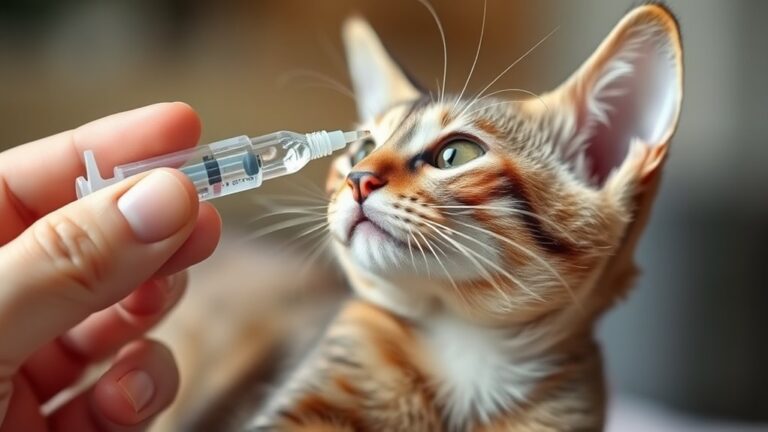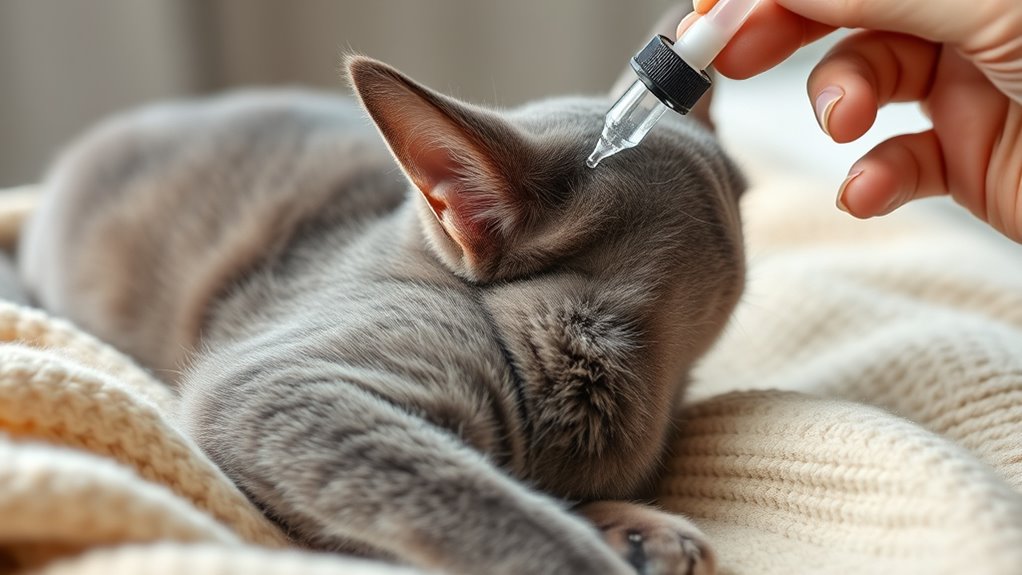
Step-by-Step Guide: Put Flea Medicine on Your Nursing Cat
Many cat owners know how stressful it can be to treat a nursing cat for fleas. You want to keep her comfortable and safe, but figuring out how to apply flea medicine without upsetting her or risking her kittens can feel overwhelming. You’re not alone—many people struggle with this delicate balance.
To safely put flea medicine on your nursing cat, start by choosing vet-approved, gentle options and preparing a quiet, comfortable space.
Gently handle her, apply the medication at the base of her neck without bathing her afterward, and wash your hands afterward. Keep kittens away during treatment and monitor her closely for adverse reactions or excessive scratching.
To learn more about ensuring her safety and preventing future flea issues, follow the next steps carefully.
Key Takeaways
- Choose a vet-approved, gentle flea treatment suitable for nursing cats and carefully follow the product instructions.
- Find a calm, quiet space and handle your cat gently to help keep her relaxed during the application.
- Apply the topical medication at the base of her neck, steering clear of her face and sensitive areas.
- Keep the kittens away during treatment and wash your hands thoroughly afterward to prevent accidental exposure.
- Watch your cat closely afterward for any unusual reactions or signs of discomfort and contact your vet if needed.
Why Fleas Are a Big Problem for Nursing Cats and Their Kittens
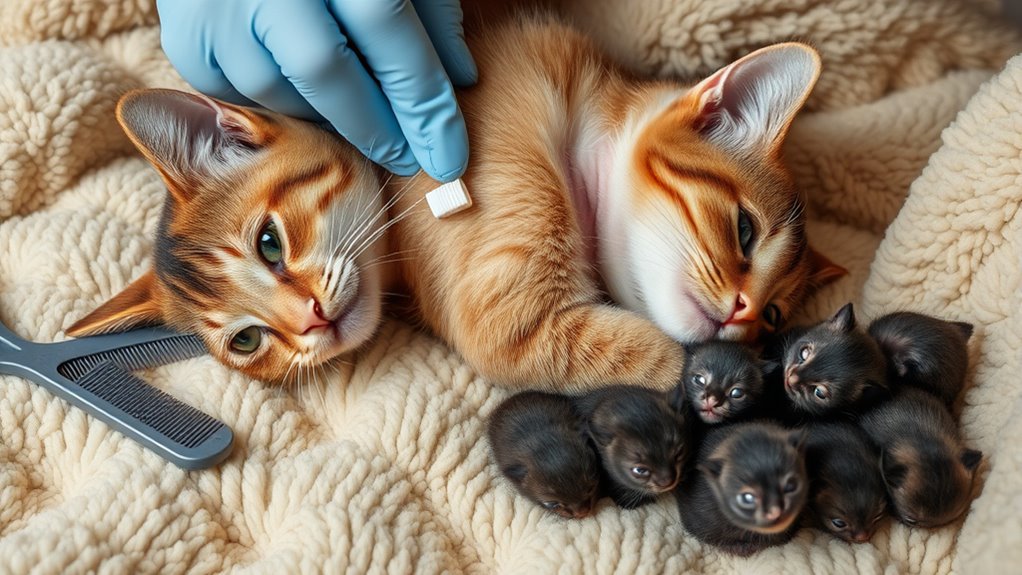
Fleas pose a serious threat to nursing cats and their kittens because these tiny parasites feed on blood, which can quickly weaken the mother and make her less able to care for her litter. Understanding the flea life cycle helps you see how infestations grow fast; eggs hatch into larvae, then pupate into adult fleas, ready to feed.
Fleas threaten nursing cats and kittens, feeding on blood and spreading quickly through their life cycle.
During this process, fleas can transmit diseases and cause discomfort for both mother and kittens. For the kittens’ health, fleas are especially dangerous—they can cause anemia, skin infections, and stress, which hampers their development.
Since nursing cats are constantly grooming and caring for their kittens, a flea infestation distracts her attention and energy, reducing her ability to nurture. It’s crucial to interrupt this cycle early to protect both the mother’s well-being and the kittens’ growth.
Addressing fleas promptly guarantees a healthier, safer environment for the entire family.
How to Choose Safe Flea Treatments for Lactating Cats
When you’re picking out flea treatments for your nursing cat, it’s really important to look for products that have safe, vet-approved ingredients. You want to make sure whatever you choose is gentle enough for her and safe for her kittens too.
And honestly, it’s always a good idea to chat with your veterinarian before using any medication. They can guide you to the best and safest options, making sure everyone stays healthy and happy.
Safe Ingredients to Look For
Choosing the right flea treatment for lactating cats means paying close attention to ingredients. Not all products are safe for nursing moms, so it’s important to pick gentle yet effective options.
Look for products that contain safe ingredients, like natural oils or herbal extracts. Natural options like neem oil or lavender oil can work well, but always confirm they’re safe and used in proper dilution.
Be sure to check labels carefully. Avoid chemicals like permethrin or pyrethroids, as they can be toxic to both your cat and her kittens.
When considering chemical treatments, only use products with ingredients like fipronil if your vet approves. Never use harmful chemicals without professional guidance.
Consult Veterinarian Before Use
Before applying any flea treatment, it’s really important to talk to your veterinarian first. This helps ensure the product is safe for your nursing cat and her kittens.
A quick vet consultation can help you choose a flea medication that’s safe for both of them. Not all treatments are suitable for lactating cats, so professional guidance is key.
Your vet can recommend options that fit your cat’s health, age, and whether she’s breastfeeding. Always ask about possible side effects and make sure the product is approved for use on nursing cats.
Relying on expert advice is the best way to protect your cat’s health while effectively managing fleas. When in doubt, a quick trip to the vet is the safest move.
Preparing Your Nursing Cat for Flea Medication
Ensure your nursing cat is healthy and stress-free for effective flea prevention.
Set up a quiet, safe space where she feels secure and free from disruptions. Handle her gently during nursing care to help reduce any anxiety she might have.
Before applying flea medication, check with your vet to make sure she’s fit for treatment, especially since nursing cats can be more sensitive. Keep her well-hydrated and fed, as a nourished cat recovers more easily if she has any reactions.
Also, make sure her environment is clean and free of fleas, which helps make the prevention more effective. Preparing her this way reduces stress and ensures the medication works well, protecting her and her kittens from fleas.
Step-by-Step Guide to Applying Flea Medicine to Your Cat
Applying flea medicine to your cat can seem a bit daunting at first, but with the right approach, it’s pretty straightforward. First things first, make sure your cat is nice and calm, and find a comfortable spot where they feel safe. Getting them relaxed will make the whole process much easier for both of you.
Next, carefully follow the instructions on the medication packaging. Every product is a little different, so it’s important to stick to the specific directions. This way, you can be confident that you’re applying the medicine correctly and safely.
Preparing Your Cat Safely
Making sure your cat is calm and comfortable sets the foundation for a smooth application of flea medicine. Before you start, prioritize cat safety by choosing a quiet, familiar space to reduce stress. Handle your nursing cat gently, respecting her comfort and signs of anxiety.
Keep her in a secure position, such as on your lap or a stable surface, to prevent sudden movements. Be mindful of nursing precautions—avoid administering flea medicine immediately after feeding or when she’s overly tired.
If your cat shows signs of agitation, give her a moment to settle. Always follow the product’s instructions carefully, and consider consulting your vet for tailored advice. Proper preparation guarantees a safer, more effective treatment for your nursing feline.
Proper Application Techniques
Applying flea medicine correctly is essential to ensure your cat gets effective protection without discomfort. First, figure out which type of flea medicine is right for your nursing cat—topical, oral, or collars. Follow the specific application schedule on the product label, usually once a month.
For topical treatments, part the fur at the base of your cat’s neck, between the shoulder blades, and apply the liquid directly onto the skin. Avoid applying it over the fur or on open wounds. Make sure your cat stays calm during application.
Don’t bathe her immediately afterward because this can reduce the medicine’s effectiveness. Be precise with the dosage and always wash your hands afterward. Proper technique keeps your cat safe and helps the flea medicine work better.
What Do’s and Don’ts to Keep Your Nursing Cat Safe During Treatment
When treating your nursing cat for fleas, it’s crucial to follow some do’s and don’ts to keep her and her kittens safe. Focus on flea prevention and proper nursing care to protect everyone.
Never apply flea medicine directly to her face, nipples, or kittens. Their sensitive skin can absorb harmful chemicals, which can be dangerous. Always use veterinarian-approved products made specifically for nursing cats.
Never apply flea medicine to her face, nipples, or kittens—use vet-approved products designed for nursing cats.
Make sure to administer the treatment in a quiet, stress-free environment. This helps reduce her anxiety and makes the process smoother for everyone. Avoid using multiple flea treatments at once, as this can cause toxicity.
Use vet-recommended products and follow the dosage instructions carefully. Don’t skip doses or double up, as this can be harmful. Keep her kittens away during treatment to prevent them from licking or ingesting the medicine.
Watch her closely after applying the treatment and look out for any signs of adverse reactions. Don’t ignore any unusual behavior or symptoms. Also, keep her environment clean and start flea prevention measures promptly to ensure her and her kittens stay safe.
How to Monitor Your Cat and Kittens After Flea Treatment
After administering flea treatment, it’s important to keep a close eye on your cat and her kittens to spot any reactions early. Watch for signs like excessive scratching, lethargy, or discomfort.
Pay attention to their activity levels; if they suddenly become less active or behave strangely, it could be a sign something’s wrong. Also, check their appetite—if they stop eating or show less interest in food, take note.
Keep an eye out for vomiting, diarrhea, or skin irritation, and make a note of any symptoms you see. Ensure your kittens are nursing properly and aren’t overly distressed.
Regularly examine their coat and skin for irritation or dryness. Staying vigilant helps you catch problems early and get veterinary help if needed.
Consistent monitoring will give you peace of mind and help keep your nursing cat and her kittens healthy after flea treatment.
Troubleshooting Common Issues During Flea Treatment
Sometimes your cat might resist getting her flea medication, and that can make applying it a bit tricky. You might also notice some side effects afterward, like vomiting or feeling more lethargic than usual. If that happens, it’s important to act quickly to make sure the treatment works and to keep your nursing cat and her kittens safe.
Handling Cat Resistance
Cats often resist flea treatments, especially if they’re not used to handling or unfamiliar with the process. Their behavior might include scratching, hiding, or struggling to escape.
To help, use calming techniques like gentle petting and speaking softly to reduce their anxiety. Keep your movements slow and steady, and offer treats or rewards after each step to create positive associations.
If your cat gets too stressed, take a short break and try again later. Remember, patience is key; forcing the issue usually makes resistance worse.
Managing Medication Side Effects
If you notice any adverse reactions, stop the medication right away and contact your veterinarian. Nursing cats are more sensitive to medication interactions, so be sure to follow dosing instructions carefully.
Keep a close eye on your kittens for any signs of distress or unusual behavior, as their safety is very important. Some flea medicines might cause minor irritation or allergic reactions, but quick action can prevent more serious issues.
When to Call the Vet About Flea Problems
If you notice your nursing cat scratching constantly, grooming excessively, or seeing flea dirt on her, it’s time to contact the vet. Spotting flea problems early is really important for her health.
If the fleas aren’t responding to your treatments or seem to be spreading despite your efforts, don’t wait—reach out to the vet right away. Severe itching can cause skin infections or hair loss, which can affect her overall health.
If fleas persist or spread, contact your vet immediately to protect her health and comfort.
Keep an eye out for signs of anemia like weakness or pale gums, especially if the flea infestation is heavy. If your cat acts unusually or the flea problem gets worse, it’s best to get professional advice.
Your vet can suggest stronger treatments or check for other issues. Acting quickly when flea problems persist or worsen will help keep your nursing cat comfortable and healthy during this important time.
Tips to Prevent Future Flea Infestations in Your Home
Preventing future flea infestations starts with keeping your home clean and tidy. Regular household cleanliness is your first line of defense. Vacuum carpets, rugs, and furniture often to pick up eggs, larvae, and adult fleas.
Wash your cat’s bedding, blankets, and any fabric items your pet contacts regularly. Keep outdoor areas tidy by trimming grass and removing debris where fleas might hide.
Use environmental treatments like flea sprays or powders in cracks and along baseboards to target hidden fleas. Treat your yard and outdoor spaces if needed, especially during warmer months.
Consistency is key—keep up these habits even after your cat’s treatment. Staying vigilant and maintaining cleanliness helps prevent fleas from reinfesting your home.
Taking these proactive steps makes your home less inviting to fleas, helping keep your nursing cat and your entire household flea-free.
Did the Flea Treatment Work? How to Confirm It’s Safe and Effective
Wondering whether your flea treatment worked is natural, but confirming its effectiveness takes some careful observation and testing. First, watch your cat closely over the next few weeks.
If the treatment is working, you’ll notice fewer fleas and less flea dirt, which shows it’s disrupting the flea life cycle. Keep an eye out for new fleas or bites; if these decrease, it’s a good sign the treatment is doing its job.
You can also gently comb your cat with a fine-tooth flea comb, checking for any remaining fleas or eggs. Remember, how well the treatment works depends on proper application and timing, so be patient.
If fleas stick around after a few weeks, consider whether the treatment was applied correctly or if you might need a different product. Consulting your veterinarian can give you extra reassurance, especially if you’re unsure about safety or the flea life cycle.
Verifying that the treatment is effective helps keep your cat safe and flea-free.
Frequently Asked Questions
Can I Use Human Flea Medication on My Nursing Cat?
You shouldn’t use human flea medication on your nursing cat because of flea medication safety concerns.
Human products often contain ingredients that can be toxic to cats, especially nursing ones.
Nursing cats need vet-approved, feline-specific flea treatments.
Always check with your veterinarian before applying any flea medication to ensure your cat’s health and safety during this sensitive time.
Never risk using unapproved human flea treatments on your pet.
How Often Should I Reapply Flea Treatment to a Nursing Cat?
You should reapply flea treatment to your nursing cat only as recommended by your veterinarian, usually once a month.
This flea treatment schedule helps provide the best protection while keeping your nursing cat safe.
Overdoing it might cause unnecessary risks, so sticking to the recommended plan is best.
Always check with your vet before making any changes, because your cat’s health is really important.
Are Natural or Homemade Flea Remedies Safe for Nursing Cats?
Natural remedies and homemade solutions might seem safe, but they’re often not tested on nursing cats.
You could try diatomaceous earth or herbal sprays, but it’s best to check with your veterinarian first.
They can recommend safe, effective treatments that won’t harm your nursing cat or her kittens.
Always prioritize professional advice over homemade solutions to keep everyone healthy and safe.
What Signs Indicate a Flea Medication Is Causing Adverse Reactions?
If your cat shows signs like excessive itching, swelling, vomiting, or difficulty breathing after applying flea medication, stop using it right away. These are clear signs of an adverse reaction.
Always check with your vet for guidance if you notice any of these symptoms. When considering flea medication alternatives, natural remedies or medicated shampoos can be options, but make sure they’re safe for nursing cats.
Monitoring your cat closely helps catch any issues early, so she stays safe and comfortable.
Is It Safe to Treat the Environment Along With My Nursing Cat?
Imagine a gentle breeze carrying a fresh scent as you treat your home environment. It’s safe to do environmental treatment alongside your nursing cat, but choose products designed for homes and avoid harsh chemicals.
Ventilate rooms well and keep your cat away during application. This helps prevent fleas from reinfesting while protecting your nursing cat’s health.
Always read product labels and consult your vet if you’re unsure.
Conclusion
So, you’ve bravely navigated the flea-fighting battlefield—armed with your cat’s favorite treat in one hand and flea medicine in the other. Congratulations!
With a little patience and a dash of luck, your nursing cat and her kittens will soon be flea-free. Just remember, if you’re ever tempted to turn this into a full-blown science experiment, your vet’s always just a call away—because nobody wants a flea-related catastrophe on their watch!