
How Long Does Flea Medicine Take to Work for Cats?
Dealing with fleas on your cat can be really frustrating. You want your feline friend to be comfortable and flea-free, but figuring out how quickly flea medicine works can be confusing.
Many pet owners wonder when they’ll see results and how to make treatment more effective. You’re not alone in this—many people struggle with flea treatments and want clear answers.
Flea medicine for cats usually starts killing fleas within 4 to 6 hours of application. However, visible signs like fewer fleas or less scratching might take a few days to appear.
The speed depends on the type of treatment and your cat’s health, age, and environment. Consistent use and proper application are key.
If you want to understand how to make the treatment more effective and what to expect, keep going for more details.
Key Takeaways
- Flea treatments usually start killing fleas within 4-6 hours after applying.
- You might not see a big difference right away, as visible reduction in fleas and itching can take a few days.
- Consistent use is key to keeping fleas at bay and preventing re-infestation.
- Cleaning your environment helps speed things up by removing eggs and larvae.
- Getting rid of all fleas can take several weeks, depending on how bad the infestation is and the treatment used.
How Soon Do Flea Medications Start Killing Fleas in Cats?
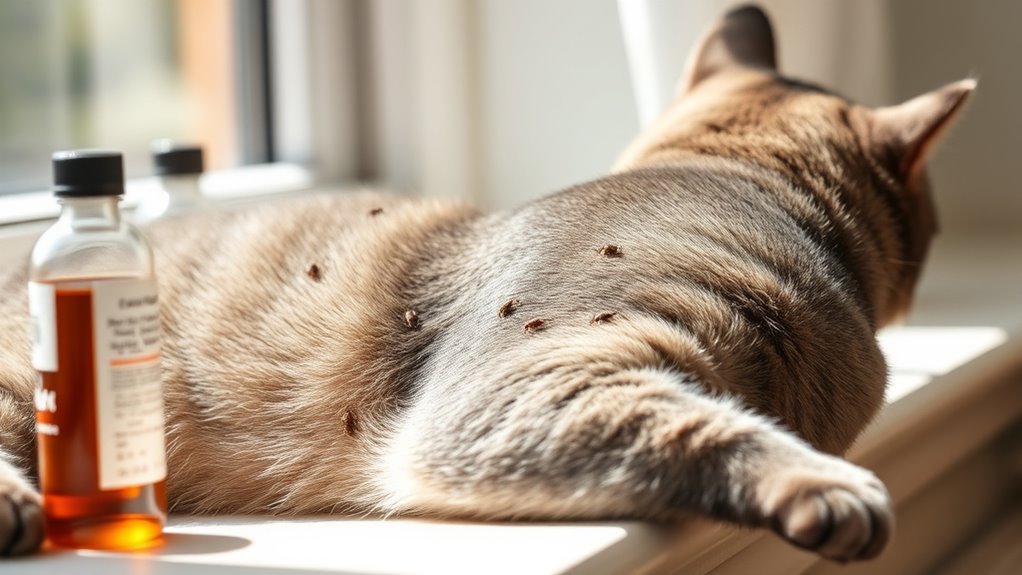
Have you ever wondered how quickly flea medications start working on your cat? The answer really depends on the type of treatment you choose.
Generally, you’ll see effects within a few hours to a day. Many topical treatments begin killing fleas as soon as they’re absorbed into your cat’s skin, often within 4-6 hours.
Oral medications usually start working around the same time, with some even acting faster. Fleas on your cat’s coat are quickly impacted once exposed to the medication.
Keep in mind, it might take a few days to notice a big drop in fleas. Consistent application is key to keeping them under control.
How Long to Kill Flea Eggs and Larvae
Flea eggs and larvae can stick around for weeks or even months if not targeted specifically. It’s important to know how long treatments take to eliminate these stages.
After eggs hatch, larvae go through development, which can last from a few days to a few weeks. Flea treatments that kill eggs and larvae usually take some time to work because they don’t act immediately on these stages.
Most products that target eggs and larvae disrupt their development. It can take anywhere from a few days to several weeks for these stages to be fully gone. During this time, you might still see some fleas, but the goal is to break the life cycle.
Consistent treatment and thorough cleaning are key to preventing new eggs from hatching and larvae from becoming adult fleas. Patience is essential to make sure all life stages are eradicated.
What Factors Affect How Quickly Flea Treatments Work
Several factors influence how quickly flea treatments start working on your cat and its environment. The type of flea treatment you choose makes a big difference—some work faster than others.
For example, spot-on treatments often kill fleas within hours, while oral medications might take a day or two. Environmental factors also play a role; cluttered or heavily infested areas can delay results.
Your cat’s age, health, and weight can also affect how quickly the medication acts. In heavily infested spaces or if the treatment isn’t applied correctly, it may take longer to see results.
How to Tell If Your Flea Treatment Is Working
So, to tell if your flea treatment is actually doing its job, start by checking your cat’s coat for fewer fleas. If you notice less scratching and biting, that’s a good sign the treatment is working.
But don’t forget to keep an eye out for fleas still jumping around or biting your cat—those little pests can be stubborn. If they’re still active, it might mean you need to give the treatment a little more time or try a different one.
Also, pay attention to how your cat is behaving. If they’re scratching less and seem more relaxed, it usually means they’re feeling better and the fleas are under control.
Visible Flea Reduction
Once you’ve applied the flea medicine, you should start noticing visible signs of improvement within a few days. You’ll likely see fewer fleas crawling or jumping on your cat.
During the treatment, expect your cat’s scratching and biting to decrease as the fleas die off. You might also notice less flea dirt or black specks in their fur.
In some cases, fleas may drop off or become less active around your home. These signs show that the treatment is working.
Keep in mind, it can take several days to a week for a significant reduction. Staying consistent and monitoring helps confirm your cat’s fleas are responding well to the medication.
Persistent Flea Activity
Even if you start seeing fewer fleas and less scratching, some insects may still stick around. Flea resistance can make it harder for treatments to fully eliminate them, especially if they’ve developed resistance to certain medications.
Environmental factors, like outdoor exposure or infested bedding, can also keep fleas active. They hide in carpets, cracks, and furniture, making complete eradication tough.
If you notice fleas still jumping or eggs lingering after treatment, it could be due to these factors. Keep in mind that some products take time to work, so persistence is key.
Regular cleaning, vacuuming, and treating your environment help reduce flea resistance and environmental sources. This boosts your chances of successfully controlling the infestation.
Changes in Cat Behavior
When flea treatment starts working, you’ll notice some behavioral changes that show your cat is feeling better. You might see less flea anxiety, with fewer signs of scratching or biting.
Your cat may become more active and start grooming normally again, rather than obsessively scratching. You could also notice a shift from lethargy to a playful mood, which means discomfort is easing.
Watch for less hiding and social withdrawal, as your cat feels more comfortable around you. Some cats might have a temporary appetite change, but it should level out soon.
Common Reasons Flea Medicine Might Take Longer
Several factors can cause flea medicine to take longer to work on your cat. One common reason is flea resistance, where fleas have developed immunity to certain treatments, making them less effective. If your cat has been treated with the same medication repeatedly, the fleas might not be killed as quickly.
Treatment timing also affects how fast you see results. If you apply the medication before the fleas are at their peak infestation, it might take longer for the medicine to clear all the fleas. Other factors include your cat’s age, health, or skin condition, which can influence how the medicine is absorbed and distributed.
Environmental factors, such as heavy flea infestations in your home, can also prolong the process. Keep in mind that patience is essential, and sometimes a second treatment or an alternative product may be necessary if fleas persist.
What to Do If Fleas Persist After Treatment
If fleas keep coming back after you’ve treated your cat or home, it’s important to check if the fleas are still around. Sometimes, they hide in places you might not expect, so take a good look at your pet and your living space.
You may need to tweak your treatment plan or try a different product to get rid of those stubborn fleas once and for all. If you’re feeling unsure about what to do next, don’t hesitate to reach out to a veterinarian. They can give you expert advice and help you figure out the best course of action to finally say goodbye to those pesky fleas.
Identifying Persistent Fleas
Are you noticing fleas still crawling on your cat despite recent treatment? To identify persistent fleas, carefully inspect your cat’s fur with a fine-tooth comb, especially around the neck and tail. Look for flea dirt—tiny black specks that turn red when damp—and watch for signs like excessive scratching, hair loss, or small bites on your skin. These clues suggest fleas are still around.
Don’t forget to check your home environment, including bedding and furniture. Keep an eye out for flea dirt or eggs in your cat’s bedding. Also, look for visible fleas on your pet or in their fur, and note if your cat is scratching or biting more than usual. Small black specks, which is flea dirt, on your cat or bedding are also indicators.
Adjusting Treatment Plans
Even after applying flea medication, some cats may still show signs of fleas or continue to scratch. If this happens, it’s a good idea to evaluate your treatment strategy to see what can be improved.
You might need to switch to a different flea treatment or combine products, like using both a topical and oral medication, to give your cat better protection. Regularly vacuum your home and wash your cat’s bedding to help reduce fleas in the environment.
Monitoring how your cat responds helps you decide if a treatment change is needed. Sometimes, fleas stick around because of resistance or incomplete coverage, so reassessing your approach is important.
Be sure to carefully follow product instructions, and don’t hesitate to explore other options if your initial treatments aren’t working. Staying proactive and adjusting your plan can help get rid of fleas more effectively.
Consulting Veterinary Experts
Persistent fleas after treatment can be frustrating, but consulting a veterinary expert is the best step to take. If fleas still persist, your vet can check if the treatment was effective and suggest a different product or approach.
They might recommend additional or alternative flea control methods based on your cat’s specific situation. Consider getting a professional evaluation to confirm fleas are still present.
Follow your vet’s recommendations for more effective flea treatments. Also, ask about environmental flea control to eliminate eggs and larvae around your home.
Discuss any underlying health issues that could be affecting your cat’s resistance to fleas. Your vet can help you find the best plan to get rid of those fleas for good.
Tips to Speed Up Flea Treatment Effectiveness
To get flea medicine working faster, try a few simple steps. First, focus on cleaning your environment—vacuum your home thoroughly and often, especially in spots your cat hangs out. Wash bedding, blankets, and soft furniture in hot water to get rid of flea eggs and larvae.
Using natural remedies like diatomaceous earth around your home can help cut down flea numbers without harsh chemicals. Keep your cat indoors during treatment and for a few days after to stop fleas from jumping back on.
Treating your yard with pet-safe outdoor products can also make a difference in preventing re-infestation. Regularly comb your cat with a flea comb to manually remove fleas and eggs, giving the medicine time to work.
Staying consistent with your treatments and these extra steps can speed things up, helping your cat become flea-free faster and avoiding future problems.
How to Keep Your Cat Flea-Free After Treatment
Once your cat is flea-free, keeping that way takes ongoing effort and watchfulness. You’ll want to stick to flea prevention tips and look into home treatments to stop re-infestation.
Regular vacuuming is helpful, especially on carpets and furniture, to pick up flea eggs and larvae. Washing your cat’s bedding and soft toys weekly also helps eliminate hidden pests.
Use flea combs daily to catch any new fleas early on. Consider applying monthly flea preventatives recommended by your vet for extra protection.
Treat your home environment with safe options like sprays or foggers to target fleas hiding in hard-to-reach spots. Keeping your yard tidy by trimming grass and removing debris can reduce outdoor flea populations.
Consistency is really important. Staying vigilant helps your cat stay flea-free for the long haul. Incorporate these steps into your routine to protect your feline friend and prevent future infestations.
When to Contact Your Vet About Flea Treatment Delays
If you don’t see a drop in fleas after the expected time, or if your cat seems uncomfortable or shows any side effects, it’s a good idea to reach out to your vet. Sometimes fleas can be stubborn, or your cat might have a reaction to the treatment that needs attention.
Don’t wait too long if things don’t improve or if you notice anything unusual. Your vet can help figure out what’s going on and make sure your kitty gets the care they need. It’s always better to check in if you’re worried about how your cat is doing or if the treatment isn’t working as expected.
Signs of Treatment Failure
How can you tell if flea treatment isn’t working as it should? If you see fleas still crawling on your cat after the expected treatment time, it’s a warning sign. Flea resistance can sometimes make treatments less effective, making it harder to get rid of fleas completely.
Signs of treatment failure include your cat still itching a lot, visible fleas or flea dirt, new flea bites, or skin infections. If these issues stick around beyond the usual treatment period, it’s time to reach out to your vet. They can check if the medication is working or suggest a different approach.
Don’t wait too long, especially if your cat seems uncomfortable. Prolonged flea exposure can lead to other health problems. Your vet can help figure out if resistance or other factors are affecting the treatment’s success.
Unusual Side Effects Observed
While most flea treatments work fine, you should contact your vet right away if you notice any unusual side effects. This is especially important if they slow down how well the medication works.
Uncommon reactions like excessive drooling, vomiting, or lethargy might be a sign there’s a problem. Allergies can also happen, causing itching, swelling, or skin irritation around where the treatment was applied.
These symptoms might not show up immediately and can develop within hours or days after applying the medication. If you see any of these signs, don’t wait—reach out to your vet.
Getting help early can prevent more serious issues and keep your cat safe. Always follow your vet’s instructions and report any unexpected reactions to ensure your feline stays healthy during flea treatment.
Lack of Flea Reduction
Sometimes, flea treatments don’t work as quickly as you’d like, making you wonder if they’re really effective. If you notice little to no reduction in fleas after a few weeks, it might be because of flea resistance or environmental factors.
Flea resistance happens when fleas develop immunity, which makes treatments less effective. Environmental issues, like outdoor access or infested bedding, can also slow down progress.
You should contact your vet if:
- Fleas stick around despite treatment
- Your cat shows signs of irritation or bites
- You see new fleas after several weeks
- There’s a high outdoor flea exposure risk
Your vet can help figure out if resistance or environmental factors are causing the problem. They can also suggest alternative solutions or adjustments to your flea control plan.
Understanding the Flea Life Cycle and Treatment Impact
Understanding the flea life cycle is key to treating a flea infestation on your cat effectively. Fleas go through several stages: eggs, larvae, pupae, and adults.
When you use flea medicine, it usually targets adult fleas quickly, but eggs and larvae can survive and cause re-infestation if you don’t control the environment too.
Knowing this cycle helps you understand that flea prevention needs to include treating your home as well as your cat. Regular vacuuming, washing bedding, and using environmental flea treatments can break the cycle.
This prevents new fleas from emerging and keeps your cat flea-free longer. Some flea medications act faster on adult fleas, but consistent environmental control is essential to eliminate all stages.
This comprehensive approach ensures your cat stays flea-free longer and reduces the chances of fleas coming back.
Understanding how fleas develop helps you choose the right treatment plan and timing for the best results.
Frequently Asked Questions
Can Flea Medicine Cause Side Effects in Cats?
They say “better safe than sorry,” and that’s true with flea medicine reactions. Yes, flea medicine can cause adverse effects in cats, like itching, vomiting, or lethargy.
Every cat reacts differently, so it’s crucial to monitor your pet after applying treatment. If you notice unusual symptoms, consult your vet immediately.
Being cautious helps prevent serious issues and guarantees your feline friend stays happy and healthy.
Is It Safe to Use Multiple Flea Treatments Simultaneously?
It’s generally not safe to use multiple flea treatments at the same time because they might interact and cause adverse reactions.
It’s best to compare their effectiveness carefully and follow your vet’s advice instead of mixing different products.
Using one treatment at a time helps you monitor how your cat responds and ensures the treatment works safely.
Always check with your veterinarian before applying multiple flea medications to keep your cat safe.
How Often Should I Apply Flea Medication?
Think of flea medication types like a well-timed dance, where application frequency keeps your cat protected.
You should typically apply flea medication monthly, but some spot-on treatments might last longer.
Always follow the product’s instructions and your veterinarian’s advice.
Regular application guarantees continuous protection against fleas and prevents infestations.
What Are Signs of a Flea Allergy in Cats?
You’ll notice flea allergy symptoms in your cat through intense skin irritation, itching, and frequent scratching.
Look for red, inflamed skin, hair loss, and scabs, especially around the neck, back, or ears. Flea saliva triggers these allergic reactions.
If your cat shows these flea symptoms, it’s a sign they’re allergic. Prompt treatment and flea control measures can help alleviate discomfort and prevent further skin issues.
Can Fleas Develop Resistance to Flea Medications?
Fleas can develop resistance to flea medication over time, making treatments less effective. When fleas survive exposure to the medication, they can pass on resistant traits to their offspring.
To keep flea treatments working, it’s a good idea to rotate different products and use comprehensive prevention strategies. Regularly check in with your vet about new options or if you notice resistant fleas.
This way, you can make sure your cat stays protected and flea control stays effective.
Conclusion
So, as you watch for fleas to vanish, keep in mind that patience is key. Sometimes, a simple misstep—like missing a spot or delaying treatment—can delay results.
Keep a close eye on your cat, follow the vet’s advice, and stay consistent with treatments. Before long, you’ll notice fewer fleas, and your cat will be back to purring happily.
It’s like catching a stray toy—sometimes, the right moment just needs a little time to come together. When it comes to flea medicine for cats, patience really makes all the difference.