Why Do Cats Arch Their Backs When You Pet Them?
Are you often puzzled by your cat’s strange behavior and wondering what they’re really trying to tell you? You’re not alone—many pet owners struggle to interpret their feline friends’ signals, especially when it comes to body language.
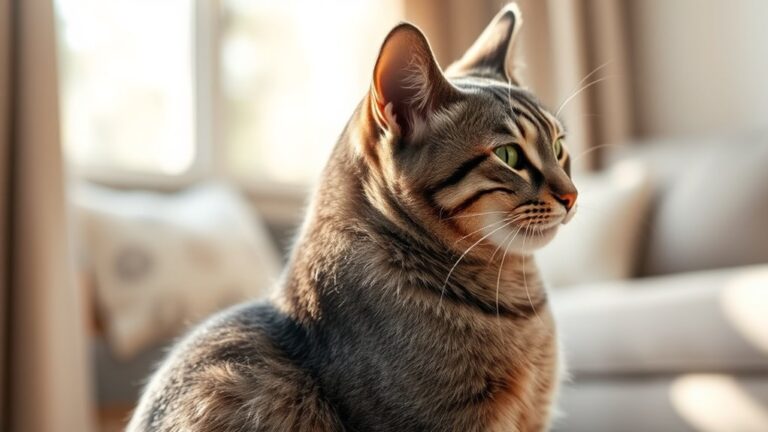
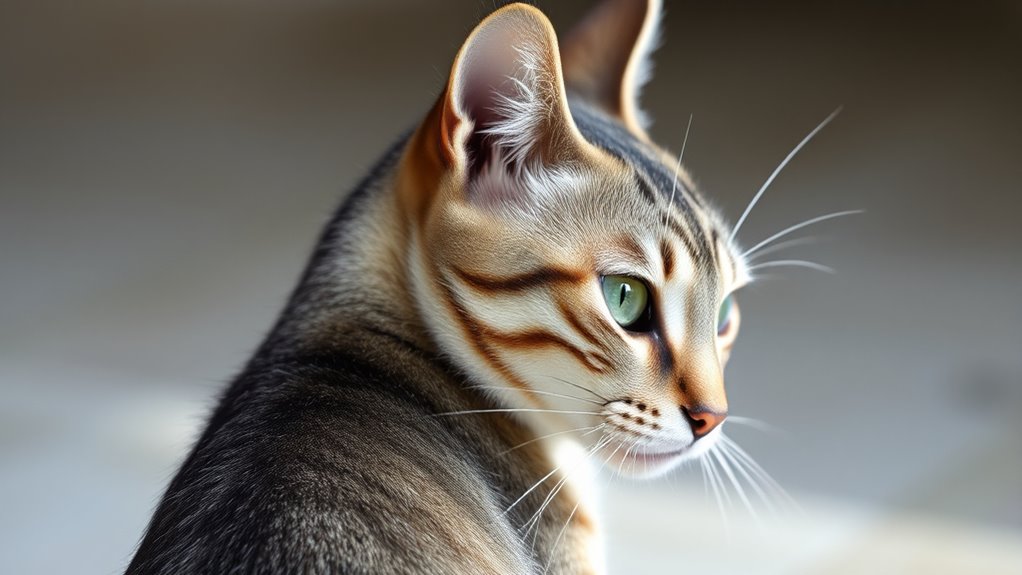
When your cat arches its back while you pet it, it’s usually a sign that your feline feels relaxed and comfortable, especially if paired with purring and loose muscles.
However, sometimes an arched back can also signal defensiveness or overstimulation, especially if accompanied by puffed-up fur or tense body language.
Paying attention to these signals can help you understand your cat’s mood better.
Keep going to uncover how to interpret these cues and strengthen your bond.
Key Takeaways
- Cats arch their backs to show they’re comfortable and enjoying gentle petting.
- When they trust you, especially if they’re relaxed, an arched back can be a sign of that trust.
- Sometimes, cats stretch or release tension by arching their backs while being petted.
- If a cat feels overstimulated or threatened, it might arch defensively.
- Pay attention to their tail and ear position to figure out if the arch is playful or defensive.
What Does It Mean When Cats Arch Their Backs?
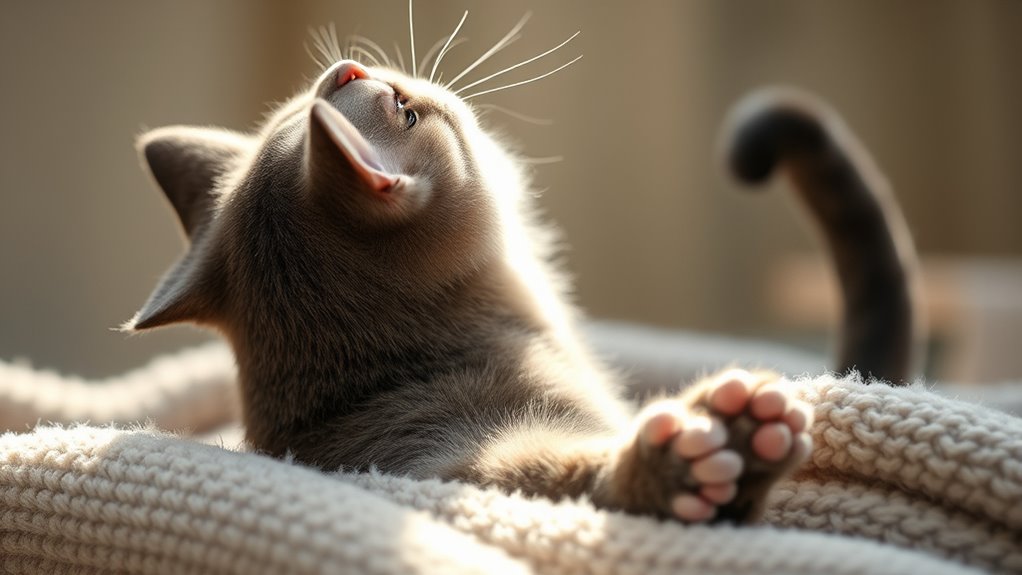
When a cat arches its back, it’s usually trying to communicate something about how it’s feeling. This body language helps you understand their mood and intentions.
An arched back can mean your cat is feeling playful, curious, or even defensive. If their body is rounded with the fur standing up along their spine, they might be trying to look bigger to scare off a perceived threat.
On the other hand, a relaxed, arched back with loose muscles often shows trust and comfort. You might see this when they’re stretching or enjoying your petting.
Pay attention to their overall body language, like tail position, ears, and eyes. These clues help clarify what your cat is feeling.
Remember, cats communicate a lot through their body language. Understanding what an arched back means depends on the context.
Knowing these cues lets you respond appropriately to your cat’s emotional state.
Are Cats Arching Their Backs for Comfort or Warning?
Are cats arching their backs to signal comfort or warning? It can be confusing because this posture can mean different things.
When your cat arches its back gently, it usually shows they feel safe and relaxed around you. This arching is often part of their way to stretch and show they’re content.
But if the arch is paired with puffed-up fur, dilated pupils, or a tense body, it’s probably a warning. Your cat might feel threatened or defensive, using the arch to look bigger and more intimidating.
Knowing these subtle cues helps you understand your cat’s mood. An arched back isn’t always a sign of relaxation—sometimes it’s a warning.
Pay attention to the context and your cat’s overall body language to figure out if they’re seeking comfort or signaling caution.
How to Tell If Your Cat Is Relaxed or Defensive When It Arches Its Back
How can you tell if your cat’s arched back signals relaxation or defensiveness? Observing your cat’s overall body language helps you interpret their mood.
If your cat’s back is arched but their ears are forward, eyes are soft, and their tail is relaxed or gently flicking, it’s likely a relaxed posture. This shows they’re comfortable and trusting, especially if they’re purring or rubbing against you.
However, if the arched back is paired with puffed-up fur, flattened ears, dilated pupils, and a tense body, it signals defensive behavior. Your cat may feel threatened and is ready to defend itself.
Pay attention to these subtle cues to understand your cat’s emotional state. An arched back alone doesn’t tell the whole story—it’s the combination of body language, ear position, eye expression, and overall demeanor that reveals whether your cat is relaxed or defensive.
What Your Cat’s Body Language Is Telling You
Your cat’s body language is like her way of chatting with you—she’s telling you how she’s feeling without saying a word. When she’s relaxed, often with her back gently arched and purring softly, it’s a good sign she’s happy and comfortable. If she’s in a playful mood, she might get into a fun stance that invites you to play along.
But, keep an eye out for signs she’s getting overstimulated. Things like flicking her tail or suddenly arching her back can mean she’s reached her limit and needs some space. Recognizing these cues can help you make sure she stays happy and stress-free.
Sign of Comfort
A cat arching its back can be a clear sign of comfort and contentment. When your cat relaxes and purrs, it’s showing trust and happiness. Notice the tail—if it’s upright or gently flicking, your cat feels secure.
A relaxed body with a slightly curved spine signals contentment, especially if paired with slow blinking. Body language like half-closed eyes and a soft, loose posture also indicate relaxation.
Ears forward and a calm expression show that your cat feels comfortable and attentive. The tail position—held high or relaxed without tension—further confirms your cat is feeling safe and happy.
Indication of Playfulness
When a cat starts to arch its back with a lively bounce in its step, it’s often a sign that it’s feeling playful and energetic. This body language signals your cat’s playful behavior and invites interaction and fun.
Cats arch their backs as part of their natural instincts to prepare for playful pouncing or chasing. You might notice their tail twitching, ears forward, and eyes bright—all signs of excitement.
This posture is a way for your cat to communicate that it’s in a good mood and ready for activity. Responding with gentle play can strengthen your bond and satisfy their instinct to hunt and stalk.
Recognizing these signs helps you understand when your cat is in a playful, happy state.
Warning of Overstimulation
While a cat may arch its back and seem relaxed or playful, these signs can change quickly to show overstimulation. If you notice your cat’s body stiffening, tail flicking, or ears flattening, it’s a warning sign that they’ve reached their petting limit.
Recognizing these cues is important to prevent your cat from becoming agitated or even aggressive. Pay attention to body language like tail flicks, flattened ears, or tense posture.
Visualize these signals: relaxed and playful cats purr softly, have loosened postures, and ears forward. Overstimulated signals include tail flicks sharply, flattened ears, and rapid tail twitching.
Warning signs of discomfort are hissing, growling, swatting, biting, or sudden lunges. Subtle changes happen fast, so respecting your cat’s limits helps keep them happy and stress-free.
Why Cats Arch Their Backs During Play and Interaction
Cats often arch their backs during play and interaction as a way to show they’re alert and ready to pounce. It’s a natural part of their play behavior, rooted in instincts that mimic hunting scenarios.
When your cat arches its back, it’s signaling that it’s energized and prepared for action. They might be mock stalking or chasing, engaging in playful, instinctual behaviors.
You’ll notice their body becomes more flexible, with their tail flicking and ears pointed forward. This shows focus and excitement, but it’s not necessarily aggressive.
Instead, it’s a playful posture that helps them feel balanced and agile. During these moments, your cat is actively keeping sharp and entertained.
Understanding this helps you see when your cat is having fun versus when they might need a break. It ensures play stays positive and safe for both of you.
Signs Your Cat Is Overstimulated or Feeling Defensive
A cat’s body language can quickly shift from playful to defensive when they become overstimulated or feel threatened. Recognizing these signs is important to prevent things from escalating.
Signs of overstimulation include tail flicking, ears flattening, or pupils dilating rapidly. You might also notice your cat suddenly stiffening or twitching, showing they’re reaching their limit.
Defensive behaviors include hissing, growling, or swatting. When your cat arches their back, it’s often a warning sign they’re feeling overwhelmed and might defend themselves.
You may see their fur puffing up, making them look larger as a threat display. These signals usually happen after extended petting or playtime.
If you notice these behaviors, it’s best to give your cat some space and stop any interaction. Respecting these signs helps prevent your cat from becoming aggressive and keeps your time together positive.
Common Situations That Cause Cats to Arch Their Backs: And How to Respond
You might catch your cat arching its back when they’re feeling playful or sometimes when they’re feeling a bit threatened. It’s pretty common, but it’s important to pay attention to what your cat is trying to tell you. Is your kitty just having fun, or might they be feeling scared or defensive? Figuring this out can help you respond in the best way to keep your feline friend safe and happy.
Playful or Defensive Reactions
When a cat suddenly arches its back, it’s usually showing a strong emotion—either playful excitement or defensive caution. During play, your cat might arch its back to invite you to join in, showing curiosity and eagerness for fun.
On the other hand, if they feel threatened, the arch becomes a defensive move, making them look bigger to scare off perceived dangers. Recognizing the context helps you understand what your cat is trying to tell you.
| Situation | Cat’s Reaction |
|---|---|
| Playful interaction | Arching, purring, tail high |
| Defensive posture | Arching, hissing, puffed fur |
| Calm petting | Relaxed, gentle arch |
| Overstimulation | Sudden arch, swatting |
Recognizing Comfort or Fear
Have you ever noticed your cat arching its back without any obvious reason? This behavior can mean different things depending on the situation.
If your cat’s eyes are wide, pupils dilated, and ears flattened, the arch probably signals fear. It’s trying to protect itself or show that it feels threatened.
On the other hand, if your cat arches its back gently while purring and looks relaxed, it’s a sign of comfort and trust.
Recognizing these cues helps you respond the right way. When your cat shows fear signals, give it space and avoid sudden moves.
If it’s a comfort sign, you can keep petting or just enjoy the bond. Understanding these signs makes sure your cat feels safe and understood.
What Should You Do When Your Cat Archs Its Back?
Seeing your cat arch its back can be unsettling, but knowing how to react is important. Usually, this behavior signals either enjoyment or discomfort. Watch your cat’s body language closely.
If the arch comes with purring and a relaxed posture, it’s a good sign to keep gentle petting. Use calm, soft petting techniques to make your cat feel safe.
But if your cat arches sharply and shows signs of agitation like hissing or swatting, stop petting right away. Giving your cat space is the best move in this case.
Not all back arches mean the same thing. Some indicate pleasure, while others show discomfort. Use this guide to help you decide what to do:
| Cat Behavior | What to Do |
|---|---|
| Relaxed, purring, back arch | Continue with gentle petting |
| Fluffy, arched, ears back, growling | Stop petting and give space |
| Purring, stretching, arching | Keep petting with light pressure |
| Hissing, tail flicking | Cease petting immediately |
| Tense muscles, back arched | Watch closely and adjust your approach |
Always pay attention to your cat’s signals. Adjust your petting to help your cat feel safe and comfortable.
How Understanding Your Cat’s Back Arching Can Strengthen Your Bond
When your cat arches its back, it’s often a sign that they’re feeling happy and relaxed. Recognizing this simple gesture allows you to respond with gentle touches, which can really help build trust between you two. It’s like your cat is giving you a little signal that they’re comfortable and enjoying your company.
Getting to know these cues makes your communication so much better. When you understand what your cat is telling you with their body language, your bond can grow even stronger. The more you tune in to their signals, the more intuitive your relationship becomes, making your time together more enjoyable and meaningful.
Recognizing Contentment Cues
Ever notice your cat arching their back and wonder if it’s a sign of happiness? Recognizing contentment cues helps you interpret your cat’s body language more accurately.
When a cat feels truly content, their back might gently arch, paired with relaxed muscles and a soft gaze. These signals show your cat is comfortable and happy in your presence.
You might also notice their tail flicking slowly or a relaxed posture, which reinforces their positive feelings.
By paying attention to these subtle signs, you deepen your understanding of your cat’s emotional state. This awareness allows you to foster a stronger bond, making your interactions more meaningful.
Properly reading your cat’s body language helps ensure your pet feels safe and loved, creating a joyful connection between you.
Building Trust Through Touch
When your cat arches its back in a relaxed way, it’s often a sign they’re comfortable and trusting you. This behavior shows they feel safe during your touch, making it a good moment to build trust.
To strengthen your bond, pay attention to how your cat responds. When they arch their back, use gentle strokes to reinforce that they’re at ease.
Watch their body language to make sure they stay relaxed. If they show signs of discomfort, respect their boundaries and give them space.
Enhancing Communication Skills
Understanding why your cat arches its back can really help improve how you communicate and connect with them. When you notice this behavior, it shows their emotional state and helps you practice active listening.
Paying attention to these cues allows you to respond with empathy, building trust. For example, if your cat arches its back in a relaxed way, it’s a sign they’re comfortable—so you can reinforce positive interactions.
On the other hand, a tense arch suggests discomfort, prompting you to change your approach. Recognizing these signals helps you better understand your cat’s feelings, leading to more meaningful exchanges.
This understanding strengthens your bond because your actions become more in tune with their needs. Ultimately, improving your communication skills creates a harmonious, trusting relationship with your feline friend.
Frequently Asked Questions About Cats Arching Their Backs
Why do cats sometimes arch their backs? This common feline behavior can mean different things depending on the situation. A back arched posture often shows your cat feels safe enough to expose its vulnerable belly, which is a sign of trust.
It’s also part of how cats communicate, whether they’re feeling playful or alert. Sometimes, they arch their backs as a stress signal or during petting when they’re pushing their limits. Recognizing these cues helps you better understand what your cat is trying to tell you.
If your cat’s back is arched, think about whether it’s a playful gesture or a warning to stop petting. Pay attention to their overall behavior to avoid misreading. Gentle petting and respecting their space are key.
Cats may also arch their backs to get attention or simply to relax. Understanding these signals helps strengthen your bond and ensures you respond in a way that makes your cat comfortable.
Frequently Asked Questions
Can a Cat’s Back Arch Indicate Pain or Illness?
A cat’s back arch can sometimes indicate pain or illness, especially if it’s paired with other signs like vocalizing or hiding.
But cats often arch their backs as part of normal communication or just to stretch.
It’s important to watch their overall behavior and body language to understand what they’re trying to tell you.
If your cat shows signs of discomfort or acts unusual, it’s a good idea to see a vet.
Noticing these cues can help you keep your cat healthy and happy.
Do All Cats Arch Their Backs When Happy?
Not all cats arch their backs when happy, but many do, showing their relaxed and content feline communication. You might see a gentle arch, a slight lift of the spine, or an extended back, all signaling comfort.
Cat behavior varies, so some cats arch their backs during play or curiosity, while others do so only when they’re truly relaxed and happy. Observing your cat’s unique cues helps you understand their mood better.
How Can I Differentiate Between Play and Aggressive Arching?
You can tell if your cat’s arching is playful or aggressive by watching their body language. Playful cats usually have relaxed, loose movements, dilated pupils, and might even pounce gently.
In contrast, aggressive cats stiffen up, hiss, flatten their ears, and show their claws. Their tail might puff up, and their overall body language signals defensiveness.
Pay close attention to their facial expressions and posture to get a better idea of how they’re feeling.
Does Age Affect How Often Cats Arch Their Backs?
Yes, age factors influence how often cats arch their backs. Kittens and young cats often do it when they’re playing or curious.
Older cats tend to do it less often, mainly during grooming or stretching. As cats age, their behavior can change, making back arching less common or more intentional, like stretching after naps.
Understanding these differences helps you tell if your cat’s arching is normal or if it might be a sign of something else.
Is Back Arching a Sign of Territorial Behavior?
Yes, back arching can be a sign of territorial behavior. When your cat arches its back, it’s like a fortress rising, signaling confidence and marking territory through body language.
This posture often comes with puffed fur and a raised tail, showing they’re asserting boundaries. It’s their way of communicating territorial instincts and warning others to respect their space.
Conclusion
Next time your cat arches its back, picture a tiny guardian puffing up like a plush toy, signaling feelings from comfort to caution. These subtle cues are your feline’s way of communicating with you.
By paying attention to these signs, you can deepen your connection and understand when your cat seeks cuddles or needs space. It’s all about reading what your kitty is telling you.
With each gentle gesture, you’re building a bond that’s warm and intricate, like a cozy blanket. Recognizing why cats arch their backs helps turn every shared moment into a story of trust and affection.