Why Is My Cat’s Nose Dripping When I Pet Him?
Are you worried when you notice your cat’s nose dripping while you’re petting him? You’re not alone—many cat owners find this confusing and worry it might be something serious.
Understanding what’s normal versus what’s a sign of trouble can help you keep your feline friend happy and healthy.
Your cat’s nose dripping during petting is often a normal emotional or environmental response, not a sign of illness. It might happen because petting triggers relaxation or overstimulation, causing extra mucus.
Allergies or irritants like dust or pollen can also play a role, especially during playtime.
If you’re curious about how to tell normal from abnormal nose drips or want tips to keep your cat comfortable, there’s more to explore below.
Key Takeaways
- Petting can trigger a normal emotional or relaxation response, which might cause temporary nose dripping without it being a sign of illness.
- Sensitive noses may produce mucus when overstimulated during petting, but this is usually normal unless your cat seems distressed.
- Allergens in the environment or during play can irritate your cat’s nasal passages, leading to a runny nose when touched or stimulated.
- Mild, clear nasal discharge during petting might be normal; however, if it’s persistent or colored, it could indicate a health issue that needs vet attention.
- Excessive or ongoing nose dripping, especially with other symptoms, might mean allergies, infection, or other health concerns that should be checked by a veterinarian.
Why Does My Cat’s Nose Drip When I Pet Him?
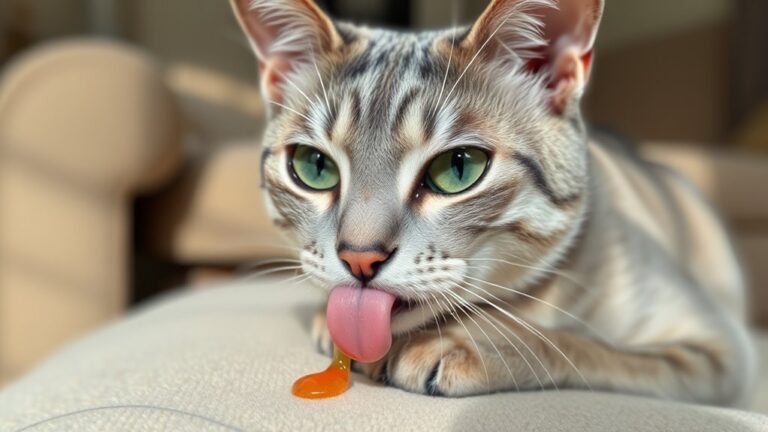
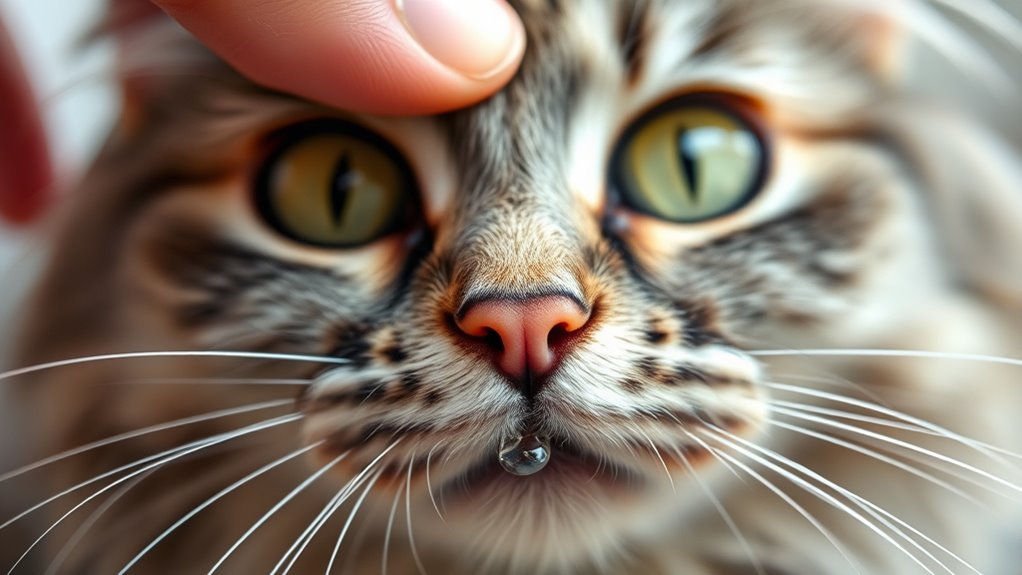
Have you noticed your cat’s nose dripping whenever you pet him? This can be linked to his behavior and nose sensitivity, which varies from cat to cat. Petting can trigger an emotional response, making your cat feel relaxed or overstimulated.
A dripping nose during petting may reflect your cat’s emotional response and nose sensitivity, not necessarily illness.
As a result, his nose may produce extra mucus as a natural reaction. This isn’t necessarily a sign of illness; it can be a normal physical response to stimulation. Some cats have more sensitive noses, especially if they’re more emotionally reactive or anxious.
Physical health factors like minor irritations or allergies can also cause nose dripping, but these are usually accompanied by other symptoms. Pay attention to your cat’s overall behavior—if the nose drip happens consistently with petting but no other signs of distress, it’s probably normal.
Understanding this helps you interpret your cat’s reactions and ensures you’re respecting his comfort.
How Allergies Cause Your Cat’s Nose to Run During Play
During playtime, your cat’s nose might start dripping if he’s dealing with allergies. When exposed to things like pollen, dust, or certain pet interactions, his allergy symptoms can get worse during active moments.
The excitement of playing increases airflow, making nasal irritation more obvious. You might see him sneezing, watery eyes, or a runny nose—these are common signs that allergies are bothering him.
To help, try to identify potential triggers around your home, like pollen or dust. Regular cleaning can reduce allergens and make his symptoms less severe.
You can also limit his exposure to plants or substances that trigger his allergies, especially during high pollen seasons.
| Allergen Type | Common Symptoms | How to Minimize |
|---|---|---|
| Pollen | Runny nose, sneezing | Keep windows closed during high pollen seasons |
| Dust mites | Itchy nose, congestion | Use air purifiers and wash bedding often |
| Pet dander | Watery eyes, nasal drip | Bathe your cat regularly and vacuum often |
How to Spot Respiratory Infections in Cats
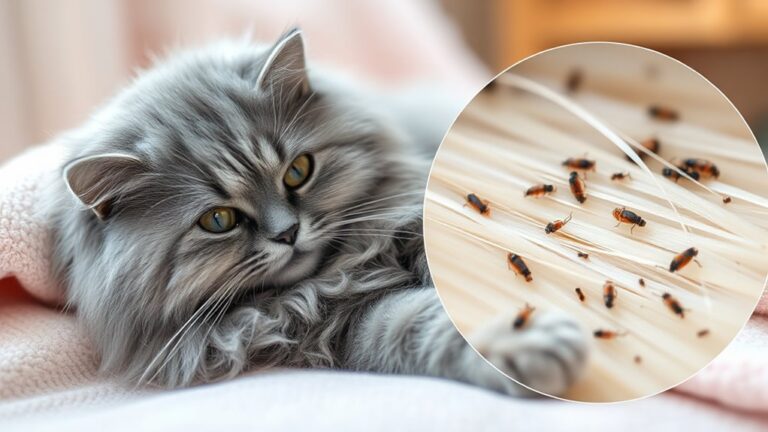
Respiratory infections in cats can develop quickly and often show subtle signs that are easy to overlook. To catch these infections early, pay attention to symptom recognition.
Watch for sneezing, coughing, or rapid breathing, which can indicate a respiratory issue. A runny nose, watery eyes, or nasal congestion are also common signs.
Notice if your cat seems less energetic or loses interest in play—that could be a sign of illness. Decreased appetite or difficulty breathing are more serious symptoms to watch for.
Regularly cleaning your cat’s living space and avoiding exposure to sick animals can help prevent infections. If you notice any of these signs, see your veterinarian promptly.
Early detection means better treatment and less risk of complications. By staying alert and knowing what to look for, you can help keep your feline friend healthy and comfortable.
Is a Runny Nose in Cats a Sign of Cold or Flu?
Is a runny nose in cats always a sign of a cold or flu? Not necessarily. While nasal discharge can indicate cat flu, it might also come from allergies, irritants, or other infections.
If your cat shows signs like lethargy, sneezing, or decreased appetite along with a runny nose, it could be more serious.
Here’s a quick comparison:
| Symptom | Possible Cause |
|---|---|
| Clear nasal discharge | Allergies or mild irritation |
| Thick or colored discharge | Cat flu or bacterial infection |
| Sneezing or coughing | Respiratory infection |
| Lethargy | Possible illness needing vet care |
| Loss of appetite | Could signal a more severe issue |
When Should I Be Worried About My Cat’s Persistent Runny Nose?
You should be concerned if your cat’s runny nose lasts for more than a few days or gets worse over time. Persistent symptoms can be a sign of underlying health problems that need attention.
Common causes include infections like feline herpesvirus, bacterial sinusitis, or allergies. These conditions usually require specific treatments, so early diagnosis is key.
If your cat shows other signs such as sneezing, lethargy, loss of appetite, or trouble breathing, it’s time to see a vet. They might recommend antibiotics, antivirals, or other therapies based on what’s going on.
Ignoring a lingering runny nose can lead to complications or suggest a more serious issue. Keep track of any changes and reach out to a professional quickly.
Getting the right treatment can help your cat recover faster and prevent further health problems. When in doubt, a vet’s evaluation is your best step toward keeping your cat healthy.
Environmental Factors That Make Your Cat’s Nose Drip
Environmental factors such as airborne allergens, temperature changes, and humidity levels can really make your cat’s nose start to drip. When these things suddenly shift, they can irritate your cat’s nasal passages, which often results in a runny nose.
Getting to know these environmental triggers can help you figure out if your cat’s runny nose is related to what’s going on around them. It’s all about paying attention to how their environment might be affecting their health.
Allergens in the Air
When airborne allergens like pollen, dust, and mold particles fill the environment, they can trigger your cat’s immune response and cause a runny nose. Pollen from outdoor plants and dust mites from bedding or carpets are common culprits.
These particles irritate your cat’s nasal passages, leading to excess mucus production. To understand this better, consider the following:
| Allergen | Common Sources |
|---|---|
| Pollen | Outdoor plants, trees |
| Dust Mites | Bedding, carpets, upholstery |
| Mold spores | Damp areas, leaky pipes |
| Pet dander | Other pets in the environment |
| Smoke | Cigarette or indoor smoke |
Reducing these airborne allergens can help ease your cat’s nasal issues and make petting more comfortable.
Temperature Fluctuations
Fluctuations in temperature can cause your cat’s nose to drip as their body reacts to sudden changes in the environment. Cats are sensitive to temperature shifts, which influence how they respond to weather changes. Rapid changes from cold to warm or vice versa can lead to increased nasal secretions.
Here are some ways temperature fluctuations impact your cat’s nose:
- Sudden cold spells can cause nasal congestion and dripping, especially if your cat isn’t used to the cold.
- Warm weather followed by cold nights might trigger more nasal discharge.
- Indoor heating or air conditioning can create microclimates that challenge your cat’s temperature sensitivity, making their nose run.
Knowing these environmental factors can help you keep your cat comfortable and healthy.
Humidity Levels
High humidity levels can cause your cat’s nose to drip because moist air encourages increased nasal secretions. When the humidity effects are strong, it disrupts your cat’s moisture balance, leading to a runny nose.
Cats rely on their noses to stay hydrated and monitor their environment, so excessive moisture can trigger more secretion production. If your home is humid, especially during certain seasons or in damp environments, your cat’s nose might drip more than usual.
Maintaining a balanced humidity level helps regulate nasal secretions and keeps your cat comfortable. Using a dehumidifier or air conditioner can help control indoor humidity, preventing over-moisturizing of nasal passages and easing the drip caused by humidity effects.
How to Tell Normal Nose Dripping From a Health Issue
You’ll want to pay attention to whether your cat’s nose drip seems normal or if it might be a sign of something more serious. Usually, a normal nose discharge is clear and pretty thin—nothing too thick or messy.
But if you notice that the mucus is thick, colored (like yellow, green, or bloody), or has a foul smell, that’s when you should start to worry a bit more. It could be a sign of an infection or another health issue.
Also, keep an eye out for other symptoms like sneezing a lot, feeling more tired than usual, or losing interest in food. These signs along with abnormal nasal discharge can help you decide if it’s time to visit the vet.
Normal Versus Abnormal Discharge
Understanding the difference between normal and abnormal nasal discharge is key to knowing when your cat might need veterinary attention. Normal discharge is usually clear, thin, and occurs occasionally without causing discomfort.
Abnormal discharge can be thick, colored like yellow, green, or bloody, or it may be persistent. These signs often indicate there’s an issue that needs checking.
To tell the difference, look at a few points: First, check the consistency and color. Normal discharge is clear and watery, while abnormal discharge might be cloudy, thick, or discolored.
Next, consider how often it happens. Occasional sneezing or nose-wiping with normal discharge is normal. But continuous dripping suggests a problem.
Finally, observe if there are other symptoms. Normal discharge usually isn’t linked with other signs, but abnormal discharge often comes with sneezing, swelling, or lethargy.
Knowing these differences helps you act quickly if your cat’s nose isn’t normal.
Signs of Health Concerns
While a small amount of clear, watery nasal discharge can be normal, certain signs indicate your cat might be experiencing a health issue. If the nose discharge becomes thick, yellow, green, or bloody, it’s a red flag that you should watch closely.
Excessive or persistent dripping, especially if it’s accompanied by sneezing, coughing, or difficulty breathing, means you should see a vet soon. Keep an eye out for signs of discomfort, lethargy, or loss of appetite too.
Regular health checks help catch problems early. Pay attention to changes in your cat’s nose discharge and overall behavior. If anything seems unusual, don’t hesitate to consult your veterinarian to keep your cat healthy.
Tips to Keep Your Cat Comfortable When His Nose Is Running
When your cat’s nose starts running, it’s important to keep him comfortable and reduce his stress. A calm environment can help prevent further anxiety and support his recovery.
Create a cozy space with familiar blankets and toys so he feels secure. Using gentle, soft voice tones when you interact with him can also soothe him and help lower his stress levels.
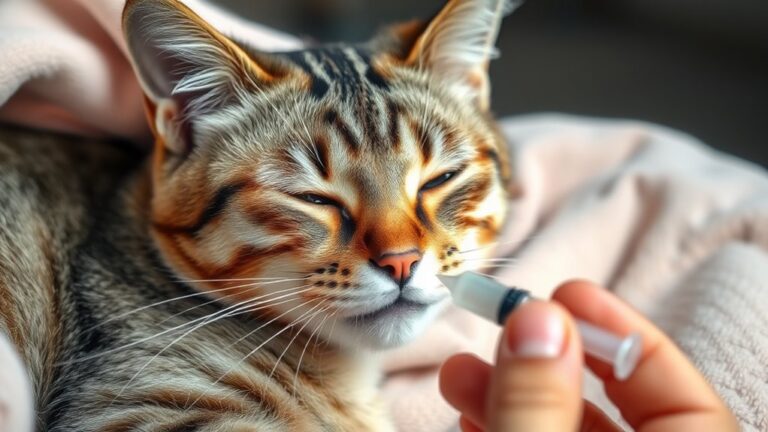
Maintain a warm, humid environment—placing a humidifier nearby can ease nasal congestion. Monitoring his behavior and offering gentle petting can provide comfort, but stop if he shows signs of discomfort.
Keep his feeding area clean and easy to access. Encourage him to stay hydrated by offering fresh water. Paying attention to his needs and keeping things peaceful will help ease his symptoms and keep him comfortable during this time.
When to Take Your Cat to the Vet for a Runny Nose
A runny nose in your cat signals that it’s time to see the vet if it lasts more than a few days, gets worse, or comes with other worrying symptoms. Seasonal changes can cause breathing issues, so watch for sneezing, coughing, or sluggishness along with the runny nose.
If your cat’s nose drips heavily during colder months, it might mean there’s an underlying issue needing vet attention. Also, poor diet can weaken your cat’s immune system, making infections more likely.
If you notice your cat losing appetite, losing weight, or discharges that won’t clear up, it’s best to see the vet right away. Early care helps keep your cat comfortable and stops minor problems from becoming serious.
Trust your instincts—if you’re unsure, getting a professional opinion is always the safest choice.
Simple Steps to Prevent Nose Dripping During Petting
To help keep your cat’s nose from dripping while you’re petting them, try wiping it gently and regularly to keep it clean. It’s a simple step that can make a big difference.
Also, using soft and calming petting techniques can really help. When your cat feels relaxed and not stressed, it’s less likely to have nose issues or irritation.
And don’t forget, making sure your cat stays well-hydrated is super important. Drinking enough water helps keep their nasal passages healthy and keeps them comfortable overall.
Regular Nose Cleaning
Gently cleaning your cat’s nose regularly can help prevent excessive dripping during petting sessions. Keeping your cat’s nose clean through good hygiene reduces dirt buildup that can trigger more mucus.
Here are three tips to get started:
- Use a soft, damp cloth or cotton ball to gently wipe around your cat’s nose, removing dust and discharge.
- Avoid harsh chemicals; stick to plain water or feline-safe wipes designed for sensitive skin.
- Do this consistently, especially if your cat has allergies or respiratory issues, to keep the nose clean and clear.
Regular nose cleaning not only helps prevent nose dripping but also supports overall feline hygiene. Keeping your cat’s nose clean minimizes discomfort and makes petting more enjoyable for both of you.
Gentle Petting Techniques
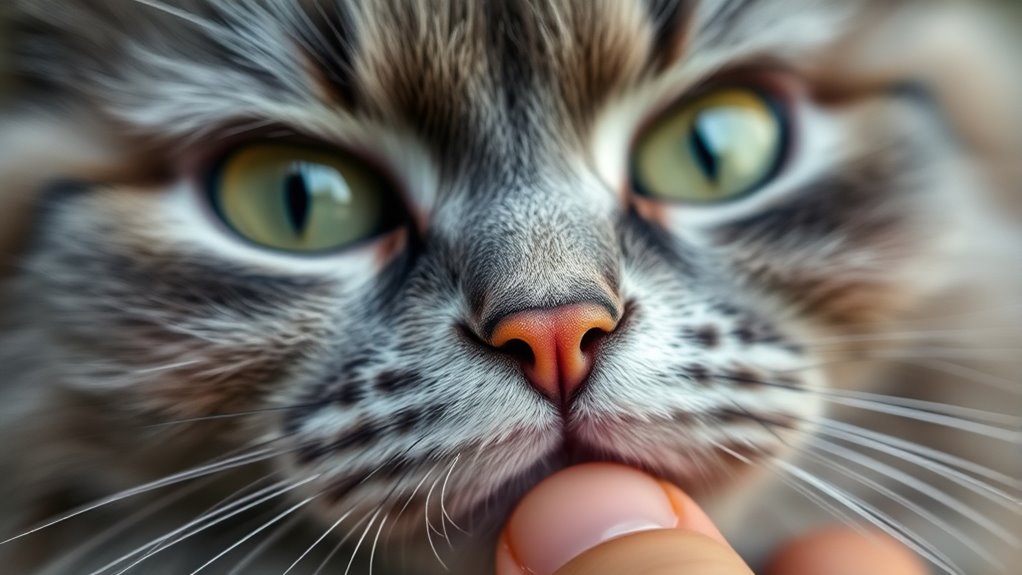
Implementing gentle petting techniques can really help reduce your cat’s nose dripping during affection. Use slow, gentle strokes instead of firm or rapid movements, which might startle or irritate your cat.
Focus on areas your cat prefers, like behind the ears or along the cheeks. Avoid sensitive spots like the nose or paws unless your cat seems comfortable with them.
Incorporate calming techniques, such as speaking softly or keeping a relaxed posture, to help your cat feel safe. Watch for their responses—if they seem tense or start sneezing, pause and give them some space.
Consistently using gentle strokes and calming methods builds trust and reduces stress. This can help prevent nose dripping caused by irritation or anxiety.
Maintain Proper Hydration
Proper hydration plays an essential role in preventing your cat’s nose from dripping during petting sessions. When your cat stays well-hydrated, it helps keep their mucus membranes healthy and reduces excessive nasal secretions.
To make sure your cat gets enough water, try these simple steps: provide fresh water daily and clean bowls regularly to encourage drinking. Offering wet cat food or adding water to dry kibble can also boost their fluid intake.
Additionally, placing multiple water sources around your home makes it more convenient for your cat to stay hydrated.
Frequently Asked Questions
Can a Runny Nose in Cats Be Contagious to Humans?
A runny nose in cats, often caused by a cold or respiratory infection, usually isn’t contagious to humans.
But some feline illnesses like certain strains of herpes or calicivirus can be zoonotic, meaning they could potentially infect people. This is especially true for those with weakened immune systems.
It’s a good idea to keep your cat isolated if they show symptoms and check with your vet. This way, you ensure proper care and keep everyone safe.
Does a Cat’s Nose Drip More When They Are Anxious?
Yes, your cat’s nose might drip more when they’re anxious. Anxiety symptoms like hiding or excessive grooming often come with stress that can increase nasal discharge.
When your cat feels stressed, their body reacts, causing a runny nose as part of their natural response. Don’t dismiss these signs—addressing their environment and offering comfort can help reduce both their anxiety and nasal symptoms.
Are Certain Cat Breeds More Prone to Nasal Drips?
Certain cat breeds are more prone to nasal drips because of their breed traits and genetics. Breeds like Persians and Himalayans often have flat faces, which can cause breathing problems and nasal drainage.
Environmental factors like dust or allergens can make these symptoms worse. If your cat has persistent nasal drips, think about breed characteristics and see a vet to check for other health issues.
Can Diet Affect My Cat’s Nasal Health?
Yes, your cat’s diet can influence his nasal health. Proper nutrition, including dietary supplements if advised by your vet, helps support immune function and mucous membrane health.
Ensuring good hydration levels keeps nasal passages moist, reducing drippiness. Avoid giving your cat foods that may cause allergies or irritation.
Regular feeding of balanced, high-quality food and encouraging hydration can help maintain his nasal health and reduce dripping when you pet him.
How Long Does a Typical Cold Last in Cats?
A typical cat cold usually lasts about 1 to 2 weeks, unless you’re dealing with a stubborn feline that refuses to get better. During this time, your kitty may show common cold symptoms like sneezing, nasal discharge, and watery eyes.
Feline respiratory infections can prolong the misery, so if symptoms persist beyond two weeks, it’s time to visit the vet. Remember, even cats deserve a little patience and proper care.
Conclusion
A runny nose in your cat can be a gentle whisper from their nose, signaling everything from allergies to infections.
It’s like a delicate dance of health—sometimes a simple misstep, sometimes a sign of a deeper issue.
By paying close attention and caring with gentle hands, you can help keep their nose—and their happiness—clear and bright.
Remember, your attentive touch is the key to turning their sniffles into smiles.
If your cat’s nose keeps dripping when you pet him, it’s worth keeping an eye on.
This could be a sign of allergies, a cold, or even something more serious.