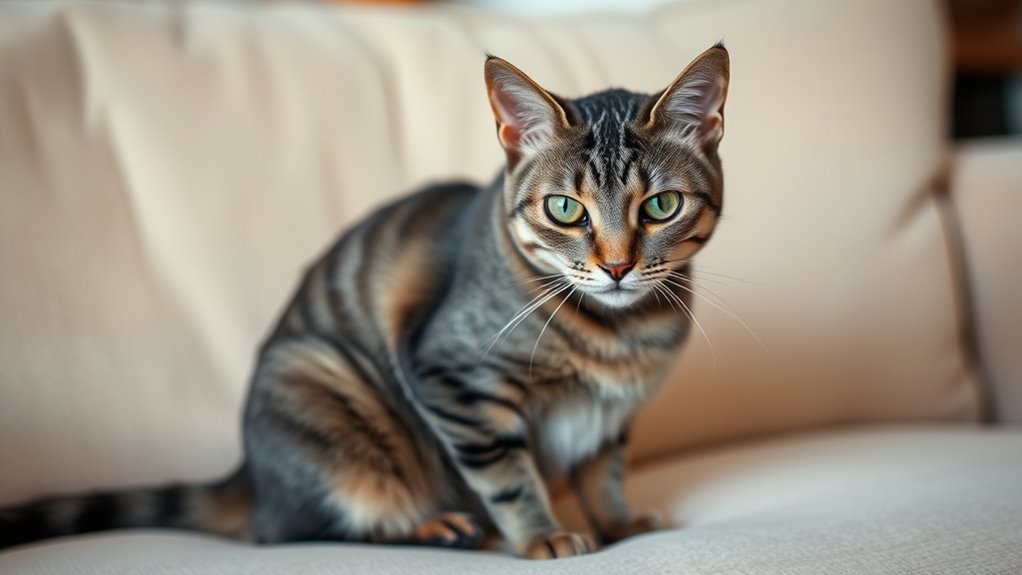
Why Won’t My Cat Let Me Pet Him?
Are you frustrated because your cat won’t let you pet him? You’re not alone—many cat owners struggle with building trust and getting their feline friends to relax around them.
It can feel like a mystery why some cats are so hesitant, but understanding their behavior is key. Your cat might avoid petting because they feel discomfort, fear, or pain, especially if they’ve had negative experiences or health issues.
Each cat has unique preferences and personalities, so some may need slow, gentle approaches or dislike certain areas being touched.
Environmental factors, like loud noises or chaos, can also make cats wary. To help your cat feel safe, understand their body language and be patient.
Keep exploring to uncover ways to build trust and comfort.
Key Takeaways
- Your cat might be feeling stressed, in pain, or uncomfortable, which can make him avoid being petted.
- Every cat has his own personality, and past bad experiences can make him wary of touch.
- Look for signs like tail flicking or flattened ears—these show he’s not interested in being petted right now.
- Noises or chaos in the environment can make your cat more nervous and less likely to want contact.
- Building trust slowly, using positive reinforcement, and respecting his boundaries can help him become more comfortable with petting.
Why Does My Cat Avoid Being Petted?
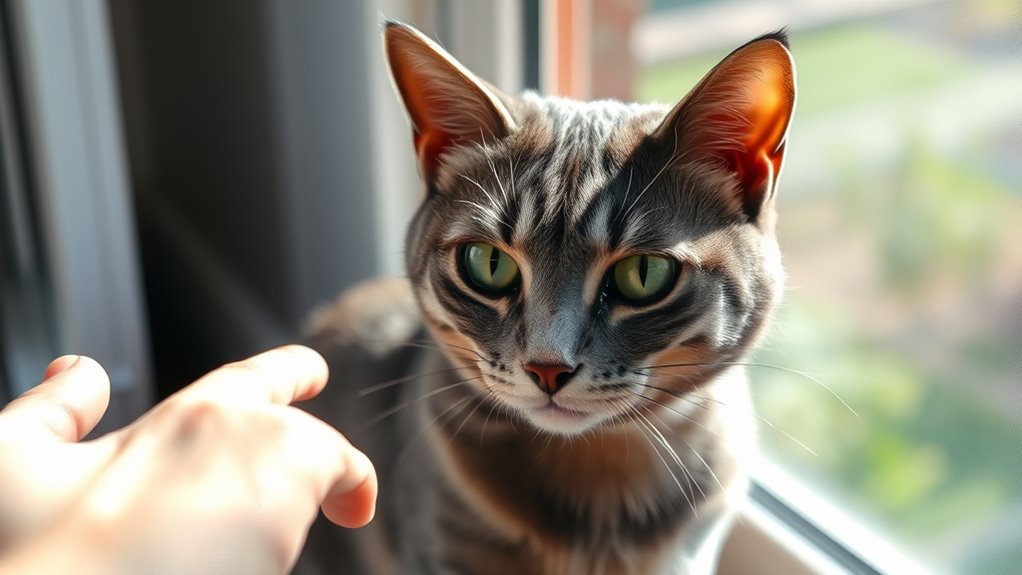
Have you ever wondered why your cat keeps pulling away when you try to pet him? It could be because of cat anxiety or just because your cat has specific petting preferences.
Some cats are more sensitive than others and may feel overwhelmed by too much touch or certain areas being brushed. If your cat experiences anxiety, he might avoid contact to reduce stress.
This doesn’t mean he doesn’t like you; it just means his comfort zone is different. Pay attention to his body language—if he tenses up or backs away, he’s signaling discomfort.
Remember, not all cats enjoy the same types of petting. Some prefer gentle strokes on the head, while others may dislike being touched at all.
Respect your cat’s boundaries and learn what makes him comfortable. Understanding his petting preferences can help you build trust and create a more positive bonding experience.
How to Recognize Your Cat’s Comfort and Caution
How can you tell if your cat feels comfortable or cautious around you? Pay close attention to their body language. A relaxed cat might purr, knead, or have their ears forward.
On the other hand, a cautious cat may crouch, flick their tail, or flatten their ears. Recognizing these signals helps you adjust your petting techniques so your cat feels safe and secure.
| Comfort Signs | Caution Signs |
|---|---|
| Purring, slow blinking | Tail flicking, hissing |
| Ears forward, relaxed body | Ears flattened, tense body |
| Kneading, leaning in | Trying to move away |
| Soft eyes, relaxed whiskers | Dilated pupils, growling |
Understanding Your Cat’s Unique Personality and Behavior
Every cat is a little different when it comes to personality. Things like their temperament, past experiences, and the environment they grew up in all play a role in shaping who they are. Because of this, some cats might love being petted, while others prefer to keep their distance.
Getting to know what makes your cat unique is really important. It helps you understand their boundaries and shows them that you respect what they’re comfortable with. Building this kind of trust makes your bond stronger and more enjoyable for both of you.
Individual Temperament Differences
No two cats are exactly alike when it comes to their personalities, and understanding this is key to building trust.
Your cat’s quirks influence how they respond to touch and closeness. Some cats are naturally more cautious or reserved, especially during different socialization stages.
Knowing these traits helps you respect their boundaries and avoid forcing interactions. They might prefer gentle, slow approaches, or need more time to trust new people.
Some cats only enjoy brief petting sessions, and their comfort levels can change from day to day. Recognizing subtle signals is essential for positive experiences.
Understanding your cat’s unique temperament allows you to adapt your approach, making them feel safe and respected. Over time, this encourages more affectionate behavior.
Past Experiences Influence
A cat’s past experiences play a big role in shaping their current behavior and how comfortable they are with being touched.
If a cat has had rough handling or negative encounters before, they might be wary or scared of being petted. These memories can lead to hesitation or even defensive reactions.
To build trust, use positive reinforcement like treats, a gentle voice, and calm movements when you’re near your cat. Over time, these good experiences can help undo some of the negative ones and make your cat feel safer.
Remember, patience is really important because every cat processes their past differently. By understanding that their behavior may come from previous trauma, you can approach them with empathy and consistency.
Gradually, this can help encourage your cat to feel more comfortable and willing to be touched.
Environmental and Social Factors
Understanding your cat’s unique personality and social environment is key to figuring out why they might be hesitant to be petted. Environmental stimuli, like loud noises or sudden movements, can make your cat nervous and less receptive to touch.
Their socialization experiences also play a role. Cats that haven’t been exposed to gentle handling early on may be more wary. Factors such as previous negative interactions or lack of positive social encounters can influence their comfort level.
Recognizing these influences helps you tailor your approach. Sudden noises or movements in their environment, lack of early positive socialization experiences, and previous negative interactions with humans are all important.
The presence of other animals causing stress and changes in their living space or routine can also impact their comfort. Understanding these factors helps build trust and encourages gentle petting over time.
Could Health Issues Be Making Your Cat Uncomfortable?
Noticing that your cat suddenly doesn’t want to be petted anymore? That could be a sign they’re feeling uncomfortable or in pain. Keep an eye out for other clues like limping, hiding more often, or changes in their eating habits. These little signs can sometimes point to health issues that need attention.
If you do notice any of these signs, it’s a good idea to reach out to your vet sooner rather than later. Getting them checked out can help keep your furry friend comfortable and healthy. After all, they rely on us to look out for their well-being!
Signs of Physical Discomfort
Cats often hide signs of discomfort, so it’s important to pay close attention to their behavior. Changes in their body language can be subtle clues that something’s wrong.
Pain indicators include restlessness, limping, or vocalizing more than usual. You might notice your cat grooming habits change—either over-grooming or neglecting grooming altogether. Both can signal discomfort.
Other signs include hiding more often, avoiding interaction, or showing sensitivity to touch in certain areas. These behaviors suggest your cat isn’t feeling well and may be experiencing physical discomfort.
Recognizing these signs early helps you address health issues before they worsen. Keep an eye out for:
- Unusual grooming or lack of grooming
- Hiding or withdrawal
- Sudden aggression
- Changes in posture
- Increased vocalization
Common Health Conditions
Many common health conditions can make your cat feel uncomfortable and lead to behavioral changes, like avoiding petting or becoming more irritable.
Health anxiety might make your cat wary of contact, while allergy symptoms and skin irritations cause discomfort that discourages touch.
Arthritis pain can make movement painful, leading your cat to avoid petting altogether.
Dental issues and gastrointestinal problems cause internal discomfort, which can affect your cat’s mood and behavior.
Neurological conditions may change how your cat perceives touch or responds to stimuli.
Behavioral disorders linked to health issues can also cause increased irritability or withdrawal.
Noticing these signs helps you understand that your cat’s reluctance to be petted might be due to underlying health problems, not just temperament.
When to Seek Veterinary Help
When your cat suddenly stops enjoying being petted or becomes more irritable, it’s a sign that something might be wrong. Pay attention to veterinary signs and stress indicators, which can signal underlying health issues. If your cat shows persistent discomfort, avoids contact, or changes behavior, it’s time to see a vet.
Consider seeking help if your cat has visible pain or sensitivity when touched, or if you notice sudden weight loss or gain. Lack of appetite, vomiting, or diarrhea are also warning signs.
Other signs include unusual aggression or withdrawal, as well as respiratory distress or lethargy. Ignoring these cues can make health problems worse. Getting prompt veterinary care helps keep your cat comfortable and can catch health issues early.
Trust your instincts and don’t hesitate to consult a professional if you’re unsure.
How Environmental Factors Affect Your Cat’s Willingness to Be Pet
Environmental factors can really influence how willing your cat is to be petted, often without you realizing it. A stimulating environment with toys or scratching posts can boost your cat’s confidence and make them more comfortable.
Stress reduction is crucial. Loud noises, sudden routine changes, or chaotic settings can make your cat wary of interactions. Providing safe spaces where your cat can retreat helps them feel secure.
Quiet environments and consistent routines encourage relaxed behavior, making your cat more receptive to petting. Outdoor influences like unfamiliar animals or sights can increase stress and hesitation.
Social interactions with other pets or people should be gradual, with positive reinforcement when your cat approaches calmly. Gentle petting or soothing sounds can also help improve their comfort.
Reading Your Cat’s Body Language During Interaction
When you’re interacting with your cat, it’s helpful to pay attention to what their tail is telling you. If you notice it twitching or puffed up, it might be a sign that your cat is feeling uncomfortable or a bit stressed out.
Also, keep an eye on their ears. Ears pointing forward usually mean your kitty is curious or interested, but if they’re flattened against their head, it could be a sign that they’re feeling agitated or scared.
And don’t forget to listen to their vocal cues. Purring often indicates contentment, while hissing is a clear sign that your cat is feeling threatened or upset. By tuning into these little signals, you can better understand how your cat is feeling during your interactions.
Watch Tail Movements
Watching your cat’s tail movements can tell you a lot about how they’re feeling during interaction. Tail signals are a big part of understanding what your feline friend is trying to communicate.
A gently swaying or relaxed tail shows your cat is comfortable and open. On the other hand, a puffed or bristled tail signals fear or agitation.
If your cat’s tail flicks quickly or lags behind, they might be annoyed or unsure. A low, tucked tail suggests submission or insecurity.
An upright tail can show confidence or curiosity.
A slow, gentle sway indicates calmness, while rapid flicking might mean impatience or irritation.
A puffed-up tail is usually a sign of fear or defensiveness. If the tail is tucked, your cat might feel insecure.
And when the tail is held high, it’s often a sign of confidence or interest.
Observe Ear Positions
Your cat’s ear positions can tell you a lot about how they’re feeling during interaction. In feline communication, ear position is a key indicator of their mood. When your cat’s ears are forward, they’re showing curiosity or friendliness, and they’re open to petting.
If their ears are slightly to the side or relaxed, they might be comfortable but cautious. But if their ears are flattened or turned back, it’s a clear sign they’re stressed or annoyed, and they need space.
Pay close attention to these subtle cues during interaction. By observing ear position, you’ll better understand your cat’s feelings and avoid pushing them into discomfort or aggression. Recognizing these signals helps build trust and creates a more positive bonding experience.
Note Vocal Cues
Vocal cues are a key part of understanding how your cat feels during interaction. Listening to their sounds helps you figure out if they’re comfortable or stressed. Pay attention to the tone, pitch, and volume of their vocalizations.
For example, soft purring usually means relaxation, while hissing shows fear or aggression. Notice if your cat’s meows get repetitive or sharp — that can indicate annoyance or discomfort.
Cats use vocal cues to communicate their mood beyond body language. Gentle, rhythmic purring shows contentment, while sharp, loud meows suggest urgency or distress.
Hissing or growling signals displeasure, and quiet, minimal sounds often mean they want to withdraw. Repetitive vocalizations can mean frustration or that they’re seeking attention.
How to Gently Pet Your Cat and Build Trust
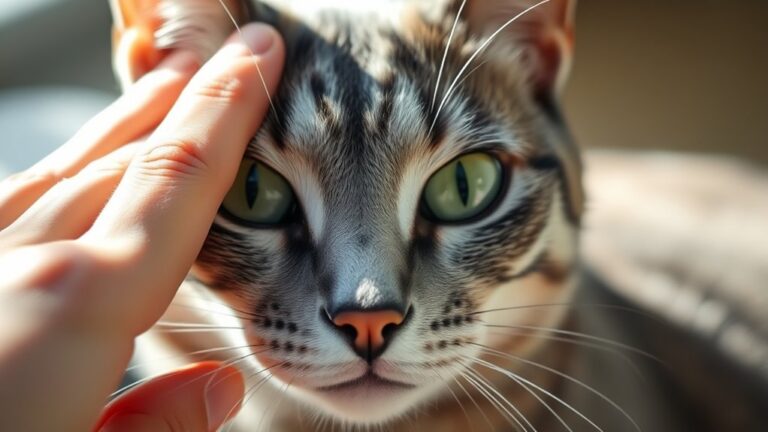
Gently petting your cat and building trust takes patience and sensitivity to what they like. Start with slow, soft strokes on spots most cats enjoy, like the chin, cheeks, or behind the ears.
Watch your cat’s body language closely. If they seem tense or pull away, respect their signals and give them some space. Trust-building is about consistency and calmness.
Pay attention to your cat’s signals; respect their space to foster trust and calmness.
Keep your interactions calm and regular to help your cat feel safe. Avoid sudden movements or loud noises that could startle them. Let your cat come to you first.
Don’t force petting if they’re hesitant. Over time, gentle and positive experiences will help your cat see your touch as safe and comforting. Remember, patience is key.
Trust builds gradually through repeated gentle interactions that respect your cat’s boundaries.
Common Mistakes That Make Cats Reluctant to Be Petted
Making common mistakes can easily turn your cat away from being petted. If you rush into petting or use improper techniques, your cat may feel uncomfortable or threatened. Over time, this can lead to reluctance or even fear of being touched.
Avoid sudden movements, loud voices, or touching sensitive areas like the belly or tail, which can cause stress. When grooming your cat, watch their body language to see if they’re comfortable.
Here are some mistakes to avoid:
- Ignoring warning signs like tail flicks or flattened ears
- Petting too aggressively or too quickly
- Focusing only on one area, like the head, without checking for comfort
- Not respecting your cat’s boundaries or personal space
- Using rough or inconsistent petting techniques
When to Consult a Veterinarian or Behaviorist
Sometimes, despite your best efforts to pet your cat appropriately, they remain fearful or resistant to being touched. If this continues or gets worse, it’s time to consider consulting a vet behaviorist.
Look out for signs like extreme aggression, persistent hiding, or sudden changes in behavior, which could point to underlying issues. These signs suggest your cat’s discomfort might come from pain, anxiety, or past trauma.
Watch for aggression, hiding, or sudden behavior changes indicating underlying pain, anxiety, or trauma.
A vet behaviorist can thoroughly assess your cat’s situation and create a personalized plan to help them feel more comfortable with handling.
Don’t wait for the problem to get worse—early intervention can prevent long-term behavioral issues.
If your cat’s reactions seem severe or inconsistent, or if their reluctance to be petted affects their well-being, seeking professional help is the next responsible step.
Getting guidance from a specialist ensures you’re addressing the root cause and helping your cat feel safe and secure.
Creating a Safe Space to Help Your Cat Feel Comfortable With Handling
Creating a safe space is essential for helping your cat feel comfortable with handling. This space gives them a sense of security, encouraging trust and reducing stress.
To set up an effective safe zone, choose a designated area with familiar items and keep noise levels low. Using calming scents like lavender or pheromone diffusers can help your cat relax.
Make sure the space has cozy bedding and access to essentials like water and toys. Keep handling sessions short and positive, gradually helping your cat become more comfortable.
Watch your cat’s reactions and respect their boundaries. Reinforce good behavior with gentle praise and treats to build confidence.
Remember, patience is key. Your goal is to help your cat associate handling with safety and comfort.
Frequently Asked Questions
How Can I Tell if My Cat Is Stressed During Petting?
You can tell if your cat is stressed during petting by watching its body language and behavior. Look for signs like tail flicking, flattened ears, or dilated pupils.
If your cat starts to tense up, pulls away, or shows aggressive behavior, that’s a clear sign they’re uncomfortable. Pay attention to these cues to keep your cat relaxed.
Always respect your cat’s boundaries to build trust and make sure they stay comfortable during petting sessions.
What Are Signs My Cat Is Overstimulated?
Your cat’s body stiffens, ears flatten, and tail flicks rapidly—that’s a clear sign she’s overstimulated. Her behavior shifts from relaxed to tense, with pupils dilating and whiskers twitching.
You might notice her biting or scratching, which means she’s reached her limit. When these signs show up, it’s best to stop petting and give her space to relax.
Recognizing these cues helps you respect her boundaries and keeps your bond strong.
How Do I Introduce Petting to a Shy or Fearful Cat?
To introduce petting to a shy or fearful cat, use a gentle approach and always respect their boundaries. Start by offering a safe space where they feel secure, like a cozy bed or a quiet corner.
Gradually extend your hand, letting them come to you. Use soft words and slow movements. Don’t force petting—let them decide when they’re ready.
Over time, your cat will learn to trust you and enjoy gentle touch. Patience is key—every small step counts in building their confidence.
Can Past Trauma Affect My Cat’s Willingness to Be Petted?
Yes, past trauma can affect your cat’s willingness to be petted. A trauma response might cause your cat to react with fear or aggression, especially if they associate touch with negative experiences.
Pay close attention to behavioral cues like flattened ears, tail flicks, or hissing. Understanding these signs can help you respond gently and rebuild trust.
What Are Alternative Ways to Bond With My Cat?
Think of your cat as a wary adventurer, uncovering trust over time. You can bond through playtime activities and interactive toys, which encourage positive interactions without forcing contact.
Engage your cat with wand toys or puzzle feeders, allowing them to approach at their own pace. This way, your cat can build confidence naturally.
This approach deepens your connection and turns shared moments into a dance of trust that feels natural and stress-free for both of you.
Conclusion
Remember, your cat’s reluctance isn’t just stubbornness. It’s often a sign of comfort or health issues. Some believe cats instinctively avoid being petted to protect themselves, but studies show they can learn to trust with patience and gentle handling.
By understanding their cues and respecting their boundaries, you can build a stronger bond. With time and care, your cat might just surprise you and start seeking your touch more often.
If your cat won’t let you pet him, keep in mind that building trust takes patience. Sometimes, it’s just about giving him space and letting him come to you on his own terms.
Remember, understanding why your cat won’t let you pet him is key. It’s all about creating a safe environment where he feels comfortable and secure.