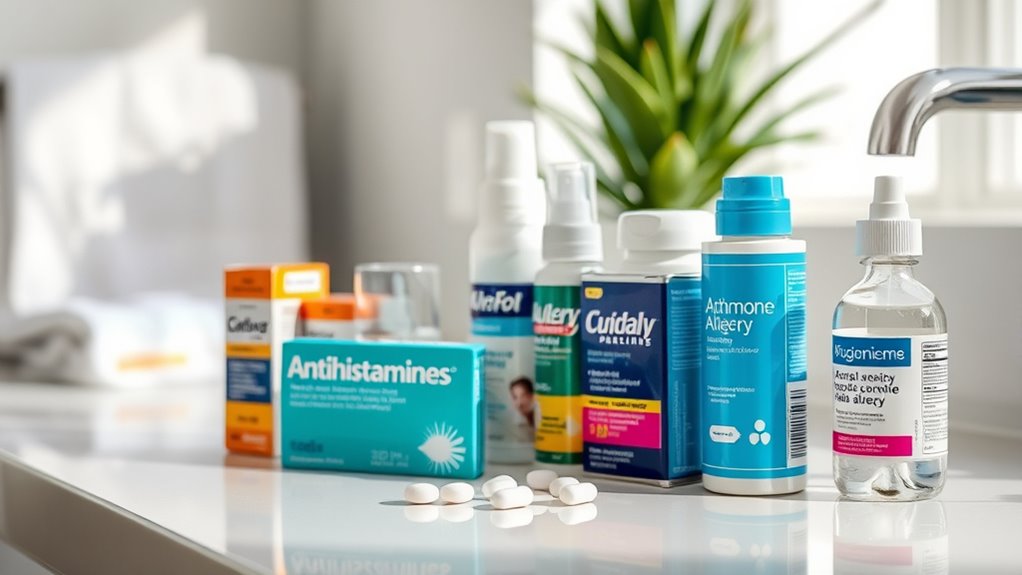
Best Allergy Medicines for Cat Allergies
Many people struggle with cat allergies, especially when their furry friends bring joy—and sneezes—into their daily lives.
If you’re tired of dealing with constant sneezing, itchy eyes, and a runny nose, you’re not alone. Finding the right allergy medicines can make a big difference.
If you’re looking for the best allergy medicines for cat allergies, antihistamines like loratadine and cetirizine can help relieve sneezing, runny nose, and itchy eyes quickly.
Nasal sprays such as fluticasone reduce inflammation, while options like leukotriene receptor antagonists may provide longer-term relief.
Make sure to store your medications safely and monitor for side effects.
To learn more about how to manage your symptoms effectively, stay with us for more helpful tips.
Key Takeaways
- Over-the-counter antihistamines like loratadine and cetirizine can quickly relieve allergy symptoms.
- Nasal corticosteroid sprays such as fluticasone help reduce nasal inflammation caused by cat allergies.
- Immunotherapy, or allergy shots, might provide long-term relief if your symptoms are persistent or severe.
- Storing your medication properly and watching for side effects is key to staying safe and effective.
- Talking to an allergist can help you find the best treatment plan and manage ongoing or severe symptoms.
What Are Cat Allergies and How Do They Affect You?
If you’re allergic to cats, it’s usually because of proteins found in their skin cells, saliva, and urine. These proteins act as triggers for allergy symptoms, causing your immune system to react.
When exposed to these proteins, your body mistakenly thinks they’re threats and releases chemicals like histamine. That’s what causes common allergy symptoms like sneezing, itchy eyes, and a runny nose.
Exposure to these proteins triggers your immune system to release histamine, causing sneezing and itchy, watery eyes.
Your immune system overreacts, which is what makes allergy symptoms so uncomfortable. The severity can vary from person to person, depending on how sensitive your immune response is.
Some people might only have mild symptoms, while others could face more intense reactions. Understanding what triggers your symptoms is key to managing your allergy.
Knowing how your immune system reacts helps you identify the specific triggers. This knowledge is essential for choosing the right allergy medicines and developing strategies to reduce exposure.
What Are the Common Symptoms of Cat Allergies?
Cat allergies often show up through a bunch of symptoms that can affect your eyes, nose, skin, and breathing. You might find yourself sneezing, having a runny or stuffy nose, or dealing with itchy, watery eyes. Skin rashes can also happen.
These symptoms can be mild or pretty intense, and they can really impact your daily comfort and routine. Spotting these signs early is helpful for managing them better and knowing when it’s time to see a doctor for allergy testing.
Getting familiar with common symptoms can also help prevent misdiagnosis and ensure you get the right treatment. You might notice persistent sneezing or coughing, itchy or red eyes, skin irritation, or stuffy noses.
If these symptoms keep happening or feel really strong, it’s a good idea to see an allergist. Proper testing can help you find targeted treatments and learn how to cut down on exposure to allergens, making life easier and more comfortable.
Natural Remedies and Lifestyle Changes to Reduce Cat Allergy Symptoms
Implementing natural remedies and making simple lifestyle changes can greatly reduce your allergy symptoms and improve comfort around cats. One effective approach is incorporating natural supplements, such as quercetin or butterbur, which may help stabilize your immune response.
Furthermore, adjusting your diet can make a difference. Reducing intake of processed foods and increasing anti-inflammatory foods like fruits, vegetables, and omega-3 rich fish can help lessen allergy symptoms.
Regularly cleaning your home, especially vacuuming with a HEPA filter and washing bedding frequently, minimizes allergen buildup. Creating cat-free zones, like your bedroom, helps reduce exposure during sleep.
Using air purifiers can also improve indoor air quality. Small changes like washing your hands after pet contact and avoiding touching your face further minimize allergen transfer.
These natural remedies and lifestyle adjustments empower you to manage symptoms proactively, making your environment more comfortable and reducing reliance on medications.
What Are the Best Over-the-Counter Medicines for Cat Allergies?
Are over-the-counter medications effective options for managing cat allergy symptoms? Yes, many people find relief using these products.
Over-the-counter antihistamines help block the allergic response, reducing sneezing, itching, and runny noses. Allergy nasal sprays can provide targeted relief by reducing inflammation directly in your nasal passages. But it’s important to choose the right medication based on your symptoms and lifestyle.
Consider these points:
- Antihistamines like loratadine or cetirizine are quick and effective for daily allergy management.
- Nasal sprays such as fluticasone offer longer-lasting relief when used regularly.
- Combination products may include both antihistamines and decongestants for more thorough symptom control.
Always follow dosing instructions and consult a healthcare professional if symptoms persist.
Over-the-counter options can be convenient and effective, but knowing which to choose can make a big difference in managing your allergy symptoms.
Which Prescription Medications Help With Cat Allergies?
Wondering which prescription medications can effectively combat cat allergy symptoms? You have several options, including antihistamines, nasal corticosteroids, and leukotriene receptor antagonists.
These medications can be prescribed to reduce sneezing, itching, and nasal congestion. For long-term relief, immunotherapy options like allergy shots may be recommended.
Medications and allergy shots can help reduce sneezing, itching, and congestion from cat allergies.
Immunotherapy gradually trains your immune system to tolerate cat allergens, offering potentially lasting relief. When considering medication timing, it’s best to start treatments before allergy season or exposure to cats, as prescribed by your doctor.
Some medications work quickly, providing immediate symptom relief, while others need consistent use over time. It’s essential to follow your healthcare provider’s guidance on dosage and timing to maximize effectiveness.
Prescription medications can considerably improve your quality of life, especially when combined with other allergy management strategies. Always consult your doctor to determine the best plan tailored to your allergy severity.
How Do Different Allergy Medications Compare in Effectiveness?
Different allergy medications can really differ in how quickly they start working and how well they keep your symptoms in check over time. Some medicines kick in pretty fast, giving you quick relief from those immediate discomforts. Others might take a bit longer to show results but are great for managing symptoms in the long run.
Getting to know these differences can help you pick the right treatment for what you need, whether you’re looking for quick relief or more sustained control.
Rapid Relief Capabilities
Regarding quickly alleviating allergy symptoms caused by cats, the effectiveness of medications varies considerably. Some options provide rapid relief techniques, allowing you to manage symptoms almost immediately.
Antihistamines like loratadine or cetirizine often deliver quick symptom management, reducing sneezing and itching within hours. Decongestants, such as pseudoephedrine, can clear nasal passages fast but may have side effects.
Nasal sprays like fluticasone act swiftly to reduce inflammation but might take a day or two for full effect. Understanding medication onset times can help you find faster relief.
You can also combine antihistamines with decongestants for immediate comfort. Use nasal sprays for targeted, fast-acting relief, and keep quick symptom management options accessible during allergy flare-ups.
Long-Term Control Efficacy
When considering long-term control of cat allergies, the effectiveness of medications varies based on their active ingredients and how they target allergy symptoms.
For long-term management, antihistamines can reduce ongoing allergy symptoms but may not fully modulate your immune response. Nasal corticosteroids often provide better control over chronic inflammation, helping to decrease sensitivity over time.
In some cases, allergy immunotherapy, or allergy shots, can change your immune response. It offers sustained relief by gradually desensitizing you to cat allergens.
While antihistamines and corticosteroids focus on symptom relief, immunotherapy aims for long-term control by addressing the root cause.
Choosing the right medication depends on your allergy severity, response, and whether you prefer ongoing management or just symptom suppression.
Safety Tips for Using Allergy Medications Around Cats
Make sure to keep your allergy medications somewhere your cat can’t reach. Cats are curious little creatures, and accidental ingestion can be dangerous for them.
It’s also a good idea to keep an eye on your cat after you start a new medication. Watch for any weird behaviors or side effects, and don’t hesitate to contact your vet if something seems off.
Staying cautious like this helps keep both you and your furry friend safe while you’re managing your allergies.
Medication Storage Precautions
To keep your cat safe, store allergy medications securely and out of their reach. Proper storage helps prevent accidental ingestion and keeps the medication effective.
Always check the recommended storage temperature to avoid spoilage, which can affect safety and efficacy. Use child safety caps to stop curious paws or hands from getting to the medications.
Keep medications in a high, locked cabinet away from children and pets. Avoid storing drugs in bathrooms or warm areas where humidity and heat can break them down.
Storing medications in designated containers helps prevent mix-ups and accidental ingestion. Remember, maintaining the right temperature and prioritizing safety are key to protecting your cat and ensuring the medications work properly.
Monitoring for Side Effects
Monitoring your cat closely after giving allergy medications is really important because some drugs can cause side effects that impact their health or behavior. Keep an eye out for signs like excessive drooling, lethargy, vomiting, or changes in appetite.
To avoid complications, stay alert to potential drug interactions, especially if your cat is on other treatments. Here’s a quick reference to help you recognize and respond to common side effects:
| Symptom to Watch | Possible Cause | Action Needed |
|---|---|---|
| Lethargy | Side effect | Contact your vet right away |
| Vomiting | Medication interaction | Adjust the dose or stop medication |
| Excessive drooling | Side effect | Seek veterinary advice |
Regularly monitoring for side effects helps ensure your cat stays safe and comfortable while on allergy medication.
When Should You See an Allergist About Your Cat Allergies?
Wondering if it’s time to see an allergist about your cat allergies? Consider scheduling a consultation if your allergy symptoms are persistent or severe enough to disrupt your daily life.
If over-the-counter medicines aren’t helping, a professional can help identify the specific allergens and create a tailored treatment plan. You should also see an allergist if your symptoms worsen or if you develop new reactions despite your current efforts.
Seek an allergist if medications fail or symptoms worsen, to identify triggers and tailor effective treatment plans.
Your symptoms interfering with sleep, work, or daily activities is a sign you should seek help. Difficulty breathing or chest tightness are also important warning signs.
If allergy symptoms stick around even after taking medications or if you notice increased sensitivity or new reactions, it’s time to get professional advice.
An allergist can perform tests to find out exactly what’s triggering your allergy and recommend personalized solutions. Early consultation can help you get the right treatment, avoid complications, and improve your quality of life.
Don’t wait until your symptoms become unmanageable—reach out when your allergies start taking over your daily routine.
What Are the Side Effects of Common Cat Allergy Treatments?
Are you aware of the potential side effects linked to common treatments for cat allergies? Many medications can cause side effects that range from mild to more serious.
For example, antihistamines might make you drowsy or cause dry mouth. Nasal sprays can sometimes lead to nasal irritation or bleeding.
Some allergy pills could also interact with other medications, increasing the chance of side effects. Always talk to your healthcare provider to understand the risks before starting a new treatment.
Tips for Combining Medications and Lifestyle Changes to Minimize Allergies
To effectively manage your cat allergies, combining medication with lifestyle changes can make a big difference. Medications alone might not fully control symptoms, especially if there are interactions or improper use.
Managing cat allergies effectively involves combining medications with lifestyle adjustments for better relief.
Incorporating lifestyle adjustments can help reduce allergen exposure and improve how well your treatment works.
Consider these tips:
- Regularly clean your home, especially bedding and furniture, to cut down on cat dander buildup.
- Use HEPA air purifiers to filter airborne allergens effectively.
- Designate cat-free zones to limit exposure in your living space.
- Talk to your healthcare provider about possible medication interactions before trying new treatments.
Frequently Asked Questions
Can Allergy Medicines Completely Eliminate Cat Allergy Symptoms?
Allergy medicines can’t completely eliminate cat allergy symptoms, but they can greatly reduce them. You might want to look into natural remedies alongside medications to help ease your symptoms.
Allergy testing can pinpoint specific triggers, helping you manage exposure better. Combining antihistamines, nasal sprays, and lifestyle changes often provides the best relief.
Are There Any Long-Term Effects of Using Allergy Medications Regularly?
Using allergy medications regularly generally has good long-term safety, but you should talk to your doctor to watch for any potential issues.
Most medications don’t cause dependence, but overusing decongestants or antihistamines could lead to side effects or lessen their effectiveness over time.
Make sure to follow the dosing instructions and have regular check-ins with your healthcare provider to keep your allergy management safe and effective.
Can Allergy Medicines Be Used Safely With Other Medications?
Yes, you can generally use allergy medicines safely with other medications, but it’s important to be aware of potential drug interactions. Some allergy medicines may interfere with other drugs, affecting how they work or causing side effects.
Make sure to follow dosage instructions carefully. It’s also a good idea to check with your healthcare provider or pharmacist before combining medications. They can help you understand any risks and ensure safe use based on your specific health situation.
How Quickly Do Allergy Medicines Typically Start Working?
Most allergy medicines start working within 30 minutes to an hour, giving you quick relief from symptoms.
The time it takes to feel better depends on the type of medication. Antihistamines usually work fast, while nasal sprays or corticosteroids might take a few days.
If you’re taking oral antihistamines for cat allergies, you should notice relief pretty soon. This can help you breathe easier and feel less uncomfortable quickly.
Are There Any Age Restrictions for Allergy Medicines for Cats?
Think of age restrictions for allergy medicines as guardrails guiding your cat’s health journey.
Generally, age guidelines vary depending on medication types, with some safe for kittens as young as 8 weeks, while others are reserved for adult cats.
Always consult your veterinarian before giving any medication, as they’ll guarantee the treatment aligns with your cat’s age and health needs, steering clear of potential risks.
Conclusion
Steering through cat allergies may feel like dancing through a gentle rain—sometimes soothing, sometimes a little tricky.
By choosing the right medicines, embracing lifestyle tweaks, and knowing when to seek expert guidance, you can clear the path to comfort.
Think of it as tending a delicate garden: with patience and care, you’ll nurture a space where both you and your feline friend can thrive.
Basking in the warm glow of harmony and understanding, you’ll find ways to manage your allergies effectively.
Using the best allergy medicines for cat allergies can make a big difference.
With the right approach, you can enjoy your time with your cat without constantly battling allergy symptoms.