7 Reasons You Should Get Pet Insurance for Your Indoor Cat
Many cat owners worry about unexpected veterinary bills that can catch them off guard. You’re not alone—keeping your indoor cat healthy while managing costs is a common challenge.
Getting pet insurance for your indoor cat is a smart move because it protects you from high veterinary bills due to health issues like obesity, dental problems, or emergencies.
It covers routine wellness, preventive care, and unexpected accidents or illnesses, providing peace of mind.
Plus, it helps manage long-term health costs as your cat ages.
If you want to uncover how to choose the best coverage and maximize benefits, keep exploring these essential reasons.
Key Takeaways
- Protect your indoor cat from unexpected health issues and costly emergency veterinary bills.
- Make sure routine wellness care like vaccinations and dental hygiene are covered for early health detection.
- Gain peace of mind with finances during urgent situations, so you can get quick treatment without delay.
- Manage long-term health costs with predictable premiums, especially as your cat gets older.
- Pick the right policy to get the most benefits and keep your indoor cat healthy and protected throughout its life.
Why Indoor Cats Need Pet Insurance
Even indoor cats face health risks that can lead to unexpected and costly veterinary bills. While they’re less exposed to outdoor dangers, health issues like obesity, dental disease, and allergies still pose threats. These problems often need prompt treatment, which can add up quickly.
Plus, behavioral issues such as stress or anxiety can lead to destructive habits or health problems. Sometimes, professional help is needed to manage these issues. Without insurance, you might hesitate to seek care immediately, risking worse conditions and higher costs later.
Behavioral issues like stress or anxiety may require professional help; insurance ensures prompt, affordable care for your indoor cat.
Pet insurance provides financial protection, making sure your cat gets the care it needs without delay. Even if your cat stays indoors, accidents like ingesting toxic plants or objects, or sudden illnesses, can happen anytime.
Having coverage means you’re prepared for these unpredictable health risks and behavioral issues. It gives you peace of mind and helps you provide the best care for your beloved pet.
What Does Pet Insurance Cover for Indoor Cats?
Pet insurance for indoor cats can really give you peace of mind. If your kitty gets sick or has an accident, it can help cover those unexpected medical bills. That way, you’re not caught off guard when emergencies happen.
Plus, many plans also include routine wellness care. So, things like vaccinations, check-ups, or dental cleanings might be covered, helping you keep your cat happy and healthy. It’s a great way to stay on top of your furry friend’s health without worrying too much about the costs.
Of course, some policies offer accident coverage for those unforeseen incidents that might occur inside your home. Knowing exactly what’s included can help you pick the best plan to keep your indoor cat safe and well-cared for.
Emergency Medical Treatments
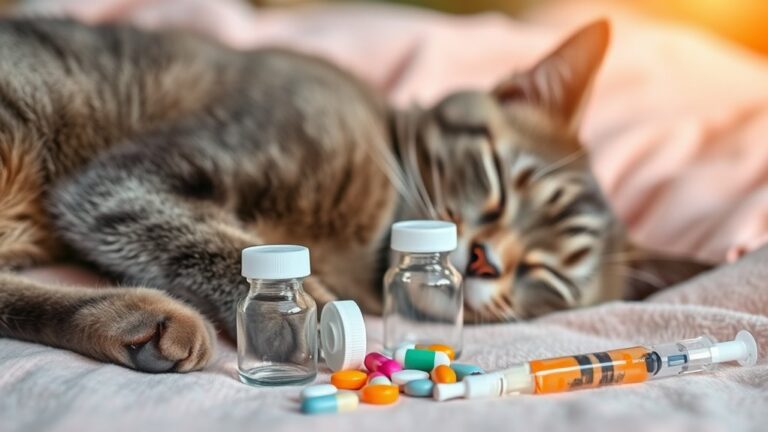
Have you ever wondered what emergency medical treatments your indoor cat’s insurance might cover? If an urgent situation arises, pet insurance provides essential emergency preparedness and financial protection. It typically covers treatments like accidents, ingestion of toxic substances, sudden injuries, or acute illnesses that need immediate care.
This coverage ensures you won’t face overwhelming expenses during stressful moments. With insurance, you can get prompt veterinary attention without hesitation, knowing that costs are manageable. Emergency treatments can be costly, and emergencies happen quickly.
Having coverage gives you peace of mind, knowing your cat can get the care it needs right away. This financial safety net helps you focus on your pet’s recovery instead of worrying about how to pay the bills during emergencies.
Routine Wellness Care
While emergency treatments address urgent health issues, routine wellness care focuses on maintaining your indoor cat’s long-term health. Pet insurance can help cover preventive care like vaccinations, dental cleanings, and regular health screenings.
These routine visits catch potential problems early, saving you money and stress down the line. With coverage for wellness exams, parasite prevention, and nutritional advice, you can guarantee your cat stays happy and healthy.
Preventive care is essential for avoiding costly treatments later, and insurance can make these services more affordable. By investing in routine wellness care, you’re actively supporting your cat’s well-being and longevity.
Many plans now include coverage for these regular checkups, making it easier to keep your indoor cat in peak health.
Accident Coverage Options
Accidents can happen unexpectedly, even to indoor cats who rarely venture outdoors. Pet insurance for accident coverage helps protect your feline from sudden injuries. It often includes:
- Emergency vet visits for injuries like broken bones or bites
- Surgery costs resulting from accidental trauma
- Diagnostic tests to determine the extent of injuries
While accident prevention is key, insurance guarantees you’re financially prepared. Keep in mind that coverage limits vary, so review your plan to understand what’s included. Some policies cap payouts for specific incidents, helping you avoid surprise expenses.
If your indoor cat gets hurt in a fall, gets into a fight, or suffers a cut, accident coverage can save you from hefty vet bills. It’s a crucial safeguard, giving you peace of mind knowing your beloved pet is protected from unforeseen mishaps.
The Benefits of Routine Wellness Plans for Indoor Cats
Routine wellness plans are essential for maintaining the health of your indoor cat, helping to catch potential issues early before they turn serious. These plans ensure your cat’s dietary needs are met with proper nutrition, supporting overall health and energy levels.
Regular check-ups also promote preventive care, catching health concerns before they escalate. Focusing on behavioral health helps you spot and address any changes in your cat’s mood or activity, keeping them happy and stress-free.
Incorporating enrichment activities and fitness routines keeps your cat mentally stimulated and physically active, reducing boredom and related issues. Dental hygiene is another critical aspect, preventing infections and maintaining fresh breath.
How Pet Insurance Protects Against Emergencies and Accidents
Pet insurance is really helpful when your indoor cat suddenly gets sick or has an accident. It can cover those unexpected costs that pop up, so you don’t have to worry about how to pay for it all out of pocket. Think of it as a safety net that’s there when you need it most.
Having insurance means your cat can get quick, quality care during emergencies without it breaking the bank. It’s a great way to stay prepared for those surprise moments and gives you peace of mind, knowing you’re protected when the unexpected happens.
Coverage for Sudden Illnesses
Sudden illnesses can strike your indoor cat without warning, so quick and effective treatment is really important. Pet insurance helps cover these unexpected health issues, which can take the financial stress off your shoulders.
While preventive measures can reduce risks, some common illnesses still happen unexpectedly. With coverage, you can focus on your cat’s recovery instead of worrying about costs.
Here’s how insurance helps with sudden illnesses:
- It covers diagnostics and treatments for unexpected conditions like infections or allergies.
- It provides financial support for medications and specialist care.
- It ensures you can seek prompt treatment without delaying due to costs.
This coverage gives you peace of mind, knowing your cat’s health is protected even when an illness catches you off guard. It’s a helpful safeguard against the unpredictable nature of common ailments.
Support During Emergencies
Emergencies and accidents can happen unexpectedly, leaving you scrambling for immediate care. When your indoor cat faces a sudden injury or health crisis, pet insurance offers essential support for emergency care. It helps cover urgent veterinary visits, diagnostics, and treatments, so you’re not overwhelmed by unexpected costs.
With the right insurance, you gain peace of mind knowing you can prioritize your cat’s health without delay. Whether your cat ingests something toxic or sustains an injury, having coverage guarantees prompt intervention. This support can make all the difference in stabilizing your cat’s condition quickly.
Ultimately, pet insurance acts as a safety net, enabling you to respond swiftly and effectively during emergencies. It safeguards your cat’s well-being when they need it most.
Accident Cost Assistance
Accidents can happen unexpectedly at any time, often catching you off guard and leading to surprise expenses. Pet insurance offers accident cost assistance, helping you manage these unforeseen costs. It’s an essential part of accident prevention and financial planning, giving you peace of mind.
With coverage, you can:
- Cover emergency vet visits for injuries from falls or collisions
- Manage costs for accidental ingestion or poisoning
- Access quick treatment for cuts, bites, or other injuries
Having insurance means you’re prepared for sudden emergencies, reducing the financial burden and ensuring your indoor cat gets prompt care. It’s a smart way to protect your pet and your budget when accidents happen unexpectedly.
Saving Money and Reducing Stress With Pet Insurance
Pet insurance can be a smart way to save money and ease your mind, even if your indoor cat mostly stays inside. With a solid cost analysis, you’ll see how regular premiums can prevent unexpected expenses from piling up.
When an emergency happens, pet insurance helps cover costly exams, treatments, or medications, saving you from hefty out-of-pocket costs. This financial security reduces stress, so you can focus on your cat’s well-being instead of worrying about bills.
Knowing your pet is protected against accidents and illnesses provides peace of mind, especially during stressful health episodes. Plus, predictable monthly payments help you plan your finances better and avoid sudden financial shocks.
How to Choose the Best Pet Insurance Policy for Your Indoor Cat
Choosing the right pet insurance policy for your indoor cat means comparing coverage options, costs, and provider reputation to find what fits best. Start by thoroughly reviewing policies, paying attention to what’s included and what’s not.
Make sure the coverage limits are enough to handle potential expenses like accidents or illnesses. Next, look at the costs—premiums, deductibles, and co-pays—to find a plan that works with your budget without sacrificing important coverage.
Finally, research the insurer’s reputation for good customer service and smooth claim handling to avoid surprises later. To make it easier, follow these steps:
- Carefully compare policies for coverage details.
- Verify coverage limits meet your cat’s needs.
- Read reviews about the provider’s reliability and responsiveness.
Long-Term Benefits of Insuring Your Indoor Cat
Insuring your indoor cat offers big long-term benefits by giving you financial security and peace of mind as your pet gets older. It helps manage health by providing thorough coverage, making preventive care and early treatment more accessible.
Over time, this can reduce risks and catch issues early before they become serious, saving you money in the long run. Plus, there are budget-friendly options to customize your coverage so it fits your needs without stress.
| Preventive Care | Financial Security | Long-Term Savings |
|---|---|---|
| Keeps your cat healthy | Protects against costly emergencies | Minimizes future expenses |
| Supports early intervention | Reduces financial strain | Guarantees ongoing health support |
| Promotes overall well-being | Offers peace of mind | Maintains pet’s quality of life |
Investing in pet insurance now means fewer surprises later. That way, you can focus on enjoying your indoor cat’s companionship.
Frequently Asked Questions
Can Indoor Cats Develop Health Issues Without Outdoor Exposure?
Yes, indoor cats can develop health issues even without outdoor exposure. Common problems like obesity, urinary issues, and allergies can come from indoor risks such as lack of exercise, poor diet, or indoor allergens.
Even if your cat doesn’t go outside, their health can still be at risk. Having pet insurance can help cover treatments for these unexpected health problems and keep your feline friend healthy.
Is Pet Insurance Necessary for Healthy Indoor Cats?
Think of your indoor cat’s health as a delicate garden. You want to protect it from unexpected storms. Pet insurance isn’t always necessary if your cat is healthy, but it’s a smart investment for preventive care and peace of mind.
It helps you compare costs for potential emergencies, so you’re prepared without draining your wallet. Ultimately, insurance keeps your feline friend safe, secure, and thriving in your care.
How Does Pet Insurance Handle Pre-Existing Conditions?
Pet insurance usually doesn’t cover pre-existing conditions, and many policies exclude these ailments from future claims.
This means you won’t get reimbursed for treatments related to these conditions, which can be pretty frustrating.
It’s really important to read the fine print, understand what’s not covered, and consider getting insurance early—before any health issues pop up.
That way, you can better protect your indoor cat’s health without any surprises.
Are There Breed-Specific Considerations in Indoor Cat Insurance?
Ever wonder if your cat’s breed traits affect insurance costs? Yes, they can. Some breeds tend to have specific health issues, which can make insurance for those breeds more expensive because of the higher risk.
For indoor cats, breed-specific considerations really matter because certain traits might lead to unique health needs. Knowing your cat’s breed helps you pick the right coverage and understand potential costs.
This way, you can make sure your feline friend stays healthy and protected without surprises.
What Is the Typical Waiting Period for Coverage to Start?
The typical waiting period for pet insurance coverage to start is usually between 14 to 30 days after you enroll.
During this waiting period, your policy is being processed and coverage details are being finalized.
It’s important to understand these waiting periods so you’re prepared for potential claims.
Always review your policy’s specifics, as some insurers might have shorter or longer waiting periods depending on the coverage type and provider.
Conclusion
Sure, here’s a short summary using irony:
You might think your indoor cat is invincible, safe from harm, and doesn’t need insurance. But accidents happen—sometimes right under your nose. Investing in pet insurance isn’t just about saving money; it’s about showing your feline friend you care, even when they’re just lounging on the sofa. After all, the unexpected can strike anytime—better to be safe than sorry, even for your indoor kitty.
Getting pet insurance for your indoor cat is a smart move. You never know when a playful jump or sneaky snack could lead to an emergency. So, why not be prepared? It’s a small step that can save you a lot of worry—and money—down the line. Because when it comes to your indoor cat, being protected with pet insurance makes all the difference.