How Long After Flea Treatment Can I Pet My Cat?
Many cat owners know the worry of balancing flea treatments with cuddles and playtime. You’re not alone—many people struggle with knowing when it’s safe to pet their cat again after treatment. It’s important to get this right for your cat’s safety and your peace of mind.
You should wait at least 10 to 30 minutes for flea treatment to dry before petting your cat, depending on the product used. Topical treatments generally dry within a few hours, while some natural remedies may take longer—always check the specific instructions.
Avoid touching or handling your cat during this time to prevent transferring chemicals.
To guarantee safety and comfort, it’s important to follow guidelines closely, and you’ll find helpful tips if you keep exploring.
Key Takeaways
- Wait 10 to 30 minutes for topical flea treatments to dry before petting your cat.
- Check the product instructions for specific drying times, which can range from a few hours to 24 hours.
- Try to avoid petting or handling your cat during the drying period to prevent any transfer of chemicals.
- Wait until your cat shows signs of comfort, like a shiny coat and normal behavior, before cuddling.
- After treatment, wash your hands thoroughly and use gentle methods to minimize chemical exposure.
How Long Should You Wait Before Petting Your Cat After Flea Treatment?
Wondering how long you should wait before petting your cat after flea treatment? It’s important to think about when it’s safe to handle your cat again.
Most flea treatments recommend waiting until the product has fully dried, which usually takes about 10 to 30 minutes. Be sure to check your specific product’s instructions for the exact timing.
Wait 10 to 30 minutes for flea treatment to dry before petting your cat.
During this drying period, avoid petting or handling your cat. This helps prevent transferring the medication to your skin or other surfaces. Once the treatment dries completely, it’s generally safe to pet your cat again.
However, some treatments might have longer wait times, especially if they contain certain chemicals or formulations. Always follow the manufacturer’s guidelines for petting timing and safety.
Following these instructions helps ensure the treatment works effectively and keeps your cat safe. If you’re unsure or notice any unusual reactions, don’t hesitate to ask your veterinarian for personalized advice.
Types of Flea Treatments and How Long They Take to Dry
Different flea treatments take different amounts of time to dry or be effective. For example, topical solutions usually need a few hours to dry completely before your cat can be petted or touched. Oral medications, on the other hand, work silently inside your cat’s system, so there’s no drying time to worry about.
Natural remedies might not require any drying at all, but they often need a longer waiting period before you can safely pet your cat again. Knowing how long each treatment takes to dry or become effective helps you prevent accidental exposure and keeps your furry friend safe.
Topical Treatments Drying Time
When applying topical flea treatments, it’s important to give the product enough time to dry completely before handling your cat.
Factors like humidity, temperature, and how thickly you apply the product can influence how long it takes to dry.
In humid or cold environments, it might take longer for the medication to dry. Proper application—such as parting the fur and applying directly to the skin—helps ensure even coverage and speeds up drying.
Try to avoid touching or grooming your cat during this time to prevent disturbing the treatment. Most topical treatments dry within 24 hours, but it’s best to check the product label for specific instructions.
Confirming that the treatment is thoroughly dry reduces the risk of ingestion or transfer and ensures it works effectively.
Oral Flea Medications Effects
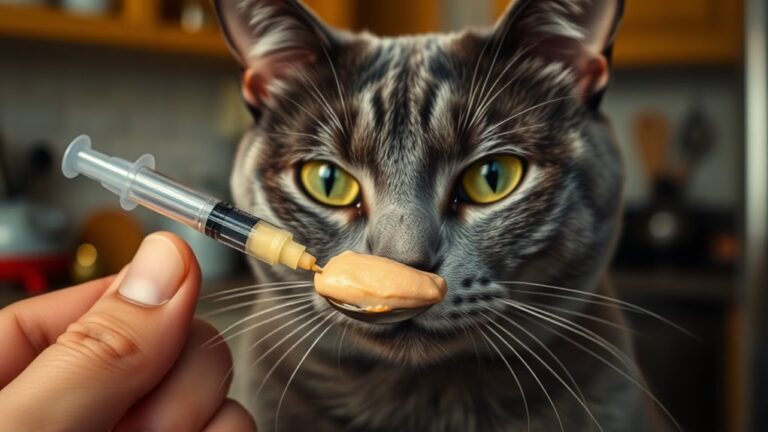
Unlike topical treatments that need time to dry on your cat’s fur, oral flea medications are ingested and work inside the body. They start working quickly, often within a few hours, giving fast relief from fleas.
Since they’re absorbed into your cat’s bloodstream, there’s no need to wait for them to dry before petting. The treatment usually lasts about a month, depending on the medication.
You can generally start petting your cat soon after giving the medication, usually within an hour, as long as your cat handles it well. Always follow your vet’s instructions for timing and dosage.
Check for any specific advice on when it’s safe to pet your cat after administering the medication.
Natural Remedies Waiting Period
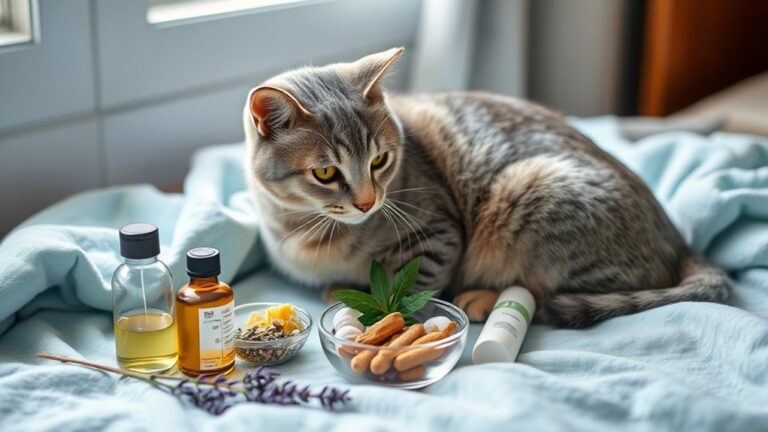
Natural remedies for flea control often vary in their application and drying times, so it’s important to know how long to wait before petting your cat after treatment. Herbal options like diatomaceous earth or herbal sprays usually dry within a few hours, but it’s best to wait until they are fully absorbed.
Essential oils such as lavender or cedarwood may take longer—about 24 hours—to dry completely. Waiting this long helps prevent skin irritation and ensures the remedy is safe.
Here are some key points to keep in mind:
- Always follow the specific instructions on the product for drying times.
- Herbal remedies tend to dry faster, usually within 2 to 4 hours.
- Essential oils may require a full 24 hours before petting your cat.
- Make sure the remedy is fully dry and absorbed before touching your pet.
Why Follow the Manufacturer’s Instructions Carefully?
Following the manufacturer’s instructions is crucial because these guidelines are designed to guarantee your cat’s safety and the treatment’s effectiveness. Ignoring or misinterpreting these instructions can compromise flea treatment safety, potentially exposing your cat to harmful side effects or ineffective results.
Manufacturer guidelines specify the correct dosage, application method, and waiting periods, confirming you use the product safely. They also provide essential information on how to handle any adverse reactions.
By carefully following these instructions, you avoid over- or under-dosing, which can be dangerous. Each product is formulated differently, so what works for one brand might not be suitable for another.
Taking the time to read and adhere to the directions helps maximize the flea treatment’s effectiveness while protecting your cat’s health. Ultimately, following these guidelines is the most reliable way to guarantee your cat’s well-being during flea control.
Signs Your Cat Is Ready for Cuddles After Flea Treatment
Once your cat’s coat is looking nice and shiny again, and you’re confident the fleas are gone, it’s usually a good sign she’s ready for some cuddles. Keep an eye on her behavior—if she’s acting more like herself and seems relaxed, that’s a great sign she’s feeling comfortable again.
When she starts to show these signs, you can go ahead and snuggle up with her without any worries. Just make sure she’s really ready, and then enjoy those cozy moments together!
Visible Flea-Free Coat
A clear sign your cat is ready for cuddles after flea treatment is a shiny, clean coat free of visible fleas or debris. When you see this, it shows the flea prevention tips and grooming techniques have worked well.
To keep your cat flea-free, check regularly for fleas and maintain a consistent grooming routine.
Consider these points:
- The coat appears smooth and glossy, with no visible fleas or eggs.
- Fur is free from dirt, flea dirt, or crusty patches.
- Your cat’s skin looks healthy, without redness or irritation.
- You notice fewer scratching or biting behaviors, which means your cat feels comfortable.
A flea-free coat means your cat is ready for cuddles, and good grooming helps keep fleas away.
Normal Behavior Resumes
When your cat starts behaving normally again, like relaxing, grooming itself, and playing after treatment, it’s a good sign that the flea medication has worked. Your feline friend is ready for cuddles once they’re back to their usual routines.
Normal behavior shows that the flea treatment is taking effect, and your cat feels comfortable enough to resume normal activities. You’ll notice less scratching and biting, and your cat will be more active and playful.
If your cat appears relaxed and gets back to its routines, it’s safe to start cuddling again. Just make sure there’s no lingering irritation or discomfort.
Patience is key. Waiting until your cat shows these signs helps ensure a smooth transition back to affectionate cuddles after flea treatment.
Common Mistakes That Delay Safe Petting
Jumping the gun on petting your cat too soon after flea treatment is a common mistake that can delay safety. Many pet owners believe immediate contact is safe, but waiting is really important.
Rushing this process can expose your cat to leftover chemicals, which might cause skin irritation or toxicity. To avoid delays, keep these points in mind:
Rushing petting after flea treatment can expose your cat to harmful chemicals and cause skin irritation. Patience is key.
- Don’t assume all flea treatments are completely chemical-free right after application.
- Don’t think your cat is safe for touching just because the product has dried.
- Always follow the manufacturer’s instructions about how long to wait before petting.
- Avoid relying on outdated advice; check current guidelines for safe petting times.
Knowing these common mistakes helps you make smarter choices and keeps your cat safe. Patience and good information about when to pet can prevent unnecessary delays and keep your pet healthy and happy.
How to Minimize Chemical Exposure When Reintroducing Touch and Play
To minimize chemical exposure when reintroducing touch and play after flea treatment, it’s important to take some simple precautions. Start by washing your hands thoroughly before each pet interaction to remove any residual chemicals.
Use soft, clean cloths or your bare hands for petting instead of toys or grooming tools that might carry chemicals. Keep the environment well-ventilated so fumes can dissipate and reduce the risk of chemical buildup.
Avoid applying any additional products like sprays or lotions to your cat during this time. When you play, choose gentle, low-contact activities that limit chemical transfer.
Watch your cat closely for signs of irritation or discomfort. If you notice anything unusual, reach out to your veterinarian. By controlling your interactions and keeping the space clean and ventilated, you can help your cat recover safely and comfortably.
Special Tips for Sensitive Cats or Those With Allergies
If your cat is sensitive or has allergies, it’s a good idea to keep an eye out for signs like itching, swelling, or any respiratory problems. These can be clues that something isn’t agreeing with them.
When it comes to flea treatments, opt for gentle, hypoallergenic options. Just make sure to read and follow the instructions on the product carefully—that way, you can help keep your kitty comfortable and safe.
And don’t forget to watch how your cat is doing overall—if they seem stressed or uncomfortable, it’s always best to consult your vet to find the best solution. After all, their comfort and well-being matter most!
Recognize Allergy Symptoms
How can you tell if your cat is experiencing an allergic reaction? Watch for signs like intense itching, continuous scratching, or skin irritation, which often indicate a flea allergy.
Cats with sensitivities may also develop redness, swelling, or hair loss around their neck and back. To spot allergy symptoms early, look out for these indicators:
- Persistent or worsening skin irritation
- Excessive grooming or biting at the skin
- Flea dirt or visible fleas on the coat
- Swollen or inflamed areas, especially after treatment
Recognizing these signs helps prevent severe discomfort and secondary infections. If your cat shows any of these symptoms, reach out to your veterinarian promptly.
Being alert to allergy symptoms allows you to manage your cat’s health and comfort effectively.
Choose Gentle Treatments
When caring for sensitive cats or those with allergies, choosing gentle flea treatments is essential to minimize irritation and discomfort. Look for gentle alternatives that are specifically formulated for delicate skin or allergy-prone cats. These options often contain fewer chemicals and are designed to reduce the risk of adverse reactions.
Creating a soothing environment can also help your cat feel safe and relaxed during treatment. Use calming sprays or diffusers in their space to ease anxiety and promote comfort. Always read labels carefully and talk to your veterinarian to make sure the treatment is right for your cat’s unique needs.
Monitor Cat Behavior
Monitoring your cat’s behavior after flea treatment is really important, especially if your cat is sensitive or has allergies. Keep an eye out for any signs of discomfort or allergic reactions, like scratching a lot, swelling, or feeling tired.
Pay close attention to any unusual behaviors, such as hiding or meowing more than usual. Also, check the application spot for redness, swelling, or irritation.
It’s best to keep your cat in a quiet, cozy space while they recover. Follow your vet’s advice on when and how to start petting and handling your cat again.
Can You Bathe Your Cat After Flea Treatment?
Many pet owners wonder if they can bathe their cats after a flea treatment. Generally, it’s best to avoid bathing your cat immediately after applying flea medication.
Flea bath considerations include waiting at least 48 hours to prevent washing away the treatment or reducing its effectiveness.
Post-treatment grooming should be gentle; avoid scrubbing or using harsh shampoos that could interfere with the medication.
If your cat gets dirty or needs a bath, choose a gentle, flea-specific shampoo and follow your vet’s instructions.
Always check the label of the flea treatment for specific bathing guidelines, as some products require longer wait times before bathing.
Remember, bathing too soon can diminish the medication’s efficacy, leading to less protection against fleas.
It’s safest to hold off on baths for a few days after treatment, giving your cat’s skin and the medication time to work properly.
When Should You Consult Your Veterinarian About Flea Treatment Safety?
Knowing when to seek your veterinarian’s advice regarding flea treatment safety is essential to guarantee your cat’s health. You should consult your veterinarian if you notice any unusual reactions or signs of poisoning, such as excessive drooling, vomiting, lethargy, or difficulty breathing.
It’s also wise to ask for guidance before applying flea treatments if your cat is very young, elderly, pregnant, or has underlying health issues. Moreover, seek vet advice if you’re unsure about the product’s compatibility with your cat’s breed or existing medications.
Finally, consult your veterinarian if a previous flea treatment caused adverse effects or if you’re considering switching brands. These steps help ensure flea treatment safety and prevent complications.
Quick Tips for Safe and Comfortable Post-Treatment Cuddling
After applying flea treatment, giving your cat some time to recover and ensuring the product has dried completely can make cuddling more comfortable and safe. Wait at least 24 hours before engaging in close contact, especially if your cat is still feeling sensitive or the product is fresh.
During this period, keep cuddle comfort in mind by observing your cat’s behavior. If they seem relaxed, gentle petting can help with post-treatment bonding. Use soft, slow strokes to reassure your cat and rebuild trust after the treatment.
Avoid vigorous play or tight cuddles immediately after application, as these can cause stress or discomfort. Once you’re confident the product has dried and your cat appears comfortable, you can gradually resume your usual cuddling routine.
Frequently Asked Questions
Are There Natural Alternatives to Chemical Flea Treatments for Cats?
Yes, there are natural alternatives to chemical flea treatments for cats. You can try herbal remedies like rosemary or eucalyptus, which act as natural repellents.
Essential oils such as cedarwood or lavender may help, but always dilute them properly and check with your vet first, as some oils can be toxic.
Regular grooming, vacuuming, and adding natural flea preventatives to your cat’s environment can also help reduce fleas without using chemicals.
How Can I Prevent Fleas From Returning After Treatment?
To prevent fleas from returning, you should use monthly flea preventatives recommended by your vet. These treatments help keep fleas at bay and stop them from coming back.
Regular grooming is also helpful. It lets you spot and remove fleas early, which reduces their chances of re-establishing.
Keep your home clean by vacuuming frequently and washing bedding regularly. A tidy space makes it harder for fleas to survive.
If your cat spends time outside, consider treating your yard as well. This can prevent fleas from hiding in outdoor areas.
All these steps work together to break the flea lifecycle and keep your cat flea-free for the long term.
Is It Safe to Pet My Cat Immediately After Applying Topical Treatment?
You should wait a bit before cuddling your cat after treatment application to guarantee their safety. For immediate safety, it’s best to avoid petting your cat right after applying topical treatment until it’s fully absorbed, usually about 10-30 minutes.
This pause allows the treatment to settle, reducing the risk of your cat licking off the medicine or experiencing irritation. Patience now keeps your feline friend safe and comfortable.
What Are the Risks of Over-Treating With Flea Medications?
Over-treating with flea medications can pose risks like toxicity, allergic reactions, or skin irritation.
To keep your cat safe, always follow the dosage instructions and check with your vet if you’re unsure.
Knowing the side effects helps you act quickly if any adverse reactions happen.
Using the right amount prevents unnecessary exposure, protects your cat’s health, and ensures effective flea control without the risk of overdose or side effects.
Can Flea Treatments Affect My Cat’s Health Long-Term?
Flea treatments can affect your cat’s health long-term, especially depending on the ingredients used. Some ingredients might cause allergic reactions or toxicity over time if misused or if your cat has sensitivities.
Always follow the product guidelines and check with your vet for safe options. Keep an eye on your cat’s health after treatment to catch any issues early.
Regular check-ups can help spot potential long-term effects early and ensure your cat stays healthy.
Conclusion
Remember, patience is a virtue—especially when caring for your feline friend. Always follow the treatment instructions and give your cat the time they need to be safe and comfortable.
Rushing to cuddle too soon can cause unnecessary discomfort or harm. It’s best to wait until your cat is fully dry and ready.
Enjoy those cuddles with peace of mind, knowing you’ve done right by your furry companion. Typically, it’s recommended to wait at least 24 to 48 hours after flea treatment before petting your cat.