What Makes Fresh Pet Good for Cats?
Many cat owners worry about feeding their pets healthy, nutritious food that supports their well-being. You’re not alone—finding the right diet can feel overwhelming with so many options out there.
Fresh Pet is great for your cat because it’s made with high-quality, minimally processed ingredients that retain their natural nutrients and flavors.
It’s free from artificial additives, fillers, and preservatives, making it easier for your cat to digest and absorb essential vitamins and minerals.
This helps improve their coat, skin, energy, and overall health.
If you want to uncover how switching to fresh food can benefit your feline, keep exploring.
Key Takeaways
- Made with minimally processed, high-quality ingredients that preserve nutrients and natural flavors for optimal health.
- Free from artificial additives, preservatives, and fillers, reducing allergen risk and supporting digestion.
- Contains natural enzymes and nutrients that boost nutrient absorption and help strengthen your cat’s immune system.
- Supports a shiny coat, healthy skin, and increased energy levels through nutrient-dense, balanced formulations.
- Easy to transition to, with controlled portions that help monitor and improve your cat’s overall well-being.
What Is Fresh Pet Cat Food and How Does It Differ?
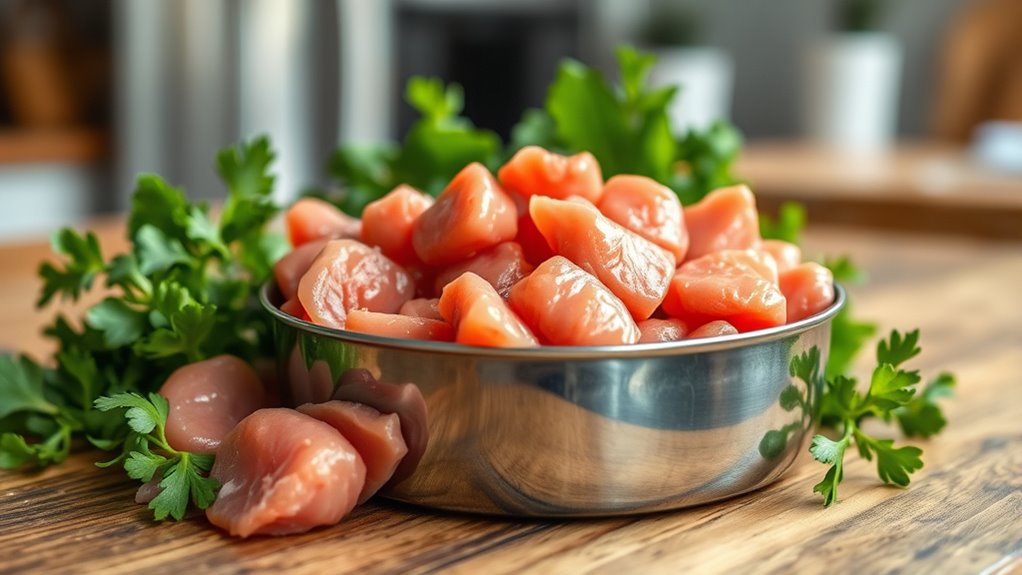
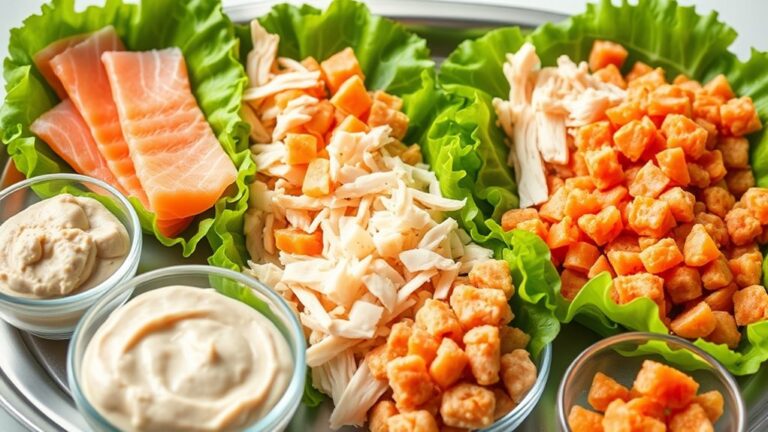
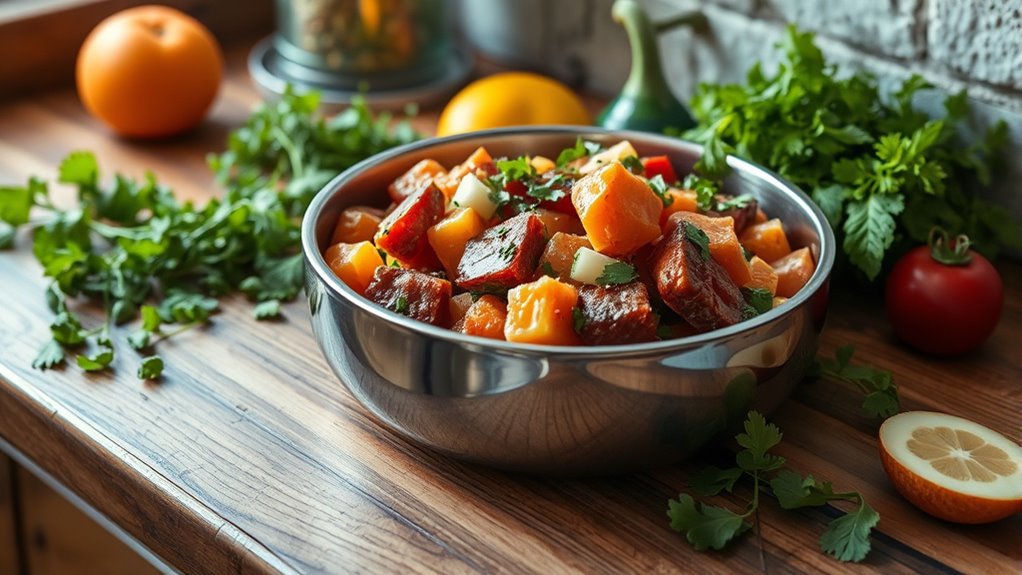
Fresh pet cat food is minimally processed, made with whole, high-quality ingredients, and usually delivered fresh or refrigerated instead of sitting on shelves for a long time. This means you’re giving your cat raw nutrition that’s close to what they’d eat in the wild.
Unlike traditional kibble or canned food, fresh pet food focuses on ingredients in their natural state, helping to preserve nutrients and flavor. When you prepare meals, you can control what goes into your cat’s diet, making it easier to avoid preservatives and fillers.
Fresh pet food often comes in pre-portioned packages or is simple to prepare, so feeding your cat becomes quick and easy. Because it’s minimally processed, it keeps more of its original nutrients, supporting your cat’s overall health.
It’s a convenient way to give your pet a diet that’s closer to their natural, ancestral eating habits, which can boost their energy and well-being.
Why Natural Ingredients Boost Your Cat’s Health
Natural ingredients provide essential nutrients that support your cat’s immune system, digestion, and overall health. When you choose foods with natural benefits, you’re giving your cat high-quality ingredients free from artificial additives or fillers.
These natural components, like real meat, vegetables, and fruits, deliver crucial vitamins, minerals, and antioxidants that promote health improvements. By avoiding synthetic preservatives and artificial flavors, you reduce the risk of allergies or digestive issues.
Natural ingredients are easier for your cat to digest and absorb, ensuring they get maximum nutrition from every meal. This helps maintain a healthy weight, boosts energy levels, and strengthens their resilience against illnesses.
When you feed your cat natural, wholesome foods, you’re supporting their long-term well-being and vigor, helping them thrive. Choosing products rich in natural benefits is a simple yet impactful way to prioritize your cat’s health and happiness.
How Fresh Pet Supports Digestion and Nutrient Absorption
One of the key ways fresh pet food benefits your cat is by enhancing its digestion and nutrient absorption. Fresh food contains natural digestive enzymes that help break down proteins, fats, and carbohydrates more efficiently. These enzymes support your cat’s digestive system, reducing discomfort and promoting regularity.
Fresh pet food boosts digestion with natural enzymes, helping your cat absorb nutrients more effectively and stay healthier.
When digestion improves, nutrient bioavailability increases, meaning your cat absorbs more essential vitamins and minerals from each meal. Unlike processed foods, fresh pet food isn’t stripped of crucial enzymes during manufacturing, so your cat’s body can utilize nutrients more effectively.
This improved absorption leads to better overall health, stronger immune function, and sustained energy levels. By feeding fresh, you’re providing a diet that naturally supports digestion and guarantees your cat gets the maximum benefits from every bite.
This focus on bioavailability helps maintain your cat’s energy and long-term well-being.
The Impact of Fresh Food on Your Cat’s Coat and Skin
A healthy, shiny coat and smooth skin are clear signs of your cat’s overall well-being. What they eat plays a big role in keeping that look.
Fresh food provides high nutrient density and beneficial dietary fats, which nourish both the skin and coat. Proper hydration, thanks to moisture-rich ingredients, also helps keep their coat glossy and reduces dryness or flakiness.
Here’s a quick look at the key factors:
| Factor | Impact |
|---|---|
| Nutrient density | Provides essential vitamins for a shiny coat |
| Dietary fats | Improve skin hydration and reduce inflammation |
| Allergen response | Less irritation means healthier skin |
| Hydration levels | Keep skin supple and coat looking lustrous |
Choosing fresh, high-quality ingredients helps minimize allergens and boosts overall skin health, resulting in a more vibrant, beautiful coat.
Does Fresh Pet Increase Your Cat’s Energy and Happiness?
Have you noticed your cat seems more lively and playful after switching to fresh pet food? That’s because fresh food can boost your cat’s energy levels, making them more active during the day.
When cats eat high-quality, minimally processed ingredients, their bodies work better, leading to more stamina and enthusiasm. This extra energy often shows up in their playfulness, curiosity, and overall engagement.
Plus, fresh pet food contains essential nutrients that support brain health and emotional well-being. This can directly influence their happiness and contentment.
When your cat feels energized and well-nourished, they’re more likely to purr more or seek out playtime. Overall, switching to fresh pet food can make your cat happier and more vibrant each day.
Why Minimal Processing Makes Fresh Pet Better for Cats
When your cat feels more energetic and happy from eating fresh food, it’s because minimal processing helps preserve the natural nutrients they need. Fresh pet benefits include retaining essential vitamins, minerals, and amino acids that often degrade during heavy processing or cooking.
This means your feline gets more complete and bioavailable nourishment, supporting overall health, immune function, and a shiny coat. Unlike heavily processed foods, fresh pet options are less likely to contain artificial preservatives, fillers, or additives that can upset your cat’s stomach or cause sensitivities.
Minimal processing guarantees that the natural flavor and moisture are maintained, making the food more appealing and easier for your cat to digest. Regarding feline nutrition, this approach provides a closer approximation to what cats would eat in the wild.
Ultimately, fewer steps in processing mean your cat receives a more pure, nutrient-rich meal that promotes energy and well-being.
Is Fresh Pet Safe for Cats? Addressing Common Concerns
You might be asking yourself if Fresh Pet is safe for your cat, and that’s a really good question. When it comes to pet food, especially for our feline friends, ingredients and quality matter a lot. It’s always a smart idea to look for transparency in what goes into the food and to be aware of any ingredients that might cause allergic reactions in your cat.
Getting to know what’s in your cat’s food can help you feel more confident about your choice. Once you understand these aspects, you’ll be better equipped to pick a food that supports your cat’s health and happiness.
Ingredient Transparency and Quality
Transparency around ingredients is essential when choosing pet food, and Fresh Pet makes an effort to list its components clearly. You can see exactly what’s in each product, giving you confidence in your cat’s diet.
Fresh Pet prioritizes ingredient sourcing, selecting high-quality components to guarantee freshness and safety. Their commitment to quality assurance means they regularly monitor and test ingredients to meet strict standards.
This transparency allows you to make informed decisions about what you’re feeding your cat. Knowing that Fresh Pet emphasizes ingredient sourcing and maintains rigorous quality assurance gives you peace of mind, knowing your feline friend receives wholesome, safe food.
Clear labeling and high standards help guarantee your cat’s health and well-being are prioritized in every bite.
Potential Allergens and Sensitivities
While Fresh Pet aims to use wholesome ingredients, it’s important to be aware of potential allergens and sensitivities some cats might have. Recognizing these early can help you spot symptoms if your cat reacts poorly to certain ingredients. Common triggers include grains, specific proteins, or additives that might not agree with your cat’s diet.
Keep an eye on how your cat reacts during mealtime and note any changes in behavior or digestion. Reading ingredient labels carefully can help you avoid unexpected allergens. It’s also a good idea to consult your vet for tailored advice and food recommendations.
Staying vigilant about these factors can prevent issues and ensure your cat stays happy and healthy.
How to Transition Your Cat to Fresh Pet Smoothly
Thinking about switching your cat to fresh pet food? The best way to do it is to mix a little of the new stuff with their current food first. Then, slowly bump up the amount of the fresh food over a few days. This gradual change helps your cat get used to the new taste and texture without feeling overwhelmed.
While you’re at it, keep an eye on your kitty. If they seem a bit uncomfortable or refuse to eat, don’t force it. Just adjust the process as needed—maybe slow down the transition or try a different approach. Also, make sure the serving sizes match your cat’s appetite so they stay happy and healthy during the switch.
Gradual Food Mixing
Shifting your cat to fresh pet food gradually helps prevent digestive upset and guarantees a smoother switch. To make sure the change goes well, focus on adjusting the mixing ratios over time. Start with a small amount of fresh food mixed with the current diet, like 25% fresh and 75% regular food. Watch your cat’s response and behavior.
Here are some tips:
Increase the fresh food gradually: Move to 50%, then 75%, over several days or weeks.
Adjust mixing ratios based on tolerance: If your cat shows signs of stomach upset, slow down the change.
Stick to a consistent schedule: Regularly measure and record mixing ratios for a smooth transition.
This method helps minimize digestive issues and makes it easier for your cat to adapt comfortably to the new diet.
Monitor Transition Signs
Monitoring your cat for signs of how they’re adjusting is essential during the changeover. Pay close attention to their behavior, as changes can indicate how comfortably they’re adapting. Watch for signs of stress, such as hiding, decreased appetite, or excessive grooming.
Recognizing stress early helps you address issues before they escalate. Keep an eye on their eating habits—any refusal to eat or sudden increase in fussiness may signal discomfort. Observe their activity level; lethargy or restlessness can be clues that the new food isn’t settling well.
Consistent monitoring guarantees you catch any negative reactions quickly. If you notice persistent stress signs, consider adjusting the changeover pace or consulting your vet. Staying vigilant helps make the switch to fresh pet food smooth and safe for your cat.
Adjust Serving Portions
Once you’ve observed how your cat is adjusting to the new food, it’s time to focus on serving portions carefully. Properly adjusting portions and practicing portion control are key to a smooth changeover.
Start by offering slightly less than your cat usually eats, then gradually increase the amount over several days. This helps prevent digestive upset and builds acceptance.
Consider these steps:
- Monitor your cat’s response and adjust portions accordingly, avoiding overfeeding.
- Break meals into smaller, more frequent servings to ease digestion.
- Keep consistent portion sizes once your cat feels comfortable, maintaining steady portion control.
Comparing Fresh Pet and Traditional Cat Food: Which Is Best?
Have you ever wondered which type of cat food is truly better for your feline friend—fresh pet options or traditional kibble and canned varieties? When comparing the two, fresh pet benefits stand out because it often contains fewer preservatives and additives, providing your cat with more natural nutrients.
Fresh options are typically closer to what cats would eat in the wild, promoting healthier skin, a shinier coat, and better digestion. On the other hand, traditional food drawbacks include long shelf lives due to artificial preservatives, which can sometimes lead to less nutritional value and potential health issues over time.
Kibble and canned foods are convenient but may contain fillers or lower-quality ingredients. Ultimately, choosing between fresh pet and traditional cat food depends on your cat’s specific needs, but focusing on fresh pet benefits can help you provide a more wholesome, natural diet for your feline companion.
Why More Cat Owners Are Choosing Fresh Pet for Their Felines
More cat owners are turning to fresh pet food because they want to give their cats a healthier, more natural diet. The benefits are clear: better digestion, shinier coats, and higher energy levels. Many owners notice their cats are more active and less picky with fresh options.
Here’s why more people are making the switch:
- Better Nutrition: Fresh pet food has ingredients closer to what cats eat in the wild, so they get essential nutrients.
- Fewer Fillers and Preservatives: Owners like the transparency and cleaner ingredients, which help reduce digestive issues.
- Enhanced Well-being: Many notice improved coat health, fewer hairballs, and a bigger appetite.
These reasons and the tangible benefits of fresh pet food explain why more cat owners are choosing it for their felines.
Frequently Asked Questions
Can Fresh Pet Cater to Special Dietary Needs or Allergies in Cats?
Yes, Fresh Pet can cater to your cat’s special dietary needs or allergies. Their products often include options for dietary restrictions, like grain-free or limited ingredient formulas, making allergy management easier.
You should always check labels and consult your vet to verify the ingredients suit your cat’s specific allergies or sensitivities. Fresh Pet’s focus on quality ingredients helps you provide a tailored, nutritious diet that supports your cat’s health.
How Long Does Fresh Pet Typically Stay Fresh Once Opened?
Once opened, Fresh Pet usually stays fresh for about 3 to 5 days, turning your fridge into a battleground of freshness. Think of it as a delicate flower needing tender care.
To keep it at its best, store it in an airtight container and keep it refrigerated. Proper storage guarantees your cat enjoys the full flavor and nutrients.
This way, each meal remains as delightful as a sunlit garden.
Are There Any Specific Storage Recommendations for Fresh Pet Cat Food?
For ideal food safety, store Fresh Pet cat food in the refrigerator at or below 40°F and keep it in a sealed container.
Make sure to refrigerate promptly after opening and avoid cross-contamination.
If you’re not going to use it within a few days, consider freezing portions to extend freshness.
Always check the packaging for specific storage instructions to guarantee your cat’s food stays fresh and safe.
Is Fresh Pet Suitable for All Cat Breeds and Ages?
Fresh Pet is like a tailored suit—it can suit many cats, but not all. It offers fresh pet nutrition suitable for most breeds and ages. However, some cats with special dietary needs or sensitivities may require specific adjustments.
It’s important to consider your cat’s breed preferences and health conditions. Always check with your vet to make sure Fresh Pet fits your cat’s unique dietary requirements.
This way, you can ensure your cat thrives with every meal.
What Are the Environmental Benefits of Choosing Fresh Pet Over Traditional Cat Food?
Choosing Fresh Pet benefits the environment through sustainability practices and packaging innovations. You help reduce waste by opting for eco-friendly packaging, which often uses less plastic and is recyclable.
Fresh Pet’s emphasis on sustainable sourcing minimizes the carbon footprint compared to traditional options. By making this choice, you support a greener future.
This also encourages brands to adopt more environmentally conscious practices, ultimately reducing the impact of pet food production on the planet.
Conclusion
Think of choosing fresh pet food like tending to a vibrant garden. When you nourish your cat with wholesome, natural ingredients, you’re planting seeds of health that bloom into shiny coats, energetic play, and happy purrs.
Just as a garden flourishes with care and attention, your feline friend thrives on fresh food. It’s all about giving them the best to stay healthy and active.
By making this switch, you’re cultivating a life of energy and joy for your beloved cat. Watching your bond grow stronger with each healthy, happy day is the real reward.