What Fresh Pet Options Are There for Cats?
Many cat owners want to give their furry friends fresh, healthy options but aren’t sure where to start. You’re not alone—navigating the world of fresh pet options for cats can feel overwhelming.
Finding the right balance between nutrition, safety, and convenience is a common challenge.
You have several fresh options for your cat, including raw, cooked, and gently processed foods. Raw diets offer natural nutrients but require careful handling to avoid bacteria.
Cooked foods are safer and easier to prepare, while freeze-dried or steamed options balance convenience and nutrition.
Choosing high-quality ingredients and understanding safety concerns are key. If you’re curious about selecting the best choices and how to provide a balanced diet, there’s more to investigate.
Key Takeaways
- Fresh cat food options include raw, cooked, and gently processed foods, offering different nutrient profiles and preparation styles.
- Raw diets provide natural proteins and moisture but can carry bacterial risks; cooking reduces pathogens but may cause some nutrient loss.
- When switching your cat to fresh food, do it gradually and watch for any signs of allergies or digestive issues.
- Making homemade fresh cat food requires careful balancing of high-quality proteins, vegetables, and essential supplements.
- Choosing reputable brands and consulting with your vet helps ensure the diet is complete and safe for your cat.
What Are the Different Types of Fresh Food for Cats?
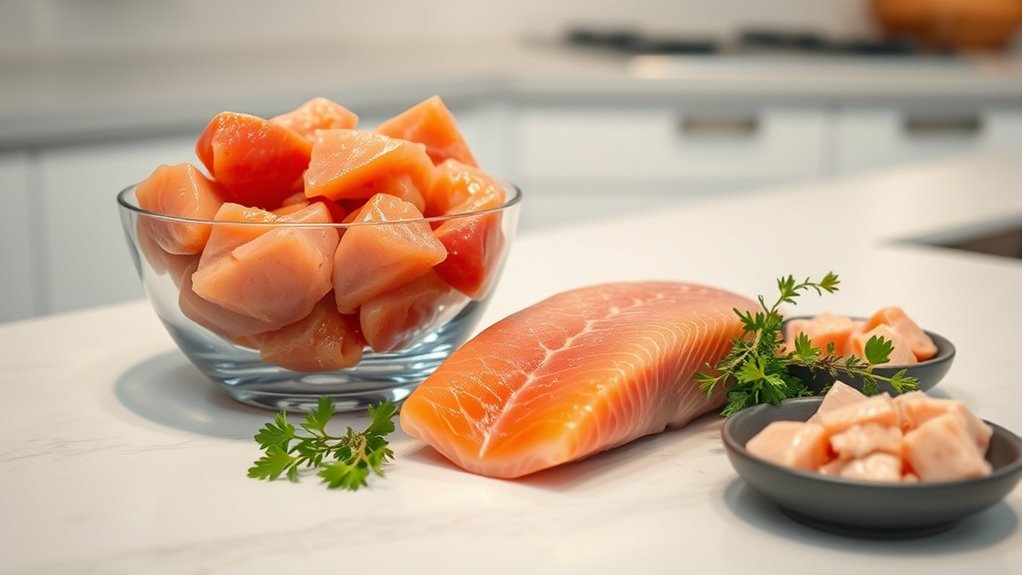
When exploring fresh food options for your cat, you’ll find several types designed to meet their dietary needs and preferences. The main fresh food types include raw, cooked, and gently processed options.
Raw foods often feature uncooked meat, organs, and sometimes bones, offering ingredient variations rich in natural nutrients. Cooked fresh foods are gently heated to eliminate bacteria, preserving much of the nutritional value while reducing risks.
Raw foods provide natural nutrients from uncooked meat, organs, and bones, supporting your cat’s health and vitality.
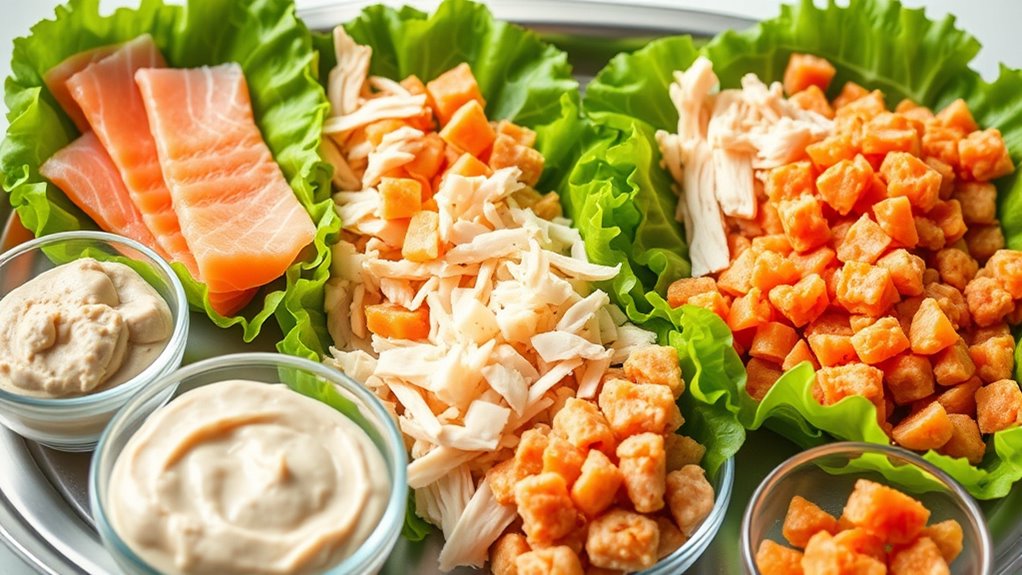
Gently processed options, such as lightly steamed or freeze-dried foods, combine convenience with nutrient preservation. Each type provides different ingredient variations, from poultry and beef to fish and organ meats.
Your choice depends on your cat’s health, taste preferences, and your comfort level with preparing or sourcing fresh foods. Understanding these fresh food types helps you tailor your pet’s diet, ensuring they get a balanced mix of protein, fats, and vitamins essential for their well-being.
How Do Raw and Cooked Fresh Cat Foods Compare?
When you’re trying to decide between raw and cooked fresh cat foods, it’s helpful to know that they each have their own pros and cons. Raw foods tend to keep more of the natural enzymes and nutrients that are found in a cat’s natural diet, which can be great for their overall health.
On the other hand, how you prepare the food really makes a difference when it comes to safety. Raw foods can carry a higher risk of bacteria or other pathogens, so you need to be extra careful with handling and storage. Cooking the food can help eliminate those potential dangers, making it safer for your kitty. However, cooking might also reduce some of the nutrients, so it’s a bit of a balancing act.
Understanding these points can help you make a more informed choice, especially considering your cat’s specific health needs and how comfortable you are with handling and preparing their food safely.
Nutritional Content Differences
Raw and cooked fresh cat foods differ quite a bit in their nutritional profiles because of how cooking affects their nutrients. Raw foods usually keep more moisture and natural proteins, which makes digestion quicker and more natural.
Cooking can lower vitamin levels, so added vitamin supplements are often needed to keep the diet balanced. The quality of ingredients in raw foods is usually easier to see, with fewer fillers, but allergen risks can vary.
Cooked foods might have different fiber levels, which can impact digestion and stool quality. Flavor preferences vary too—some cats like raw better, while others prefer cooked. Overall, raw foods tend to offer more natural nutrients, but cooking can improve safety and shelf life, which affects their final nutritional content.
Preparation and Safety
Preparing raw and cooked fresh cat foods involves different safety considerations, so it’s important to understand the risks and best practices for each. Raw foods pose higher contamination risks, so proper ingredient sourcing and food storage are essential. Cooked foods reduce contamination risks but still require careful handling and portion control.
Follow safety guidelines like cleaning surfaces thoroughly and checking spoilage signs before feeding. Raw diets need strict hygiene during preparation, while cooked foods allow more flexibility in preparation methods. To compare, consider this:
| Raw Food Preparation | Cooked Food Preparation |
|---|---|
| Higher contamination risk | Lower contamination risk |
| Precise ingredient sourcing | Less strict sourcing needed |
| Focus on spoilage signs | Focus on proper cooking |
Both require understanding spoilage signs and maintaining hygiene for safe feeding habits.
How to Choose the Best Commercial Fresh Cat Food Brands
When you’re picking out a commercial fresh cat food brand, one of the first things to check is the ingredient label. You want to see transparency there, so you really know what’s in the food and can feel confident about what you’re feeding your kitty.
It’s also super important to choose a brand that offers a good balance of nutrients. Cats need a variety of vitamins and minerals to stay healthy, so look for foods that support their overall well-being.
And don’t forget to consider the company’s reputation. You want to go with a brand that prioritizes quality and safety, so your cat gets the best and healthiest food possible.
Ingredient Transparency
Understanding ingredient transparency is key when choosing the best commercial fresh cat food brands. It helps you see exactly what’s inside your pet’s bowl.
Clear labels reveal ingredient sourcing, so you can tell if the ingredients are fresh, high-quality, and ethically sourced. It’s all about knowing where the ingredients come from.
You also want to see if the company considers ethical factors like sustainable farming or humane animal treatment. Brands that prioritize transparency usually share detailed info about their sourcing.
This gives you confidence in the product’s integrity and helps ensure your cat eats wholesome, responsibly sourced food. Paying attention to transparency supports your pet’s health and aligns with your values on ethical pet care.
Nutritional Balance
Ensuring your cat receives a nutritionally balanced diet is crucial for their overall health and well-being. When choosing fresh cat food, look for options that support ideal nutrient absorption, which is essential for maintaining energy, immune function, and a shiny coat.
A balanced diet should include the right mix of protein, fats, vitamins, and minerals tailored to your cat’s age and health needs. Consider your cat’s dietary preferences—some cats prefer certain textures or flavors—that can influence their willingness to eat and digest their food properly.
High-quality fresh foods prioritize nutrient density, helping your cat get the most nourishment from each meal. By selecting brands that emphasize nutritional balance, you support your cat’s long-term health and happiness.
Brand Reputation
Brand reputation plays an essential role in choosing the best commercial fresh cat food because it shows the company’s commitment to quality, safety, and transparency. You want brands with strong trust, backed by positive customer feedback and consistent quality checks.
Check how they source their ingredients. Ethical sourcing and sustainability practices show they care about responsible manufacturing. Transparent companies openly share their ingredient sourcing and production processes, which helps build your confidence in their safety standards.
Be mindful of product recalls. A brand with a clean record indicates they prioritize safety. A good reputation often means they’re continually working to improve quality and transparency, making sure your cat gets fresh, safe, and ethically produced food.
Choose wisely to support brands that value integrity and your pet’s health.
What to Look for on Fresh Cat Food Labels
When shopping for fresh cat food, look at the labels to see what they reveal about quality and ingredients. Your goal is to find options that highlight the benefits of fresh food and have transparent labels. Choose foods that list whole, recognizable ingredients—like real meat, vegetables, and fruits—instead of vague terms like “meat by-products.” This shows you’re selecting food that truly nourishes your cat.
Here’s a quick guide:
| Ingredient Clarity | Fresh Food Benefits | Trust Indicators |
|---|---|---|
| Clear, specific | Supports health and well-being | Approved by vets |
| Whole foods | Better digestion | Organic options |
| No fillers | Boosts energy | Quality seals |
| Recognizable names | Improves immune system | Freshness guaranteed |
| No artificial additives | Natural flavor | Honest labeling |
Focusing on these details helps ensure you’re making the best choice for your cat’s health and happiness.
Are Raw Diets Safe for My Cat?
Are raw diets safe for your cat? The answer depends on understanding both the potential benefits and risks.
Raw diets can offer perks like a shiny coat, more energy, and better digestion because they mimic what cats eat in the wild.
But they also carry risks, such as bacteria like Salmonella or E. coli, which can make your cat and your family sick.
Handling, sourcing, and preparing the food properly is key to lowering these dangers.
It’s also crucial to make sure the diet is nutritionally balanced, as raw foods might miss some essential nutrients if not carefully prepared.
Talking to your vet before switching to a raw diet is highly recommended.
While many cats do well on raw food, you should weigh the potential benefits against the risks and make a choice that fits your pet’s health needs.
How to Transition Your Cat Safely to a Fresh Food Diet
If you’re thinking about switching your cat to a fresh food diet, it’s best to do it gradually. Start by slowly replacing their current food with fresh options, maybe over the course of several days. This way, your kitty has time to get used to the new flavors and textures without feeling overwhelmed.
While you’re making the switch, keep a close eye on your cat. Watch for any signs of discomfort, allergies, or digestive issues—things like vomiting, diarrhea, or excessive scratching. If you notice anything unusual, it’s a good idea to check in with your vet.
And don’t forget, sticking to a consistent feeding schedule can really help your cat adjust smoothly. Feeding them at the same times each day creates a sense of routine, making the transition to fresh food a lot easier for everyone.
Gradual Food Swaps
Switching your cat to a fresh food diet takes a gradual approach to avoid digestive upset and ensure a smooth transition. This helps your cat get used to new textures and flavors while respecting their preferences.
Start by replacing a small portion of their current food with fresh options, then slowly increase the amount over several days. Keep an eye on how they respond and make adjustments as needed.
Remember, patience is key for a successful switch. To make things easier, consider these tips:
- Introduce new foods slowly, mixing them with familiar ones.
- Watch your cat’s reactions to see what they prefer.
- Offer a variety to find out what they enjoy most.
- Be flexible and adjust the pace based on your cat’s comfort.
This method helps your cat accept the change and reduces stress for both of you.
Monitor for Reactions
As you introduce new foods to your cat’s diet, closely monitoring their reactions is essential to guarantee a safe adjustment. You should observe behavior and assess reactions daily, noting any signs of discomfort or distress.
Track health by watching for changes in energy levels, appetite, and digestion for any irregularities. Check hydration and record how your cat responds to the new food, paying attention to preferences and any reluctance to eat.
Evaluate tolerance by noting any vomiting, diarrhea, or skin issues. Regularly observe changes in their overall demeanor, and keep detailed notes to spot patterns.
This careful monitoring helps you detect potential issues early, ensuring a smooth transition and supporting your cat’s health and well-being throughout the process.
Consistent Feeding Schedule
Establishing a consistent feeding schedule is really important when switching your cat to a fresh food diet. It helps set clear expectations and keeps stress levels low for your pet.
Keeping regular meal times and routines makes it easier for your cat to adjust. Consistency also helps prevent overeating or refusing to eat, making the transition smoother.
To stick to this routine, serve meals at the same times each day and measure portions accurately.
Gradually introduce new foods alongside the old ones to help your cat get used to the change.
Finally, limit treats outside of meal times to maintain consistency and encourage healthy eating habits.
DIY Recipes and Tips for Homemade Fresh Cat Food
Creating homemade cat food can be a rewarding way to guarantee your feline gets fresh, wholesome nutrition. Start by focusing on simple recipes that include high-quality protein sources like chicken, turkey, or fish.
To make your own, you’ll want to master ingredient sourcing—choose fresh, human-grade ingredients without fillers or preservatives. Incorporate homemade treats into your cat’s diet by offering small, healthy portions of cooked meat or fish as a supplement or snack.
When preparing meals, verify all ingredients are cooked thoroughly and avoid seasoning or additives that could harm your cat. Balancing protein with small amounts of vegetables like carrots or peas can add variety, but always research safe options.
Keep portion sizes appropriate for your cat’s age and weight, and aim for consistency in feeding times. With a little planning, you can create nutritious, appealing meals that support your cat’s health and happiness.
What Are the Costs of Feeding Fresh Food to Cats?
Feeding your cat fresh food can be a healthy choice, but it also comes with different costs compared to commercial options. Understanding the cost breakdown helps you plan and manage your budget effectively.
Fresh food often costs more upfront because quality ingredients and proper storage are essential. You’ll need to consider:
Fresh food costs more initially due to quality ingredients and proper storage needs.
- Higher ingredient costs for premium meats and supplements
- Extra expenses for refrigeration or freezing
- Potential waste if leftovers aren’t used
- Time spent preparing meals
While the expenses might seem higher, many owners find the benefits worth the extra investment. However, it’s important to evaluate your budget and decide if the long-term health benefits justify the increased costs.
Planning meals in advance, buying in bulk, or using cost-effective ingredients can help make fresh feeding more affordable. Ultimately, balancing quality and budget is key to providing your cat with nutritious, fresh options.
How to Ensure Your Cat Gets a Balanced, Nutritionally Complete Diet
To guarantee your cat gets a balanced, nutritionally complete diet, it’s essential to understand their specific dietary needs and how to meet them through carefully selected ingredients. Cats require high levels of protein, essential amino acids like taurine, and specific fats to support their health.
Pay attention to their dietary preferences, as some cats prefer raw, cooked, or specially formulated fresh foods. Incorporate a variety of high-quality proteins, such as poultry, fish, or beef, to make sure they receive all necessary nutrients.
Supplements or added vitamins might be needed if you’re preparing homemade meals, but it’s best to consult a vet to prevent deficiencies. Monitoring your cat’s health and energy levels helps you gauge if their diet is on track.
A balanced diet promotes good health, supports their immune system, and prevents nutritional deficiencies. Always prioritize fresh, wholesome ingredients that meet their dietary preferences to keep your cat happy and healthy.
Common Concerns About Feeding Fresh Food to Cats and How to Address Them
Many cat owners hesitate to switch to fresh food because they worry about potential health risks or nutritional gaps. These concerns often come from myths and misconceptions about how cats digest fresh food.
You might think that fresh food is unsafe or unbalanced, but with some guidance, it can actually be safe and nutritious.
To ease these worries, start by consulting your vet to make sure your cat’s diet covers all nutritional needs.
Introduce fresh food gradually so you can see how your cat’s digestion responds.
Use reputable sources and recipes that are specifically designed for feline health.
Frequently Asked Questions
Are There Any Organic Fresh Pet Options Available for Cats?
Yes, there are organic fresh pet options for cats. You can find organic cat food from various brands that focus on natural ingredients without synthetic additives. These options are often refrigerated or frozen, keeping the food fresh and nutritious.
Look for labels that specify organic certification and choose reputable brands committed to quality and transparency. Switching to organic fresh food can support your cat’s health and overall wellbeing.
How Long Does Homemade Fresh Cat Food Stay Fresh?
Homemade fresh cat food usually stays good for about 2-3 days if you store it right in the fridge.
Make sure to use airtight containers and keep the food at around 40°F to stay safe.
If you want to keep it longer, freezing portions can last up to 2 weeks.
Always check for signs of spoilage before giving it to your cat.
And if you’re unsure, it’s better to discard it.
Can I Feed My Cat Human-Grade Fresh Food Regularly?
Yes, you can feed your cat human-grade fresh food regularly, especially if you enjoy meal prepping and want to offer raw food options.
Some cats do well on raw diets, but it’s important to ensure the meals are balanced and safe for them.
It might seem tricky at first, but with the right research and advice, you can provide nutritious, fresh meals that match your cat’s natural instincts.
This way, you’re giving them a healthier, more satisfying diet.
What Are the Signs of Nutritional Deficiencies in Cats on Fresh Diets?
You’ll notice signs of nutritional deficiencies in your cat through dietary symptoms like dull coat, weight loss, or lethargy. Nutritional imbalances can also cause poor muscle tone or gastrointestinal issues.
Keep an eye out for irregular eating habits or changes in behavior. Regular vet check-ups and proper diet formulation can help prevent these problems.
If you see any warning signs, don’t hesitate to consult your vet promptly to address potential deficiencies.
Are There Specific Fresh Food Options Suitable for Senior Cats?
Yes, there are fresh food options suitable for senior cats that focus on their specific nutritional needs and fresh ingredients.
Look for meals that are specially formulated for older cats, with easily digestible proteins, added vitamins, and minerals to support joint health and boost their immune system.
You can prepare homemade fresh meals with high-quality ingredients or opt for commercial options labeled for seniors.
Either way, these choices help ensure your cat gets the tailored nutrition they need to stay happy and healthy in their golden years.
Conclusion
Switching to fresh food can boost your cat’s health and happiness, but it’s essential to do your research. Imagine a cat thriving on a balanced homemade diet, glowing with energy and a shiny coat—just like Mr. Whiskers, who now enthusiastically devours his freshly prepared meals.
There are many fresh pet options for cats, including commercial raw food diets, freeze-dried raw, and freshly prepared meals you make at home. Each offers different benefits and considerations, so finding the right fit for your feline friend is key.
With the right choices, attention to nutrition, and safety, you can give your feline friend a delicious, wholesome diet that supports their well-being for years to come. Choosing the best fresh pet options for cats can truly make a difference in their health and happiness.