Best Flea Medicines for Cats: The Ultimate Guide
Dealing with fleas on your cat can be incredibly frustrating and stressful. You’re not alone—many pet owners struggle with keeping those pesky fleas at bay and protecting their furry friends.
Finding the best flea medicine for your cat involves understanding signs like scratching, hair loss, and flea dirt. Safety is key, especially for kittens or older cats, so choose treatments like topical, oral, or collars based on your cat’s needs.
Always follow application instructions carefully and consult your vet for guidance.
If you want to learn about effective options, proper application techniques, and prevention tips, you’ll uncover how to keep your cat flea-free and healthy.
Key Takeaways
- Identify fleas early by watching for symptoms like scratching, hair loss, and flea dirt. Catching them early helps you treat your cat quickly.
- Pick flea medicines that are safe and recommended by your vet. Make sure they match your cat’s age, weight, and health needs.
- Use the right application method—whether topical, oral, or collars—and follow the dosage instructions carefully.
- Keep your environment clean by vacuuming regularly, washing bedding, and treating outdoor areas. This helps prevent fleas from coming back.
- Talk to your vet for personalized advice, ongoing check-ups, and help with any underlying health issues.
How Do I Know If My Cat Has Fleas?
Wondering how to tell if your cat has fleas? Flea symptoms often include constant scratching or biting at their skin, which is usually your first clue. You might notice your cat grooming more than usual or rubbing their face and ears frequently.
Fleas cause constant scratching, grooming, and skin irritation—look for black specks and hair loss to spot an infestation early.
Some cats develop hair loss, especially around the neck, back, or base of the tail, due to persistent scratching. Fleas also cause skin irritation, redness, and tiny black specks—flea dirt—that look like pepper on their fur or bedding.
If you see your cat scratching a lot, it’s important to check for fleas directly. Use a fine-tooth comb to part their fur and look for fleas or flea dirt.
Keep in mind that some cats are more sensitive to flea bites and might show symptoms even with a small infestation. Recognizing these flea signs early helps you take quick action to protect your feline friend.
Why Is Flea Treatment Important for Your Cat’s Health
Flea treatment is essential for your cat’s health because fleas can cause more than just itching and discomfort. If left untreated, they can disrupt your cat’s well-being by transmitting diseases and causing anemia from blood loss.
Understanding the flea life cycle is important; fleas reproduce rapidly, with eggs falling into your home environment, leading to an ongoing infestation. This cycle makes it critical to use effective treatments to break it at every stage.
Without proper flea control, your cat faces health risks like allergic reactions, skin infections, and even more severe conditions such as tapeworm infestations. Flea bites also increase the risk of transmitting bacteria and other parasites, jeopardizing your cat’s overall health.
Regular flea treatment isn’t just about comfort—it’s about preventing these potential health issues and maintaining a clean, safe environment for your feline friend. Prioritizing flea control helps safeguard your cat’s long-term health and happiness.
How to Choose the Best Flea Medicine for Your Cat
When you’re picking out flea medicine for your cat, it’s really important to think about safety first. This is especially true if you have kittens or older cats, since their health needs can be a bit different. Make sure to check the recommended age and weight guidelines on the product to keep your kitty safe.
Next, consider which application method works best for you and your cat. Do you prefer a topical treatment, an oral pill, or maybe a spray? Each has its pros and cons, so think about what will be easiest to give regularly and comfortably for your feline friend.
Safety Considerations
Choosing the right flea medicine for your cat requires careful attention to safety considerations. First, check if your cat has flea allergies, which can cause skin irritation or more severe reactions.
Always read labels for potential side effects like vomiting, lethargy, or skin issues. Some medications may not be suitable for cats with certain health conditions or for pregnant or nursing cats.
Avoid using products made for dogs unless they’ve been explicitly approved for cats, as this can be dangerous. It’s best to consult your veterinarian to find safe options and discuss any concerns about side effects or allergies.
Prioritizing safety helps ensure that flea treatments protect your cat effectively without causing adverse reactions.
Age and Weight Factors
Age and weight are key factors to consider when choosing the right flea medication for your cat.
Age matters because kittens, adult cats, and seniors often need different formulations or dosages. Young kittens may need medications made for their delicate system, while older cats might require lower doses or different products.
Weight adjustments are just as important. Many flea medicines depend on weight, so measuring your cat accurately ensures you pick the right strength.
Always check the product label for weight guidelines and age restrictions. Using the wrong medication or dose can be ineffective or unsafe.
Talking to your veterinarian helps you find the best option based on your cat’s age, weight, and overall health.
Application Method Options
Different application methods can make a big difference in how easy it is to treat your cat for fleas. Spot-on treatments are popular, but they need to be carefully placed between the shoulder blades to prevent licking.
Oral medications offer a discreet alternative, but consider environmental factors like outdoor exposure when choosing a method. Combining therapies, like using both spot-ons and oral meds, can boost effectiveness.
When comparing products, look at treatment schedules and how long they last to fit your cat’s routine. Preventive measures, such as regular application and controlling the environment, are also key.
Reviewing different options helps you find the best fit for your cat’s needs. Ultimately, choosing the right method depends on your cat’s temperament, health, and your ability to follow proper techniques.
What Are the Top Oral Flea Medications for Cats?
Are you wondering which oral flea medications are most effective for your cat? Several options stand out for their ease of use and proven flea prevention.
Products like Capstar offer quick relief by killing fleas within hours but are short-term solutions. For ongoing protection, consider oral treatments such as Bravecto, NexGard, or Simparica.
These medications provide long-lasting flea prevention, often lasting a month or more with a single dose. They are easy to administer, usually as chewable tablets, making them a convenient choice for many pet owners.
When choosing an oral medication, verify it’s appropriate for your cat’s age and health. Always consult your veterinarian for personalized recommendations.
These top oral flea medications are effective, safe when used correctly, and help keep your cat free from fleas. They also reduce discomfort and help prevent flea-borne diseases.
Are Topical Flea Treatments Safe and Effective?
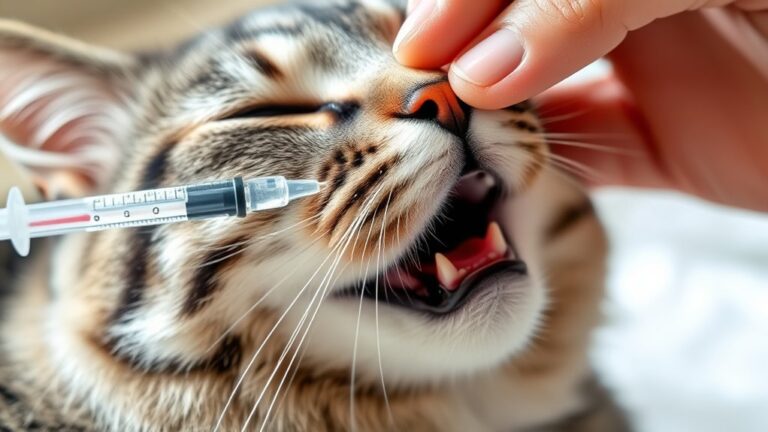
Curious about the safety and effectiveness of topical flea treatments for your cat? Topical safety is generally high when used as directed, but it’s important to follow the instructions carefully.
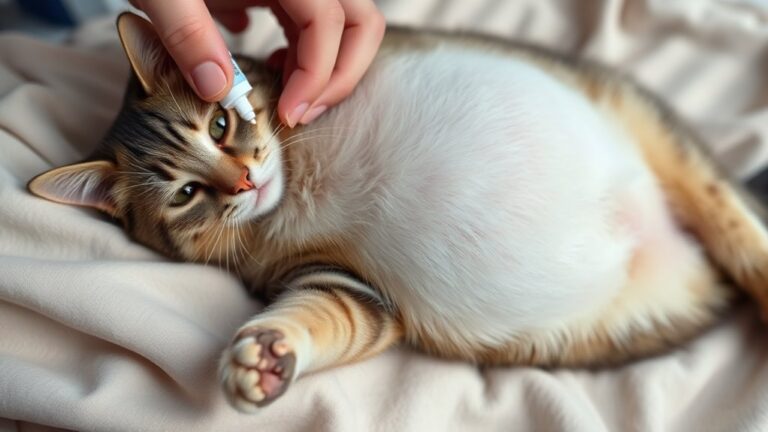
These treatments are designed to target fleas quickly and often provide long-lasting protection, making them effective options for many cats. When applied properly to the skin at the back of your cat’s neck, they work by distributing active ingredients that kill fleas on contact.
Most products are safe for healthy cats, but you should always check for any specific contraindications or sensitivities. The effectiveness varies depending on the product and how it’s applied, but many owners notice a noticeable flea reduction within 24 hours.
Are Natural Flea Remedies Safe for Cats?
You’re probably wondering if natural flea remedies are safe for your cat, right? It’s definitely something to think about because not all natural options are necessarily safe. While they might seem gentle and harmless, there can still be risks involved.
The thing is, how well these remedies work can really vary from one cat to another. Plus, if you use the wrong amount or apply them incorrectly, you might end up doing more harm than good. So, it’s super important to make sure you’re following the right guidelines and instructions before giving any natural treatment a try.
Safety Concerns and Risks
Natural flea remedies often seem like a safer alternative, but their safety for cats isn’t always guaranteed. Even natural options can cause flea toxicity symptoms if used improperly or in the wrong dosage.
Cats are especially sensitive to certain essential oils and herbal treatments, which can lead to adverse reactions. Moreover, some natural remedies may interact negatively with other medications your cat is taking, increasing the risk of side effects or toxicity.
It’s essential to carefully read labels and consult your veterinarian before trying any natural flea treatment. Remember, just because a product is labeled as “natural” doesn’t mean it’s safe for every cat.
Always prioritize your cat’s health and safety by seeking professional guidance.
Effectiveness of Natural Remedies
While natural flea remedies may seem appealing, their effectiveness can vary a lot. It’s important to evaluate if they really work for your situation. Herbal solutions and essential oils are popular choices, but several factors influence how well they perform.
First, the quality of ingredients matters. Pure, high-quality herbal solutions and oils are more likely to be effective. Proper application is also key to making sure these remedies reach the fleas hiding in your cat’s fur.
Keep in mind that fleas have a life cycle. Natural remedies might only target adult fleas, leaving eggs and larvae behind. This can lead to reinfestation over time.
Some cats tolerate herbal solutions and essential oils well, but others may have sensitivities. Always do thorough research before trying natural remedies on your feline friend.
Proper Usage and Dosage
Ensuring the safe and effective use of herbal flea remedies requires careful attention to proper dosage and application. Always follow the dosage guidelines provided by the manufacturer or consult your veterinarian for personalized advice.
Overdosing can cause adverse reactions, so measure each dose accurately. When applying natural remedies, use application tips such as applying the product directly to your cat’s skin in the recommended areas and avoiding sensitive spots like the eyes and mouth.
Be consistent with treatment schedules, and monitor your cat for any signs of irritation or allergic reactions. Remember, natural doesn’t always mean safe in high doses. Proper usage and accurate dosage are key to keeping your cat flea-free and healthy without unnecessary risks.
What’s the Difference Between Prescription and Over-the-Counter Flea Medications?
Have you ever wondered what sets prescription flea medications apart from over-the-counter options? The main difference is in regulation and control. Prescription medications come with benefits like:
- Veterinary oversight, making sure your cat gets the right medication tailored to its needs.
- Stricter quality controls, so you know the medication is safe and effective.
- Customized treatment plans based on your cat’s health history.
On the flip side, over-the-counter options have some drawbacks. They’re less regulated, which can lead to ineffective or inappropriate treatments. Without a vet’s guidance, you might pick a product that isn’t suitable or safe for your cat’s specific situation.
While OTC options are often more convenient and cheaper, they don’t offer the same benefits as prescription meds. Things like professional oversight and tailored dosing make a big difference. Knowing these differences can help you make better choices and keep your cat safe and healthy.
How to Apply Flea Medication Correctly and Safely
Before you apply flea medication, make sure your cat is calm and relaxed. It’s a good idea to choose a quiet moment when your kitty isn’t stressed or overly active. Then, just carefully follow the instructions that come with the product—this means putting the medication in the right spot and at the right time.
Once you’ve applied it, keep an eye on your cat for a little while. Watch out for any unusual reactions or signs of discomfort. If anything seems off, don’t hesitate to contact your vet. It’s all about making sure your furry friend stays safe and comfortable!
Prepare Your Cat Properly
To apply flea medication safely and effectively, you need to prepare your cat beforehand. First, use gentle grooming techniques to calm your cat and check for existing fleas or skin issues. This helps reduce stress and makes the process smoother.
Second, choose a quiet, comfortable space where your cat feels secure, which can help minimize anxiety during application. Third, make sure your hands are clean and dry, and have the medication ready so you’re not rushing.
Taking these steps can help reduce stress and make the process easier for both of you. Proper preparation ensures the medication is applied correctly and safely, making it more effective while keeping your cat calm and comfortable.
Follow Application Instructions
Once your cat is calm and comfortable in a quiet space, it’s time to carefully follow the application instructions provided with the medication. Pay close attention to flea application tips to make sure you apply the product correctly.
Use the correct dosage to get the best results and reduce the risk of side effects. Measure the medication precisely, avoiding excess or not enough. If the instructions say to part the fur, do so gently to expose the skin, then apply directly to it.
Be careful to avoid contact with your cat’s eyes or mouth. Remember, following the instructions exactly helps ensure the flea medication works safely and effectively, protecting your cat from fleas and preventing re-infestation.
Monitor Cat After Treatment
After applying the flea medication, keep a close eye on your cat to make sure the treatment is working safely. Watching for symptoms and behavioral changes helps you catch any bad reactions early.
Look out for signs like excessive scratching, redness, or swelling around the application site. Also, notice if your cat becomes unusually tired or irritable.
To stay safe, follow these steps:
- Watch your cat’s activity and note any unusual tiredness or agitation.
- Check the application site daily for irritation, swelling, or discomfort.
- Keep track of behavioral changes like a decreased appetite or hiding, which could signal a reaction.
If you notice anything abnormal, contact your veterinarian right away. Staying alert helps ensure your cat’s safety and that the flea treatment is working effectively.
How to Prevent Flea Reinfestation in Your Home and Cat
Fleas can be stubborn pests that quickly re-infest your home and cat if you’re not careful. To keep them at bay, you need effective flea control strategies and regular cleaning habits.
Start by vacuuming carpets, furniture, and your pet’s bedding every day to pick up eggs and larvae. Wash your cat’s bedding and toys often in hot water to kill hidden fleas.
Use environmental flea treatments like sprays or foggers to target fleas hiding in your home. If you have outdoor space, treating your yard is also essential because fleas thrive there too.
Here’s a quick overview to help you prevent fleas:
| Action | Why it helps | How often |
|---|---|---|
| Vacuum thoroughly | Removes eggs, larvae, and adults | Daily during treatment period |
| Wash pet bedding | Gets rid of hidden fleas | Weekly |
| Use flea control products | Stops reinfestation | As directed on the package |
Stay vigilant, and you’ll break the flea cycle before it even starts.
When Should You Talk to Your Vet About Flea Treatment Options?
While regular cleaning and preventive measures can greatly reduce flea populations, there are times when consulting your vet becomes necessary to choose the most effective treatment plan. If your cat shows persistent signs of fleas despite your efforts, it’s time for a vet consultation. Understanding the flea lifecycle can help you recognize when treatment isn’t working and needs professional guidance.
You should seek veterinary advice if:
- Fleas keep returning despite ongoing treatments, which might mean resistance or improper application.
- Your cat shows signs of allergic reactions or skin infections caused by fleas.
- You’re unsure which flea medicine is safest or most effective for your cat’s age, health, or lifestyle.
A vet can evaluate these signs, identify underlying issues, and recommend the best flea treatment options. This ensures your cat stays healthy and comfortable.
Frequently Asked Questions
Can Flea Medications Cause Allergic Reactions in Cats?
Yes, flea medications can cause allergic reactions in cats, especially if they have allergies or are more sensitive. You might notice symptoms like itching, swelling, or redness after applying the treatment.
To reduce risks, always read the label carefully and pick products suitable for your cat’s age and health. It’s a good idea to check with your vet if you see any adverse reactions.
Monitoring your cat closely helps catch any issues early and keeps your feline friend safe.
How Often Should I Reapply Flea Treatments?
Think of flea treatment frequency as a steady drumbeat, keeping pests at bay. You should reapply flea treatments as often as the product instructions suggest—usually every 30 days.
The best application methods involve applying the medication directly onto your cat’s skin, ensuring it’s absorbed and effective. Regular reapplication maintains a protective shield around your feline.
This helps prevent fleas from invading your cozy sanctuary and keeps your cat comfortable and pest-free.
Are Flea Medications Safe for Pregnant or Nursing Cats?
Flea medication safety varies, especially for pregnant or nursing cats. You should always talk to your vet before using any flea treatment, as some medications can be unsafe during pregnancy or nursing.
Look for products labeled as safe for nursing cats. Your vet can recommend the best options that effectively fight fleas while keeping your cat healthy and safe during this sensitive time.
Never guess—professional guidance is essential.
Can Indoor Cats Get Fleas Without Outdoor Exposure?
Yes, indoor cats can get fleas without outdoor exposure. Flea transmission methods like contact with infested pets, humans, or contaminated bedding can bring fleas into indoor environments.
Fleas are excellent hitchhikers, so even if your cat stays inside, they can still pick up fleas from other pets or items brought into your home. Regular checks and preventive flea treatments are essential to keep your indoor cat flea-free.
What Are the Signs of Flea Medication Overdose in Cats?
Flea medication overdose in cats is like a storm brewing on the horizon. You might notice symptoms such as vomiting, diarrhea, excessive salivation, or tremors.
If these signs appear, it’s essential to seek overdose treatment immediately. Acting quickly can prevent serious complications.
Always follow dosage instructions carefully. And if you suspect an overdose, contact your veterinarian right away to ensure your feline’s safety.
Conclusion
Choosing the right flea medicine for your cat is like building a strong shield against those pesky invaders. It’s all about understanding your cat’s needs, talking to your vet, and applying treatments the right way.
When you do this, you can keep fleas away and your feline friend happy and healthy. Think of it as watering a garden to prevent weeds from taking hold.
A proactive approach is your best armor. With the right care, your cat can enjoy a flea-free paradise.