Why Does My Cat Yawn When I Pet Him?
Many cat owners notice their furry friends yawning during cuddles and wonder what it means. You’re not alone—understanding your cat’s signals can be tricky. You want to make sure your pet feels safe and happy, but sometimes their actions leave you confused.
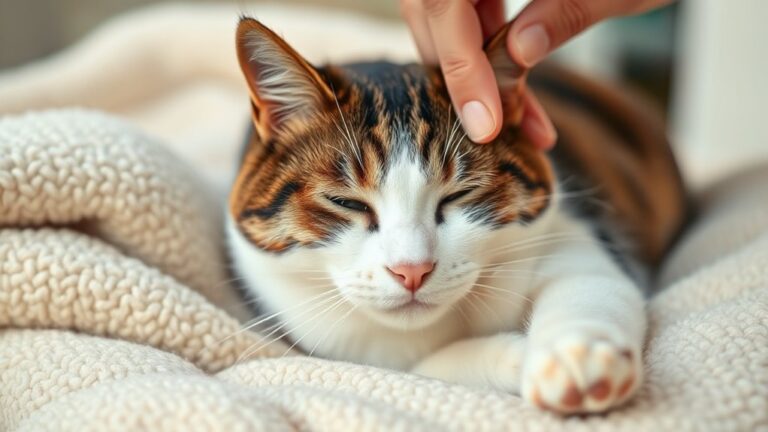
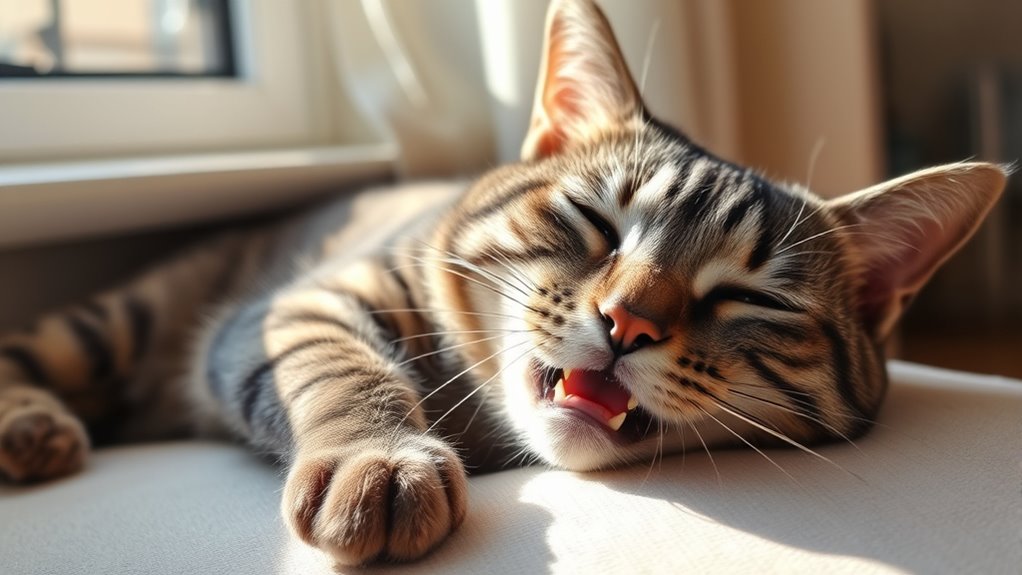
When your cat yawns during petting, it usually means he feels relaxed, safe, and comfortable with you. Yawning is a calming signal that indicates enjoyment of the interaction and a sense of security.
However, it can also be a sign of boredom or even stress if combined with tense body language.
Observing his overall behavior helps you understand his feelings. Keep exploring how these cues reveal your cat’s mood and how you can strengthen your bond.
Key Takeaways
- Yawning during petting often means your cat feels relaxed and comfortable around you.
- It can also be a calming signal, showing your cat is at ease during your interaction.
- Sometimes, yawning is just a reflex to stretch the jaw muscles as part of relaxing.
- On the other hand, it might also mean your cat is bored or needs a break from petting.
- To understand if the yawn is a sign of enjoyment or discomfort, pay attention to the overall body language and the context.
Why Do Cats Yawn During Petting?
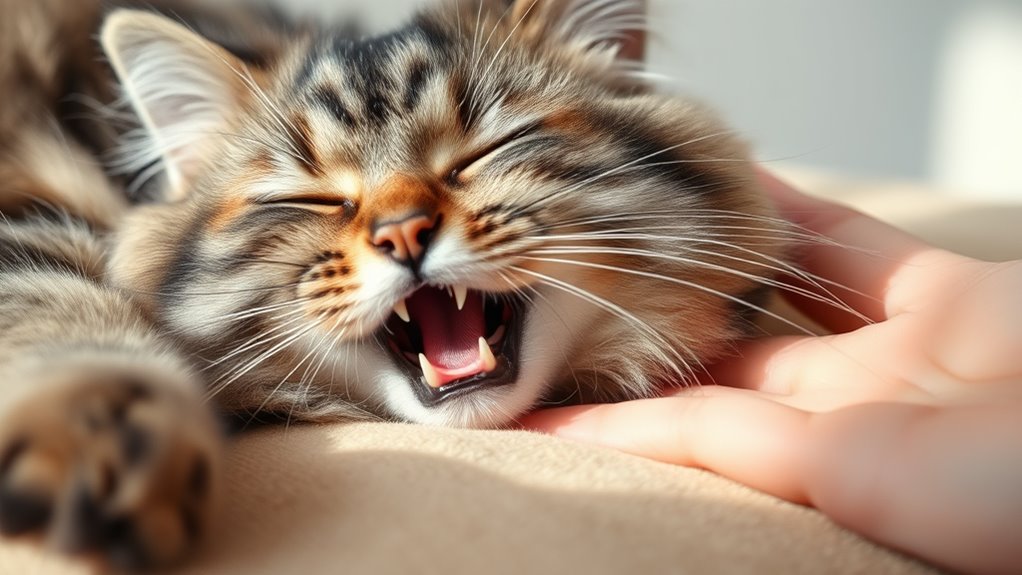
Many cats yawn during petting, and people often think it’s because they’re bored or annoyed. But yawning has more to do with how your cat feels in that moment.
When your cat yawns during petting, it’s usually a sign of comfort or relaxation, not stress. It’s a way for them to show they feel safe and at ease.
Yawning during petting often signals relaxation and a feeling of safety for your cat.
Yawning can also be a way for your cat to communicate that they’re enjoying the interaction, even if they look sleepy. Sometimes, it’s just a reflex to stretch their jaw muscles after moving around.
It’s helpful to watch your cat’s overall behavior. If they seem relaxed and keep enjoying the petting, yawning is probably a positive sign.
Instead of thinking they’re bored, see yawning as a sign that your cat is comfortable and content during your time together.
Is Yawning a Sign of Relaxation or Stress in Cats?
Is yawning in cats a reliable sign of relaxation or stress? It can be tricky to tell because yawning serves both as a sign of calm and a signal of stress in cat communication.
Yawning has a variety of causes, often linked to behavior cues that mean your cat needs to reset or calm down. When your cat yawns during petting, it could show they’re comfortable and trusting you.
On the other hand, frequent or exaggerated yawning might mean your cat is stressed or uncomfortable. This is especially true if it’s paired with other signs like tense body language or avoiding eye contact.
Figuring out whether your cat’s yawning comes from relaxation or stress depends on observing their overall behavior. Yawning is normal for cats, but context really matters.
How Can You Tell If Your Cat Is Calm or Stressed When Yawning?
Paying attention to your cat’s body language can help you tell if a yawn means they’re relaxed or stressed. Calm signals include relaxed muscles, half-closed eyes, and slow blinking. If your cat yawns while lying comfortably with a loose posture, they’re probably feeling at ease.
On the other hand, stress signs include tense muscles, flattened ears, dilated pupils, or a twitching tail. If your cat’s body looks stiff or they yawn suddenly in a tense environment, it could mean they’re uncomfortable or anxious.
Also, watch for other cues like avoiding eye contact or trying to move away. Recognizing these signs helps you understand how your cat feels when they yawn. A relaxed cat shows soft, loose body language, while a stressed cat appears tense.
Could Yawning Mean Your Cat Is Bored or Uncomfortable?
Have you noticed your cat yawning a lot during quiet moments or when they seem less interested? Yawning can sometimes mean your cat is bored, especially if they’re not very active or don’t show much curiosity about their surroundings.
It might also be a sign they’re feeling uncomfortable. If your cat yawns when being petted and seems distracted or uninterested, they could be bored or uneasy. Watch for other signs like avoiding eye contact or shifting away.
While yawning is usually normal, frequent or excessive yawning along with these cues could mean your cat needs more stimulation or a change in their environment. Paying attention to these signs can help you understand how your cat is feeling.
When Should You Worry About Excessive Yawning?
If your cat is yawning a lot more than usual, it could be a sign that something’s up. Sometimes, excessive yawning might indicate stress or anxiety, but it could also point to a health problem. It’s good to keep an eye on other behaviors too, like if your cat is hiding more than usual, has a change in appetite, or acts differently overall.
Getting to know what’s normal for your cat can really help you spot when something’s off. If you notice these signs along with lots of yawning, it’s probably a good idea to chat with your vet to make sure everything’s okay.
Signs of Stress or Anxiety
Excessive yawning in your cat might be a sign of stress or anxiety, especially if it happens along with other unusual behaviors. Keep an eye out for signals like flattened ears, dilated pupils, or a tense body.
Your cat might also hide more often or avoid interaction, which can indicate anxiety. If you notice these signs along with frequent yawning, your cat could be feeling overwhelmed or uneasy.
Stress can come from changes in the environment, loud noises, or new additions to the household. Recognizing these warning signs early helps prevent your cat from becoming more anxious.
Pay attention to your cat’s overall behavior and body language, as they can reveal if your pet is stressed. Addressing these signs quickly can help your cat feel calmer and more secure.
Indicators of Illness
While yawning is usually normal, it can be a sign that something’s wrong when it happens often or comes with other health issues. Excessive yawning might indicate your cat is feeling discomfort or tired due to health problems.
Keep an eye out for other signs like lethargy, loss of appetite, or trouble breathing along with persistent yawning. These could point to issues like respiratory infections, dental problems, or neurological conditions.
If your cat’s yawning seems unusual or if you notice behavioral changes, it’s a good idea to see your vet. Spotting these signs early can help you address health problems before they get worse, keeping your feline friend healthy and comfortable.
Normal vs. Excessive
Yawning is a common behavior in cats that usually indicates relaxation or boredom. Normal yawning happens occasionally, especially during naps or when waking up, and isn’t something to worry about.
But if your cat is yawning a lot—like frequently, for a long time, or in quick bursts—that could be a sign of stress, discomfort, or health problems.
If your cat is yawning more than usual or it seems to be bothering them, it’s a good idea to pay attention. Check for other signs like changes in appetite, behavior, or activity levels.
While occasional yawning is harmless, persistent or excessive yawning should be checked out by a vet. It’s always best to trust your instincts and get professional advice if you’re worried.
How Do You Differentiate Between Yawning and Stretching in Cats?
Figuring out whether your cat is yawning or stretching can sometimes be tricky, but paying attention to their body language and the timing really helps. When your cat yawns, you’ll usually see their mouth open wide, and they tend to look pretty relaxed overall. It often happens when they’re sleepy or just bored, almost like a quick sign that they’re ready to doze off.
On the other hand, stretching usually involves more movement—think of their limbs extending fully and their back arching gracefully. Cats often stretch right after waking up or during their active periods to loosen up their muscles. So, if you see your kitty with their paws reaching out and their back arched, it’s probably a good old stretch rather than a yawn!
Body Language Differences
Recognizing the difference between a cat’s yawn and a stretch is key to understanding their body language. Yawning usually shows as a wide-open mouth with relaxed facial muscles, often with half-closed eyes, signaling contentment or mild boredom.
In contrast, a stretch involves extending the front or back limbs with slow, deliberate movements. It shows the cat is loosening muscles or getting ready for activity.
While yawning indicates relaxation or tiredness, stretching suggests alertness or comfort. Paying attention to these subtle cues helps you understand what your cat is trying to communicate.
Noticing when your cat stretches versus when they yawn can deepen your understanding of their emotional state. This awareness can strengthen your bond and improve how you interpret their behavior.
Timing and Context
Understanding the timing and context of your cat’s movements is key to telling whether they’re yawning or stretching. Since cats often use similar motions, paying attention to timing cues and context clues can really help you figure out what they’re up to.
Here are three tips to tell them apart:
- Timing cues: Yawning usually happens when your cat is relaxed or just waking up. Stretching, on the other hand, usually occurs after resting or before they start moving around.
- Context clues: If your cat is grooming or settling down, they’re probably yawning. If they’re waking up or about to move, it’s more likely a stretch.
- Movement pattern: Yawns are quick and involve opening the mouth wide. Stretches tend to involve elongating limbs or arching their back.
Physical Signs and Movements
Paying close attention to your cat’s physical signs and movements can help you tell the difference between a yawn and a stretch. Yawning usually happens when your cat is relaxed or sleepy, with their mouth opening wide and slow, deliberate movements.
Stretching, on the other hand, involves extending their limbs or arching their back. It often happens after waking up or during rest. A yawn lasts only a second or two and involves minimal body movement.
Stretching involves more deliberate, elongated motions. Recognizing these differences helps you understand what your cat is trying to communicate. Yawning can mean boredom, tiredness, or a way to calm themselves.
Stretching generally shows they’re waking up or relaxing. Knowing these cues deepens your connection and helps you respond appropriately to your cat’s needs.
Does Your Cat’s Age or Breed Affect Yawning Habits?
Your cat’s age and breed can influence how often and in what situations they yawn. Age factors play a role; kittens tend to yawn more as they explore and learn, while older cats may yawn less or more because of tiredness or health issues.
Breed also affects yawning habits. Some breeds are more relaxed and prone to yawning, while others are more alert and less likely to do so.
Here are three key points to consider:
- Age factors: Younger cats often yawn during play or when sleepy, while seniors yawn because they might be uncomfortable or tired.
- Breed influences: Calm breeds like Ragdolls or Siamese may yawn more often during relaxing moments.
- Behavioral differences: Some breeds are more vocal or expressive, which can change how and when they yawn during petting or interaction.
Knowing these things can help you understand your cat’s yawning habits better.
Tips to Make Your Cat Feel More Comfortable During Petting
If you want your cat to feel more comfortable when you’re petting them, it’s really important to pay attention to their boundaries and watch for any signs they might be uncomfortable. Every cat is different, so taking things slow and gentle can make a big difference.
Try to use slow, gentle movements instead of quick or rough strokes. This helps prevent startling your cat or making them feel stressed out. When they see that you’re calm and careful, they’re more likely to trust you and enjoy the interaction. Just a little patience can go a long way in making your cat feel safe and relaxed during petting sessions.
Respect Your Cat’s Limits
Understanding your cat’s body language is key to respecting their limits during petting sessions. Recognizing boundaries helps you create a safe, comfortable environment. To do this:
- Watch for signs like tail flicks, ear positions, or tense muscles, which show your cat might be reaching their comfort zone.
- Respect their boundaries by stopping petting when they show signs of agitation or want to withdraw.
- Gradually learn to recognize how your cat responds to different touches, and adjust your approach based on their reactions.
Use Gentle, Slow Movements
Using gentle, slow movements during petting helps your cat feel safe and relaxed. When you adopt a slow approach, your cat can trust your touch more, which reduces stress or overstimulation.
Gentle strokes along their back or head show you’re attentive without overwhelming them. Keep your movements calm, and avoid quick or abrupt motions that might startle your cat.
Remember, fast or sudden movements can make your cat uncomfortable or cause them to yawn, which is a sign of stress. Pay attention to your cat’s body language and adjust your touch accordingly.
To create a calming experience, watch how your cat responds and respond gently. Here’s a helpful table to guide you:
| Tip | Explanation |
|---|---|
| Use gentle strokes | Light, soothing touches to avoid overstimulating |
| Approach slowly | Give your cat time to feel comfortable before petting |
| Watch for signs | Notice body language indicating relaxation or stress |
| Stay consistent | Keep your movements gentle and predictable |
| Respect boundaries | Stop if your cat shows signs of discomfort |
Can Yawning Be a Way Cats Communicate With You?
Here are some ways yawning can communicate:
- Relaxation: Your cat feels comfortable and safe around you. A yawn can be a sign that they’re at ease in your presence.
- Calming signals: Yawning can help reduce tension during interactions. It’s like a way for your cat to ease any stress or discomfort.
- Disinterest or boredom: Sometimes, a yawn might mean your cat is ready to disengage. They could be feeling uninterested or tired of the current situation.
Understanding these yawning signals helps you get a better sense of your cat’s mood. It’s a quiet way for your feline friend to share how they’re feeling, without making a sound.
Recognizing yawning cues reveals your cat’s feelings, strengthening your bond through silent, shared communication.
Recognizing this form of communication deepens your bond. It helps you respond better and creates a stronger connection with your kitty.
How Understanding Your Cat’s Yawning Can Strengthen Your Bond
When you understand what your cat’s yawns truly mean, you can respond in ways that deepen your bond. Recognizing the yawning significance helps you see if your cat is relaxed, tired, or signaling discomfort.
For example, a yawn during petting might be your cat’s way of giving a subtle cue. It could mean they feel safe but are ready for a break.
Responding appropriately—like giving your cat space or gentle reassurance—shows you’re paying attention to their needs. This builds trust and helps your cat feel understood and secure.
Over time, noticing these cues improves communication and reduces stress for both of you. When you learn to read the signals behind your cat’s yawns, you create a more harmonious bond based on mutual understanding.
Ultimately, this attentiveness encourages your cat to be more open and affectionate. It makes petting sessions more enjoyable for both of you, strengthening your relationship.
Frequently Asked Questions
Can Medication Cause Increased Yawning in Cats?
Yes, medication effects can cause increased yawning behaviors in cats. Certain drugs, especially sedatives or pain relievers, may make your cat more relaxed or drowsy, leading to more frequent yawning.
If you notice your cat yawning excessively after starting medication, it’s a good idea to talk to your veterinarian. They can determine if it’s a normal side effect or if adjustments are needed.
This helps ensure your cat stays comfortable and healthy.
Does Environmental Change Affect a Cat’s Yawning Frequency?
Think of your cat as a tiny, furry Leonardo da Vinci, sensitive to environmental stress. Changes in surroundings can influence how often your cat yawns because of new or unfamiliar stimuli.
Environmental stress and yawning triggers like loud noises, new people, or unfamiliar scents may make your cat yawn more often. These yawns help your cat relax, signaling that the surroundings are manageable or that they need a break.
Are There Specific Signs That Indicate a Cat’s Discomfort During Petting?
Yes, there are specific signs that show your cat isn’t comfortable during petting. Keep an eye on their body language and stress signals.
If they flatten their ears, twitch their tail, or try to move away, those are clear signs they’re feeling uneasy.
Puffed-up fur, dilated pupils, or vocal sounds can also mean they’re uncomfortable.
Recognizing these cues helps you respect your cat’s boundaries and makes petting a better experience for both of you.
How Does a Cat’s Health Condition Influence Yawning?
A cat’s health condition can significantly influence its yawning behavior, as it often signals underlying health issues.
If your cat yawns excessively or shows other signs like lethargy or loss of appetite, it could be a sign of illness or discomfort.
Yawning might also indicate stress or fatigue related to health problems.
Keeping an eye on these behaviors helps you catch potential issues early and get veterinary advice when needed.
Can Yawning Be a Sign of Underlying Medical Issues?
Yawning behavior in cats can sometimes signal underlying medical issues, especially if it’s frequent or accompanied by other symptoms.
While yawning is a normal part of feline communication and relaxation, persistent or abnormal yawning might indicate stress, pain, or health problems like respiratory issues.
If your cat’s yawning seems unusual or is paired with other signs, it’s best to consult your veterinarian to rule out any medical concerns.
Conclusion
Understanding why your cat yawns when you pet him is like unlocking a secret code—each yawn a gentle whisper of his feelings. By paying attention, you can tell if he’s relaxed or stressed, which helps strengthen your bond.
Remember, his yawns are part of his language, a bridge that connects your world. So, keep observing and nurturing that quiet communication. It’s the key to a happier, more harmonious animal companionship.
When your cat yawns during petting, it’s often a sign he’s comfortable and at ease. But sometimes, it could also mean he’s a bit overwhelmed or tired. Watching for other signs can help you understand his mood better.
Overall, understanding why your cat yawns when you pet him helps you communicate better. It’s just one more way your feline friend lets you know how he’s feeling.