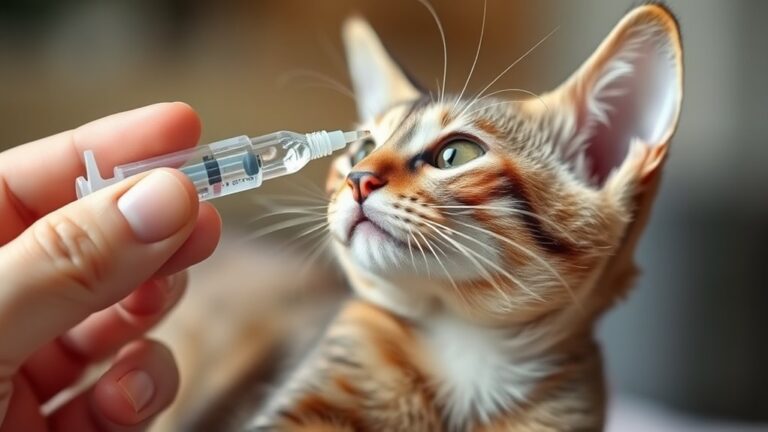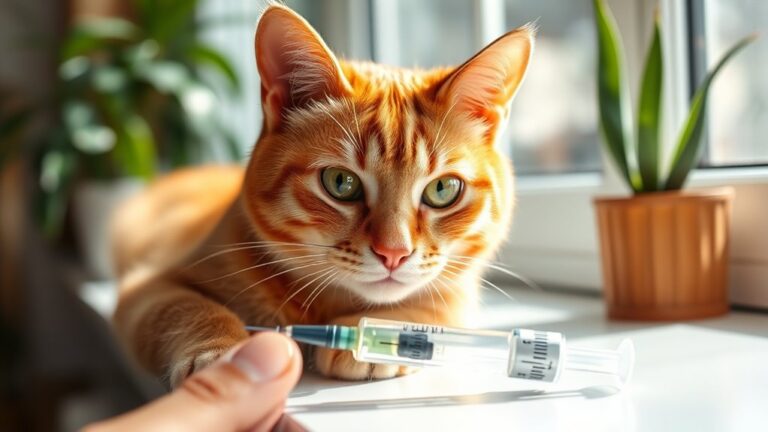
10 Easy Steps to Apply Flea Medicine for Cats
Dealing with fleas on your cat can be a frustrating experience, and you’re not alone in feeling overwhelmed. Many pet owners struggle to find effective and easy ways to keep fleas at bay. Luckily, there are simple steps you can follow to ensure your feline friend stays flea-free and comfortable.
To apply flea medicine to your cat, start by choosing a product suitable for their age and health. Prepare your cat with gentle grooming and a calm environment.
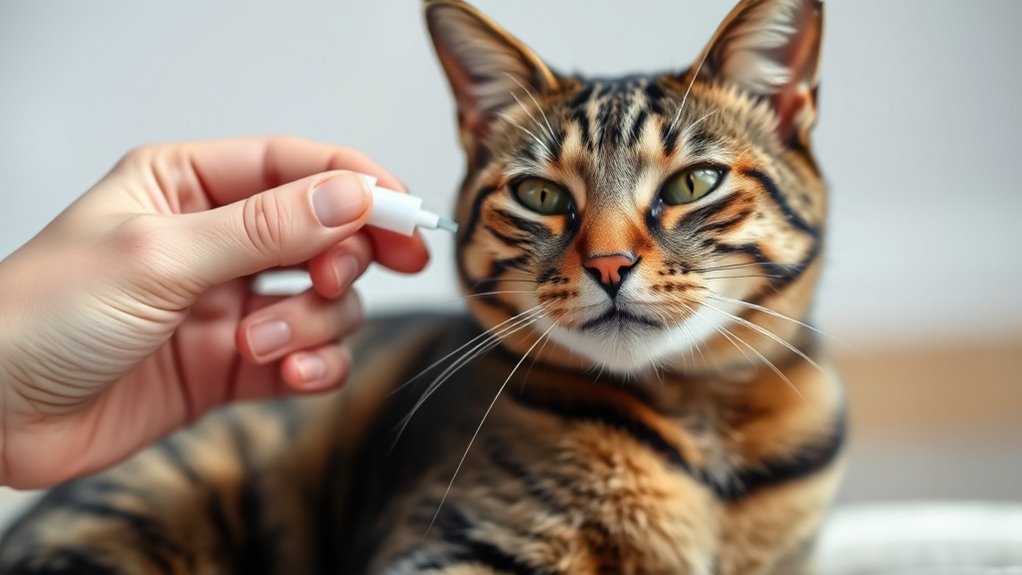
Wear gloves, part the fur, and apply the medication directly to the skin at the base of the neck. Keep your cat relaxed, reward them afterward, and monitor for fleas.
If resistance or issues arise, there are solutions. Keep your cat protected and comfortable with these easy steps to guarantee success.
Key Takeaways
- Wear protective gloves and carefully read all product instructions before applying.
- Groom your cat to remove loose fur and make sure the skin is clean and dry.
- Part the fur at the base of the neck to expose the skin for medication.
- Apply the correct dosage directly to the skin, making sure not to over- or under-apply.
- Use calming techniques and treats to help your cat stay relaxed during the process.
How to Choose the Best Flea Treatment for Your Cat
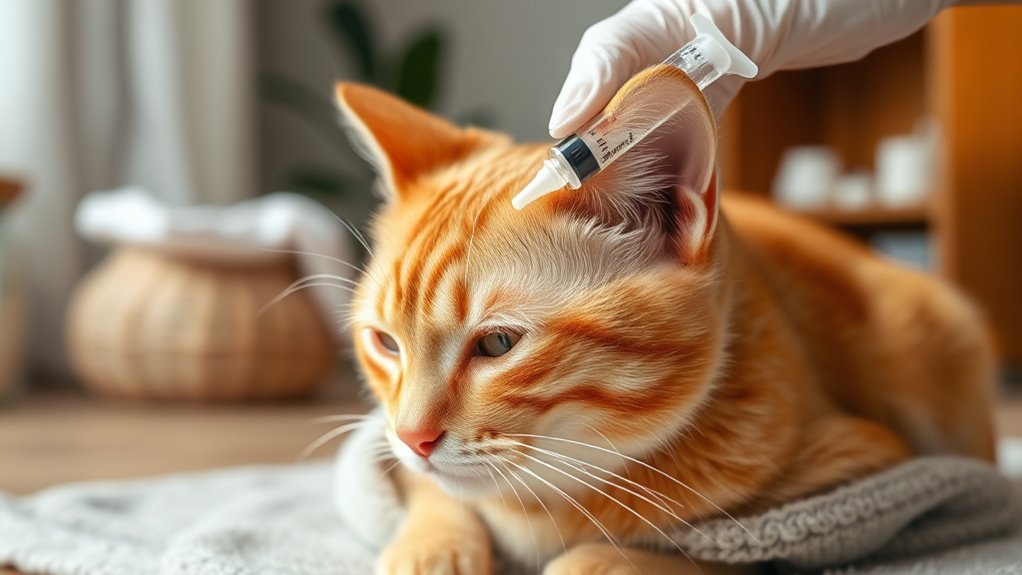
Wondering how to pick the right flea treatment for your cat? Start by exploring different flea prevention methods. Some options include topical treatments, oral medications, and flea collars.
Consider your cat’s age, health, and lifestyle when choosing a product. If your cat has sensitivities or allergies, natural remedies might be safer. These include diatomaceous earth, herbal sprays, or essential oils, but always check with your vet first.
Read labels carefully to ensure the treatment is suitable for cats and effective against fleas. Some treatments work faster, while others offer longer-lasting protection.
Keep in mind that some products target adult fleas only, so you may need a combination approach. Consulting your veterinarian helps you pick the safest and most effective flea prevention method for your cat.
Preparing Your Cat Before Applying Flea Medicine
Start with these steps:
- Use gentle cat grooming tips to brush your cat, removing loose fur and dirt. This helps the medication absorb better and makes your cat feel calmer.
- Employ calming techniques like speaking softly, offering treats, or petting gently to keep your cat relaxed.
- Make sure your cat is clean and dry; don’t apply medicine right after a bath, since wet fur can interfere with absorption.
Taking these steps helps your cat stay comfortable and reduces stress. A calm, well-groomed cat responds better to treatment, making the process easier for both of you. Remember, patience and gentle handling are key to getting ready successfully.
Step-by-Step: How to Apply Flea Medicine Properly
Applying flea medicine properly is really important, so let’s go through it step by step. First, make sure you prepare your cat ahead of time—maybe have some treats ready to keep her calm. It’s also a good idea to wear protective gloves just to avoid any contact with the medication.
Next, carefully read and follow the instructions on the product’s label. Every brand might have a slightly different way of applying it, so sticking to the directions ensures it works safely and effectively.
Taking your time and paying attention to these steps will help keep your cat protected and comfortable during the process.
Prepare Your Cat Carefully
Before applying flea medicine, it’s important to make sure your cat is calm and comfortable. A relaxed cat makes the process easier and safer. Start with a gentle grooming session to remove loose fur and help reduce stress.
Use calming techniques like speaking softly or offering treats to reassure your pet. To prepare well, ensure your cat is in a quiet, familiar space.
Keep all your supplies within easy reach so you don’t have to move around too much. Handle your cat gently and speak softly during the process for the best results.
Wear Protective Gloves
Wearing protective gloves is a must when applying flea medicine because it helps prevent accidental skin contact with the medication. This simple step keeps you safe from potential irritation or chemical absorption.
Always put on gloves before opening the product. They act as a barrier, reducing the chance of transferring medicine to your skin or other surfaces. Make sure your gloves fit snugly but are still comfortable, covering your hands completely.
After you finish applying the medication, dispose of the gloves properly and wash your hands thoroughly. These protective measures not only keep you safe but also help ensure the treatment stays effective.
Follow safety guidelines every time to make sure the flea prevention process is both safe and successful.
Follow Application Instructions
Applying flea medicine correctly is key to making sure it works and keeping your cat safe. Make sure to follow the instructions carefully so you get the right dose and the treatment is effective.
Start by reading the label thoroughly and understanding the recommended application techniques. This helps you avoid mistakes and ensures proper use.
Measure the correct amount precisely—don’t go overboard or use too little. Accurate dosing is crucial for your cat’s safety and the medicine’s effectiveness.
Apply the medication directly to the skin at the base of your cat’s neck. Part the fur so the medicine makes good contact with the skin underneath.
Always double-check the instructions for your specific product and take your time. Proper application and correct dosage are essential for eliminating fleas and preventing them from coming back.
Tips to Make Flea Treatment Easier for Your Cat and You
To make flea treatment easier for both you and your cat, start by creating a calm and relaxed environment. Gently get your cat comfortable and maybe even play some soothing music or do something that helps your kitty feel at ease.
Using treats or favorite toys can be a great way to distract and comfort your cat during the process. Just make sure to follow the application instructions carefully so the medication works effectively and keeps your furry friend flea-free!
Prepare Your Cat Properly
Getting your cat ready for flea treatment can make the process smoother and less stressful for both of you. To do this, consider these steps:
- Observe your cat’s behavior: If your cat is anxious or skittish, plan to calm them with gentle words or a quiet environment.
- Use comfort techniques: Wrap your cat in a soft towel or hold them securely to reduce movement.
- Create a calm environment: Choose a quiet, familiar space free of loud noises or distractions.
Use Treats or Toys
Using treats or toys can turn flea treatment into a more positive experience for your cat. Many cats have specific flea medicine preferences, so offering a tasty treat afterward can help build a positive association with the process.
Before applying the medication, give your cat a favorite toy or a treat to create a relaxed environment. During application, use positive reinforcement by praising your cat or offering a reward, which can make future treatments easier.
Keep treats handy and reward your cat immediately after applying the flea medicine to encourage cooperation. This approach reduces stress for both of you and helps your cat associate flea treatment with a rewarding experience.
With patience and positive reinforcement, you’ll make flea medicine time smoother and less stressful.
Follow Application Instructions
Following the application instructions carefully can make flea treatment much easier for both you and your cat. Properly following the directions guarantees maximum flea medicine effectiveness and helps maintain the correct application frequency.
To make the process smoother, read the label thoroughly before applying to understand dosage and timing. Use the recommended amount and avoid over-application, which can reduce effectiveness.
Apply at the right intervals, usually monthly, to keep fleas at bay and guarantee ongoing protection. Sticking to these steps assures your cat gets the full benefit of the treatment.
Accurate application not only improves effectiveness but also minimizes stress for both of you, making flea control a simple part of your routine.
What to Do If Your Cat Resists Flea Medication?
If your cat resists flea medication, it can be frustrating, but there are effective ways to handle the situation. Understanding flea resistance factors can help you choose a more tolerable treatment, as some cats may be more sensitive to certain products.
To make application easier, try calming techniques like speaking softly, gently petting your cat, or offering treats beforehand. Use a calm, confident approach to reduce your cat’s anxiety, which can make them more cooperative.
If your cat struggles, consider wrapping them snugly in a towel to prevent scratching or escape. This makes the process less stressful for both of you. Patience is key—don’t force the medication, as this could increase resistance.
Instead, take your time, stay calm, and be gentle. Over time, these calming techniques and understanding resistance factors can help your cat accept flea medication more easily, ensuring they stay protected without added stress.
How to Ensure the Correct Dose and When to Reapply
Ensuring your cat gets the right dose of flea medication and knowing when to reapply are key to keeping them protected. Getting the dosage right is important to prevent under- or over-medicating, which can either reduce effectiveness or cause side effects.
Always follow the label instructions based on your cat’s weight and age. If you’re unsure, check with your vet for any needed dosage adjustments.
Pay attention to how often you need to reapply—usually every month—to keep your cat protected. Mark the reapplication dates on a calendar or set reminders on your phone so you don’t forget.
Common Mistakes When Applying Flea Medicine and How to Avoid Them
Applying flea medicine the wrong way or skipping important dosage steps can really cut down on how well it works. Sometimes, you might miss a spot or use too much or too little, and that can leave your cat still at risk of fleas. To avoid these issues, it’s a good idea to carefully read and follow the instructions on the packaging. Double-check the dosage before you apply it—that way, you know you’re giving your kitty the right amount for it to be effective.
Incorrect Application Techniques
One of the most common mistakes when applying flea medicine is not following the instructions carefully, which can reduce its effectiveness and even cause side effects. To get the best results from your flea product, avoid these common application errors.
- Applying too little or too much. Under-dosing might not kill fleas, while over-dosing can be harmful to your cat.
- Applying the product at the wrong spot. Always target the skin at the base of the neck or between the shoulder blades, not on the fur.
- Not parting the fur properly. Failing to expose the skin can prevent the medicine from absorbing correctly, decreasing its effectiveness.
Missing Dosage Instructions
| Cat’s Weight | Flea Medicine Dose |
|---|---|
| Up to 5 lbs | Small dose. |
| 6-10 lbs | Standard dose. |
| 11-15 lbs | Slightly increased. |
| 16-20 lbs | Larger dose. |
| Over 20 lbs | Consult your vet. |
Adhering to precise dosage guidelines guarantees safe and effective flea control.
Monitoring Your Cat After Treatment and Keeping Fleas Away
After treating your cat for fleas, it’s important to keep a close eye on their behavior and health to make sure the treatment is working. Monitoring helps spot any remaining fleas or side effects early on.
To improve your flea prevention plan, watch your cat’s activity and skin condition regularly.
Here are three key steps:
- Check your cat every day for fleas or flea dirt, especially around the neck and tail.
- Look for signs like itching, redness, or hair loss, which could mean fleas are still there or your cat is having an allergic reaction.
- Keep your environment clean by washing bedding often and vacuuming regularly to stop fleas from coming back.
Consistent monitoring after treatment helps keep your cat flea-free and allows you to catch problems early. Combining these habits with ongoing prevention efforts gives you the best chance of keeping fleas away long-term.
When to Talk to Your Vet About Flea Control
Knowing when to talk to your vet about flea control is key for effective treatment and long-term prevention. If you notice fleas sticking around despite regular treatments, it’s time to get professional advice. Recognizing the flea lifecycle helps you see why some fleas keep developing, especially eggs or larvae.
Your vet can suggest the best preventive measures tailored to your cat’s needs. If your cat shows signs of allergic reactions, excessive scratching, or skin infections, don’t wait—call your vet right away.
Also, if your cat has underlying health issues, some flea treatments might not be suitable. Getting professional guidance ensures your cat’s safety. Regular check-ups help keep your flea control plan working and allow adjustments if needed.
Don’t hesitate to ask your vet about new products or extra steps to break the flea cycle. This helps keep your cat comfortable and flea-free for the long haul.
Troubleshooting Difficult Cases and Alternative Flea Treatments
When standard flea treatments don’t seem to work, troubleshooting can be key to getting rid of those stubborn fleas. First, double-check that you’re applying the medication correctly and consistently. Sometimes, improper use can really cut down on how effective it is.
Ensure proper, consistent application of flea treatments for better results.
Next, consider natural remedies and home treatments as alternatives. These can include regular vacuuming, washing bedding, and using flea combs to physically remove fleas. If fleas still persist, try these three steps:
- Use natural remedies like diatomaceous earth or herbal sprays to treat your cat’s environment.
- Apply home treatments such as flea traps or diluted essential oils to help reduce flea populations.
- If needed, consult your vet for alternative medications or advice, especially if your cat has sensitivities.
Frequently Asked Questions
Can I Use Human Flea Treatments on My Cat?
You shouldn’t use human flea treatments on your cat because of flea treatment safety concerns. Human medications pose significant risks to cats as their bodies react differently to these products.
Using human flea treatments can lead to poisoning or severe health issues. Always choose vet-approved feline flea medications to guarantee your cat’s safety and effectiveness.
Never assume human treatments are safe for pets. They’re not designed for animals and can be dangerous.
How Long Does Flea Medicine Take to Work?
Flea medicine usually starts working within 24 to 48 hours, but it can take up to a week for full effectiveness. Did you know that over 90% of flea eggs can hatch within two weeks?
The treatment duration varies, but most products show results quickly, reducing fleas and eggs efficiently. You’ll notice fewer fleas on your cat as the medicine takes effect, keeping them comfortable and flea-free.
Are There Natural or Home Remedies for Fleas?
Yes, there are natural remedies for fleas. You can try natural repellents like diatomaceous earth or sprinkle your cat’s bedding with lemon or eucalyptus essential oils, which may help deter fleas.
However, be cautious with essential oils, as some can be toxic to cats. While these methods can reduce fleas, they might not eliminate an infestation completely.
For severe issues, it’s best to consult your vet for safe, effective treatments.
Can Fleas Cause Health Issues for My Cat?
Yes, fleas can cause health issues for your cat. If you notice flea symptoms like itching, hair loss, or skin irritation, it’s a sign of a problem.
Fleas also carry their lifecycle, spreading quickly and leading to anemia or infections if not treated. They can even transmit diseases like bartonellosis.
Regular checks and prompt treatment help protect your cat from these health risks and break the flea lifecycle.
How Do I Prevent Fleas From Returning Long-Term?
To prevent fleas from returning long-term, you need consistent flea prevention strategies. Regularly use veterinarian-recommended flea treatments, even when you don’t see fleas.
Keep your home clean by vacuuming often and washing your cat’s bedding regularly. Consider using flea combs to catch any early infestations.
Combining these long-term solutions guarantees your cat stays flea-free and reduces the chance of future infestations.
Conclusion
Remember, patience is key when treating your cat for fleas. With the right approach and a little persistence, you’ll get through it smoothly. Keep an eye on your feline friend’s response and consult your vet if needed.
After all, “A stitch in time saves nine,” so tackling flea issues early guarantees your cat stays happy and healthy. Stay consistent, and soon those pesky fleas will be a thing of the past!