Can a Feral Cat Become a House Pet?
Are you dreaming of turning a feral cat into a loving house pet but feeling overwhelmed by the challenges? You’re not alone. Many people struggle with socializing feral cats and worry about whether they’ll ever trust humans.
Yes, feral cats can become loving house pets, but it takes patience, proper preparation, and gradual socialization. You’ll need to create a safe space and build trust slowly through positive interactions like treats and soft talking.
Be prepared for some challenges, such as cautious behavior or territorial instincts. If you’re willing to invest time and care, your feral cat can eventually feel comfortable indoors.
Keep exploring related tips to help you succeed in this rewarding journey.
Key Takeaways
- Feral cats can become house pets with patience and consistent socialization efforts.
- Building trust involves slow, positive interactions and creating a safe, quiet environment.
- Recognizing signs of comfort and trust helps you see how the socialization is going.
- Challenges include their cautious nature and strong territorial instincts, so take things slowly.
- Consulting with a veterinarian or animal behaviorist can help improve your chances of success and ensure proper care.
Can a Feral Cat Become a Loving House Pet?
Can a feral cat truly become a loving house pet? The answer depends on many factors, but it’s definitely possible. Feral cats have adaptations like heightened alertness and self-reliance that help them survive outdoors.
However, these same instincts can make socialization a challenge. Feral cats are often wary of humans, and their survival skills make them cautious in new environments.
Feral cats’ survival instincts make socialization difficult, as they often remain wary of humans and cautious in new settings.
To help a feral cat become a loving companion, patience is key. You’ll need to gradually build trust, respecting their natural instincts while providing a safe, quiet space.
Over time, some feral cats learn to enjoy gentle interactions, purring and seeking affection. Keep in mind, not every feral cat will fully adapt, but many can develop strong bonds with consistent care.
Understanding their instincts helps you create a supportive environment, increasing the chances they’ll become affectionate indoor pets.
What Are the Key Behaviors and Traits of Feral Cats?
Feral cats show a variety of behaviors and traits that make them different from domesticated cats. They tend to be cautious, wary of humans, and very independent. Their hunting instincts are strong, and they often rely on stalking and pouncing to catch prey.
They’re usually skittish, easily startled, and prefer hiding whenever they can. Even if they’re fed regularly, their natural hunting instincts still drive them to hunt small animals. Socialization can be challenging, so they often avoid human contact and other pets.
Feral cats are very territorial. They mark and defend their space fiercely. Understanding these behaviors can help you better anticipate how they might react if you’re trying to adapt a feral cat to a home environment.
How Do You Prepare Your Home for a Feral Cat?
Preparing your home for a feral cat means creating a safe, quiet space where they can slowly get used to their new environment. Set up a small, enclosed area with essentials like a cozy bed, litter box, and water.
Keep this space calm and free from loud noises or sudden movements to help the cat feel secure. Use crates or pens to limit their access at first, so they can explore at their own pace.
Establish safe spots within this area where they can retreat if they feel overwhelmed. Don’t try to give too much attention too quickly—let the cat decide when to approach.
Having these safe spaces helps reduce stress and build trust. Remember, patience is key. Your goal is to make a welcoming environment that helps the feral cat feel safe and comfortable as they start to settle in.
What Are the First Steps to Socialize a Feral Cat?
To start socializing a feral cat, take things slowly and patiently. Understanding their behavior is important because they tend to be wary and avoid direct contact at first. Your aim is to build trust gradually and make them feel safe in their environment.
Begin by creating a quiet, enclosed space where the cat can retreat without feeling threatened. This safe spot helps them feel secure while they get used to your presence.
Next, use positive reinforcement like food, treats, or toys. This helps the cat associate you with good experiences and makes them more comfortable around you.
Let the cat observe you from a distance and slowly decrease that distance over time. Avoid rushing and give them time to get used to your presence.
Spend time nearby daily, speaking softly and moving slowly. Consistency and gentle effort are key to easing feral cat behavior and building trust.
How Long Does It Take for a Feral Cat to Trust You?
Building trust with a feral cat isn’t an instant process; it typically takes weeks or even months. During this time, your patience and consistent trust-building techniques are really important. You’ll see progress through small signs—like the cat approaching, allowing petting, or eating nearby.
Gradual exposure helps the cat get comfortable with your presence and reduces their fear. Imagine this progression:
| Stage | Behavior | Timeframe |
|---|---|---|
| Initial Contact | Observes from a distance | First few weeks |
| Comfort Zone | Approaches when hungry | 3–4 weeks |
| Trust Grows | Allows gentle petting | 1–2 months |
| Full Acceptance | Seeks your company | Several months |
How Can I Build a Bond With a Feral Cat?
Ever wonder how to create a genuine bond with a feral cat? Building trust takes patience and consistency. Start by offering treat training, where you give small, tasty treats to reward positive behaviors. This helps the cat associate you with something pleasant.
Next, engage in gentle play using toys like feather wands or laser pointers. This creates positive experiences and helps reduce their fear. Keep your voice calm and move slowly so you don’t startle your cat.
Establish a routine so the cat knows when to expect your presence and treats. Gradually spend more time nearby without forcing contact. Let the cat approach you at its own pace.
Showing patience and kindness consistently helps build trust. Over time, these small steps can turn a wary feral into a more comfortable, bonded companion.
What Are the Signs That Your Feral Cat Is Starting to Trust You?
As your feral cat starts to trust you, you’ll notice certain behaviors becoming more common. These signs show your relationship is changing for the better.
Trust indicators include more frequent interactions and relaxed feral behaviors, like approaching without hesitation. You’ll see the cat seeking out your presence or rubbing against you, which are signs of comfort.
Bonding moments often involve the cat sitting nearby or allowing gentle petting during slow exposure sessions. Creating safe spaces helps build this trust by giving your cat a secure environment to relax.
Observation techniques, like watching for relaxed postures or slow blinking, help you see how your cat is progressing. Using positive reinforcement, like treats or praise, encourages more trust and bonding.
Over time, these signs show your feral cat is becoming more comfortable. This opens the door to deeper bonding and eventually integrating your cat into your home.
What Challenges Might You Face When Socializing a Feral Cat?
Socializing a feral cat can be tough because these cats often have big fears and don’t trust humans easily. They might react with hissing or run away, so progress can be slow.
You’ll face some common hurdles like territory issues. Feral cats are very territorial and might resist sharing space or accepting your presence.
Understanding their social cues is also important. Misreading signals can set back the trust you’re trying to build.
Patience is key because you’ll need to do gradual exposure. This means slowly introducing your scent and presence over time.
Providing safe spaces is helpful, but it takes time for them to get comfortable. Scent marking and reading social cues also need patience to develop.
When Should You Seek Help From a Professional?
While patience and consistent effort are key when socializing a feral cat, there are times when you really should get professional help. If your cat shows signs of extreme fear, aggression, or just refuses to engage despite your best efforts, it’s a good idea to reach out to a trainer.
They have experience working with feral or semi-feral cats and can give you tailored strategies to build trust and reduce stress. If your efforts lead to setbacks or your cat’s behavior becomes unpredictable, a professional can help assess underlying issues.
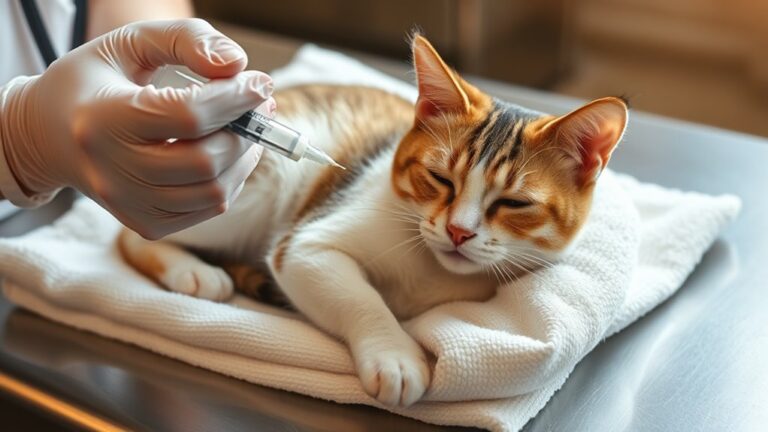
They can also guide you through advanced socialization techniques if needed. Plus, if your cat’s health concerns or injuries are slowing down progress, consulting experts ensures proper care and training.
Knowing when to ask for help can save you time and frustration, and it ultimately boosts your chances of turning a feral cat into a happy, indoor companion.
Is Your Feral Cat Ready to Live Indoors Permanently?
Determining if your feral cat is ready to live indoors permanently requires careful observation of its behavior and comfort level. Watch for signs like relaxed body language, curiosity about indoor spaces, and calmly approaching you.
If your cat shows signs of stress or fear, it might need more time or a gradual indoor introduction.
Here are four key indicators:
- Your cat consistently seeks out indoor areas without hesitation.
- It displays relaxed behavior around you and other household members.
- It uses the litter box reliably and calmly.
- It starts to investigate and interact with toys or scratching posts.
If your cat resists or shows signs of distress, try slow introductions, be patient, and create a safe, welcoming environment.
Frequently Asked Questions
Can Feral Cats Adapt to Indoor Life After Living Outdoors?
Yes, feral cats can adapt to indoor life, but it takes patience and a gradual approach. Expect them to change their behavior as they get used to their new environment, often becoming more social and less fearful over time.
You should provide environmental enrichment like toys and cozy hiding spots to help them feel safe and stimulated. Consistent routines and gentle handling are also important for their adjustment.
With time, these steps can encourage a smoother transition from outdoor independence to becoming comfortable indoor companions.
What Health Issues Are Common in Feral Cats?
Feral cats often face health issues like feral cat diseases and vaccination challenges, making their health unpredictable. You might notice behavioral problems and socialization needs that complicate care.
These cats can carry illnesses like parasites and upper respiratory infections, which pose risks to your household. Addressing these concerns requires patience, proper veterinary care, and a gentle approach to help them adapt safely into a loving home.
How Do You Introduce a Feral Cat to Other Pets?
You introduce a feral cat to other pets through gradual exposure and scent swapping. Start by keeping them separated, allowing them to get used to each other’s scent via bedding or toys.
Gradually increase their time together in supervised sessions, watching for signs of stress. Patience is key; this slow process helps build trust and reduces aggression.
Making the introduction smooth for everyone involved takes time. Taking it slow helps everyone adjust comfortably and peacefully.
Is It Better to Adopt or Rescue a Feral Cat?
Choosing to adopt over rescue often offers better adoption benefits, especially with feral temperament and socialization challenges in mind. You’re making a long-term commitment that can transform a wild spirit into a loving companion.
Rescuing may seem quick, but adoption provides a structured path to help a feral cat adjust. It gives both of you a chance for a rewarding bond.
Your patience and dedication can turn a shy outsider into a cherished pet.
What Supplies Are Essential for Transitioning a Feral Cat Indoors?
To shift a feral cat indoors, you’ll need essential supplies like a secure carrier, litter box, and scratching posts. These items help make the transition smoother by giving your cat familiar comforts and safe spaces.
Use calming sprays and soft bedding to help your cat feel secure. These little touches can make a big difference in easing their stress during the move.
Patience is key. Gradually introduce these supplies and routines, giving your feral cat time to adapt comfortably to its new environment.
Conclusion
Remember, patience is key when transforming a feral cat into a loving house pet. It may take time, but with gentle persistence and understanding, you can build trust and create a bond that lasts.
Every small step counts. As the saying goes, “Rome wasn’t built in a day.” Stay committed, and soon you’ll see your feral cat flourish as a cherished member of your home.
Yes, a feral cat can become a wonderful house pet with care and patience. Just keep at it, and you’ll be amazed at the transformation.