Risks of Petting Stray Cats in Turkey: What’s Safe?
Many travelers and animal lovers in Turkey find themselves drawn to the charm of stray cats. But if you’re not careful, petting these adorable creatures can come with health risks.
You’re not alone—many people struggle with knowing how to enjoy their company safely.
Petting stray cats in Turkey can expose you to health risks like toxoplasmosis, cat scratch fever, and parasites through bites, scratches, or contact with saliva and feces.
To stay safe, avoid sick or aggressive-looking cats, and always wash your hands thoroughly afterward with soap or sanitizer.
Support humane programs instead of direct contact. If you’re aware of the risks and take precautions, you can enjoy observing these animals safely—more details can help you protect yourself even better.
Key Takeaways
- Stray cats can carry diseases like toxoplasmosis and cat scratch fever, which can spread through bites, scratches, saliva, or feces.
- Be cautious and avoid petting sick or aggressive cats. Look for signs of illness such as lethargy or parasites on their fur.
- Always wash your hands thoroughly after touching stray cats to prevent catching any illnesses.
- Focus on supporting humane management and vaccination programs instead of direct contact or feeding without taking precautions.
- Practice good hygiene and avoid touching your face after interacting with stray cats to lower health risks.
Is It Safe to Pet Stray Cats in Turkey?
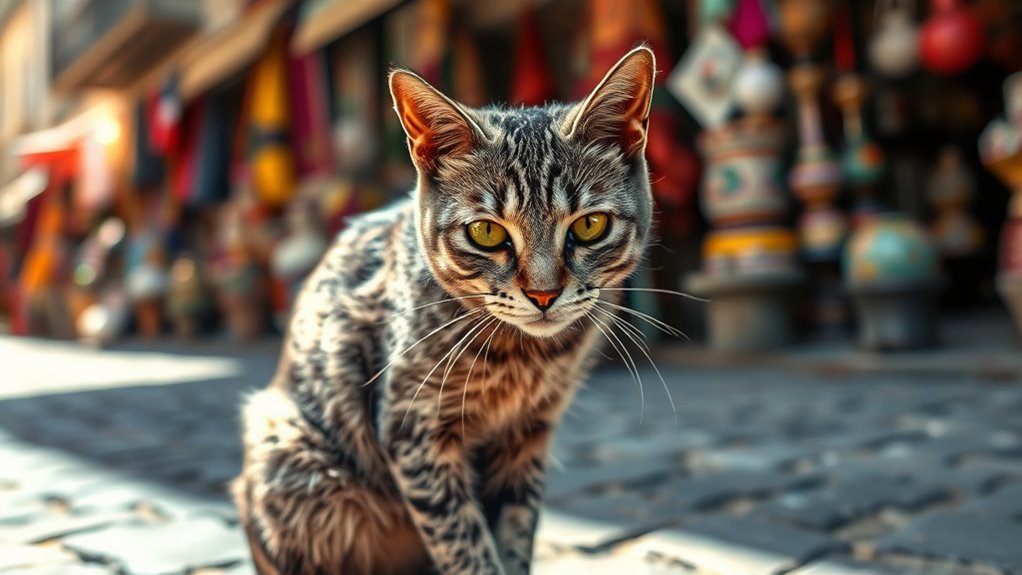
In Turkey, many people see stray cats as part of the local culture, often feeding and caring for them. This attitude can make interacting with these cats more accepted, but it doesn’t eliminate risks.
Stray cats can carry diseases or parasites, which pose health hazards even if they seem friendly. While some locals might encourage petting and feeding, not all stray cats are vaccinated or healthy.
If you decide to pet a stray cat, do so carefully and observe its behavior. Always wash your hands afterward, and avoid touching its face or mouth.
Respect the local customs, but stay cautious. Being aware of the potential health risks from stray cats is essential for your safety.
Understanding the Health Risks of Stray Cats in Turkey
You should know that stray cats in Turkey can carry some diseases like toxoplasmosis and cat scratch fever. These illnesses can spread through bites, scratches, or even contact with their saliva or feces. So, if you’re petting or handling these cats, it’s important to be careful.
Most of the time, transmission happens when you don’t wash your hands properly after touching the cats or their belongings. To stay safe, make sure to practice good hygiene—like washing your hands thoroughly—and try to avoid direct contact with their bodily fluids. It’s always better to be cautious when around stray animals.
Common Diseases Spread
Stray cats in Turkey can carry and spread several diseases that pose health risks to humans and other animals. These zoonotic diseases can affect your health if you pet or come into contact with infected cats.
Common illnesses include toxoplasmosis, which can cause flu-like symptoms and affect pregnancy. Cat scratch fever can lead to swollen lymph nodes and fever.
Leptospirosis is a bacterial infection that affects the kidneys and liver. Feline leukemia virus weakens a cat’s health and can potentially spread to other animals.
Being aware of these risks helps you make safer choices around stray cats. Always wash your hands after contact and avoid direct contact with their saliva or wounds.
Protecting yourself from these diseases is essential for your health and safety.
Transmission Methods
Many diseases from stray cats in Turkey spread through direct contact or environmental exposure. It’s important to understand how these transmission routes work. You can get sick from bites, scratches, or touching infected saliva, fur, or waste.
Environmental exposure is also risky. For example, stepping on contaminated soil or surfaces can expose you to diseases. Close contact with stray cats, especially if they look sick or injured, increases your chances of catching something.
Neglecting hygiene after handling stray cats makes it easier for illnesses to spread. Cats that aren’t vaccinated or show symptoms are more likely to transmit diseases. Knowing how these infections spread helps you avoid risky situations.
Being aware of these transmission routes can guide you to reduce your chances of getting sick from stray cats in Turkey. Avoiding close contact and practicing good hygiene are key steps to stay safe.
Prevention Strategies
Understanding the health risks associated with stray cats in Turkey is essential for protecting yourself. To minimize exposure, consider these prevention strategies.
First, avoid direct contact with stray cats, especially if they look sick or aggressive. Second, support stray cat advocacy groups that promote humane management and vaccination programs.
Third, practice responsible feeding by providing food in controlled areas instead of free-feeding on streets. This helps ensure proper health checks. Fourth, keep your surroundings clean and avoid leaving food or water outside, which can attract cats and spread diseases.
How Stray Cats Transmit Diseases to Humans
While petting stray cats might seem harmless, it can actually expose you to various diseases they may carry. Stray cats can transmit feline diseases that affect human health through bites, scratches, or contact with their saliva and feces.
Diseases like toxoplasmosis, cat scratch fever, and ringworm are common risks. Toxoplasmosis, caused by a parasite, can lead to flu-like symptoms or more severe complications in pregnant women.
Cat scratch fever results from bacteria transmitted through scratches or bites, causing swollen lymph nodes and fever. Ringworm, a fungal infection, spreads through contact with infected skin or fur.
Moreover, stray cats may carry fleas, ticks, or mites that can transmit other illnesses. To minimize risks, avoid direct contact with stray cats and practice good hygiene, like washing your hands thoroughly after any interaction.
Protecting your health means understanding these risks and taking appropriate precautions.
How to Recognize Sick or Parasite-Infested Stray Cats
Recognizing sick or parasite-infested stray cats requires careful observation of their physical appearance and behavior. Look for clear signs of feline illness, like lethargy, discharge from eyes or nose, or difficulty breathing.
Parasite identification involves spotting external parasites such as fleas, ticks, or mites on their fur or skin. You should also watch for behavioral changes, like uncharacteristic aggression or excessive hiding.
Pay attention to the cat’s coat; a dull, unkempt appearance often indicates health issues. Here are key signs to look for:
- Fleas, ticks, or mites visible on the fur
- Hair loss or bald patches
- Excessive scratching or grooming
- Unusual eye or nasal discharge
Safe Ways to Approach and Pet Stray Cats in Turkey
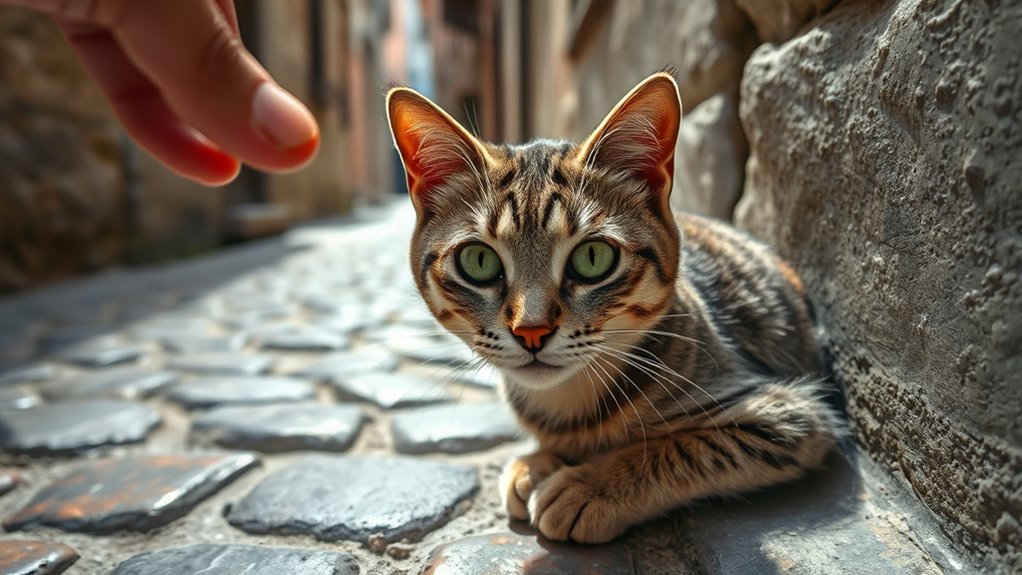
Approaching stray cats in Turkey takes patience and respect to keep both you and the cat safe. Knowing how cats behave helps you understand their comfort level and avoid making them defensive.
Cultural attitudes can also influence how cats are treated, so always approach gently and be mindful of local norms. Watching their body language can give you clues about how they’re feeling.
| Cat’s Behavior | What It Means | How to Respond |
|---|---|---|
| Purring softly | Relaxed and friendly | Gently extend your hand |
| Ears forward | Curious or alert | Keep calm and move slowly |
| Tail high | Confident or happy | Approach slowly |
| Hissing or growling | Fear or aggression | Back off right away |
| Avoidance | Uncomfortable or scared | Give space and don’t force contact |
Precautions to Take Before Petting a Stray Cat
Before you go ahead and pet a stray cat, take a moment to watch how it’s acting. Is it approaching you calmly, or does it seem scared or aggressive? Getting a sense of its mood can help you decide if it’s safe to pet.
Also, keep an eye out for any signs that it might not be feeling well, like discharge from the eyes or nose, or if it looks very lethargic. If it seems sick, it’s better to leave it alone and maybe contact a vet or animal rescue instead.
And don’t forget to wash your hands thoroughly before you even try to pet the cat. This helps keep both you and the cat safe from germs or any potential illnesses.
Check Cat’s Behavior
How can you tell if a stray cat is in a friendly mood? Pay attention to its body language, which shows how comfortable and social it is. A relaxed, open posture with a gently swaying tail usually means the cat is inviting interaction.
Look for pupils that are neither dilated nor constricted, which indicates calmness. Soft, purring sounds also suggest friendliness. On the other hand, hissing or an arched back signals fear or aggression.
Before petting, observe these signs: a tail held high or slowly waving, kneading or nuzzling behavior, relaxed ears pointed forward. Also, watch for no signs of fear or aggression, like hissing or flattened ears.
Recognizing these cues helps you interact safely and respect the cat’s boundaries.
Observe Health Signs
While observing a stray cat’s body language helps determine its mood, it’s just as important to check its health signs to stay safe.
Start with quick health checks by looking for obvious signs of illness, like discharge from the eyes or nose, sores, or bald patches.
Pay attention to behaviors that might indicate stress or aggression, such as hissing, growling, or sudden quick movements.
If the cat seems lethargic, unresponsive, or looks very dirty, it’s best not to try to approach or touch it.
Healthy cats usually look alert, have clean fur, and breathe normally.
Recognizing these signs helps you decide whether it’s safe to get closer or pet the cat.
Always be cautious and trust your instincts to avoid any health risks.
Use Proper Hand Hygiene
Since stray cats can carry germs or parasites, it’s really important to wash your hands thoroughly with soap and water or use hand sanitizer before you try to pet them. Proper handwashing helps make sure you remove harmful bacteria and lower your chances of getting sick.
Use hygiene products like alcohol-based hand sanitizers or antibacterial wipes if soap and water aren’t available. Before petting, just follow these simple steps:
- Wet your hands with clean water.
- Apply enough soap or sanitizer to cover all surfaces.
- Scrub for at least 20 seconds, paying attention to your fingertips and nails.
- Rinse or wipe thoroughly, then dry with a clean towel or let your hands air dry.
Taking these precautions helps protect your health and keeps you safe from potential zoonotic diseases that stray cats might transmit.
Why Hand Hygiene Is Important After Petting Cats
Even if a stray cat looks healthy, it’s really important to wash your hands thoroughly after petting it. Good hand hygiene helps keep both you and the cat safe.
Stray cats can carry bacteria, parasites, or viruses that aren’t visible, so you might unknowingly transfer germs to yourself or others. Proper handwashing with soap and water is the best way to remove these potential contaminants.
Stray cats may carry unseen germs; thorough handwashing is essential to stay safe.
If soap and water aren’t available, using hand sanitizer with at least 60% alcohol is a good alternative. Remember, even brief contact can spread germs, so it’s worth being cautious.
Prioritizing good hand hygiene after petting stray cats protects your health and helps prevent zoonotic diseases. Being diligent about washing your hands is a simple but important part of responsible cat interaction.
When Should You Avoid Petting Stray Cats?
You should hold off on petting stray cats if they’re acting aggressive, like hissing or scratching. It’s probably because they feel threatened or scared. If a cat looks sick or has injuries, it’s best to keep your distance, just to avoid catching any illnesses or infections. And if you’re not familiar with how the cat usually behaves, it’s safer to skip petting altogether. Better to be cautious than sorry!
Signs of Aggression
Recognizing signs of aggression in stray cats is important before you try to pet them. Watch their body language and sounds to get a sense of how they’re feeling.
If a cat’s ears are flattened, the tail is lashing, or the fur is puffed up, that’s a clear warning. Growling, hissing, or loud yowling also show they’re upset.
Avoid petting if you see these signs, as they mean the cat feels threatened or defensive. Other warning signs include staring intensely without blinking, swatting or lunging, an arched back with raised fur, and baring teeth or snarling.
Being aware of these signals helps keep you safe and ensures the cat isn’t stressed or scared, preventing bites or scratches.
Visible Illness or Injury
Visible signs of illness or injury are clear indicators that you should avoid petting stray cats. When they’re unwell, stray cats often act differently—becoming more aggressive, fearful, or withdrawn. These behavior changes can signal underlying health issues that might be contagious.
Look for visible signs like open wounds, swelling, discharge, or matted fur, which suggest injuries or infections. Cats with health problems may also seem lethargic, have difficulty breathing, or show abnormal eye or nose discharge.
Approaching a stray cat with visible illness or injury can expose you to zoonotic diseases like rabies or feline infections. For your safety and the cat’s well-being, it’s best to steer clear of any stray showing these signs.
During Unfamiliar Encounters
When you come across a stray cat you’re not familiar with, it’s best to be cautious before trying to pet it. Stray cats can react differently, especially when they feel threatened or unsure.
Cultural attitudes toward animals in Turkey shape how these cats behave—they might be more used to human contact or more wary. Watch out for signs of aggression, fear, or defensiveness like hissing or an arched back.
Look for cues such as crouching or avoiding eye contact, swatting or scratching, growling or hissing, or sudden movements and loud vocalizations. These signals mean the cat might not want to be touched.
Respect the cat’s space, especially during your first encounter. This helps prevent stress or bites and makes the situation safer for both of you. Always consider these signs before deciding to pet a stray cat in unfamiliar settings.
How to Protect Yourself From Cat Parasites and Bacteria
Ever wonder how to keep yourself safe when petting stray cats? The key is understanding common parasites and practicing good hygiene.
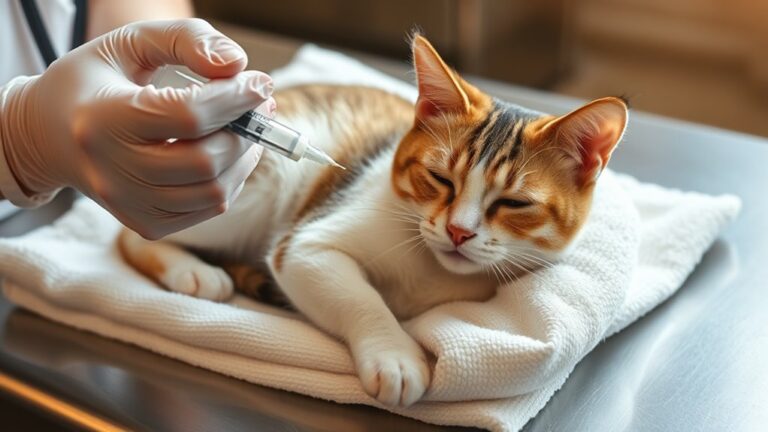
Stray cats can carry fleas, ticks, and intestinal worms, which may transmit diseases to humans. To minimize risks, always wash your hands thoroughly with soap and water immediately after petting or handling a stray cat.
Wearing gloves can add an extra layer of protection, especially if the cat appears sick or unwell. Keep your nails short and avoid touching your face during interactions.
Regularly disinfect any objects or surfaces that come into contact with the cat. Be cautious about scratches or bites, and seek medical attention if needed.
Maintaining proper hygiene reduces your chances of infection and helps you stay safe while still showing compassion for stray cats.
Supporting Stray Cats Responsibly Without Direct Contact
Supporting stray cats responsibly doesn’t always mean direct contact. Instead, you can make a real difference by providing resources and creating safe environments.
Helping stray cats responsibly involves providing resources and safe spaces without direct contact.
You can support stray cat care and promote responsible feeding without risking bites or disease transmission. Here are some ways to help:
- Set up feeding stations in quiet, accessible areas to reduce stress and prevent food waste.
- Provide fresh water daily to keep stray cats hydrated and healthy.
- Install shelter boxes or safe hideouts to protect cats from harsh weather conditions.
- Collaborate with local shelters or rescue groups to support trap-neuter-return (TNR) programs, which control populations humanely.
Frequently Asked Questions
Are There Specific Areas in Turkey With Higher Risks of Disease Transmission?
Yes, urban areas in Turkey generally pose higher risks of disease transmission from stray cats because of higher population densities and lower vaccination rates. Rural regions tend to have fewer stray cats and better vaccination coverage, which reduces the risks.
You should exercise extra caution in busy city neighborhoods, avoid direct contact with unvaccinated cats, and consider local health advice. This way, you can stay safe when petting stray cats in different areas.
Can Stray Cats Carry Rabies in Turkey?
Yes, stray cats in Turkey can carry rabies, so you should be cautious. If a cat bites or scratches you, watch for rabies symptoms like fever, confusion, or paralysis.
It’s essential to be aware of rabies vaccinations and seek immediate medical advice if you’re bitten. Avoid petting unfamiliar cats, especially if they show signs of illness such as aggression or paralysis, to reduce your risk of rabies exposure.
How Can I Distinguish Between Healthy and Unhealthy Stray Cats?
About 70% of stray cats show signs of illness, so it’s important to recognize healthy behaviors.
You can tell a healthy cat by its bright eyes, clean fur, and active, alert movements.
Unhealthy cats might have dull eyes, matted fur, and sluggish behavior.
Avoid cats that seem lethargic, have visible wounds, or are overly aggressive.
Trust your instincts and look for visual signs to keep yourself safe and ensure the cat’s well-being.
Are There Legal Restrictions on Feeding Stray Cats in Turkey?
Yes, there are legal restrictions on feeding stray cats in Turkey. Local rules and laws can differ depending on the municipality.
In some areas, feeding stray cats in public spaces might be prohibited to help control their populations. It’s a good idea to check with local authorities or community guidelines before you start feeding them.
Following these rules not only helps you avoid fines but also ensures you’re contributing positively to the community without causing any disruptions or health issues.
What Are Alternative Ways to Support Stray Cats Safely?
You can support stray cats safely by taking part in community initiatives that promote responsible feeding practices. Instead of giving direct contact, consider donating food or supplies to local shelters or volunteering with programs that care for these animals.
Joining organized efforts makes sure feeding is done responsibly, which helps reduce health risks for both you and the cats. These programs also work to control the population humanely and improve the overall well-being of stray cats.
Conclusion
While sharing a gentle moment with stray cats might seem harmless, it’s wise to tread carefully. Respect their wild side and prioritize your health by following safe practices.
Remember, a cautious approach can help you enjoy their presence without unintended surprises. By staying vigilant and practicing good hygiene, you can keep your interactions enjoyable and worry-free.
After all, a little care can turn fleeting encounters into lasting memories—without casting shadows on your well-being. When petting stray cats in Turkey, being cautious is key to keeping yourself safe and healthy.