How You Safely Give Allergy Pills to Your Cat
Giving allergy pills to your cat can be a real challenge, especially if your feline friend isn’t a fan of taking medicine. Many pet owners struggle with how to administer pills safely and without stress for both of you.
If you’re feeling overwhelmed or unsure, you’re not alone—this is a common issue.
To safely give allergy pills to your cat, choose a quiet, comfortable spot and keep a calm attitude. Use gentle techniques like pill pockets or treats, and handle the medication carefully.
Tilt your cat’s head slightly upward and hold their mouth gently open to place the pill. Stay patient and watch for reactions.
If you want practical tips and expert advice for easing the process, there’s more to investigate below.
Key Takeaways
- Follow your veterinarian’s instructions for dosage and medication type to keep your cat safe and ensure it works well.
- Use calming techniques and a quiet environment to help reduce your cat’s stress during medication time.
- Try tools like pill pockets or gentle pill poppers to make giving pills safer and more comfortable.
- Handle medications carefully, measure everything accurately, and don’t change doses without talking to your vet.
- Keep an eye on your cat’s reactions and call the vet if you notice any side effects or if giving the medication becomes difficult.
Why Giving Allergy Pills to Your Cat Is Safe and Effective
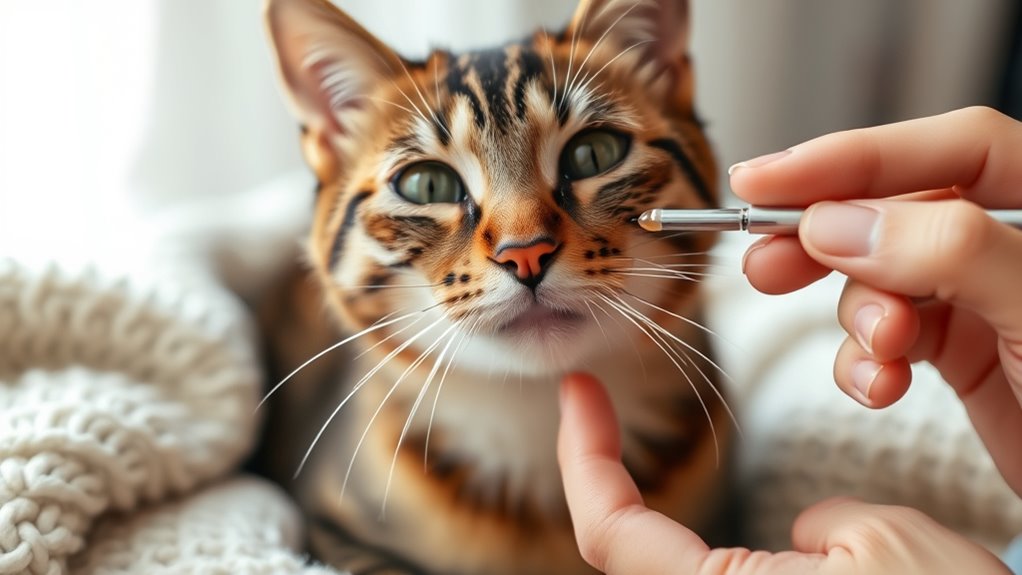
Giving allergy pills to your cat is safe and effective when done correctly because these medications are specifically formulated for feline use and prescribed by a veterinarian. When your cat shows allergy symptoms like sneezing, itching, or watery eyes, the right pill type can help ease their discomfort.
Administering vet-prescribed allergy pills safely can alleviate your cat’s allergy symptoms effectively.
Different pill types, such as liquids or chewables, may suit your cat’s preferences, but always follow the veterinarian’s dosage guidelines carefully. Monitoring your cat’s reactions is essential; some may experience mild side effects, while others tolerate the medication well.
Establishing a consistent medication schedule guarantees the treatment is effective and reduces stress for your pet. The treatment duration varies depending on the allergy severity and your vet’s instructions.
Proper administration, adherence to prescribed dosages, and understanding your cat’s reactions make allergy pills a safe, reliable way to manage allergies and improve your cat’s quality of life.
Understanding Your Cat’s Allergy Medication Needs
Different medications target different symptoms. Antihistamines can help with itching and sneezing, while corticosteroids might be used for more severe reactions. Knowing which medication suits your cat’s specific allergy symptoms is really important for effective relief.
Always follow your veterinarian’s instructions on dosage and medication type. Using the wrong amount or medication can cause side effects or make the treatment less effective.
Keep in mind, not all allergy symptoms require medication. Sometimes, environmental changes or natural remedies can help reduce your cat’s discomfort.
Understanding your cat’s unique needs means you can choose the right treatment at the right time. This helps provide relief while keeping your cat safe.
Having this knowledge empowers you to care for your cat’s health confidently and effectively.
Preparing a Calm Environment for Medication Time
Pick a quiet, cozy spot where your cat feels safe and relaxed. It’s best to choose an area away from loud noises and other pets that might cause distractions. Keeping the environment calm can really help ease your cat’s stress during medication time.
Creating this focused, peaceful space makes giving medication much smoother for both of you.
Choose Quiet, Comfortable Space
Creating a calm environment is essential to make medication time less stressful for your cat. Choose a quiet, comfortable space where your cat feels safe and secure.
Avoid noisy areas or busy rooms that can increase your cat’s stress levels. Set up a cozy spot with soft bedding or a blanket that offers extra comfort.
Keep distractions to a minimum so your cat stays calm and focused. Make sure the lighting is gentle, not harsh or bright, to help create a soothing atmosphere.
This quiet environment promotes your cat’s comfort and helps them stay relaxed during medication. By choosing the right space, you make the process easier for both of you, reducing anxiety and making pill time smoother.
Minimize Distractions During Medication
To guarantee your cat stays calm during medication time, it’s important to minimize distractions in the environment. Use distraction techniques like turning off loud appliances or closing windows to reduce noise.
Keep other pets and children out of the room to prevent interruptions. Establish quiet signals with your cat beforehand, such as gentle petting or calming words, to reinforce a peaceful atmosphere.
Avoid sudden movements or loud sounds that could startle your cat. Creating a calm environment helps your cat focus on you and the medication, making the process smoother.
By controlling the surroundings, you reduce stress for both of you. This makes medication time a safer and more efficient experience.
Focusing on a tranquil space encourages cooperation and minimizes anxiety.
A Step-by-Step Guide to Giving Your Cat Allergy Pills
Giving your cat allergy pills can seem tricky at first, but with a little preparation, you’ll get the hang of it quickly. First off, make sure you measure and handle the medication carefully to avoid any spills or mistakes. Taking your time to prepare everything properly really helps things go smoothly.
When it’s time to give the pill, choosing the right method is key. Some cats do better with a pill pocket or hiding it in their favorite treat, while others might need a gentle pill popper. Whatever method you pick, stay calm and gentle—your cat can pick up on your stress, and that can make the process harder.
Just remember, patience is everything. With a calm approach and a bit of practice, giving your cat allergy pills will become a lot easier for both of you.
Preparing the Medication Properly
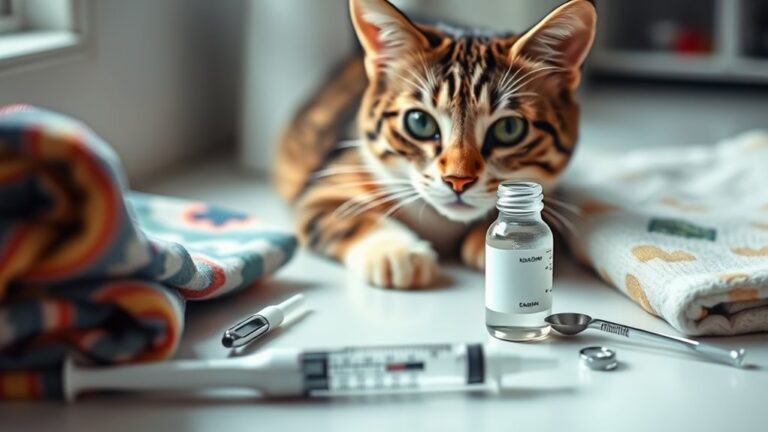
Before giving your cat the allergy pill, it’s important to prepare the medication properly to ensure safe and effective administration. Start by identifying whether it’s a tablet, capsule, or liquid, since each needs a different approach.
Check the dosage guidelines from your vet to make sure you’re giving the correct amount. If the pill is large, consider breaking or crushing it if your vet says it’s okay, or use a pill splitter. For capsules, you might need to carefully open them.
Make sure the medication is clean and stored correctly, away from moisture or heat. Proper preparation helps avoid dosing mistakes and makes giving the medicine easier for both you and your cat.
Ensuring Safe Administration
Guaranteeing safe administration of allergy pills involves guiding your cat carefully through the process to prevent choking or accidental ingestion issues. First, make sure your cat’s allergy symptoms are clear so you understand why medication safety matters.
Use a gentle approach, holding your cat securely but calmly. If your cat resists, try hiding the pill in a small treat or a pill pocket to make it easier. Always follow the correct dosage and check that the medication is properly prepared.
Be attentive when giving the pill to avoid forcing it down the throat, which could cause choking. Afterward, watch your cat closely for any adverse reactions or signs of discomfort.
Taking these steps helps ensure the medication works and keeps your cat safe.
Using Pill Pockets and Treats to Make Medication Easier
Using pill pockets and treats can make giving allergy medication to your cat much easier. These tools hide the pill and make the process less stressful for both of you.
Try different pill pocket recipes or treat variations to see what your cat prefers. To use them, just place the pill inside the pocket or treat, then gently give it to your cat.
Many cats are more willing to accept treats than pills on their own. Here are some tips to help you succeed:
- Experiment with different treat flavors to find your cat’s favorite
- Use pill pocket recipes that match your cat’s taste
- Choose treats with a soft texture for easier swallowing
- Tempt your cat with a small treat before giving the medication
These strategies can make medication time quicker and less stressful, increasing the chances your cat will take their allergy pills without fuss.
How to Properly Position Your Cat for Pill Giving
Positioning your cat correctly can make giving medication much smoother. Using good cat positioning techniques helps keep your feline calm and secure.
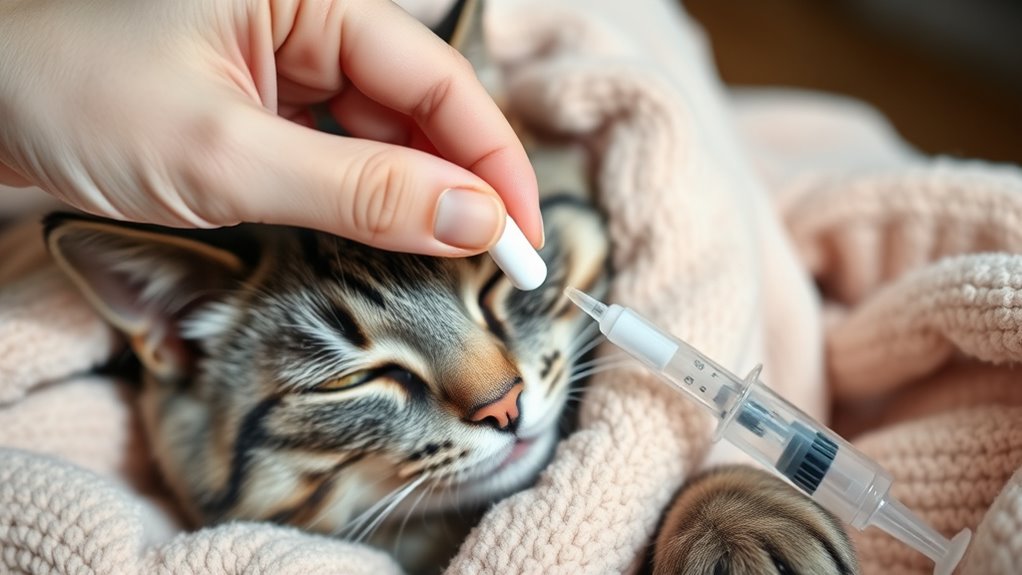
Start by gently wrapping your cat in a towel or blanket if they tend to struggle. This creates a comfortable hold that prevents sudden movements.
Sit or kneel on the floor to keep better control and reduce stress. Place your cat on a stable surface or hold them in your lap. Support their body with one hand while keeping their head steady with the other.
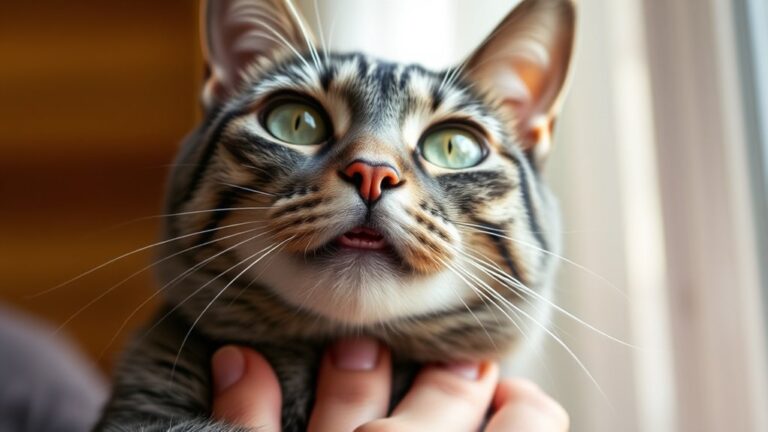
Tilt their head slightly upward to open the mouth easily. Be gentle but firm, making sure your cat feels secure without feeling restrained.
A comfortable hold minimizes anxiety and prevents injury for both of you. Practicing these techniques often will help your cat associate pill giving with a calm experience.
This makes future medication sessions smoother and less stressful for everyone.
Alternatives to Pills: Liquid Medication and Compounded Options
Liquid medications can be much easier to give your cat and often let you measure the exact dose you need. This can make giving allergy treatments less stressful for both of you. Plus, many cats prefer liquids over pills, which can help make the process smoother.
On the other hand, compounded options are customized medicines made just for your cat. They can be flavored or formulated in a way that your cat might find more appealing, making it easier to get them to take their medication. Exploring these alternatives could really help simplify allergy treatment and make it a more comfortable experience for your feline friend.
Liquid Medication Benefits
If giving your cat pills proves challenging, liquid medication offers a practical alternative that can make administering treatment easier. Liquid advantages include easier dosing, especially for small or fussy cats, and the ability to mix the medication with food or water. This method can reduce stress for both you and your cat.
Liquids often allow for more precise dosing, ensuring your pet gets the right amount each time. They are also easier to administer for cats resistant to pills and can be mixed with food or treats to make things simpler.
Plus, liquid medication can be a real time-saver and help reduce anxiety, making it a convenient choice for managing your cat’s allergy treatment effectively.
Compounded Medication Options
When giving your cat medication, options beyond pills can often make the process smoother. Compounded medications prepared by compounding pharmacies offer tailored solutions, often in liquid form, which are easier to administer.
These pharmacies can customize the medication’s flavor, making it more palatable and reducing your cat’s resistance. Flavored options like tuna, chicken, or salmon can mask the bitterness of the medication, encouraging acceptance.
Plus, compounded medications allow for precise dosing, so your cat gets the right amount every time. This flexibility is especially helpful if your cat needs long-term treatment.
Managing Stress During Medication Time
To help your cat stay calm during medication time, create a soothing environment and approach gently. Managing stress makes the process easier for both of you.
Use calming techniques like speaking softly, using familiar scents, and keeping the setting quiet. A relaxed mood helps prevent your cat from feeling anxious or scared.
Try these calming tips:
- Offer treats or praise before and after giving the pill
- Use a cozy, familiar space where your cat feels safe
- Keep the medication session brief and calm
- Handle your cat gently, avoiding sudden movements
Staying patient and calm helps your cat associate medication time with positive experiences. This reduces stress and makes future doses easier.
Troubleshooting Challenges When Giving Pills to Cats
Giving pills to cats can sometimes be tricky, especially when they resist or refuse to swallow. Resistance often comes from discomfort or behavioral issues, which can make the process frustrating.
To troubleshoot, try different techniques to reduce their resistance. For example, gently wrapping your cat in a towel can prevent scratching and keep them calm.
Using treats or hiding pills in tasty food might also help. Strong-smelling treats can mask the pill and make the process easier.
If your cat gets anxious around pill time, establishing a calm routine can help reduce their stress and make giving medication smoother.
| Method | Description | Tips |
|---|---|---|
| Towel Wrap | Secure your cat to prevent struggling | Be gentle and calm during wrapping |
| Treat Hiding | Conceal pill in food or a treat | Use strong-smelling treats to mask the pill |
| Distraction | Use toys or a calm voice to divert attention | Keep sessions brief and positive |
When to Consult Your Veterinarian for Help or Alternatives
Sometimes, despite your best efforts, giving your cat medication becomes a constant struggle or the medication isn’t working as it should. When this happens, it’s a good idea to reach out to your veterinarian for help or allergy alternatives.
If your cat keeps refusing pills, shows signs of side effects, or if the medication isn’t improving their condition, don’t hesitate to seek professional advice. Your vet can suggest solutions tailored to your cat’s needs.
Consider contacting your vet if your cat experiences adverse reactions or allergy symptoms aren’t being controlled.
Also, reach out if you’re unsure about proper dosing or how to give the medication.
If you’re interested in safe allergy alternatives or compounded medications, your vet can guide you.
Following your vet’s advice ensures your cat gets the right treatment and helps keep the process less stressful.
Never try to change the medication or dosage without consulting your vet, as that could do more harm than good.
Frequently Asked Questions
Can I Give Allergy Pills to My Cat With Food?
Yes, you can give allergy pills to your cat with food, but it depends on their food preferences and the type of pill.
Try hiding the medication in a small amount of wet food or a treat to make it more appealing. Just make sure your cat eats the entire meal to get the proper dose.
Always check with your vet before giving medication this way, especially for specific pill instructions.
How Often Should I Administer Allergy Medication?
You should administer allergy medication according to your vet’s dosage guidelines and medication timing recommendations.
Typically, follow the prescribed schedule—whether daily or as needed—and stick to the recommended dosage to keep your cat safe.
Avoid giving extra doses, and if you notice any side effects or if you’re unsure about the timing, contact your veterinarian promptly.
Consistent administration helps manage your cat’s allergy symptoms effectively.
Are There Any Side Effects From Allergy Pills?
There can be side effects from allergy pills, but they vary depending on your cat and the medication.
Common side effects include drowsiness, upset stomach, or changes in appetite.
Always keep a close eye on your cat and talk to your vet if you notice any adverse reactions.
If side effects are a concern, consider options like natural remedies or allergy shots.
Your vet can recommend the best alternative based on your cat’s needs.
Can I Give Human Allergy Medication to My Cat?
You shouldn’t give human allergy medication to your cat, even if they have allergies.
For example, a pet owner once gave their cat antihistamines meant for humans, but it led to severe side effects.
Human medications can contain ingredients toxic to cats, and what works for you might harm your feline friend.
Always check with your veterinarian before giving any medication to manage your cat’s allergies safely.
What Signs Indicate My Cat’s Allergy Medication Is Working?
You’ll notice your cat’s allergy symptoms improve, like less itching, sneezing, or watery eyes, which means the medication is working. Keep an eye on their behavior and skin condition during this time.
If symptoms stick around or get worse, be sure to check with your vet. Usually, you’ll see some positive changes within a few days, but steady improvement over the medication period confirms it’s effective.
Always monitor your cat closely and let your vet know if you have any concerns.
Conclusion
Giving allergy pills to your cat might seem intimidating, but with patience and the right techniques, it becomes manageable. It’s normal to worry about stressing your feline friend, but staying calm can make medication time smoother.
Your gentle approach can turn what feels like a challenge into an opportunity to build trust. Remember, your calmness and persistence are key to making allergy pill giving easier and less stressful for your cat.
Stay patient and confident—your efforts are essential in keeping your cat comfortable and healthy. With love and care, even the trickiest tasks like giving allergy pills can be done safely and successfully.