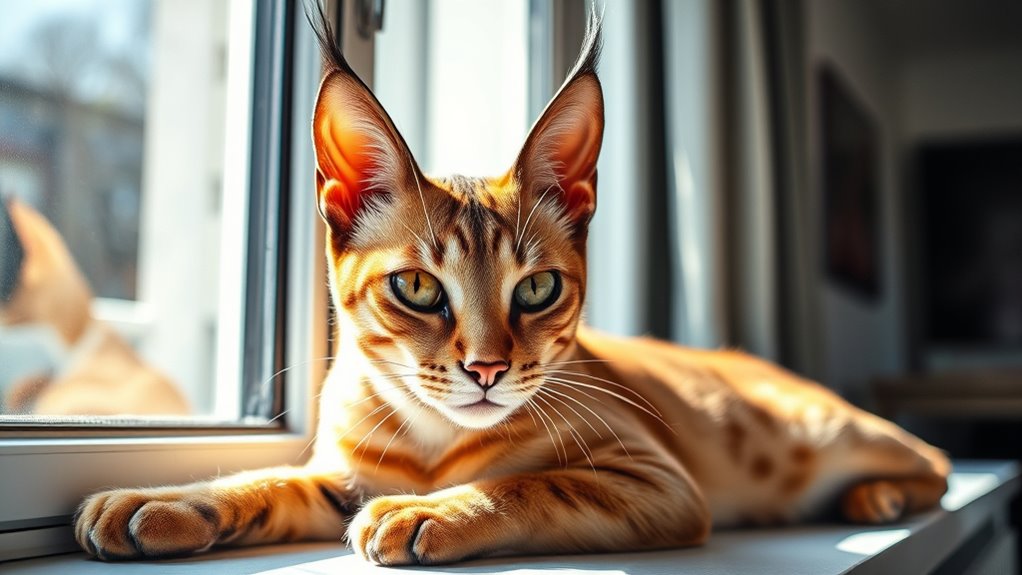
What to Know About Keeping a Caracal Cat as a Pet?
Thinking about adding a caracal cat to your home? You’re not alone—many animal lovers are curious about these striking and unique pets but feel overwhelmed by the challenges involved.
Keeping a caracal as a pet requires understanding their wild instincts, strong territorial nature, and need for a spacious, enriched environment. You’ll need to navigate laws and permits, budget for ongoing healthcare, and provide a diet of high-quality raw meat.
Expect behaviors like scratching, hunting, and independence, which may not suit everyone. Responsible ownership involves proper care, safety measures, and exploring alternatives if needed.
If you want to learn more about what’s involved, keep exploring these important details.
Key Takeaways
- Caracals are wild, highly active, and independent, so they need spacious enclosures and plenty of mental and physical stimulation.
- Legal restrictions and licensing vary; owning one may be illegal or require permits depending on where you live.
- They need a specialized diet of high-quality raw meat and enrichment to mimic their natural hunting behaviors.
- Their strong territorial instincts and unpredictable behavior can pose safety risks for owners and other pets.
- Consider responsible alternatives like adopting domesticated exotic breeds or supporting conservation efforts.
Is a Caracal the Right Exotic Pet for You?
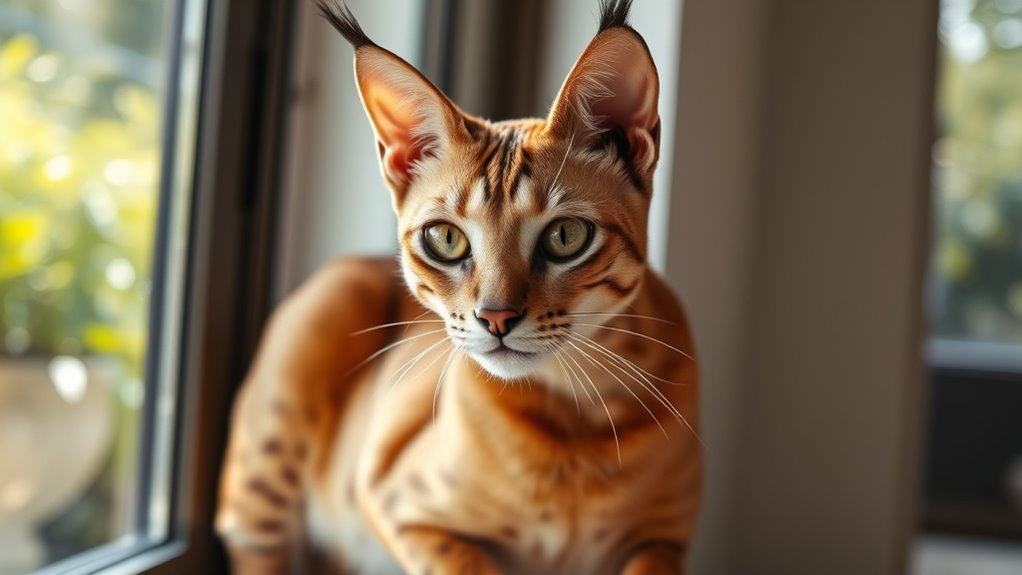
Are you really prepared to handle the challenges of owning a caracal? These cats have distinct personality traits that set them apart from typical house pets.
They’re known for being highly active, curious, and independent—traits that can make them both fascinating and challenging companions. Caracals crave mental and physical stimulation, so they’re not suited for owners seeking a low-maintenance pet.
Caracals are highly active, curious, and independent, requiring constant mental and physical stimulation.
Their wild instincts mean they can be unpredictable, and they may display behaviors like scratching or hunting instincts that are hard to manage indoors. When considering an exotic pet like a caracal, you must also think about the responsibilities that come with their unique needs.
They require specialized care, secure enclosures, and a commitment to their well-being. If you’re ready to meet these exotic pet considerations, owning a caracal could be rewarding. But if you’re not prepared for their demanding nature, they might not be the right fit for your lifestyle.
What Do You Need to Know About Laws and Regulations for Keeping a Caracal?
Owning a caracal means navigating a complicated set of laws and regulations that can vary a lot depending on where you live. You’ll need to understand the legal requirements in your area, which often include getting exotic permits or licenses.
Many states have restrictions on owning such animals, making it illegal to keep a caracal without proper authorization. Zoning laws can also limit or ban exotic pets in certain neighborhoods or towns.
Wildlife laws are important, too. Some regions classify caracals as protected species, which means you might need special permits or face outright bans. Insurance policies may not cover exotic animals, so check if your provider allows coverage for a caracal.
Ethical concerns come into play as well. Keeping a wild animal raises questions about conservation and animal welfare. Before bringing one home, research your state’s regulations carefully to make sure you’re following all legal and ethical rules.
How Much Space and the Right Habitat Does a Caracal Need?
A caracal needs plenty of space to thrive because it loves to run, leap, and explore. Its habitat should be an outdoor enclosure that mimics its wild environment, giving it room to exercise and investigate.
Think carefully about the size of the area. It should be big enough to prevent boredom and stress. A small or cramped space can cause behavioral issues and health problems.
Your caracal’s habitat should include vertical climbing spots, hiding places, and shaded areas for resting. Natural elements like trees, shrubs, and caves help keep it mentally stimulated and satisfy its instincts.
Remember, a spacious and well-designed habitat isn’t just about size. It’s about creating an environment that meets its physical and psychological needs.
Providing enough space is key to keeping your caracal healthy, happy, and comfortable.
What Should You Feed Your Caracal and How Do You Keep It Enriched?
To keep your caracal healthy and happy, it’s really important to feed it a diet that meets its nutritional needs. Usually, this means providing high-quality raw or fresh meat, which mimics what they’d eat in the wild. Think about offering a variety of meats like chicken, rabbit, or even small rodents to keep things interesting and ensure they get all the nutrients they need.
And don’t forget about enrichment! Caracals are super active and curious, so it’s a good idea to add toys and activities that encourage natural behaviors like hunting and stalking. You can hide treats or set up puzzle feeders to keep their minds engaged. Just make sure the environment is safe and secure, so they can play and explore without any risks. This way, your caracal stays both mentally stimulated and physically healthy.
Nutritional Needs and Diet
Caracals need a diet that mimics their natural carnivorous instincts, so high-quality, protein-rich foods are essential for their health and happiness. You should mainly feed them raw meat to meet their dietary needs, adding appropriate supplements to ensure they get all the nutrients they need.
Always provide fresh water because staying properly hydrated is crucial. Keep a consistent feeding schedule to support their prey mimicry behaviors and prevent overeating. Regular health checks help catch any deficiencies or health issues early on.
Their grooming habits also affect their health, so a balanced diet helps keep their fur and skin healthy. By meeting their nutritional needs carefully, you help keep your caracal energetic, healthy, and thriving in captivity.
Enrichment Activities and Toys
Providing a stimulating environment for your caracal goes beyond proper nutrition; it also involves offering engaging activities and suitable toys that mimic their natural behaviors.
Interactive play is essential, so include toys like puzzle feeders and feather wands that encourage stalking, pouncing, and chasing. These activities satisfy their hunting instincts and keep their minds active.
Sensory stimulation is just as important. Use toys with different textures, sounds, and scents to activate their senses. Rotate toys regularly to prevent boredom and mimic the variety they’d find in the wild.
Climbing structures or scratching posts can also promote physical activity and mental well-being. By offering a range of engaging toys and activities, you help your caracal stay active, fulfilled, and sharp in its environment.
Safe Environment Practices
Ensuring a safe and enriching environment for your caracal starts with choosing the right foods and creating stimulating surroundings. Proper environmental enrichment keeps your cat engaged and reduces stress, while safety measures prevent accidents.
Focus on providing a balanced diet that mimics their natural prey, such as high-quality meats and occasional bones. To help you plan, here’s a quick guide:
| Food Type | Enrichment Activity | Safety Measure |
|---|---|---|
| Fresh meats | Hide treats for foraging | Secure fencing and lock doors |
| Bones | Create puzzle feeders | Avoid toxic plants and chemicals |
| Special diet treats | Rotate toys to prevent boredom | Regular vet check-ups |
What Are the Social Behaviors and Temperament Traits of Caracals?
While they may look fierce and wild, caracals actually show some surprisingly complex social behaviors and temperaments. They do engage in social interactions, but their cues are often rooted in their natural instincts.
You’ll notice their playfulness can vary, especially when they’re comfortable and well-socialized. Caracals tend to have strong territorial instincts, so consistent boundaries and bonding methods are important to build trust.
Their playfulness varies with comfort; consistent boundaries and bonding foster trust and connection.
They communicate through vocalizations, body language, and subtle gestures, which help you understand their mood. Grooming habits are also part of their social behavior, especially when they bond with their human caretakers.
Even with their wild appearance, some caracals can become gentle and affectionate with proper socialization and patience. But their independence and alertness mean they sometimes seek solitude.
Understanding these social traits is key to building a positive relationship and making sure your caracal feels secure and loved.
What Are the Challenges and Risks of Owning a Caracal?
Despite their playful and social appearance, owning a caracal comes with some serious challenges and risks that can surprise unprepared owners. Behavioral issues like aggression or destructive habits can develop if their needs aren’t properly met.
They’re also at risk for health problems such as dental issues, infections, or nutritional deficiencies if not cared for correctly. These cats need a stimulating environment and specialized veterinary care, which can be quite demanding.
| Challenge/Risk | Explanation |
|---|---|
| Behavioral challenges | Aggression, scratching, or destructive behaviors |
| Health risks | Dental problems, infections, nutritional deficiencies |
| Space requirements | Need for large, secure enclosures to prevent escapes |
| Diet and nutrition | Specialized diet to prevent health issues |
| Handling and safety | Risk of scratches, bites, or injuries during care |
Owning a caracal requires a serious commitment to meet their complex needs. It’s crucial to understand these risks before bringing one into your home.
How Can You Safely Handle and Care for a Caracal?
Handling a caracal safely means understanding how they behave and respecting their instincts. It’s important to learn proper handling techniques that keep both you and the cat safe and happy.
Always approach your caracal calmly, using slow movements. This helps prevent triggering aggression or fear.
Watch for signs of stress or agitation, like growling, swatting, or tense body language. If you see these, give your cat some space.
Remember, caracals are naturally predatory and territorial animals. Setting boundaries is essential for a good relationship.
Use positive reinforcement to encourage good behavior and build trust with your cat.
Never force interactions or handle your caracal roughly. This can cause fear or aggression.
Instead, develop routines with gentle play, safe environments, and consistent care.
What Are the Costs and Long-Term Responsibilities of Owning a Caracal?
Owning a caracal requires a significant financial investment and a commitment to ongoing care. You’ll need to budget for healthcare costs, which include regular veterinary visits, vaccinations, and potential emergencies. Grooming needs are also substantial; their short, dense coats require frequent brushing to prevent matting and reduce shedding.
Long-term responsibilities extend beyond finances and grooming, demanding consistent mental and physical stimulation to keep your cat healthy and happy.
Consider these key responsibilities:
- Covering healthcare costs for routine and unexpected medical issues
- Maintaining grooming routines to prevent health problems
- Providing enrichment to satisfy their natural hunting instincts
Owning a caracal isn’t just about initial costs; it’s a lifelong commitment to their well-being. If you’re prepared for the financial and care demands, you can provide a suitable environment for this unique and exotic pet.
Are There Responsible Alternatives to Owning a Caracal?
For many people interested in exotic cats like the caracal, finding responsible alternatives can be a better way to enjoy their unique qualities without the extensive commitments involved in ownership. Instead of taking on the challenges of responsible adoption, you can explore feline options that look wild but are easier to care for.
These alternatives include adopting domestic breeds with wild-like appearances, such as the Bengal or Savannah cat. They’re bred for their striking looks and manageable temperaments, making them a safer choice.
| Responsible Adoption | Feline Alternatives |
|---|---|
| Provides a safe home for a rescue | Offers wildcat beauty without legal or ethical concerns |
| Supports conservation efforts | Guarantees you enjoy the exotic look responsibly |
| Reduces demand for wild capture | Avoids issues related to illegal trade |
Choosing these options helps protect wild populations and ensures you’re making an ethical, responsible decision.
What Questions Should You Ask Before Bringing a Caracal Home?
Before bringing a caracal into your home, it’s really important to ask the right questions so you’re fully prepared for the responsibilities involved. Start by talking to a vet to understand the health needs and any potential risks of keeping a wild feline.
Ask key questions and consult with a vet to ensure responsible care for a caracal.
Ask about proper diet, enrichment, and safety measures to prevent injuries. It’s also smart to find out about reputable adoption sources or rescue organizations that specialize in exotic cats. These groups can give you valuable guidance and ensure you’re getting a healthy, ethically sourced animal.
Consider these key questions:
- Is a vet consultation available for ongoing health management?
- Are there legal restrictions or permits required in my area?
- What specific care and habitat needs does the caracal have?
Asking these questions helps you assess whether you’re ready for the commitment. It also guarantees the well-being of the animal.
Being informed is essential before making such a big decision.
Frequently Asked Questions
How Do Caracals Differ From Domestic Cats in Behavior and Needs?
Caracals differ from domestic cats in behavior and needs, so they require specific socialization techniques to manage their wild instincts. They tend to be more territorial and energetic, which means they need plenty of mental and physical stimulation.
Their dietary needs are also more specialized, closer to what they’d eat in the wild. Unlike typical cats, they might not be as receptive to cuddling and can be more unpredictable, so understanding these differences is essential for proper care.
What Insurance Considerations Exist for Owning a Caracal?
You might find it surprising, but owning a caracal means considering specialized insurance. Many standard policies won’t cover this exotic pet, so you’ll need liability coverage specifically for exotic animals.
This kind of coverage protects you if your caracal causes damage or injury. Always check with your insurer beforehand, as owning a caracal can significantly impact your insurance needs.
Being prepared for the unique risks associated with exotic pet ownership is really important.
Are There Specific Veterinary Specialists for Caracals?
Yes, there are veterinary specialists familiar with caracals, especially those experienced in exotic and feline medicine. It’s important to find vets who understand your caracal’s unique needs.
They can guide you on proper diet, habitat setup, and health issues specific to caracals. Proper nutrition is key to keeping your caracal healthy and happy.
Additionally, suitable housing ensures safety and comfort. These specialists can help you create the best environment for your pet, making sure they thrive.
How Does Owning a Caracal Impact Local Wildlife and Environment?
Owning a caracal can disrupt local wildlife balance, especially if they escape or are released. They may prey on native species, which can upset the natural order.
These cats are natural hunters, and their presence can lead to habitat disruption for local animals. An estimated 30% of released exotic pets impact native ecosystems.
Consequently, keeping a caracal might unintentionally threaten native wildlife and disturb environmental harmony.
What Are the Signs of Stress or Illness in a Caracal?
You’ll notice stress indicators in your caracal, like excessive grooming, pacing, or hiding. These signs show they’re feeling uncomfortable.
Illness symptoms include loss of appetite, lethargy, or unusual vocalizations. Keep an eye on their behavior and physical condition.
Sudden changes can signal health issues, so it’s important to watch for these signs. If you notice anything unusual, consult a veterinarian promptly.
Addressing stress and illness early helps ensure your caracal stays healthy and happy.
Conclusion
Owning a caracal is a big commitment that needs careful thought and preparation. Their striking looks and unique behaviors can be tempting, but it’s crucial to meet their needs and follow local regulations.
Think about whether your lifestyle can handle such an energetic and spirited cat. If not, look into responsible alternatives that can still bring you joy without the challenges.
In the end, creating a safe and enriching environment is key to protecting both your well-being and the well-being of these fascinating creatures.
Keeping a caracal as a pet can be rewarding, but it’s important to remember that their care requires special attention and responsibility.