What Should I Know About Cat Bites?
Many cat owners or lovers know the worry of getting bitten. It’s a common concern, and you’re not alone in feeling cautious about those tiny but potentially serious injuries. Understanding what to do can make all the difference in staying safe and healthy.
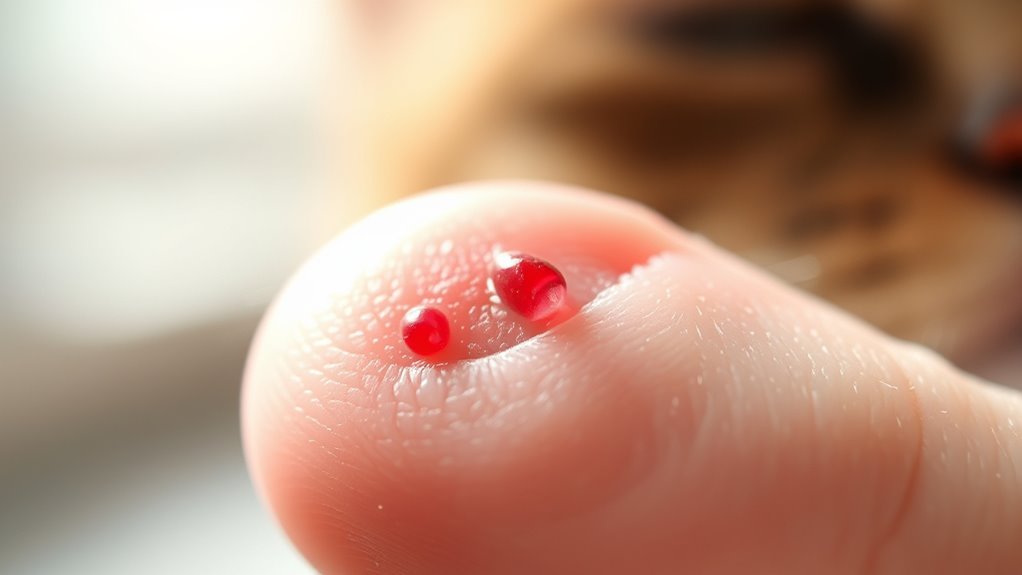
If you get bitten by a cat, look for signs like redness, swelling, or puncture wounds, and clean the wound thoroughly with water and mild soap.
While most bites heal quickly, they can hide serious infections or damage deeper tissues, so seek medical attention if there’s persistent pain, swelling, pus, or if the bite was deep.
Knowing how to care for and prevent bites is key.
Keep exploring to learn more about staying safe and handling cat bites properly.
Key Takeaways
- Cat bites can cause deep puncture wounds and carry risks of bacterial infection. It’s important to clean the bite quickly and see a doctor if needed.
- Signs of infection include redness, swelling, pus, fever, or increasing pain around the bite area. Watch out for these symptoms.
- For first aid, rinse the wound with water, disinfect it, and cover it with a clean bandage. Seek medical help if symptoms get worse.
- Even small bites can lead to serious issues like abscesses or cellulitis if they go untreated. Don’t ignore a bite that looks or feels bad.
- To prevent bites, learn cat body language, avoid sudden movements, and interact gently. This can help keep both you and your cat safe.
How to Recognize a Cat Bite and When to Seek Help
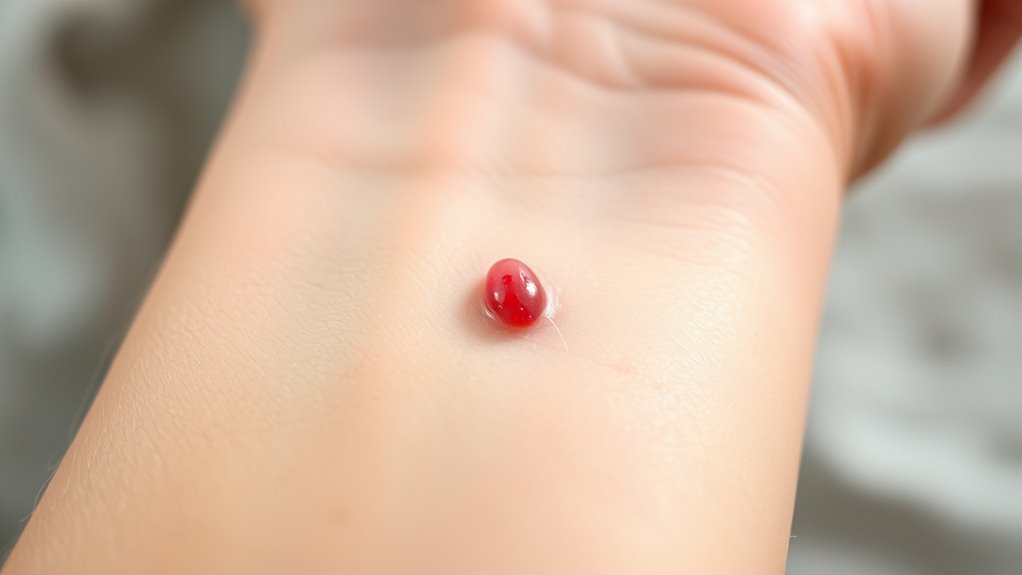
Cat bites can sometimes seem minor, but recognizing the signs early is key to preventing infection or other issues. Look for redness, swelling, puncture wounds, or bleeding around the bite area.
You might also notice pain or warmth, which can be signs of inflammation. Cleaning the wound thoroughly and applying antiseptic are always good first steps, regardless of how minor the bite seems.
Keep an eye out for infection signs like pus, increased pain, or fever. Healing time depends on how deep the bite is and your overall health, but most minor bites heal within a few days to a week.
If your symptoms get worse or if you see signs of infection, it’s important to seek medical help right away. Preventive steps include avoiding rough play with your cat and making sure your cat is healthy.
Factors like your cat’s temperament or where the bite occurred can increase the risk of infection, so stay alert and act quickly if bitten.
How Deep Do Cat Bites Usually Get?
Cat bites usually only go a few millimeters to a centimeter deep. But sometimes, they can be a bit deeper than that. If it’s a shallow bite, it usually just causes minor skin damage. However, a deeper bite can reach muscles or even bones, which is more serious.
Things like the size of the cat, how hard it bites, and where on your body the bite happens all play a role in how deep the bite can get. So, it really depends on the situation, but it’s good to be cautious with any bite from a cat.
Typical Bite Depth Range
Understanding how deep a typical bite can penetrate is important for evaluating injury and infection risk. Cat bites can range from superficial punctures to deeper wounds that reach underlying tissues.
The anatomy of the bite influences how far it can go. Factors like the force applied and the cat’s mouth structure play a role. Most bites are shallow, causing small puncture wounds, but some can be deeper, reaching muscles or tendons.
Knowing this helps you assess how severe the bite is and what healing might involve. Deep bites often need medical attention to prevent infection or complications. Even shallow bites can introduce bacteria, so keeping an eye on healing and cleanliness is important.
Being aware of typical bite depths helps you respond properly and seek care when needed.
Shallow vs. Deep Bites
While many cat bites are shallow punctures, the depth can vary a lot depending on factors like how much force was used and where the bite happened.
Shallow bites usually cause limited tissue damage and have a lower risk of infection, but they still need proper wound assessment.
Deep bites go much further, penetrating deeper tissues, which makes them more serious and increases the chance of infection signs like swelling, redness, or pus.
Healing from deep bites can take longer and often requires medical treatment such as antibiotics or wound cleaning.
Risk factors like delayed care or a weakened immune system can make outcomes worse.
Understanding whether a bite is shallow or deep helps determine the right treatment and can prevent complications.
Always keep an eye out for signs of infection and seek medical advice quickly if needed.
Factors Influencing Penetration
The depth of a cat bite often depends on several factors that influence how far the puncture goes into the skin and tissues beneath. Your bite severity can vary depending on the cat’s aggression, the location of the bite, and how quickly you respond.
Other important factors include the force behind the bite, the size and age of the cat, and whether the bite happens on a sensitive or thick-skinned area. How much movement occurs during the bite and your own skin thickness also play a role.
Knowing these factors helps you understand how deep the bite might be. It also highlights why quick action and proper care are so important to prevent infection. Deeper bites are more likely to cause serious problems, so prompt attention is key to healing well.
Why Are Cat Bites More Dangerous Than They Seem?
Cat bites might look harmless at first, but they can hide some pretty serious infection risks. You might not see it right away, but those tiny puncture wounds can go deep into your tissues, causing damage that’s not immediately obvious. Because of that, it’s easy to underestimate how serious a cat bite can be.
If you don’t treat it quickly, those hidden infections can lead to bigger problems down the line. So, even if it looks minor, it’s always a good idea to get a bite checked out by a healthcare professional to keep things safe.
Hidden Infection Risks
Even a seemingly minor cat bite can hide serious infection risks that aren’t immediately obvious. You might not feel pain at first, but symptoms can develop quickly.
Understanding risk factors helps you take preventive measures, like thoroughly cleaning the wound and seeking veterinary advice promptly. Your immune response varies, so some people may get more severe infections.
Awareness campaigns emphasize that untreated infections can make healing more complicated. Treatments range from antibiotics to wound care, but quick action is essential.
Be alert for signs like swelling, redness, or pus. Knowing these risks encourages you to act fast and prevent complications.
Regular veterinary advice and proper wound management are key to avoiding long-term issues from cat bites.
Deep Tissue Damage
Many people underestimate how deep a cat bite can go, making it more dangerous than it looks on the surface. These bites often reach deep into the tissues, damaging muscles, tendons, and even joints.
This kind of injury can cause a lot of pain and swelling. Sometimes, it leads to chronic pain if it’s not treated quickly. Because the depth isn’t always obvious, infections and tissue damage can happen without obvious symptoms.
You might notice persistent discomfort or stiffness long after the bite. If you don’t get proper medical care, these deep injuries can cause lasting damage and make recovery more complicated.
Understanding the risk of deep tissue damage highlights why it’s so important to see a doctor right away after a cat bite. Prompt treatment can help prevent long-term problems.
When Is a Cat Bite Serious Enough to See a Doctor?
How do you know when a cat bite needs medical attention? Watch out for symptoms that suggest monitoring is necessary, especially if signs of infection appear.
A thorough bite evaluation can help determine if the wound is deep or contaminated. Seek medical advice if you experience persistent pain or swelling, redness spreading around the bite, pus, or a foul odor from the wound.
Seek medical advice if pain, swelling, redness, pus, or foul odor develop after a cat bite.
Other signs to watch for include fever or chills and limited movement or numbness near the bite area. Prompt treatment is key to preventing complications and speeding up recovery.
Proper wound assessment can guide you on the best course of action and may influence how quickly you heal. Even minor bites might need professional care to prevent infection.
Follow basic prevention tips like cleaning the wound well and keeping an eye on symptoms. Early intervention can reduce healing time and help avoid serious infections.
If you’re unsure about the severity of the bite, it’s always best to consult a healthcare provider for proper evaluation.
What Should You Do Right Away After a Cat Bite?
Right after a cat bite happens, your first step is to stop the bleeding and clean the wound well. Use a clean cloth or bandage to apply gentle pressure and control the bleeding.
Once the bleeding slows or stops, rinse the bite area immediately with clean, running water for several minutes. Use mild soap around the wound, but don’t scrub—this can cause more tissue damage.
After cleaning, pat the area dry with a clean towel and put on an antibiotic ointment to help prevent infection. Cover the wound with a sterile bandage to keep it protected.
Remember, acting quickly with proper first aid can lower the risk of infection and complications. Avoid touching or picking at the wound, and watch it for any signs of worsening.
If the bleeding is severe or the wound is deep, seek medical attention right away. Proper wound care right after a bite is crucial in the initial response.
How Do Doctors Treat Cat Bite Infections?
When you go to the doctor for a cat bite, they’ll usually start by cleaning the wound really well to get rid of dirt and bacteria. This helps prevent the infection from setting in right away.
Most of the time, they’ll prescribe antibiotics to help fight off any infection or to stop it from developing. Sometimes, if the bite is pretty deep or there’s a lot of damage, they might need to do a bit of surgery—like removing damaged tissue or draining an abscess.
Ultimately, your doctor will decide the best treatment plan based on how serious the bite is and where it’s located.
Wound Cleaning Procedures
To effectively treat a cat bite infection, doctors focus on thoroughly cleaning the wound right after the injury happens. They start with a careful assessment to check for deep damage or foreign objects.
Then, they use specific cleaning techniques to reduce bacteria and prevent infection. You might notice they rinse the wound with sterile saline or clean water and gently remove dirt, debris, or dead tissue.
They also use antiseptic solutions to disinfect the area and confirm no foreign objects remain. Finally, they cover the wound with a sterile bandage.
This process helps lower bacteria levels and prepares the wound for further treatment. Proper cleaning is essential to prevent infection and promote healing, making it a critical first step in managing cat bites effectively.
Antibiotic Treatments Used
Doctors often prescribe antibiotics right after a cat bite to prevent infection from developing or spreading. The type of antibiotic they choose depends on the bacteria involved and your allergy history.
Common options include amoxicillin-clavulanate, doxycycline, or cephalexin. The treatment usually lasts between 7 and 14 days, depending on how severe the bite is and how well you respond to the medication.
| Antibiotic Type | Typical Duration |
|---|---|
| Amoxicillin-clavulanate | 7-10 days |
| Doxycycline | 10-14 days |
| Cephalexin | 7-14 days |
Always follow your doctor’s instructions carefully to make sure the treatment is effective and to prevent complications.
When Surgery Is Needed
When a cat bite causes a deep infection that doesn’t get better with antibiotics or starts spreading, surgery may be needed. Your doctor will carefully examine the bite to see how much tissue needs to be removed or cleaned.
This step is important to stop the infection from getting worse or spreading further. You might need procedures like drainage, removal of infected tissue, or just cleaning the wound.
It’s really important to follow your doctor’s instructions for after-surgery care to ensure proper healing. Watch for signs that the infection is still there, like increased pain, redness, or swelling.
Surgery is a key step when antibiotics alone aren’t enough to control a severe or ongoing infection. Proper assessment and timely intervention can make a big difference in your recovery.
What Are the Health Risks of Ignoring a Cat Bite?
Ignoring a cat bite can lead to serious health problems because bacteria from the cat’s mouth can quickly cause infections. If you don’t assess the risk properly, you might miss signs like redness, swelling, or pus, which need prompt treatment.
Bites are common in cat behavior, and many injuries go untreated, increasing the risk of complications. If you ignore a bite, bacteria can spread and cause issues like abscesses or cellulitis.
Cleaning the wound right away is crucial to reduce infection risk. If symptoms get worse or you’re unsure about how serious it is, seek medical advice. Neglecting a bite can also lead to more severe conditions, including rabies or other diseases passed from animals.
Knowing how to prevent bites and getting medical help quickly can minimize health risks and help you recover faster. Always see a healthcare professional for proper wound care and follow their recommended treatment options.
How Can You Prevent Cat Bites and Stay Safe?
To stay safe and prevent cat bites, it’s important to understand and respect a cat’s boundaries. Recognizing cat behavior and bite cues helps you see when a cat feels threatened or overstimulated.
Understanding and respecting a cat’s boundaries helps prevent bites and ensures a safer, more trusting relationship.
Practice good pet training and socialization tips to build trust and reduce biting incidents. Always do a risk assessment before approaching a cat, especially if it’s unfamiliar or nervous.
Here are some helpful tips:
- Watch the cat’s body language for signs of stress or aggression
- Avoid sudden movements or loud noises that might startle it
- Respect the cat’s personal space and don’t invade it uninvited
- Engage in gentle, positive interactions to build confidence
- Learn to spot early warning signs of discomfort or agitation
As a pet owner, you’re responsible for keeping your feline safe. Understanding their behavior and using bite prevention techniques create a safer environment for everyone.
Can Cat Bites Cause Long-Term Health Problems?
Could a simple cat bite lead to long-term health issues? Yes, it’s possible. Sometimes, bacteria from the bite can cause long-term infections if not treated properly, leading to persistent discomfort or swelling.
In rare cases, the infection can spread, resulting in chronic pain that lasts months or even years. Beyond physical health, cat bites can also have psychological effects, especially if the bite causes trauma or fear around cats.
Your immune response plays a key role; a strong immune system can fight off infections early, reducing the risk of complications. However, if your immune response is weakened, you’re more vulnerable to ongoing problems.
While most bites heal without issues, ignoring symptoms or delaying treatment can increase the risk of long-term health problems. Being aware of these potential risks helps you seek timely care and minimize lasting effects.
How to Care for a Cat Bite at Home and When to Seek Medical Help
When you get a cat bite, prompt and proper care can prevent infection and complications. First, wash the bite thoroughly with soap and warm water for at least five minutes. Apply an antiseptic and cover it with a clean bandage.
Keep an eye on it for signs of infection like redness, swelling, or pus. To help it heal, rest and elevate the affected area.
For home remedies, applying a cold compress can reduce swelling and pain. Over-the-counter pain relievers like ibuprofen can also help with discomfort. Remember, avoiding rough play and not handling aggressive cats can prevent bites.
Seek medical help if you notice increasing redness, warmth, or pus. Also, if you develop fever or chills, or if the bite is deep or from a stray cat, see a healthcare professional. Prompt care is essential to prevent infection and ensure proper healing.
Frequently Asked Questions
Can Cat Bites Transmit Rabies?
Yes, cat bites can transmit rabies, especially if the cat is infected.
If you’re bitten, watch for symptoms like fever, confusion, or paralysis, and see a healthcare professional right away.
To reduce the risk, clean the wound thoroughly and get a rabies vaccine if your doctor recommends it.
Not all cats have rabies, but it’s important to treat bites seriously and seek medical advice promptly.
How Long Does It Take for a Cat Bite to Heal?
The healing process for a cat bite depends on how severe it is, but usually, minor wounds take about 5 to 10 days to heal.
If the bite is deep, it’s like a storm breaching your defenses, and healing might take a few weeks or even longer if an infection develops.
Keep the wound clean, watch for signs of infection, and give your body time to heal.
Are Certain Cats More Likely to Bite?
Some cats are more likely to bite because of their feline behavior, especially if they feel threatened, stressed, or overstimulated.
You can reduce the risk by understanding their body language and practicing bite prevention techniques. Respect their boundaries, avoid sudden movements, and give them space when needed.
Recognizing warning signs and handling cats gently helps prevent bites, making interactions safer and more enjoyable for both you and your feline friend.
What Are Common Signs of Infection From a Cat Bite?
You should watch for signs of infection like redness, swelling, warmth, pain, or pus around the bite.
Fever and feeling unwell can also be signs that the infection is spreading. Proper treatment includes cleaning the wound thoroughly with soap and water, then applying an antiseptic and keeping it covered.
If symptoms get worse or don’t improve within a day or two, it’s important to see a doctor. Antibiotics might be needed to prevent serious complications.
Can a Cat Bite Cause Nerve Damage?
Yes, a cat bite can cause nerve damage, especially if the bite is deep or near sensitive areas. Cats may scratch or bite when feeling threatened or during play, so understanding their behavior helps in bite prevention.
If bitten, seek prompt medical attention to assess nerve involvement and prevent complications. Being cautious around cats and recognizing their signals can reduce the risk of serious injury.
Conclusion
Remember, your safety depends on recognizing, reacting to, and caring for cat bites promptly. Stay aware, stay cautious, and stay healthy.
Protect yourself from infection, prevent complications, and preserve your well-being. Your vigilance can make the difference between a minor injury and a serious health issue.
Keep learning, keep caring, and keep safe—because your health is worth it, every time. Understanding what to do about cat bites is key to staying safe.