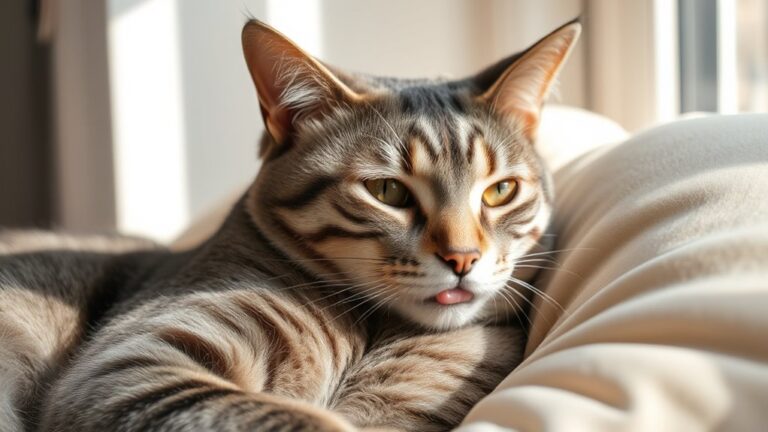
Why Is My Cat Not Purring When I Pet Him?
Many cat owners wonder why their furry friend isn’t purring when they pet them. It’s a common concern, and you’re not alone in feeling unsure about what it means. Understanding why your cat isn’t purring can help you connect better and ensure they’re happy and healthy.
If your cat isn’t purring when you pet him, it could be due to stress, discomfort, or health issues. Cats may stop purring if they’re feeling anxious, in pain, or tired. Their individual temperament and environment also play a role.
Sometimes, changes in behavior or mood can suppress purring. If you notice persistent silence or other odd signs, it’s best to check with a vet.
You’ll learn more about what your cat’s signals mean as you continue understanding him.
Key Takeaways
- Your cat might be feeling stressed, anxious, or in pain, which can make it avoid purring when you pet him.
- Illness or tiredness can also reduce natural vocal sounds like purring.
- Sometimes, your cat’s mood or personality can lead to less purring during interactions.
- Noises or unfamiliar surroundings can make it hard for your cat to relax and purr.
- If your cat suddenly stops purring or you notice other changes, it could be a sign of health issues that need a vet’s attention.
Why Isn’t My Cat Purring?
Have you ever wondered why your cat isn’t purring? Purring is a key part of how cats communicate and shows they’re content, but not all cats purr all the time. Sometimes, a change in their behavior or health can make your cat stop.
Cats might not purr when they’re stressed, scared, or in pain. They also might not purr if they’re feeling unwell or exhausted. Paying attention to these signals helps you understand what your cat is feeling.
Some cats simply communicate differently. Instead of purring, they might show affection through other behaviors. Also, individual temperament matters—some cats are naturally quieter or less vocal.
If your cat usually purrs but suddenly stops, it could be a sign something’s bothering them. Recognizing these signs helps you understand their behavior and respond to their needs appropriately.
What Are Common Reasons My Cat Stops Purring During Petting?
Your cat might stop purring during petting if she’s feeling stressed or anxious. When she’s uncomfortable, she might pull away or stop making those cozy purring sounds. It’s like she’s telling you she’s not really feeling it at the moment.
Physical discomfort or pain can also be a reason. If she’s hurting somewhere or not feeling well, she might withdraw and stop purring, even if she usually loves the attention. It’s her way of saying, “Hey, I’m not feeling great right now.”
Plus, her mood or temperament can play a part. Some cats are more sensitive or easily overstimulated, so if she’s had enough or is feeling a bit overwhelmed, she might stop purring and try to distance herself.
Stress or Anxiety
If your cat suddenly stops purring, it could mean they’re feeling uneasy or overstimulated. External factors like loud noises, unfamiliar environments, or other animals can make them more anxious.
Recognizing these stress signals helps you understand when your cat isn’t relaxed, even if they often purr during petting. Addressing these triggers and giving your cat some space can help reduce their anxiety.
This can encourage a more comfortable experience where they’re happy to purr again.
Physical Discomfort
Sometimes, a cat stops purring during petting because they’re experiencing physical discomfort. Cats have a strong ability to recognize pain and can become sensitive to touch when they’re hurt.
If your cat suddenly pulls away or shows signs of discomfort, it might be because of an underlying health issue like arthritis, dental problems, or injuries. Cats vary in how sensitive they are to physical sensations; some react more than others.
If you notice your cat flinching, growling, or avoiding touch, it’s important to consider their physical health. Ignoring these signs can make things worse, so it’s best to see a veterinarian to find out if pain is the cause and ensure your cat stays healthy.
Mood or Temperament
Cats may stop purring during petting when their mood or temperament shifts, signaling they’re feeling uneasy or overstimulated. Sometimes, your cat’s emotional state affects how they respond to your touch. For example:
- They might become overwhelmed after a playful interaction and need space to reset.
- Feelings of stress or anxiety can make them withdraw, even if they usually enjoy your company.
- A change in mood can temporarily interrupt their ability to relax and bond emotionally during petting.
Understanding these signals helps you respect their boundaries. When your cat isn’t purring, it’s often a sign they need a break rather than a lack of affection. Recognizing these shifts supports a healthy emotional bond and makes petting more comfortable for both of you.
Can Health Problems Cause My Cat Not to Purr?
Health problems can greatly impact a cat’s ability to purr. When your cat isn’t purring, it might be a sign of underlying health issues affecting their well-being.
Certain health indicators like pain, discomfort, or illness can suppress a cat’s natural communication methods, including purring. If your cat is unwell, they may avoid behaviors that usually soothe or connect them with you, like purring.
Conditions such as respiratory infections, oral pain, or neurological issues can interfere with the vocal cords or nervous system involved in purring. It’s important to watch for other signs of illness, like lethargy, changes in appetite, or unusual behavior.
Addressing health concerns quickly with your vet can help improve your cat’s overall condition and may restore their ability to purr, helping them feel comfortable and happy again.
How Does Your Cat’s Personality Affect Purring?
Your cat’s personality really influences how much it purrs. For example, some cats are naturally more reserved or independent, so they might not purr as often. On the other hand, social and affectionate cats tend to purr more because they’re more comfortable and happy around people.
Getting to know your cat’s personality helps you understand its purring better. If your cat is more shy or aloof, a little purring might be a special sign of trust when it does happen. So, paying attention to these traits can give you a clearer idea of what your cat’s purring really means.
Individual Temperament Differences
Just like people, every cat has its own personality that affects how often and how easily they purr. Your cat’s individual traits influence their purring habits and preferences.
Some cats are naturally more reserved, showing fewer emotional cues and communicating in subtle ways. Others have unique quirks and trust levels that affect how comfortable they feel when being petted.
Think about these factors:
- Sensory sensitivity can make some cats more hesitant to purr while being touched.
- How they communicate influences how openly they show pleasure or discomfort.
- Their emotional responses and quirks shape their overall purring patterns.
Understanding these temperament differences can help explain why your cat’s purring varies or might be absent during petting.
Social vs. Independent Traits
Cats’ personalities really influence how often and how easily they purr, especially when it comes to being social or independent.
If your cat loves social interaction, they’re more likely to purr when you pet them because it helps strengthen your bond. These cats often seek attention and enjoy being close, so purring becomes a common way they show affection.
On the flip side, independent cats prefer solo activities like independent play and might only purr sometimes, even when they’re comfortable. They may not seek contact as much, so their purring isn’t as automatic during petting.
Knowing your cat’s personality can help explain their purring habits—whether they’re eager to show love through purring or prefer a more reserved, self-sufficient vibe.
Is Stress or Anxiety Making My Cat Silent?
Have you noticed your cat suddenly becoming quiet or unusually withdrawn? Stress or anxiety can cause your feline to silence its typical vocalizations and hide signs of comfort.
When a cat feels anxious, its body language shifts, signaling discomfort. Here are three signs to watch for:
- Reduced Feline Vocalizations: Your cat may stop purring or meowing, especially when you’d expect interaction.
- Altered Body Language: Tense muscles, flattened ears, or a tucked tail can indicate stress.
- Avoidance of Interaction: Your cat might hide or shy away from petting, showing signs of feeling overwhelmed.
These cues suggest anxiety might be suppressing your cat’s usual purring or vocal responses. Recognizing stress through body language helps you understand their emotional state and makes it easier to provide reassurance and reduce triggers.
How Environment and Surroundings Influence Purring
Your environment plays a big role in whether your cat feels comfortable enough to purr. Things like loud noises or unfamiliar visitors can make your cat feel uneasy, which can prevent purring.
Sensory stimulation, such as bright lights or sudden movements, can also cause stress or alertness, making your cat less likely to purr. Creating a calm, quiet space with familiar smells helps your cat feel secure.
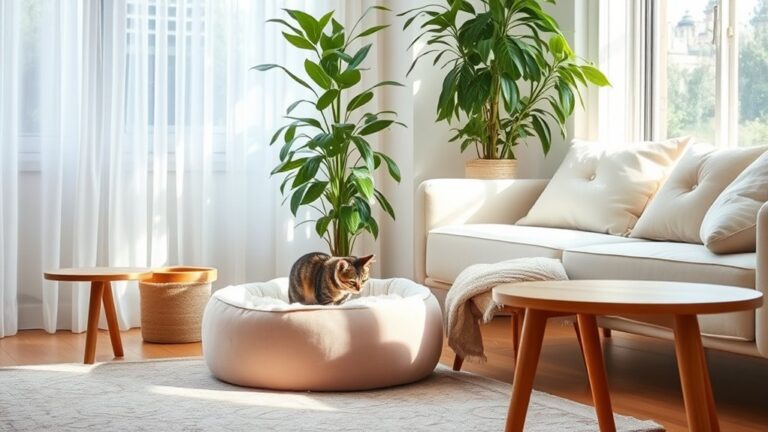
Providing cozy hiding spots or soft bedding can boost your cat’s sense of safety. Keeping routines consistent and avoiding disruptions also helps reduce anxiety caused by the environment.
When your cat is in a peaceful setting, they’re more likely to purr because they trust their surroundings and feel safe with you. Remember, changes in the environment can directly affect your cat’s mood and their purring behavior.
How to Tell If Your Cat’s Purring Means Happiness or Discomfort
Pay attention to where and when your cat purrs—that can really help you figure out if they’re feeling happy or a bit off. If your kitty is purring while cuddled up and relaxed, chances are they’re content. But if they’re purring in situations that seem stressful or unusual, it might be a sign something’s bothering them.
Also, keep an eye on their physical cues. Tense muscles or dilated pupils could mean they’re uncomfortable or anxious. And notice if their purring patterns change—like suddenly going silent or having irregular rhythms—those little signs can tell you a lot about how they’re really feeling.
Purring Context and Environment
Purring can mean a lot of different things, so paying attention to the context and environment helps you understand what your cat’s purring really means. Things around them and what’s happening can change how they purr.
Think about where your cat is when they purr. If they’re calm or playing, they’re probably feeling happy. But if loud noises or visitors come in, they might not be as comfortable.
Look at your cat’s body language too. If they’re relaxed and purring, they’re probably content. But if they seem tense, the purring might mean they’re stressed or uneasy.
Physical Signs of Discomfort
While purring often signals contentment, it can sometimes indicate discomfort or stress if accompanied by certain physical signs. Look for discomfort indicators like tense muscles, flattened ears, or a tucked tail.
Your cat’s body language is key. If they avoid eye contact, have dilated pupils, or show a stiff posture, they might be feeling uneasy. Restless movements, swatting, or avoiding your touch can also signal discomfort.
Pay attention to how your cat reacts physically. If they pull away or seem tense, their purring may not be a sign of happiness. Recognizing these cues helps you understand when your cat is stressed or unwell.
This way, you can respond appropriately and help ensure their well-being.
Changes in Purring Patterns
Changes in your cat’s purring patterns can tell you a lot about how they’re feeling. Pay attention to the purring frequency because a steady, gentle purr usually means they’re content.
On the other hand, irregular or hesitant purring might mean they’re uncomfortable or stressed. Emotional triggers can influence these patterns a lot.
A high purring frequency generally indicates relaxation and happiness. If their purring is interrupted or inconsistent, it could point to anxiety or pain.
And if your cat is silent or barely purring, it doesn’t always mean they’re unhappy. Sometimes, it might mean they’re feeling vulnerable or unwell.
Tips to Encourage Your Cat to Purr When You Pet Him
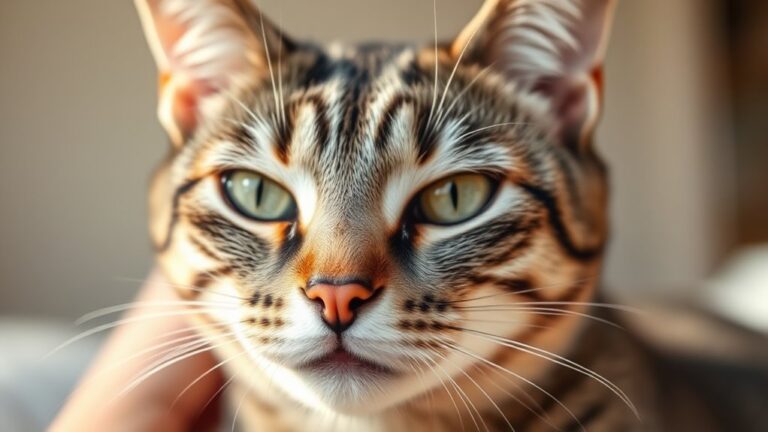
Encouraging your cat to purr when you pet him is all about paying attention to what he likes and how he responds. Start with gentle, slow strokes like softly petting his head or chin, which can help him relax.
Watch his body language—if he leans into your touch or nuzzles you, you’re doing well. Adjust your petting style to match what he prefers; some cats like quick, light strokes, while others enjoy longer sessions.
Keep your petting calm and steady, avoiding sudden moves or loud noises that might startle him. Use a quiet voice and stay relaxed to help him feel safe.
When Should I See a Vet About My Cat’s Purring Changes?
Noticing a sudden or persistent change in your cat’s purring habits can be concerning, especially if it’s accompanied by other signs of discomfort or illness. If your cat stops purring altogether or shows unusual behavioral changes, it’s time to consider a vet visit.
You should see a vet if:
- Your cat’s purring stops suddenly and stays that way for more than a day.
- You notice other signs like lethargy, loss of appetite, or hiding.
- There are noticeable behavioral changes, such as increased aggression or withdrawal.
These signs could mean your cat is dealing with underlying health issues or pain. Ignoring these changes might make things worse. A vet can check your cat’s health, spot potential problems, and suggest the right treatment.
Addressing purring changes early helps keep your feline friend comfortable and healthy. Don’t hesitate to get professional advice when your cat’s behavior or purring habits shift unexpectedly.
Other Behaviors to Watch for Alongside Purring
While purring is a common sign of contentment, paying attention to other behaviors can give you a clearer picture of your cat’s well-being. Watch their overall activity—are they hiding more or acting sluggish?
Changes in how often they purr might be subtle, but if you notice flattened ears, dilated pupils, or tail flicking, these are important clues. Keep an eye on grooming habits; excessive grooming or suddenly not grooming at all can point to stress or health issues.
Listen for other sounds like growling or hissing, which can indicate discomfort or agitation. Also, notice if your cat avoids interactions or seems to hurt when you pet them. These cues, along with changes in purring, help you understand their physical and emotional state.
Recognizing these signs can tell you if your cat needs a vet or if their behavior is just a different way of communicating. Staying attentive to these behaviors ensures you can support your feline friend’s health and happiness.
Frequently Asked Questions
Can Age Affect a Cat’s Purring Frequency?
Yes, age can affect a cat’s purring frequency. As cats get older, their purring mechanics and behavior might change because of health issues, weaker muscles, or changes in their vocal cords.
Younger cats tend to purr more often and louder, while older cats might purr less or not at all. If you notice a big change in your cat’s purring pattern, it’s a good idea to see a vet to make sure everything’s okay.
Do Certain Breeds Purr Less Than Others?
Some breeds purr less than others, and it usually comes down to breeding and personality traits. For example, Siamese cats tend to be more vocal, while breeds like the Scottish Fold might purr quietly or not as often.
Keep in mind that individual personality also matters—some cats are naturally more reserved. So, don’t judge your cat’s affection just by how much it purrs; every feline is unique.
How Does a Cat’s Diet Influence Purring?
A cat’s diet can really influence its purring because nutritional deficiencies might cause discomfort or lower energy levels, which can reduce how often it purrs.
Proper nutrition helps support your cat’s emotional well-being, making it feel more relaxed and content, which encourages purring.
Feeding your cat a balanced diet rich in essential nutrients promotes overall health, comfort, and happiness.
When your cat is well-nourished, it’s more likely to purr when you pet him.
Is It Normal for a Kitten Not to Purr?
Ever wonder if it’s normal for a kitten not to purr? Yes, it’s quite common, especially in very young kittens.
Their purring development happens gradually, usually starting around 2 weeks old, but some might take longer.
During this early phase, they communicate differently and rely more on other signs of comfort.
As they grow, you’ll probably notice their purring becoming more frequent and soothing.
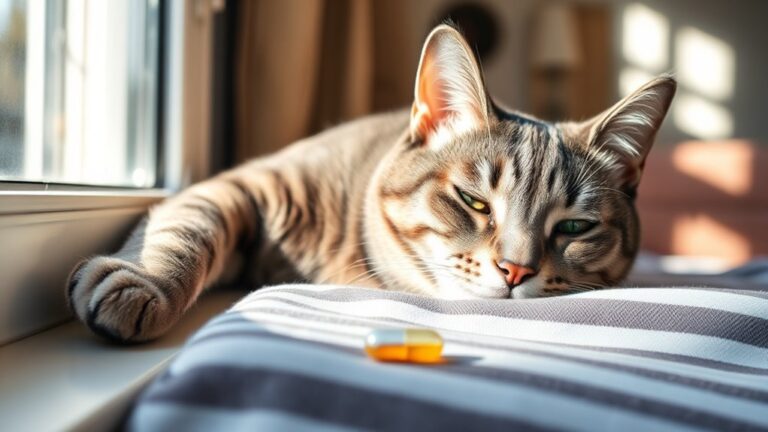
Can Medication Reduce a Cat’s Purring?
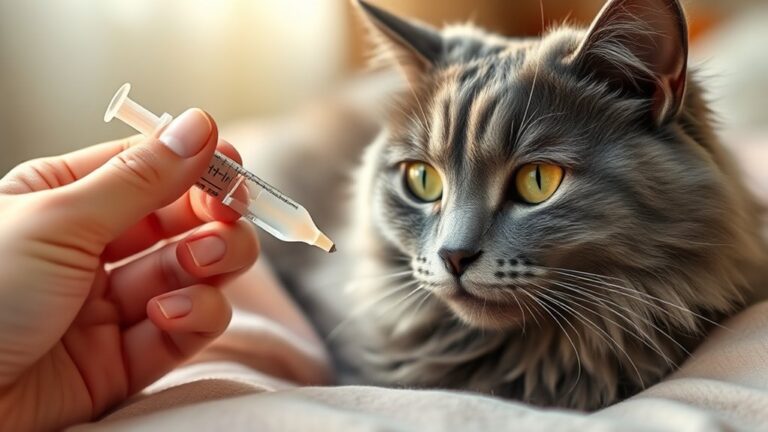
Yes, medication can reduce a cat’s purring. Certain medications, especially those affecting the nervous system or mood, may cause behavioral changes including less purring.
If your cat is on medication and you notice they’re purring less, talk to your vet. They can help you understand if this is expected or if adjustments are needed.
Your vet will make sure your cat stays comfortable and happy. Always check with them before making any changes to your cat’s treatment.
Conclusion
If your cat isn’t purring, it doesn’t mean something’s wrong—sometimes cats just don’t purr as much or at all.
Remember, every cat has its own way of showing comfort and happiness. If you notice other unusual behaviors or suspect health issues, don’t hesitate to see your vet.
Your love and attentive care can make all the difference, helping your feline friend feel safe and loved, whether they purr or not. If your cat is not purring, it’s often normal but keep an eye on their overall well-being.