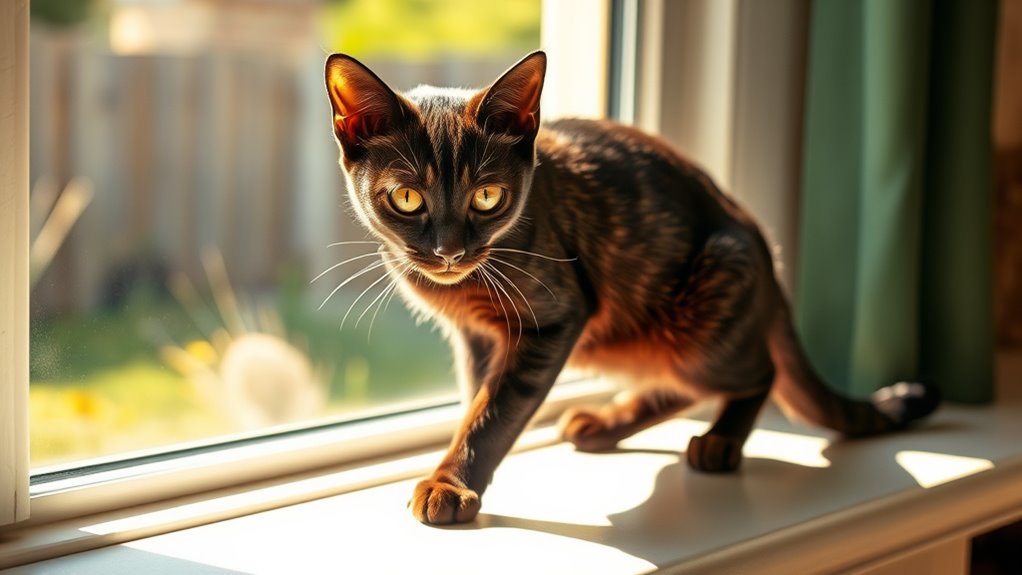
Realities of Keeping a Black-Footed Cat as a Pet
Thinking about bringing a black-footed cat into your home? You’re not alone—many animal lovers are fascinated by these rare, wild cats.
But you’re also probably aware that keeping one as a pet isn’t as simple as it seems.
Keeping a black-footed cat as a pet is highly challenging and often unethical. These wild cats have specialized needs, like large outdoor enclosures, hunting behaviors, and specific diets that are tough to replicate in captivity.
Legal restrictions and conservation concerns also prevent many from owning them.
If you want to learn about the realities and better alternatives for wild cat enthusiasts, keep exploring how to support their preservation safely.
Key Takeaways
- Black-footed cats have very specialized hunting and territorial behaviors that are tough to recreate in captivity.
- They need large, complex outdoor enclosures that mimic their natural desert environment for safety and stimulation.
- Their diet should be similar to what they hunt in the wild, focusing on high-protein, low-fat foods like small rodents and insects.
- Laws about owning black-footed cats vary a lot; many places restrict or ban keeping them as pets due to conservation and safety concerns.
- Ethical considerations suggest supporting conservation efforts and visiting sanctuaries rather than trying to domesticate wild species.
What Are Black-Footed Cats and How Do They Differ From Domestic Cats?
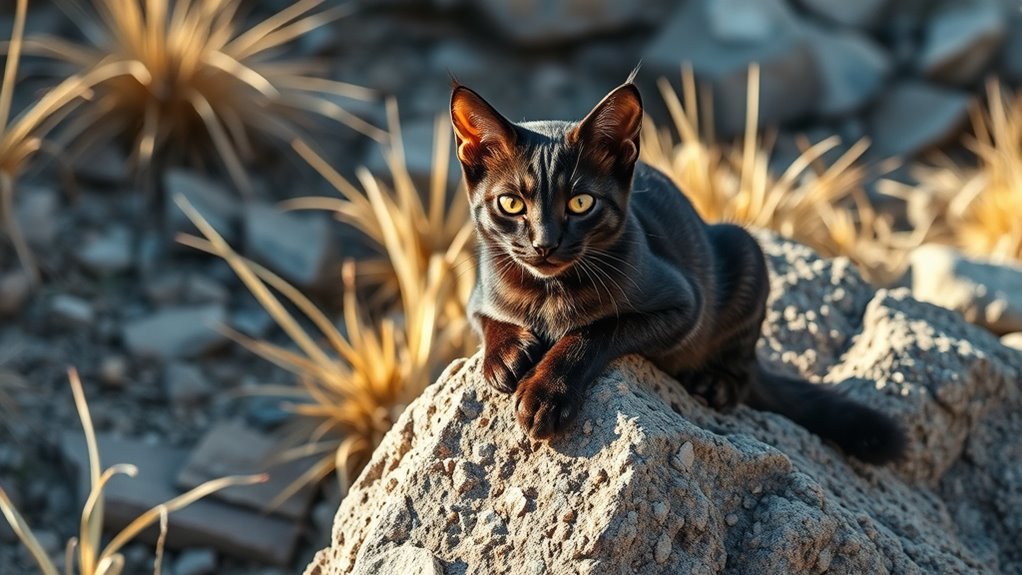
Black-footed cats are small, wild cats native to Southern Africa. Unlike domestic cats, they’ve evolved to survive in tough desert environments.
Their black foot pads are a key feature, helping them grip sandy terrain and regulate body temperature. Compared to domestic cats, which are more social and adaptable, black-footed cats are usually solitary and highly specialized hunters.
Black-footed cats’ foot pads aid grip and temperature regulation; they are solitary, specialized hunters unlike social domestic cats.
They have a lean, muscular build with a short, dense coat that protects against extreme desert heat and cold. While domestic cats often enjoy a variety of foods and human interaction, black-footed cats rely on fierce hunting skills.
They stalk small prey like rodents and insects using sharp claws, keen eyesight, and exceptional agility. These traits make them very different from typical house cats.
The Natural Behavior and Habitat of Black-Footed Cats
Black-footed cats are native to the dry, arid parts of Southern Africa. They love hanging out in grasslands and rocky areas, which give them plenty of cover and hunting opportunities. You’ll notice they’re pretty fierce hunters, stalking tiny prey like insects and rodents with impressive agility.
Getting to know their natural habitat and how they hunt can really help you understand what it takes to care for one properly. It’s all about mimicking their environment as much as possible and providing opportunities for them to engage in their natural behaviors.
Native Habitats and Range
These elusive cats are mainly found in the arid and semi-arid regions of southern Africa, where they thrive in areas with plenty of cover and prey. Their range includes countries like Namibia, Botswana, and South Africa, often in places with sparse vegetation and rocky terrain.
Because they have such a limited range, protecting their habitat is crucial for their survival. They prefer natural shelters like dense bushes, termite mounds, and rocky outcroppings, which help them stay hidden from predators and humans.
Their specialized habitat needs mean they aren’t widespread, so conserving their environment is vital. Understanding where they live naturally helps efforts to protect their populations and ensure they continue to thrive in the wild.
Natural Hunting Behaviors
Their specialized habitats not only provide shelter but also shape how they hunt. Black-footed cats have strong hunting instincts and an intense prey drive, honed by their environment.
In the wild, they actively stalk and pounce on small animals like insects, rodents, and birds. Their agility and keen senses help them detect prey even in low light.
Because of this, they’re relentless hunters, often spending hours stalking and hunting. If kept as pets, this natural drive stays, so they might display stalking behaviors or become restless without enough mental and physical stimulation.
Understanding their natural hunting behaviors helps you see why they need activity and enrichment. It’s important to simulate their hunting environment to keep them healthy and engaged.
Are Black-Footed Cats Legal to Own?
Whether you can legally own a black-footed cat depends largely on where you live, as regulations vary a lot from place to place. Some areas have strict rules that ban keeping exotic or wild cats as pets, mainly for safety and conservation reasons.
Before you even think about ownership, it’s important to check your local laws and licensing rules. Not doing so could lead to fines or having the animal taken away.
You also need to understand what’s involved in caring for a black-footed cat. This includes providing the right habitat, diet, and veterinary care.
Many regions see black-footed cats as protected or restricted species, which means you might need special permits or licenses to keep one. Ignoring these laws can put you at legal risk and harm the animal’s well-being.
Make sure you’re fully aware of local laws and ready for the responsibilities before considering bringing a black-footed cat into your home.
Conservation and Ethical Concerns With Keeping Black-Footed Cats
Keeping a black-footed cat as a pet raises serious conservation and ethical concerns. Removing animals from their wild populations can threaten their survival and disturb ecosystems.
Wild populations are already at risk because of habitat loss and illegal trade. Taking these cats for private owners hampers efforts to protect their natural habitats and ensure the species’ survival.
The ethical issues are clear: taking animals from the wild ignores their intrinsic value and well-being. It’s important to consider the bigger picture beyond just having a pet.
Think about how this impacts ecosystems:
- It can disrupt local prey-predator relationships
- It decreases genetic diversity in wild groups
- It increases the chances of illegal poaching
- It can cause loss of natural behaviors and survival skills
- It undermines global conservation efforts
Supporting conservation and respecting ethical boundaries are key to preserving black-footed cats in the wild. Protecting these cats benefits ecosystems and aligns with responsible animal stewardship.
Diet and Habitat Needs of Black-Footed Cats
Black-footed cats have some pretty particular dietary preferences, so it’s important to make sure their meals are just right to keep them healthy and happy. In the wild, they mainly hunt small rodents, birds, and insects, so providing a diet that closely resembles this natural prey is key.
When it comes to their habitat, they need an enclosure that mimics their natural environment. This means including plenty of hiding spots, rocky areas, and some open spaces for stalking and playing. Creating a habitat that feels familiar to them helps reduce stress and encourages natural behaviors. So, understanding both what they eat and what their environment needs is really important for giving them the best care possible.
Dietary Preferences and Restrictions
Considering their natural hunting instincts, black-footed cats need a diet that closely resembles what they’d catch in the wild. Focus on high-protein, low-fat meals to support their health.
They mainly eat small mammals, insects, and birds, so their diet should reflect that. Providing fresh mice, insects, or small bird parts is ideal.
You can also include freeze-dried meats and occasional treats like cooked eggs. Just make sure to add dietary supplements like taurine and vitamins when necessary.
Avoid processed foods or anything high in carbs. Staying consistent with these dietary choices helps keep them healthy and sharpens their natural instincts.
Natural Habitat and Enclosure Needs
Because they are naturally adapted to arid, open habitats, black-footed cats need enclosures that mimic these conditions to thrive in captivity. Provide a spacious area that allows plenty of movement and exploration, ideally resembling their natural environment.
Add habitat enrichment like rocks, logs, and hiding spots to encourage their natural behaviors. Make sure there are areas for stalking and hunting, which are vital for their well-being.
Use a dry, sandy, or rocky substrate to replicate their desert terrain. A well-designed habitat helps prevent stress and promotes natural activity.
Housing Challenges for Black-Footed Cats
Housing a black-footed cat presents significant challenges because of their specialized needs and natural habitat. You need to create an enclosure that mimics their wild environment, which is no small task.
Proper enclosure design is crucial to prevent escape and ensure safety. This means sturdy barriers and secure hiding spots are a must.
A secure enclosure with sturdy barriers and hiding spots is essential for their safety and containment.
These cats also have unique socialization needs. They thrive with minimal human interaction and can become stressed or aggressive if overstimulated.
Imagine their ideal space as a large, secure outdoor enclosure with natural terrain. Raised platforms for climbing and observation are great for enrichment.
Include hideouts to give them privacy and reduce stress, along with vegetation for cover. Space for activity and exploration is also essential.
Meeting all these needs requires careful planning and resources, making housing a black-footed cat a complex, ongoing commitment.
Without proper environment management, these cats can become distressed or escape, which risks both the animal and the owner.
Caring for Black-Footed Cats: Enclosure and Environment
To keep your black-footed cat happy and healthy, it’s really important to have a spacious enclosure that feels like its natural home. Think of it as creating a mini wild habitat right in your backyard! Adding plenty of hiding spots, climbing trees, and interesting toys will keep your feline entertained and mentally stimulated.
You also want to pay attention to the temperature and humidity inside the enclosure. Keeping these levels just right helps prevent stress and keeps your cat from getting sick. When your cat feels comfortable and relaxed, it’s much more likely to thrive and stay engaged with its environment.
Spacious and Enriching Enclosures
A spacious and enriching enclosure is key to keeping a black-footed cat healthy and stimulated. It should have plenty of space for exercise and exploration to prevent boredom and stress.
Include features like climbing structures, hiding spots, and varied terrain to encourage natural behaviors. Think tall trees, platforms, dense shrubs, and caves for resting and hiding.
Add sand pits or soil areas so your cat can dig, just like in the wild. Incorporate rotatable toys and puzzles to keep their mind engaged and active.
Scent-marking objects help mimic natural territory and add enrichment. Overall, a well-designed enclosure promotes both physical activity and mental well-being.
Make sure it’s safe, stimulating, and enriching for your black-footed cat so they can thrive in their environment.
Natural Habitat Simulation
Creating a natural habitat simulation for your black-footed cat involves carefully reproducing the key elements of its wild environment. You should incorporate habitat enrichment to keep your cat mentally and physically stimulated, mimicking its natural behaviors.
Provide varied terrain with rocks, logs, and hiding spots to encourage exploration and stalking. Incorporate environmental stimulation through scent trails, climbing structures, and foraging opportunities, which mimic hunting in the wild.
Regularly changing elements in the enclosure prevents boredom and promotes natural activity patterns. Use plants and natural materials to create a more authentic setting.
Temperature and Humidity Control
Maintaining proper temperature and humidity levels in your black-footed cat’s enclosure is essential for their health and comfort. Proper temperature regulation ensures they don’t become stressed or ill, while humidity control helps prevent respiratory issues.
Aim for a temperature around 75-85°F and humidity levels between 40-60%. Use a thermostat and hygrometer to monitor conditions accurately.
To create a suitable environment, consider using heating pads or lamps for warmth. Good ventilation helps regulate humidity levels too.
You might also need humidifiers or dehumidifiers, depending on your climate. Shade or shelters can help prevent overheating.
Regular checks are important to confirm levels stay consistent and your cat stays comfortable.
Behavioral Differences: Wild vs. Captivity
Wild black-footed cats behave based on their natural instincts, like hunting small prey and staying alert to their surroundings. In the wild, they are solitary and very territorial, marking and defending their space from others.
Their social interactions are minimal, mostly just for mating or caring for their young. When kept in captivity, these behaviors often change. You might see less hunting because they’re fed regularly, but they still stay highly alert.
They may still mark their enclosure and show territorial behaviors, but these tend to lessen if they feel secure and have enough space. However, their natural tendency to be solitary can cause frustration if they’re kept with other animals or in small spaces.
Understanding these behavioral differences helps you meet their needs. It allows you to create an environment that respects their wild instincts while keeping them comfortable in captivity.
Should You Own a Black-Footed Cat? Ethical and Practical Considerations
Deciding whether to own a black-footed cat involves careful consideration of both ethical and practical factors. Ethical ownership means understanding that wild cats have complex needs that are hard to meet in a home setting.
You must accept pet responsibilities, including providing a suitable habitat and proper medical care. Think about these points:
- The impact on wild populations and conservation efforts
- Your ability to meet the cat’s specialized dietary and habitat needs
- The risk of unpredictable behavior or safety concerns
- Legal restrictions or permits required in your area
- The long-term commitment and potential challenges of caring for a wild species
If you can’t meet these responsibilities, owning a black-footed cat might not be ethical. It’s important to consider whether your desire as a pet owner lines up with the animal’s welfare and conservation needs before making a decision.
Alternatives for Enthusiasts Interested in Wild Cats
If you’re passionate about wild cats but unsure about owning a species like the black-footed cat, there are responsible alternatives that let you appreciate these animals without risking their well-being.
Exploring options like visiting reputable wildlife sanctuaries or supporting conservation programs helps you observe and learn about these incredible creatures ethically.
Many zoos and conservation centers offer educational experiences that foster understanding and appreciation for wild cats in their natural habitats.
You can also enjoy high-quality documentaries or virtual safaris, which provide immersive experiences without the risks of private ownership.
Getting involved with local wildlife clubs or volunteering for conservation projects can deepen your connection to wild cats.
These alternatives satisfy your curiosity and passion while promoting responsible stewardship, helping ensure wild cats are protected and their environments preserved for future generations.
Frequently Asked Questions
How Much Does a Black-Footed Cat Typically Cost to Acquire and Maintain?
The initial cost to acquire a black-footed cat typically ranges from $1,500 to $3,000, depending on the breeder and location.
Ongoing expenses include a specialized diet, veterinary care, and enclosure maintenance, which can add up to about $500 to $1,000 each year.
These cats need specific care, making them both costly and challenging to keep as pets. Be ready for the upfront costs and continuous expenses to ensure their well-being.
What Are the Common Health Issues Faced by Black-Footed Cats in Captivity?
You should watch for common health issues like dental problems, respiratory infections, and nutritional deficiencies in captive black-footed cats. Their specialized dietary needs mean you must provide a balanced, high-protein diet to help prevent health problems.
Their behavioral traits, such as high energy levels and territorial instincts, can lead to stress if not properly managed. Regular veterinary check-ups are essential to keep your cat healthy and catch any health concerns early.
Can Black-Footed Cats Be Trained or Socialized Like Domestic Cats?
Black-footed cats have significant behavioral differences from domestic cats, making training and socialization challenging. You might find them less receptive to typical training because they’re naturally more independent and elusive.
While you can build trust, expecting the same level of socialization as with domestic cats isn’t realistic. Their instincts and wild tendencies mean you’ll need patience and understanding.
Focus more on enriching environments rather than traditional training methods. It’s important to recognize their wild nature and respect their unique behaviors.
What Safety Precautions Are Necessary When Caring for a Black-Footed Cat?
You need to prioritize safety when caring for a black-footed cat by providing habitat enrichment that mimics its natural environment and guarantees mental stimulation. Always supervise interactions to prevent escapes or bites.
Focus on meeting its dietary needs with appropriate, species-specific food. Keep hazardous objects out of reach, and create secure enclosures to prevent escapes.
Regular health check-ups and monitoring behavior are essential to keep your cat safe and healthy.
How Long Do Black-Footed Cats Usually Live in Captivity?
In captivity, black-footed cats usually live around 10 to 12 years. Their lifespan depends on factors like diet, healthcare, and habitat.
You’ll want to provide a spacious, secure habitat that mimics their natural environment to help them live longer. Proper diet, regular vet visits, and minimizing stress are really important.
With the right conditions, you can help ensure your black-footed cat has a healthy, happy life for many years.
Conclusion
Considering a black-footed cat as a pet isn’t just a matter of desire; it’s a serious commitment to their unique needs and the planet’s well-being. While their wild instincts may fascinate, caring for them requires expertise and ethical responsibility. Think of it as seeking a modern-day “philosopher’s stone” of animal companionship.
Ultimately, exploring alternative ways to appreciate these extraordinary creatures, like conservation efforts or responsible viewing, aligns better with both your conscience and their survival. Keeping a black-footed cat as a pet isn’t advisable due to their specialized needs and conservation status.