What Care Do You Have for Your Savannah Cat Pet?
Many Savannah cat owners know the challenge of keeping their curious and active pets happy and healthy. You’re not alone—balancing play, grooming, and proper care can feel overwhelming.
But with the right strategies, you can ensure your Savannah cat thrives and forms a strong bond with you.
To care for your Savannah cat, provide a stimulating environment with climbing structures, interactive toys, and hiding spots to keep their curious minds busy.
Feed them high-quality, balanced diets and guarantee fresh water is always available.
Spend time playing daily to meet their active needs and groom regularly with brushes to maintain their coat.
Watching their behavior and health helps catch issues early.
Keep their home safe and comfortable, and you’ll build a strong bond—more tips await you.
Key Takeaways
- Provide a stimulating habitat with climbing structures, interactive toys, and cozy resting areas to satisfy their curiosity and physical activity needs.
- Feed a high-quality, balanced diet with portion control, and always ensure fresh water is available.
- Engage in daily active play sessions with toys that mimic prey to promote exercise and mental stimulation.
- Regularly groom with brushes to remove loose hair and monitor skin health; bath infrequently as needed.
- Observe behavior, appetite, and grooming habits to catch health issues early, and schedule regular veterinary checkups.
What Makes Savannah Cats Unique and How to Care for Them
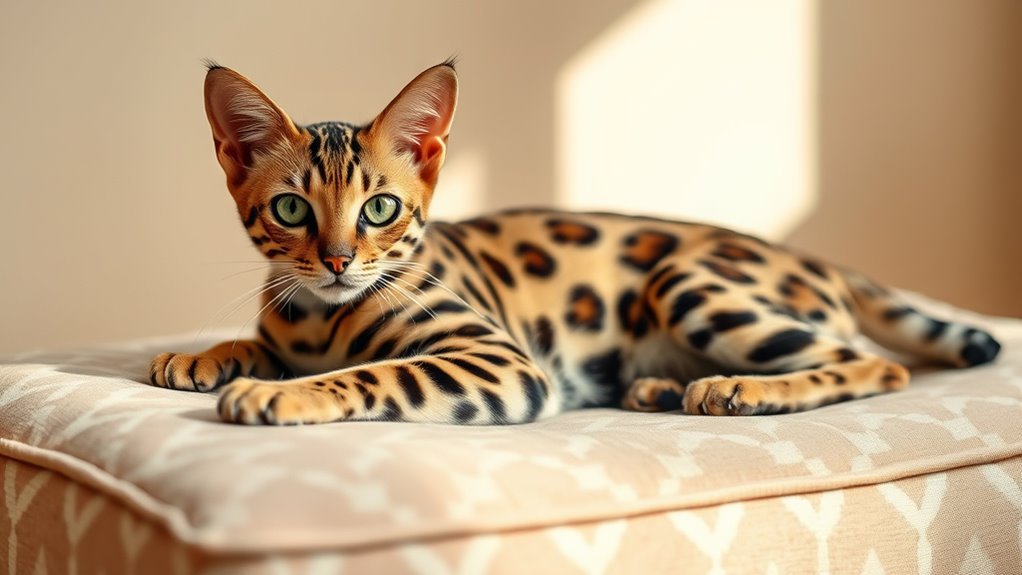
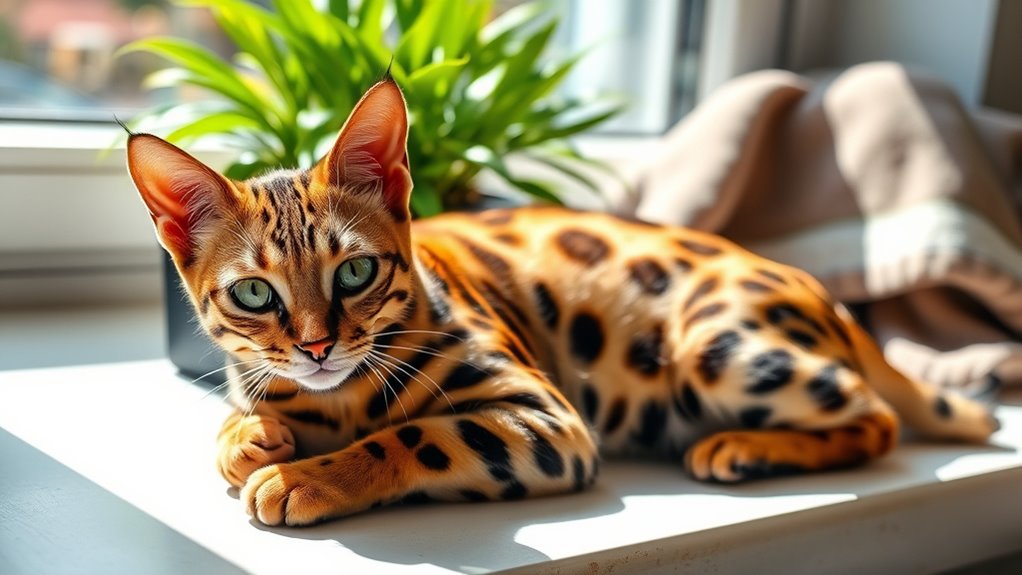
Savannah cats stand out because of their striking appearance and energetic personalities. Their characteristics include tall, lean bodies, large ears, and spots that resemble wild cats.
Knowing about Savannah cat breeds helps you understand their unique needs. Their history traces back to crossing domestic cats with wild servals, giving them a wild look and spirited behavior.
Understanding Savannah cats’ wild heritage helps you meet their unique needs and build a strong bond.
Their temperament is often playful, curious, and highly intelligent, making training both a challenge and a rewarding experience. You’ll notice they love exploring, climbing, and sometimes vocalizing.
To care for them properly, provide plenty of mental and physical stimulation to match their lively nature. Understanding their traits and behavior helps you meet their needs and build a happy, healthy relationship.
With the right approach, you’ll enjoy a fascinating, affectionate companion that’s truly one of a kind.
Designing a Stimulating Habitat for Your Savannah
Want to keep your Savannah cat happy and entertained? The key is to create a habitat that encourages them to explore and play. Think about adding vertical climbing structures like shelves or trees—Savannahs love to perch up high and observe their surroundings.
Don’t forget to include some fun play zones filled with toys and interactive elements. These cats are super active and curious, so giving them plenty of stimulation is essential. And of course, cozy resting spots are a must—your Savannah needs a comfy place to relax after all that adventure.
Vertical Climbing Structures
Implementing vertical climbing structures is key to creating a stimulating environment that taps into your Savannah cat’s natural instincts. Use climbing shelves, wall-mounted perches, and multi-level platforms to encourage exploration.
Cat trees and vertical playgrounds offer the perfect spots for interactive climbing. They help boost your cat’s fitness and keep their mind engaged. Elevated pathways and vertical enrichment provide good exercise and reduce boredom.
Adding these structures into your home gives your Savannah a safe outlet for their energetic climbing drives. Focus on creating a layered, accessible space that invites your cat to climb and explore freely.
Well-designed vertical structures turn your home into a lively, engaging habitat tailored for your feline’s natural behaviors.
Interactive Play Zones
Creating engaging play zones is essential for keeping your Savannah mentally and physically stimulated. Add interactive toys and agility challenges to encourage active movement and coordination.
These zones promote sensory exploration, which sharpens your cat’s instincts and curiosity. Use environmental enrichment items like tunnels, puzzle feeders, and climbing platforms to add variety and prevent boredom.
Regular playtime routines boost mental stimulation and help reduce stress. Bonding activities like fetch or gentle wrestling can also strengthen your connection.
Social interaction through interactive play keeps your Savannah engaged and encourages healthy behaviors. Designing a stimulating habitat with different elements supports your cat’s natural instincts and keeps them happy, healthy, and mentally active.
Cozy Resting Areas
Designing cozy resting areas for your Savannah ensures they have comfortable spots to relax and recharge, which is essential for their well-being. You should provide a variety of inviting spaces where your cat can unwind.
Consider adding cozy beds and plush mats for softness and comfort, as well as warm blankets in quiet corners for privacy. Sunlit spots and raised areas are great for warmth and vantage points.
Hideaway nooks and soft cushions give your cat a sense of security. These options create a stimulating habitat that caters to your Savannah’s natural instincts to seek out cozy, secure spots.
How to Feed Your Savannah Cat for Optimal Health
To keep your Savannah cat happy and healthy, it’s really important to pick high-quality cat food that matches their unique nutritional needs. They’re pretty special, so their diet should be just as tailored to support their energy and health.
Make sure you keep an eye on how much they’re eating and pay attention to their habits. Ensuring they get the right mix of nutrients helps them stay strong, active, and feeling their best overall. It’s all about the little details that make a big difference!
Choosing Quality Cat Food
Wondering how to keep your Savannah cat healthy and lively? Picking the right cat food is key. Look for options made with high-quality ingredients that meet your cat’s specific needs.
If your feline has food allergies or sensitivities, consider special diets and talk to your vet about adding dietary supplements. Make sure to choose formulas suited for their age and size.
Think about your cat’s texture preferences to make eating easier. Establish a consistent feeding schedule to control portions and prevent overfeeding.
Remember, Savannahs thrive on a balanced diet that supports their active lifestyle. By choosing top-notch food, you’re giving your pet the nutrients they need for optimal health and energy.
This sets the stage for a happy, thriving life together.
Balancing Nutritional Needs
Since Savannah cats are highly active and intelligent, it’s important to give them a diet that meets their unique nutritional needs. Establish a consistent feeding schedule to support their energy and use portion control to prevent overfeeding.
Incorporate dietary supplements if your vet recommends them, especially if you’re feeding a raw diet, to ensure they get balanced nutrition. Keep an eye out for food allergies, which can cause health problems, and make adjustments as needed.
Always provide fresh water to keep your Savannah well-hydrated. Treats should be given in moderation—occasional rewards for good behavior are fine, but they shouldn’t replace balanced meals.
Regularly observe how your cat responds to different foods and make changes as necessary. This helps keep your Savannah healthy, energetic, and happy.
Monitoring Feeding Habits
Monitoring your Savannah cat’s feeding habits helps ensure they stay healthy and energized. Keeping track of their feeding schedule means they eat at regular times, which supports digestion and routine.
Pay attention to portion control to prevent overfeeding. This helps with weight management and overall health. Think about their dietary preferences—some might like wet food, others dry, or specific flavors.
Regularly check for changes during mealtime. If your cat shows reluctance to eat or seems excessively hungry, it could be a sign of something needing attention. Watch for discomfort or sudden weight changes and adjust their diet as needed.
What Toys and Enrichment Activities Keep Your Savannah Happy
Savannah cats are highly intelligent and energetic, so providing engaging toys and activities is essential to keep them happy. Understanding their toy preferences helps you choose options that stimulate their natural instincts and curiosity.
They often enjoy toys that mimic prey, like wand toys, laser pointers, or puzzle feeders. These challenge their play behaviors and keep them engaged for longer periods.
Interactive toys such as climbing trees or scratching posts also satisfy their need for physical activity and mental stimulation. Rotating toys regularly prevents boredom and encourages exploration.
Since Savannah cats are curious and agile, offering a variety of toys keeps their environment stimulating. Observe which toys they prefer and how they play to tailor their enrichment activities.
How Much Exercise Does a Savannah Need and How to Provide It
Savannah cats are pretty energetic little creatures, so they need quite a bit of daily exercise to stay happy and healthy. Usually, they benefit from at least an hour of active playtime each day. It’s a good idea to keep things interesting for them so they don’t get bored.
You can do this by introducing fun enrichment activities like puzzle feeders, climbing trees, or even just chasing after their favorite toys. Giving them plenty of opportunities to move around not only keeps them physically fit but also helps with mental stimulation. Overall, making sure they get enough exercise is key to their well-being and happiness.
Daily Playtime Requirements
Because they are incredibly active and intelligent, these cats need daily exercise to stay happy and healthy. Establish consistent play routines that keep your Savannah engaged and moving.
Aim for at least 30 minutes to an hour of play each day, broken into sessions. Use interactive toys like puzzle feeders or feather wands to stimulate their mind and body.
Having a variety of toys helps prevent boredom and taps into their natural hunting instincts. Mix up activities to keep your cat interested and challenged.
Regular play not only supports their physical health but also helps strengthen your bond. A well-exercised Savannah is a happy, balanced pet.
Keep play sessions lively, engaging, and frequent to meet their energetic needs effectively.
Enrichment Activities Ideas
To keep your energetic Savannah cat happy and healthy, providing a variety of enrichment activities is essential. You can encourage scent exploration by hiding treats around your home or yard, which stimulates their natural hunting instincts.
Puzzle feeders are great for mental stimulation and help slow down mealtime. Nature walks offer physical exercise and introduce new sights, sounds, and smells.
Sensory toys engage their curious minds and keep them entertained. Incorporate interactive training to teach tricks or commands, which also helps strengthen your bond.
Arrange playdates for socialization and to prevent boredom. DIY enrichment projects, like homemade climbing structures, can add even more variety.
Water play, such as shallow baths or splash zones, can be a fun way to keep your cat entertained. Regularly rotating these activities keeps your Savannah engaged, active, and fulfilled.
How to Monitor Your Savannah’s Health and Spot Common Issues
Regularly observing your Savannah’s behavior and physical condition is key to catching health issues early. Keeping an eye on your cat helps you spot common symptoms and address problems before they get worse.
Watch for signs like decreased activity, changes in appetite, or unusual grooming habits. Pay attention to stress signals such as excessive vocalizations or hiding. Incorporate regular vet check-ups into your routine to help keep your cat healthy.
Be alert for dietary issues like vomiting or diarrhea, which can point to underlying problems. Notice behavioral changes like aggression or withdrawal that may indicate discomfort or illness. Regular monitoring makes early detection easier and treatment more effective.
Look out for unusual litter box habits, sudden weight changes, persistent coughing or sneezing, and shifts in energy levels or playfulness. Keeping track of these signs can help catch health concerns early and ensure your Savannah stays happy and healthy.
Grooming Your Savannah Cat: Coat and Skin Care Tips
Maintaining your Savannah cat’s coat and skin health is a key part of overall care, especially since their unique coat requires specific attention. Regular grooming helps remove loose hair, dirt, and prevents matting. Use appropriate grooming tools like a slicker brush or fine-toothed comb to gently detangle and keep their coat shiny.
Be attentive to skin conditions such as dryness, irritation, or redness, which can indicate underlying health issues. If you notice any abnormalities, consult your veterinarian promptly. Bathing should be infrequent, using a gentle, cat-specific shampoo, since excessive bathing can strip natural oils.
Keep an eye out for skin infections or parasites, and maintain a clean environment to prevent issues. Consistent grooming not only promotes healthy skin and coat but also allows you to check for signs of skin conditions early. This way, your Savannah stays comfortable and vibrant.
Understanding Your Savannah’s Social and Behavioral Needs
To meet their needs, consider these tips:
- Provide regular play sessions to keep them active and engaged.
- Offer interactive toys that challenge their intelligence.
- Socialize them early and often to build trust and reduce anxiety.
- Use consistent behavioral training to reinforce positive habits and boundaries.
Creating a Safe and Comfortable Home Environment
A safe and comfortable home environment is key to your Savannah cat’s well-being and happiness. Providing safe spaces allows your cat to retreat and feel secure, especially during busy or stressful times. Designate quiet areas with cozy bedding where they can relax undisturbed.
To promote environmental enrichment, include vertical spaces like cat trees or shelves. These encourage their natural climbing instincts and give them more exploration options. Keep hazardous items out of reach, and make sure windows and balconies are secured to prevent falls.
Use engaging toys and interactive elements to stimulate their curiosity and prevent boredom. Maintaining a clean, clutter-free space helps your Savannah feel calm and in control. Regularly rotate toys and add new stimuli to keep their environment interesting.
Building a Strong Bond With Your Savannah Cat: Tips and Tricks
Building a strong bond with your Savannah cat starts with understanding their unique personality and needs. These cats are smart, energetic, and curious, so your bonding methods should match their nature.
Spend time playing interactively to build trust and create positive experiences. Consistent socialization, like gentle handling and introducing new environments slowly, helps your cat feel safe and confident.
Engage in regular play and gentle handling to foster trust and help your Savannah cat feel secure and confident.
Be patient because Savannahs often need time to warm up to new people or places. Establish routines to give them stability and predictability, which strengthen your bond.
Offer treats and praise during interactions to reinforce good behavior. Remember, these cats love mental stimulation and companionship, so spend time daily bonding and socializing.
Frequently Asked Questions
How Do I Introduce a Savannah Cat to Other Pets?
When introducing your Savannah cat to other pets, start with slow, supervised socialization techniques. Keep initial pet introductions brief and positive, using treats and praise to encourage calm behavior.
Gradually increase their interactions, making sure your Savannah feels safe and comfortable. Keep a close eye on body language, and separate them if you notice signs of stress or aggression.
Consistent, patient introductions help your Savannah build trust and develop healthy relationships with your other pets.
What Are Common Health Risks Specific to Savannah Cats?
Savannah cats face health risks like genetic predispositions to heart issues and certain kidney problems that could threaten their lively spirit. You need to be vigilant about their dietary needs, ensuring they get high-quality protein and hydration, or risk a health decline that’s as dramatic as a thunderstorm.
Regular vet visits are essential to catch issues early because neglecting their unique needs can turn their vibrant energy into fragile fragility. Being attentive to these risks helps keep your Savannah cat happy and healthy.
How Can I Train My Savannah Cat Effectively?
To train your Savannah cat effectively, use positive reinforcement like treats and praise to encourage good behavior. Incorporate interactive toys to keep them engaged and prevent boredom.
Establish a consistent litter box routine and use gentle socialization techniques to build trust. Be patient and persistent, rewarding desired actions immediately.
Consistent training helps your Savannah understand boundaries and builds a strong bond, making the process enjoyable for both of you.
What Should I Do if My Savannah Cat Exhibits Aggressive Behavior?
If your Savannah cat shows aggressive behavior, start by identifying what triggers it, like sudden movements or unfamiliar guests.
Use positive reinforcement and socialization techniques to gradually introduce your cat to new people and environments.
Be patient and consistent, and reward calm behavior whenever you see it.
If the aggression keeps happening, it’s a good idea to talk to a veterinarian or animal behaviorist.
Taking these steps can help your cat feel more secure and reduce aggressive tendencies over time.
Are There Specific Travel Considerations for Savannah Cats?
When traveling with your Savannah cat, focus on their comfort by bringing essentials like a secure carrier, familiar blankets, and favorite toys.
Make sure your carrier is well-ventilated and cozy to help reduce stress.
Keep your cat hydrated and avoid sudden movements during the trip.
Planning ahead and packing these items makes your cat feel safe, making the journey smoother for both of you.
Always check airline or transport policies beforehand to ensure a hassle-free trip.
Conclusion
Caring for your Savannah cat means providing a stimulating, safe, and loving environment that caters to their unique needs. With the right habitat, diet, toys, and attention, you’ll build a bond that’s stronger than steel and more rewarding than anything you’ve experienced.
Remember, your dedication transforms your Savannah into a joyful, thriving companion — truly a marvel of nature. Embrace your role as their caregiver and watch your Savannah flourish beyond your wildest dreams.