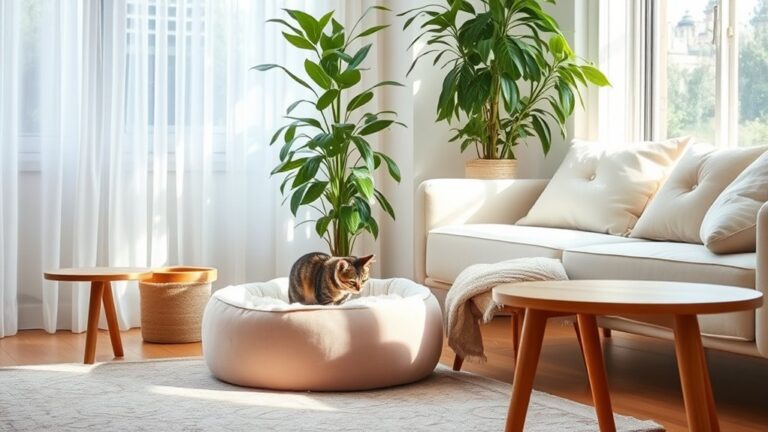
5 Reasons Cats Are Better Pets Than Dogs
Looking for a pet that fits your busy, budget-conscious lifestyle? You’re not alone—many people struggle with finding a furry companion that’s easy to care for and affordable.
If you prefer low-maintenance, affordable companionship, cats are ideal. They require less attention, frequent grooming, and have lower vet bills than dogs.
Cats are more independent, entertaining themselves and adapting easily to busy or small living spaces. Their calming purrs and quiet presence boost emotional well-being.
Uncover how these traits make cats a perfect fit for many lifestyles, and if you keep exploring, you’ll reveal even more reasons why cats might be the better pet for you.
Key Takeaways
- Cats require less attention and supervision, making them easier to care for than dogs.
- They have lower long-term costs because they need less grooming and fewer routine healthcare visits.
- Cats are very independent, so they can entertain themselves and do well with less constant interaction.
- They adapt easily to small living spaces and urban settings, which is perfect for apartment dwellers.
- Their purring and calming presence offer therapeutic benefits, helping to reduce stress and boost emotional well-being.
Why Are Cats Easier to Care For Than Dogs?
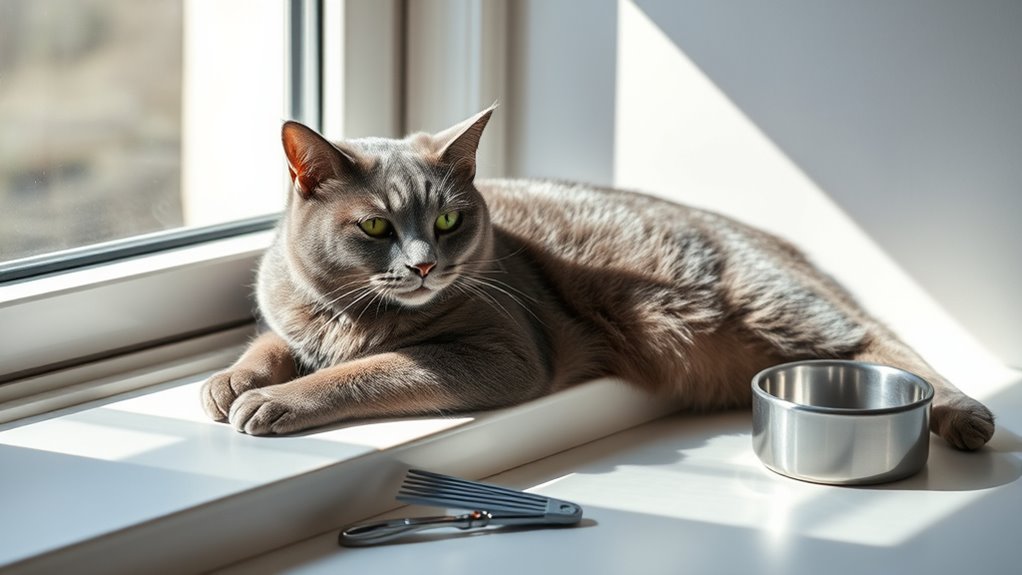
Cats are generally easier to care for than dogs because they require less attention and supervision. You can keep a litter box inside, which simplifies bathroom needs and reduces outdoor trips.
Grooming needs are minimal; most cats groom themselves, needing only occasional brushing. Their feeding schedule is flexible, often requiring just one or two meals a day, unlike dogs that might need more frequent feeding.
Space requirements are modest—you don’t need a large yard, just enough room for them to roam indoors comfortably. Noise levels are lower since cats tend to be quieter, with fewer barking disruptions.
Exercise needs are simpler too; a few play sessions each day suffice, and they often entertain themselves. Overall, cats fit easily into smaller living spaces and busy lifestyles, making them a low-maintenance choice for pet owners seeking a manageable companion.
Are Cats More Affordable to Own Than Dogs?
While the initial costs of getting a pet can vary, owning a cat is generally more affordable than caring for a dog over time. Cats usually need less food, smaller living spaces, and fewer vet visits, making it easier to manage your budget.
Their long-term costs tend to be lower because they don’t require constant walks or expensive training sessions.
| Expense Type | Cat | Dog |
|---|---|---|
| Food | Less per month | More per month |
| Vet & Health | Routine check-ups cheaper | Higher vet bills |
| Supplies & Toys | Cheaper, fewer items | More toys, accessories |
What Makes Cats Great for Independent Owners?
If you prefer a pet that doesn’t need constant attention, cats are a great choice. Their independence makes them perfect for owners with busy schedules or who travel often. Cats are naturally low maintenance, needing less hands-on care than dogs. This independence lets you enjoy their company without feeling overwhelmed.
Here are three reasons cats are great for independent owners:
Cats are perfect for those who value independence and low-maintenance companionship.
- Self-sufficient – Cats can entertain themselves and don’t need constant interaction.
- Low grooming needs – Many cats groom themselves, so you have less daily work.
- Flexible schedules – They’re happy relaxing alone for hours, fitting into different routines.
Their autonomous nature means you don’t have to worry about watching over them all the time. This makes cats ideal for busy or self-reliant people. Their ability to thrive independently makes them one of the best low-maintenance companions for those who value personal space and autonomy.
How Do Cats Fit Into Different Lifestyles?
No matter your daily routine or living situation, cats can adapt seamlessly to a variety of lifestyles. Their feline adaptability makes them suitable for busy professionals, students, or retirees alike.
If you live in an apartment or small space, cats require less room and are generally more independent than dogs. They fit well into urban environments where space might be limited.
For active individuals, cats can be playful companions without demanding constant attention. They offer a balance of companionship and independence that works well with busy schedules.
If you work long hours, their low-maintenance nature means they don’t need to be walked or exercised outside regularly. They’re pretty self-sufficient during the day.
For those with a more relaxed lifestyle, cats provide cozy company without overwhelming demands. They adapt easily to a slower pace of life.
Their natural lifestyle compatibility allows them to thrive in diverse settings, from bustling households to quiet retreats. Overall, cats’ flexibility guarantees they can comfortably fit into many routines and living arrangements.
What Are the Therapeutic Benefits of Owning a Cat?
Owning a cat can really boost your mental health by helping you relax and lowering stress. One of the main perks is purring therapy; when your cat purrs, it sends out vibrations that can help lower your blood pressure and calm your anxiety.
Owning a cat reduces stress and anxiety through soothing purring vibrations that promote relaxation and emotional well-being.
Those gentle vibrations have a soothing effect, making you feel more centered. Plus, cats provide emotional support, helping you deal with loneliness or feelings of depression. Their quiet presence creates a comforting environment that makes you feel safe.
Here are some specific benefits:
- Purring therapy helps reduce stress and promotes relaxation.
- The emotional support from a cat’s companionship lifts your mood.
- Interacting with cats can lower cortisol, the stress hormone, and improve your mental well-being.
All these benefits make owning a cat a natural, calming way to enhance your emotional health and enjoy a happier, more relaxed life.
Frequently Asked Questions
Can Cats Be Trained to Do Tricks Like Dogs?
Yes, cats can be trained to do tricks, but how well they respond depends on their individual personality and intelligence.
Using positive reinforcement, patience, and consistency makes a big difference in helping your cat learn commands or tricks.
Keep training sessions short and fun, and don’t expect them to perform like dogs.
With the right approach, your clever feline can master several tricks, showing off their unique smarts.
Do Cats Require Less Space Than Dogs?
Absolutely, cats need way less space than dogs; they can fit comfortably into a small corner of your home.
Their behavior is flexible, so they do well in cozy apartments or small houses without a yard or open area.
You’ll notice that cats make the most of limited space, staying independent and generally less active.
This means you can enjoy having a cat without sacrificing much living space or your lifestyle.
Are Cats Suitable for People With Allergies?
Cats can be suitable for people with allergies, especially if you choose hypoallergenic breeds like Siamese or Russian Blue.
However, you should practice allergy management strategies, such as regular cleaning, using air purifiers, and grooming your cat frequently.
Keep in mind that individual reactions vary, so spend time with different cats before bringing one home.
With proper care, many allergy sufferers find they can comfortably coexist with cats.
How Long Do Cats Typically Live Compared to Dogs?
You’ll find that cats generally live longer than dogs, with a typical feline lifespan of 12-16 years, sometimes up to 20. This means cats often outlive many dog breeds.
Pet aging factors like size, genetics, and health play a big role in these differences. Smaller dogs tend to live longer, but overall, cats’ longer lifespan makes them a more enduring companion.
If you prefer a pet that ages more slowly, cats are a great choice because they tend to stay healthier and vibrant for more years.
Can Cats Be Left Alone for Extended Periods?
Yes, cats can be left alone for extended periods because their independent behavior allows them to manage without constant attention. They usually enjoy solitude and can entertain themselves.
Just make sure they have enough food, water, and a clean litter box. While they’re generally okay alone, some social interaction is still helpful.
Providing toys or a cozy spot can help keep them comfortable and engaged while you’re away.
Conclusion
In the end, choosing a pet is about finding a gentle companion that fits comfortably into your life’s rhythm. Cats, with their graceful independence and calming presence, gently enrich your days without overwhelming your routines.
They’re like a quiet confidant, always there when you need a touch of warmth or a moment of peace. Embracing a cat might just be the subtle, rewarding step toward a more harmonious and comforting home life.
When you compare cats to dogs, their low-maintenance nature often makes them better pets for busy or apartment-living individuals. Cats don’t require constant attention or walks, fitting seamlessly into many lifestyles.
Their independence means they’re happy to entertain themselves, which can be a relief for those with a busy schedule. Plus, their soothing purrs create a calming ambiance that’s hard to beat.
Overall, cats offer a unique blend of companionship and self-sufficiency, making them an excellent choice for those looking for a pet that complements their way of life.