Why Does My Cat Lick Himself When I Pet Him?
Many cat owners notice their furry friends licking themselves while being petted and wonder if it’s normal or a sign of something more serious. You’re not alone—this is a common concern among pet parents trying to understand their cats’ behaviors.
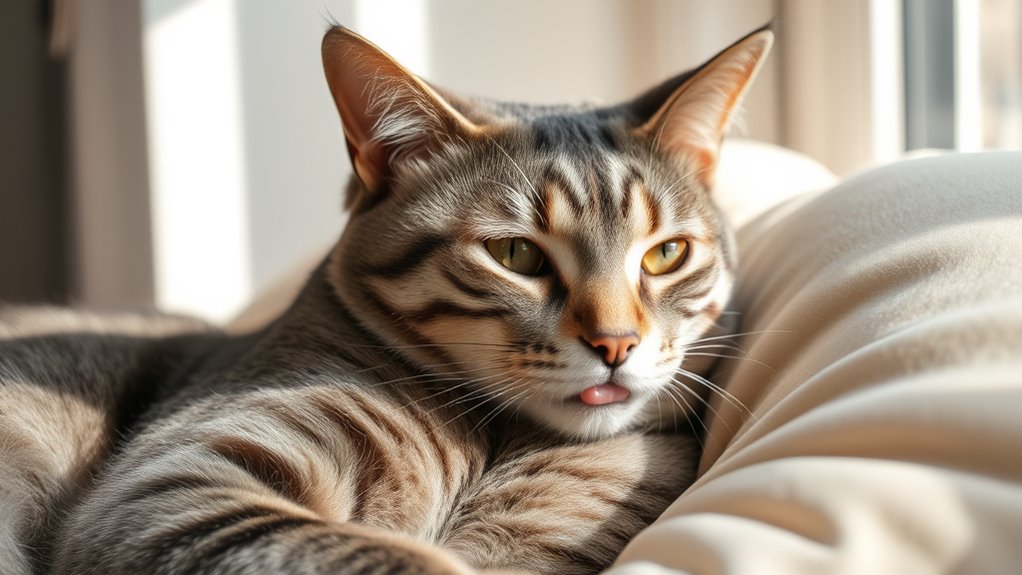
When your cat licks himself while you pet him, it’s often a sign of trust and comfort, like social grooming among cats. It helps him relax and shows affection, though excessive licking might signal stress, skin issues, or health concerns.
Changes in his grooming behavior can give clues about his overall health. If you want to understand whether it’s normal or a sign of something more, you’ll find helpful insights if you keep exploring.
Key Takeaways
- Cats lick themselves during petting to show they’re comfortable and trust you. It’s also a way for them to bond with you.
- Licking can help calm them if they get excited or overstimulated from petting.
- Sometimes, it’s a sign they’re grooming or marking their territory with their scent.
- But if your cat is licking excessively, it might be a sign of stress, skin irritation, or health problems.
- Keep an eye on how much your cat is licking so you can tell if they’re feeling good or if something needs attention.
Why Does My Cat Lick Himself When I Pet Him?
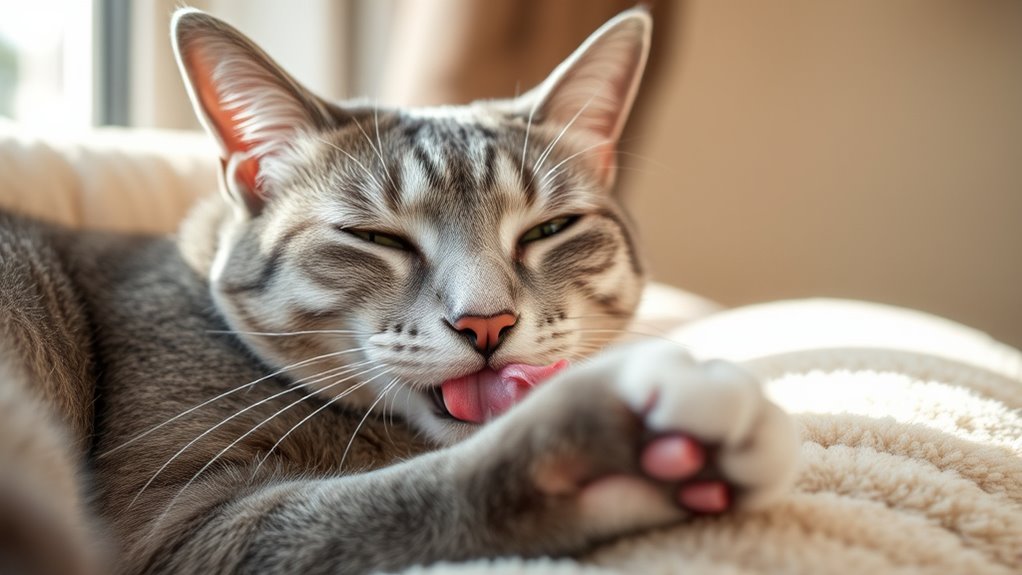
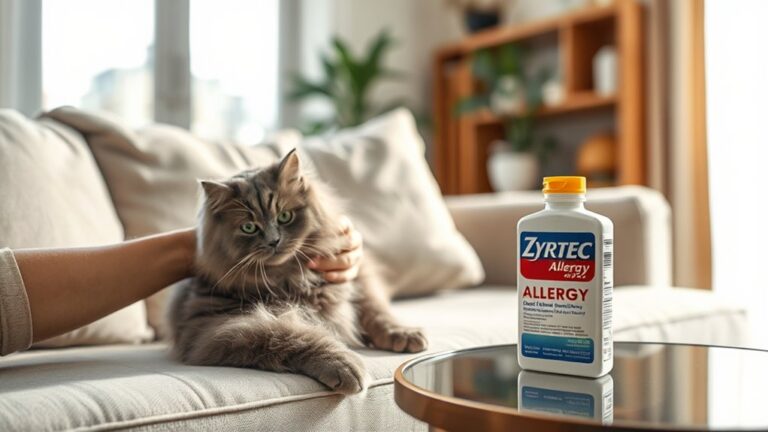
Have you ever noticed your cat licking himself when you pet him? This grooming behavior is a natural response that often signals comfort and trust. When your cat licks himself during petting, it’s also a way of communicating.
Cats use grooming to show they feel safe and relaxed around you. It’s a method of marking their territory with scent and showing they’re at ease in your presence. Sometimes, licking helps your cat stay calm if they’re feeling excited or overstimulated from petting.
If your cat licks himself excessively, it could be a sign of stress or discomfort. But occasional grooming during petting is completely normal. Understanding these subtle cues helps you interpret your cat’s mood and feelings.
What Does Your Cat’s Grooming Tell You About His Health
Your cat’s grooming habits can reveal a lot about his health. When you observe how he grooms himself, you’re seeing important health indicators.
Regular, thorough grooming usually signals good health and comfort. If your cat’s grooming seems excessive, it might mean stress, allergies, or skin issues.
On the other hand, a lack of grooming can suggest pain, obesity, or illness, since he may feel too unwell to care for himself. Changes in grooming patterns, like bald patches or greasy fur, can also point to underlying problems.
Pay attention to the condition of his coat. Dull, flaky, or matted fur often signals nutritional deficiencies or skin conditions. Grooming that causes redness or bleeding may mean infections or parasites.
How Licking Shows Your Cat’s Affection and Bonding
When a cat licks you, it’s usually a sign of affection and a way to strengthen your bond. This grooming behavior shows that your cat trusts you and sees you as part of their social group.
Cats use licking as a form of social grooming, which helps them feel close and reassured. When your cat licks you, they’re sharing their scent to mark you as familiar and safe.
Cats lick to share their scent, making you feel safe and close.
This act mimics their natural grooming with other cats, signaling love and acceptance. It’s their way of showing they feel comfortable around you and want to stay connected.
Cat affection through licking is gentle and intentional, helping to reinforce your relationship. Recognizing this behavior can help you understand your cat’s feelings and build mutual trust.
Is Your Cat Licking Due to Stress or Anxiety?
While licking can be a sign of affection and bonding, it’s important to recognize that excessive grooming might indicate underlying stress or anxiety.
Stress triggers like sudden changes, loud noises, or unfamiliar visitors can cause your cat to groom more than usual. Look for signs such as restlessness, hiding, or over-grooming specific areas.
You can help reduce this by creating calming techniques, like providing cozy safe spaces and using pheromone diffusers. Behavioral cues, such as repetitive grooming rituals, may be subtle but tell you your cat’s emotional state.
| Stress Triggers | Anxiety Signs |
|---|---|
| New environment | Excessive grooming |
| Loud noises | Hiding or withdrawal |
| Changes in routine | Over-grooming spots |
| Visitors | Restlessness |
Understanding these cues helps you address your cat’s emotional needs and create a more secure, less stressful environment.
How Comfort and Security Influence Your Cat’s Licking Habits
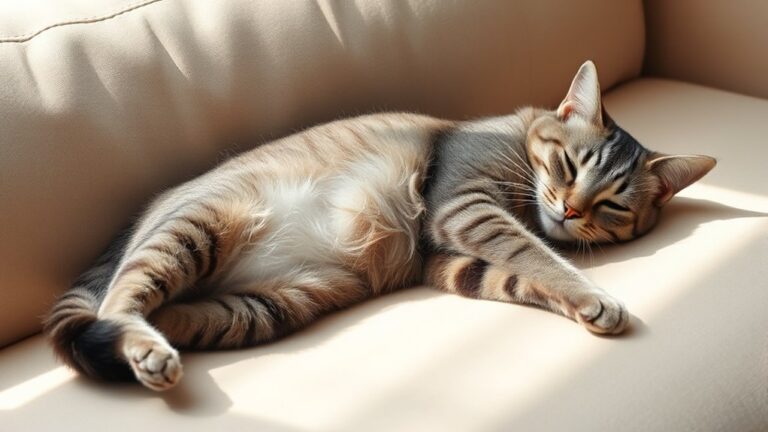
A sense of comfort and security plays a big role in your cat’s licking habits, as they often turn to grooming to soothe themselves and feel safe. When your cat feels relaxed, their grooming becomes a calming emotional response, boosting their sense of well-being. This behavior helps them feel grounded in their environment and reassures them during close moments with you.
To strengthen this bond, notice how your cat:
- Finds comfort in your presence during grooming sessions
- Uses licking to bond and show trust
- Grooms more often in familiar, safe spaces
- Reacts positively to gentle petting, which reinforces their sense of security
- Shows relaxed body language when feeling safe
These emotional responses, rooted in comfort and security, encourage your cat’s licking habits, making grooming an important part of their emotional health.
Could Medical Issues Be Causing Excessive Licking During Play?
Sometimes, what seems like normal grooming during play might actually be a sign of an underlying medical issue. Excessive licking could be related to health problems affecting your cat’s skin, allergies, or pain.
These issues can change your cat’s behavior, causing them to lick more often or more intensely than usual. For example, skin irritations or infections might make your cat lick to soothe discomfort, especially during play when they’re more active.
Skin irritations or infections may cause increased licking, especially during active play, signaling potential underlying health issues.
Likewise, health problems like arthritis or dental pain can increase licking as a way to cope with discomfort. If you notice your cat licking excessively during play, watch for other signs like redness, swelling, or changes in activity levels.
Addressing these concerns early can help prevent more serious health issues. It also ensures your cat’s grooming habits are part of healthy behavior, not a sign of pain or illness.
How to Spot Stress or Illness Based on Your Cat’s Licking
How can you tell if your cat’s licking is a sign of stress or illness? Look for changes in licking patterns or new stress signals. If your cat suddenly licks more than usual, especially in response to specific triggers, it could mean discomfort or distress.
Pay attention if the licking is focused on certain areas, persistent, or comes with other symptoms. These can be clues that something’s bothering your cat.
Key stress signals include excessive grooming of specific spots, fluffed-up fur, or tense body language. You might also notice hiding, avoidance, or changes in appetite and activity levels.
Overly cautious or agitated reactions are also signs your cat may be stressed. When persistent licking is combined with these signals, it’s a good idea to see the vet.
This helps rule out medical problems and support your cat’s emotional well-being. Recognizing these signs early is key to keeping your feline friend healthy and happy.
Tips to Keep Your Cat Calm and Relaxed During Petting
When your cat starts licking itself excessively due to stress or discomfort, providing a calming environment becomes even more important. To help keep your cat relaxed during petting, use calming techniques like gentle strokes and slow movements.
Speak softly and avoid sudden noises that might startle your cat. Creating a soothing environment involves providing a quiet, comfortable space free from loud sounds and distractions. Offer cozy spots where your cat can retreat if needed, and consider using calming products like pheromone diffusers or sprays designed for cats.
Pay attention to your cat’s body language—if they seem tense or start licking excessively, it’s a sign to give them space. Regularly observe how your cat responds to different petting styles and adjust accordingly.
When Should You See a Vet About Your Cat’s Licking?
If your cat’s licking becomes persistent, intense, or seems to cause discomfort, it’s time to see a vet. Changes in licking habits or new behaviors can signal health issues like allergies, skin problems, or parasites.
Persistent or intense licking signals health issues—see a vet to keep your cat comfortable and healthy.
You should visit the vet if the licking is continuous and doesn’t stop. Also, if the skin looks inflamed, scabby, or hairless, it’s a good idea to get a check-up.
Watch for signs of pain or discomfort when your cat is licking. An unusual smell or discharge from the skin are also warning signs. If licking comes with hair loss or scratching, don’t wait to see a vet.
Persistent licking might mean allergies, infections, or stress. Early action can prevent things from getting worse. Keep an eye on your cat’s licking habits and note any changes or increases in intensity.
Don’t ignore ongoing or worsening patterns. Your cat’s health depends on catching these issues early. If in doubt, it’s best to have a professional take a look.
Building Trust and Understanding Through Your Cat’s Licking Behavior
When your cat starts licking, it’s worth paying attention to what that behavior might be telling you. Sometimes, it’s a sign that your cat feels comfortable and relaxed around you. Other times, it may be a way of asking for attention or showing affection.
Getting to know these little cues can really help you build trust with your furry friend. When you understand what your cat’s licking means, you can respond in a way that makes them feel safe and loved.
Reading Licking Signals
Have you ever noticed your cat licking herself and wondered what she’s trying to tell you? Understanding her licking patterns can reveal a lot about her mood and comfort level. During grooming, cats often use deliberate licking signals to communicate trust or stress.
For example, quick, repetitive licks may indicate anxiety, while slow, gentle grooming signals comfort. Observing her behavior helps you interpret her intentions:
- Licking before settling down suggests relaxation
- Excessive licking might signal discomfort or illness
- Licking during petting can show trust
- Short, sporadic licks may mean annoyance
- Continuous grooming signals contentment
Building Mutual Comfort
Building mutual trust with your cat involves paying close attention to her licking behaviors and responding appropriately. When she licks you, it’s often a sign of mutual grooming, a behavior that strengthens your bond.
Respect her comfort zones—if she licks gently and stays close, she’s showing trust. However, if she becomes overstimulated or pulls away, give her space.
Respond with calmness and gentle petting to reinforce her sense of security. Over time, consistent positive interactions around licking can build a foundation of mutual comfort.
This process helps your cat see you as a source of safety and familiarity, encouraging her to open up more. Remember, understanding her licking signals allows you to foster a trusting, relaxed relationship.
Recognizing Bonding Signs
When your cat licks you, it’s more than just grooming—it’s a clear sign of her trust and comfort. Recognizing bonding signs helps you understand how she feels and strengthens your connection.
Licking is a bonding behavior that shows she feels safe with you and sees you as part of her social group. Trust signals include her relaxed posture during licking, slow blinking, and gentle head butts.
You might also notice her seeking you out for attention or resting nearby after licking. These behaviors show she’s comfortable and forming emotional bonds.
Frequently Asked Questions
Is Licking a Sign of Boredom in Cats?
Licking can be a sign of boredom in cats, showing they need some stimulation. When your feline starts doing this, it might mean they’re feeling bored or stressed.
Cats often groom to comfort themselves, so if they’re licking a lot, it could be a sign they’re anxious or bored. Providing toys, playtime, and environmental enrichment can help.
These activities can reduce boredom and encourage healthy feline behavior. So, keep your cat entertained and engaged to help them stay happy and relaxed.
Can Diet Affect My Cat’s Licking Behavior?
Did you know that about 10-15% of cats have dietary sensitivities? Yes, diet can influence your cat’s licking behavior.
If their diet lacks essential nutrients or causes sensitivities, they might lick more to soothe irritation or fulfill grooming needs.
Ensuring a balanced, high-quality diet can reduce excessive licking. This helps your cat feel more comfortable and less obsessed with grooming themselves.
What Are Common Medical Conditions That Cause Excessive Licking?
Excessive licking can come from medical issues like allergies, skin infections, or parasites, which cause discomfort or itchiness. These problems often lead pets to lick more to try to relieve the irritation.
It might also be related to anxiety or behavioral issues, especially if grooming becomes compulsive. Keep an eye on your cat’s habits and see if the licking becomes constant or obsessive.
If the licking continues, it’s best to consult a vet. Addressing underlying health conditions is key to keeping your pet comfortable and healthy.
How Does Age Influence a Cat’s Licking Habits?
As cats age, their licking habits often change, reflecting their grooming needs and senior behavior. You might notice older cats licking more to soothe discomfort or less because of decreased mobility.
Age can influence how they groom themselves, sometimes leading to overgrooming or even neglect. Understanding these changes helps you support your cat’s health better.
Keeping an eye on their licking habits can ensure their grooming stays comfortable and appropriate as they grow older.
Can Environmental Changes Trigger Increased Licking?
Environmental changes can trigger a stress response in your cat, leading to more frequent licking. When your cat perceives a new or unsettling environment, it might lick itself to calm down.
This behavior acts as a self-soothing mechanism, helping your cat manage discomfort or anxiety. Keep an eye on any changes and try to provide a consistent, calming environment.
Doing so can help reduce excessive licking caused by environmental factors.
Conclusion
Understanding why your cat licks himself when you pet him helps you read his mood like an open book. His grooming can signal love, comfort, or even stress.
By paying attention to these signals, you strengthen your bond and ensure his well-being. Think of his licking as a gentle dance—a way he shows trust and affection.
Keep observing and caring, and you’ll keep your feline friend happy, healthy, and forever close. If your cat licks himself when you pet him, it’s often a sign of contentment and trust.