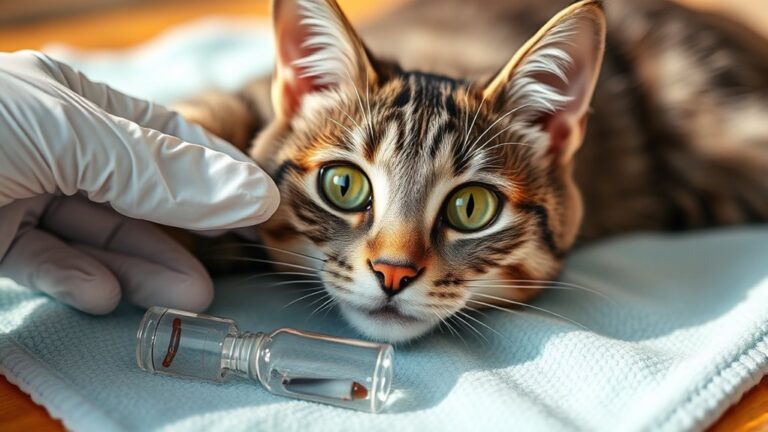
How Much Does Tapeworm Medicine for Cats Cost?
Dealing with tapeworms in your cat can be a stressful experience—you want to keep your furry friend healthy without breaking the bank.
Many pet owners struggle with finding effective and affordable tapeworm medicine for cats. If you’re wondering about costs and options, you’re not alone.
Tapeworm medicine for cats typically costs between $15 and $30 per dose, depending on your cat’s size and where you buy it.
You can find over-the-counter options from $10 to $25 or get prescription medications from your vet for $15 to $50. Buying in bulk or choosing generic brands can help save money.
If you want to learn about additional costs and how to keep treatment affordable, keep exploring these options.
Key Takeaways
Tapeworm medicine for cats usually costs between $15 and $30 per dose. Prices can vary depending on the medication type, brand, and whether you buy online or at the vet.
Prescription meds generally range from $15 to $50, with generic options being more affordable. Keep in mind, there might be extra costs for vet exams, diagnostic tests, and follow-up visits.
Using preventive flea treatments can help lower overall treatment costs in the long run.
How Much Does Tapeworm Medicine Cost for Cats?

Wondering how much tapeworm medicine for cats might cost? The expense can vary based on factors like your cat’s size and whether you buy medication from a veterinarian or online. Typically, a single dose of tapeworm medication ranges from $15 to $30.
To keep costs manageable, consider tapeworm prevention strategies, such as regular flea control, since fleas often transmit tapeworms. Incorporating feline health tips like routine check-ups and maintaining a clean environment can help catch infections early and reduce treatment needs.
If your cat is diagnosed with tapeworms, your vet might recommend a specific medication, which could be more expensive. Remember, investing in preventive measures can save you money in the long run and keep your feline friend healthy.
Always consult your vet for tailored advice and the best treatment options to guarantee your cat’s well-being.
What Factors Affect the Price of Tapeworm Treatment?
Several factors influence the cost of tapeworm treatment for cats, beyond just the medication itself. Your choice of treatment options plays a big role—some vets offer single-dose pills, while others recommend multiple treatments or injectable options, which can affect the overall price.
Treatment options vary, from single-dose pills to injectables, impacting the overall cost of your cat’s tapeworm treatment.
The clinic’s location can also impact costs. Services in urban areas or specialty clinics tend to be higher. If your cat needs a thorough exam or diagnostic tests, those will add to the expense.
Preventive measures like regular deworming and flea control can help cut down on the need for more costly treatments later. Investing in prevention might seem more expensive upfront but can save you money by avoiding repeated visits or more serious health issues.
Lastly, whether your vet prescribes a generic or a brand-name medication affects the price, with generics usually being more affordable. All these factors together determine the total cost of tapeworm treatment for your cat.
How Do You Recognize Tapeworms in Cats? Signs and Symptoms
You might notice tiny, rice-like segments in your cat’s feces—that’s often a sign of tapeworms or their parts. It can be a bit unsettling to see, but catching it early is key.
Keep an eye out for changes in your cat’s behavior or appetite too. If your cat suddenly seems more hungry than usual or is acting lethargic, these could be clues that something’s going on.
Being aware of these signs can help you act quickly to keep your feline friend healthy and comfortable.
Visible Segments in Feces
One of the most obvious signs of a tapeworm infection in your cat is spotting tiny, rice-like segments in their feces or around their anus. These segments are part of the tapeworm lifecycle, breaking off from the main body and passing through your cat’s digestive system.
During a fecal examination, these segments are often visible and can be a key indicator of infection. They may appear as small, white or yellowish grains that move or are easily seen by the naked eye.
If you notice these in your cat’s stool or near their rear, it’s a clear sign to consult your veterinarian. Recognizing these visible segments helps you identify a tapeworm infestation early, enabling timely treatment.
Changes in Behavior or Appetite
Changes in your cat’s behavior or appetite can often signal a tapeworm infection, especially if they suddenly become less active, irritable, or uninterested in their usual activities. You might notice behavioral changes like increased restlessness or hiding more than usual.
Appetite fluctuations are also common; your cat could lose interest in food or suddenly beg for extra treats. These signs may seem minor, but combined with other symptoms, they point to a possible tapeworm presence.
Keep an eye on your cat’s daily habits and note any unusual shifts. Recognizing these changes early can help you seek prompt treatment.
What Are the Types of Tapeworm Medicine and Their Price Ranges?
There are a few different types of tapeworm medicines for cats out there, each with its own active ingredients and how they’re used. It’s good to know about these options so you can pick the right one for your kitty and your budget.
When it comes to price, it can really vary depending on the medication you choose and where you’re buying it from. Some treatments might be more affordable, while others could be a bit pricier. Knowing your options helps you make the best decision without breaking the bank.
Different Medication Types
Regarding treating your cat for tapeworms, several medication types are available, each with different price ranges. The most common are oral medications like praziquantel and epsiprantel, which are highly effective at eliminating tapeworms quickly.
These drugs generally have excellent medication effectiveness and often require only a single dose or a short treatment duration for complete relief. Another option includes topical spot-on treatments, which are easy to apply and may last longer between doses but can vary in medication effectiveness depending on the product.
Some medications also come in injectable forms used by vets, offering extended treatment duration with reliable results. Your choice depends on your cat’s specific needs, but all these options aim to provide effective treatment within a reasonable timeframe.
Price Range Variations
Are you wondering how much tapeworm treatments for your cat might cost? Prices can vary depending on the medication type and where you live. When comparing prices, keep these points in mind:
- Over-the-counter medications tend to be more affordable, usually costing between $10 and $25 per dose.
- Prescription medications from your vet can range from $15 to $50, depending on the brand and dosage.
- Regional differences might influence prices, with urban areas often charging more than rural regions due to overhead costs.
Knowing these variations helps you plan your budget better. Always compare prices from different sources and consider regional factors to make sure you’re getting the best deal on your cat’s tapeworm medicine.
Where Can You Buy Tapeworm Medicine for Cats?
Wondering where to buy tapeworm medicine for your cat? You have several options.
Online retailers are convenient and often offer a wide selection of over-the-counter dewormers, making it easy to compare prices and brands from home. Be sure to choose reputable sites to guarantee product safety and authenticity.
You can also visit your local veterinary clinic, where the staff can recommend the right medication and provide guidance. Clinics often carry prescription medications, but some may offer over-the-counter options as well.
Buying directly from a vet can give you peace of mind, knowing the medication is appropriate for your cat’s health. Pet supply stores often stock tapeworm treatments, both in-store and online.
Whichever route you choose, always verify the product’s quality. It’s also a good idea to check if a professional consultation is necessary before giving the medication to your cat.
Prescription vs. Over-the-Counter Tapeworm Medications: Which Is Better?
Deciding between prescription and over-the-counter tapeworm medications depends on your cat’s health needs and how severe the infestation is. Prescription options offer benefits like personalized dosage, professional guidance, and the ability to spot other health issues.
They tend to be more reliable for serious cases or if your cat has other medical conditions. Over-the-counter medications are more convenient and usually cheaper, but they come with risks. These include incorrect dosing, possible side effects, and the chance that the treatment won’t work if you don’t choose the right product.
To help you decide, keep these points in mind:
- Prescription meds provide tailored care and monitoring.
- Over-the-counter options are easy to access but may lack precision.
- Consulting a vet ensures you pick the safest and most effective treatment.
In the end, always prioritize your cat’s health and safety, and don’t hesitate to seek professional advice when in doubt.
What Are the Extra Costs When Treating Cats for Tapeworms?
Treating your cat for tapeworms often involves more than just buying medication; there are several extra costs to consider. One important expense is prevention, like regular flea control, since fleas spread tapeworms.
Treating tapeworms involves costs beyond medication, including prevention and ongoing health measures.
Keeping your home flea-free might mean ongoing treatments, which can add up over time. You might also need to make dietary changes, especially if your vet recommends special diets to boost your cat’s health or lower parasite risks.
These diet changes can include high-quality or prescription foods, increasing your regular expenses. You may also need follow-up visits to make sure the tapeworms are gone and to keep an eye on your cat’s health.
If your cat spends a lot of time outdoors or around other animals, you might face extra costs for preventive measures or repeated treatments. All these factors can significantly raise the total cost of treating tapeworms beyond just the medication.
How Can You Save Money on Your Cat’s Tapeworm Treatment?
If you’re looking to save some money on your cat’s tapeworm treatment, one good option is to go for generic medications instead of the brand-name ones. They usually work just as well, but cost way less.
Another tip is to buy in bulk, either from your vet or an online pharmacy. That way, you get a better price per dose and can save over time.
Just a few simple steps like these can help you keep your cat healthy without breaking the bank.
Use Generic Medications
Opting for generic medications is one of the easiest ways to save money on your cat’s tapeworm treatment. Generic options often cost much less than brand-name drugs while working just as well.
To compare costs effectively, consider these steps:
- Check the cost comparison between generic and brand-name options at your vet or pharmacy.
- Ask your veterinarian if a generic medication is available for your cat’s treatment.
- Research online pharmacies that offer trusted generic tapeworm medications at lower prices.
Purchase in Bulk
Buying tapeworm medication in bulk can be a smart way to cut costs, especially if your cat needs multiple treatments or ongoing prevention.
Bulk purchasing often leads to significant savings compared to buying individual doses.
Many online pet pharmacies and stores offer discounts for larger quantities, making it more affordable in the long run.
Before purchasing, compare prices and check if the medication is safe for your cat’s specific needs.
Keep in mind that some brands or formulations may have restrictions on bulk sales, so always verify seller policies.
By buying in bulk, you reduce how often you need to make purchases and save money over time.
Just make sure the medication remains fresh and within its expiration date for maximum effectiveness and safety.
When Should You See a Vet About Treatment Costs?
Wondering when it’s time to consult a vet about treatment costs? If your cat needs tapeworm medication, it’s good to know when to seek professional advice. You should schedule a vet visit if:
- The treatment cost seems unexpectedly high or varies a lot between providers.
- You’re unsure about the best treatment options for your cat’s situation.
- Your cat keeps having infestations despite previous treatments.
A vet can help you understand the real costs involved and suggest affordable options that fit your budget. They can also explain what’s included in the price and if any extra tests or medications are needed.
Don’t wait to see a vet if you’re feeling overwhelmed or confused about expenses. Clear communication helps you make informed decisions, and addressing costs early can prevent surprises later on. Ultimately, your vet is your best resource for balancing effective treatment with affordability.
Why Investing in Your Cat’s Health Is Worth It
Investing in your cat’s health isn’t just about preventing illness; it’s about making sure they enjoy a happy, vibrant life. Regular check-ups, vaccinations, and preventive care help catch problems early, saving you money and stress later on.
When you put your cat’s health first, you’re giving them a better quality of life. That means less discomfort, fewer emergency visits, and more fun playtime together. The benefits of caring for their well-being far outweigh the costs of treatment down the line.
Preventive care also helps stop common issues like tapeworms from turning into serious problems. This reduces both health risks and treatment expenses. Plus, a healthy cat is more active, affectionate, and engaged with you.
Frequently Asked Questions
Are There Natural or Home Remedies for Tapeworm Treatment in Cats?
You can try herbal treatments and dietary changes as natural remedies for tapeworms in cats. Some herbal remedies, like garlic or pumpkin seeds, are believed to help expel worms, but always check with your vet before trying them.
Additionally, improving your cat’s diet with high-quality, easily digestible foods can support overall health and help prevent infestations. Remember, natural remedies might not be as effective as medication, so it’s best to seek professional advice.
How Long Does It Take for Tapeworm Medication to Work?
Tapeworm medication usually starts working within 24 to 48 hours, but it can take up to a week to fully get rid of the tapeworms.
You might notice your cat scooting less, and you may see the worms pass in their stool.
To make sure the medication works, follow your vet’s dosing instructions carefully.
Keep an eye on your cat for any leftover symptoms, and check in with your vet if needed.
Can Tapeworms in Cats Affect Humans?
Yes, tapeworms in cats can affect humans through transmission, especially if you handle contaminated fleas or bedding.
Humans might experience symptoms like stomach discomfort, nausea, or visible segments in stool. To prevent this, practice good hygiene, treat your cat regularly, and control fleas.
If you notice any symptoms, see a doctor promptly. Taking these precautions helps reduce the risk of tapeworm transmission from your cat to you.
What Are the Risks of Untreated Tapeworm Infections?
If you ignore an untreated tapeworm infection, your cat could suffer from severe weight loss and anemia. It’s similar to when a cat’s health suddenly declines because symptoms went unnoticed.
The risks include more health problems and the chance of passing the infection to humans. To prevent this, watch for symptoms early and keep up with regular vet visits and flea control.
Getting treatment promptly is key. It helps avoid serious issues and keeps both your cat and your family safe.
How Often Should Cats Be Re-Treated for Tapeworms?
You should re-treat your cat for tapeworms every 3 to 4 weeks, depending on your vet’s advice. The frequency can vary based on how severe the infection is and the type of medication used.
Some medications, like praziquantel or epsiprantel, might only require a single dose. Others may need multiple treatments to completely clear the worms.
Regular check-ups and stool tests are important to see if re-treatment is needed. This way, you can help keep your cat healthy and free from tapeworms.
Conclusion
Ultimately, the cost of tapeworm medicine for cats is a small price to pay for their health and happiness.
Just like finding a hidden flea on your pet’s fur, realizing your cat needs treatment often comes unexpectedly.
Investing in the right medication and vet care now helps keep your feline friend healthy and vibrant.
After all, a healthy cat means more cozy moments together—something both of you truly deserve.