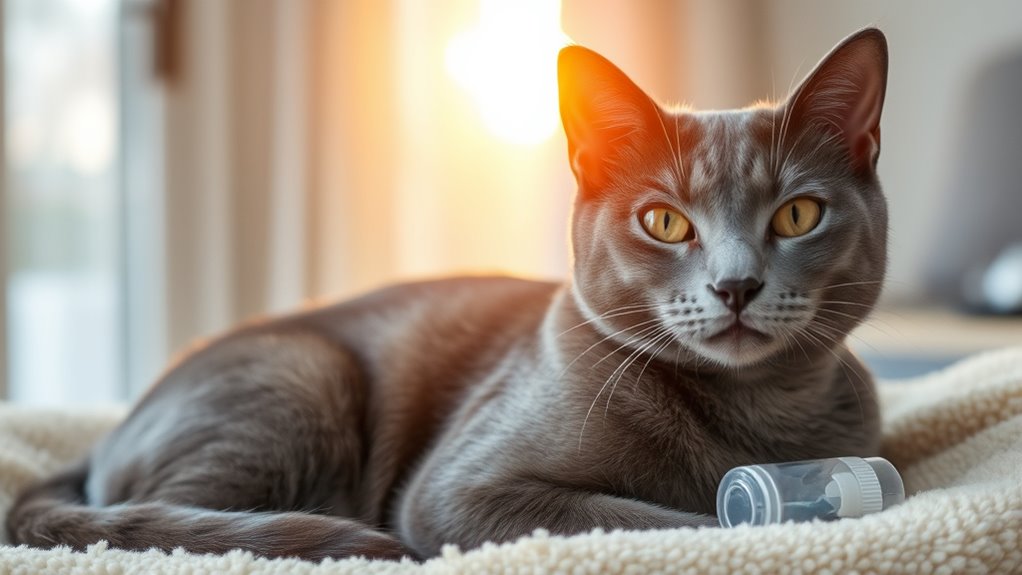
How Long After Flea Medicine Can I Bathe My Cat?
Many cat owners know the struggle of keeping their feline friends flea-free without causing stress or confusion. You’re not alone—navigating flea treatments and bathing schedules can be tricky.
It’s natural to want to ensure your cat stays healthy and comfortable.
You should wait at least 48 hours after applying topical flea medicine before giving your cat a bath. This allows the medication to fully absorb into their skin and stay effective.
Bathing too soon can wash away the treatment, making it less effective against fleas.
If you need to bathe your cat sooner, consult your vet for guidance.
Keep in mind, there’s more to guarantee your cat stays flea-free and comfortable!
Key Takeaways
- Wait at least 48 hours after applying topical flea treatments before bathing your cat.
- For oral medications, you can usually bathe your cat without delay, but it’s best to check with your vet first.
- Use lukewarm water and a gentle, cat-specific shampoo to avoid disturbing the medication.
- Rinse thoroughly to remove all shampoo residue, especially if you’re bathing soon after applying medication.
- Always ask your veterinarian for personalized advice based on your cat’s medication and health needs.
How Long Should I Wait After Applying Flea Medicine Before Bathing My Cat?
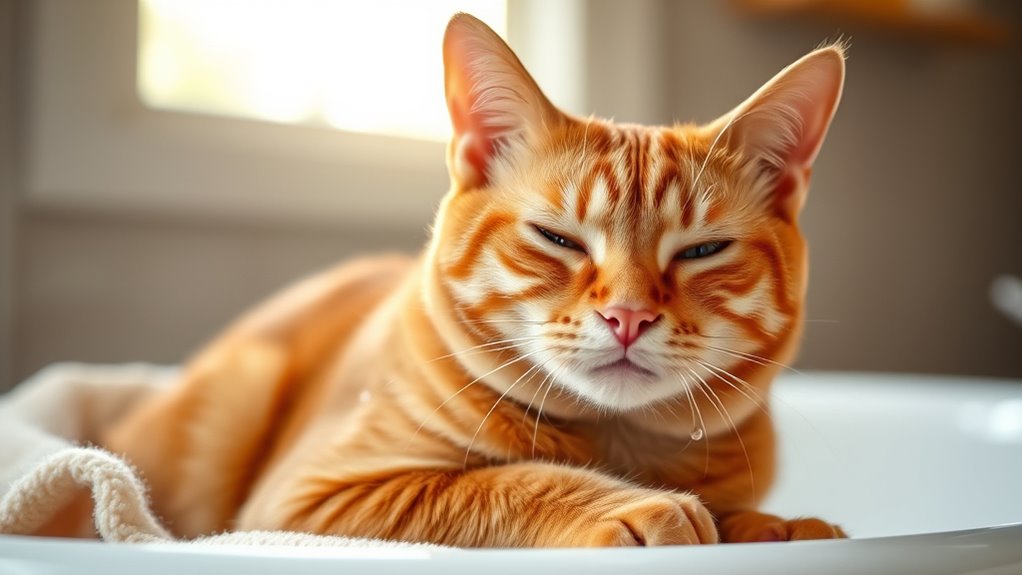
Wondering how long you should wait after applying flea medicine before giving your cat a bath? It’s important to think about flea treatment intervals to make sure the medication works properly.
Most vets recommend waiting at least 48 hours after applying topical flea treatments before bathing your cat. This gives the active ingredients time to fully absorb into your cat’s skin, which helps them work better.
Bathing too soon can wash away the medication, making it less effective and possibly leading to a need for a repeat treatment. When you do bathe your cat, use gentle, cat-safe shampoos and avoid very hot water.
If you’re giving your cat oral flea medication, check the label or talk to your vet for specific waiting times. Overall, patience is key. Waiting the recommended time helps your cat get the full benefit of the treatment and prevents the medication from washing away too early.
What Types of Flea Medications Are There for Cats?
There are quite a few options when it comes to flea medications for your cat, and it can be a bit overwhelming trying to decide which one is best. You’ve got topical treatments, oral pills, and even collars—all of which have their own perks and ways of working.
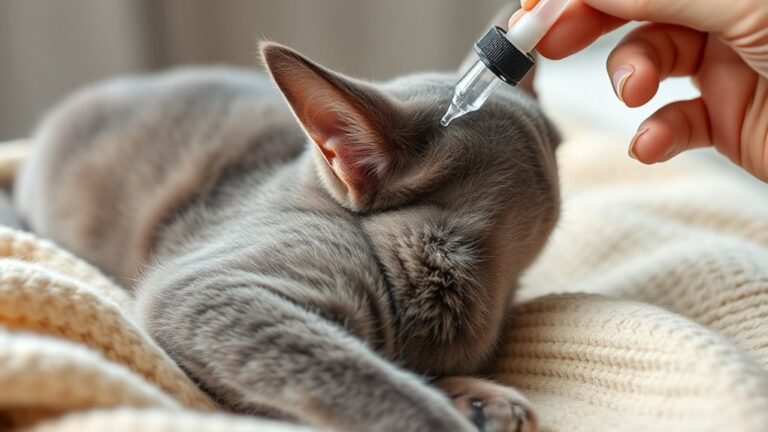
Topical treatments are usually applied directly to your cat’s skin, often between the shoulder blades. They’re pretty popular because they’re easy to use and tend to start working quickly. Plus, you don’t have to worry about your cat swallowing anything.
Oral pills are another option—these are given directly to your cat, usually once a month. They’re great if your cat doesn’t like topical treatments or if you want something discreet. Some cats might be a little tricky to pill, but there are different formulations out there to help with that.
And then there are flea collars, which are worn around your cat’s neck. They’re super convenient because they work continuously and don’t require regular application. Some collars even have additional benefits, like repelling ticks or preventing flea eggs from hatching.
Knowing these options can help you pick the right flea medication that’s safe and effective for your feline friend.
Topical Flea Treatments
They work by spreading across the skin’s surface, killing fleas on contact and preventing future infestations. When considering flea prevention tips, it’s important to choose products suited for your cat’s age and health.
While topical treatments are effective, some pet owners look into natural remedies, but always check with your vet first. Remember, applying topical flea medication correctly and timing baths properly ensures maximum safety and effectiveness for your feline friend.
Oral Flea Medications
| Medication | Flea Treatment Efficacy | Safety Profile |
|---|---|---|
| Afoxolaner | High | Very safe |
| Fluralaner | Very high | Safe with vet guidance |
| Sarolaner | High | Safe when used as directed |
| Lotilaner | Excellent | Well tolerated |
Always check with your vet to find the best option for your cat.
Collars and Sprays
Flea collars and sprays are convenient options for protecting your cat against fleas and ticks. They offer an alternative to daily oral or topical medications.
Flea collars provide continuous medication, which is great for cats that don’t like daily treatments. They slowly release active ingredients, giving long-lasting protection.
Sprays work quickly and can be especially useful for localized infestations or temporary relief. Proper application and coverage are key to making them effective.
Both options are easy to use and can be combined with other flea treatments. Just be sure to follow the instructions carefully for your cat’s safety and the best results.
How Do Different Flea Treatments Affect Bathing Timing?
Have you ever wondered how different flea treatments affect when you should bathe your cat? The type of treatment influences how quickly it absorbs into your cat’s skin and how long it stays effective.
For example, topical treatments need time to absorb, so you usually have to wait before bathing. On the other hand, oral medications aren’t as affected by bathing frequency.
Here’s a quick rundown:
| Treatment Type | Absorption Time | Bathing Considerations |
|---|---|---|
| Topical | 24-48 hours for full absorption | Wait at least 48 hours after applying |
| Oral | No significant impact | You can bathe sooner, no effect on medication |
| Collars | Long-lasting, minimal impact | Bathing usually doesn’t affect how well the collar works |
Knowing these differences helps you plan baths without messing up flea control.
How to Know When Your Flea Medication Is Working
You’ll know your flea medication is doing its job if you start seeing fewer fleas on your cat and notice that they’re scratching less. It’s pretty satisfying to see that improvement, right? Just keep an eye out for any skin reactions or irritation too—it might mean the medication isn’t agreeing with your kitty.
And don’t forget to watch for changes in your cat’s behavior. If they seem more comfortable, more active, and not scratching as much, that’s a good sign the medication is working. It’s all about paying attention to your furry friend’s overall comfort and habits.
Observe Flea Activity Levels
Wondering if your cat’s flea medication is working? The best way to tell is by watching for flea activity. Keep an eye on your cat’s fur, especially around the neck and tail.
If you notice fewer fleas or none at all, your medication is probably doing its job. Remember, flea eggs, larvae, and pupae can hide in your home even after treatment.
To really make progress, combine your medication with preventive steps like regular vacuuming and washing bedding. It’s normal to see some fleas at first, but if they keep gone over time, your treatment is working.
Monitoring flea activity helps you decide if you need to do more and reassures you that you’re taking the right steps to break the flea life cycle.
Check for Skin Reactions
Typically, skin reactions are among the first signs that flea medication is working effectively. Watch for skin irritation symptoms like redness, swelling, or hair loss. These indicate the treatment is targeting fleas and their bites.
Also, look out for allergic reactions such as excessive itching or hives, which may appear shortly after applying the medication. Keep this table in mind:
| Skin Reactions Symptoms | Allergic Reactions Signs |
|---|---|
| Redness around the neck or tail | Swelling of face or paws |
| Hair loss or bald patches | Excessive scratching |
| Skin inflammation or bumps | Hives or rashes |
| Dry, flaky patches | Breathing difficulties (rare) |
| Excessive licking | Lethargy or vomiting (rare) |
Monitoring these signs helps ensure your cat’s safety and the medication’s effectiveness.
Monitor Cat’s Behavior
Noticing changes in your cat’s behavior can be a clear sign that the flea medication is working. Watching how your cat acts helps you see if it’s doing its job.
Look for less scratching, grooming, and biting. These are signs that flea irritation is easing. You might also notice your cat being more relaxed and less agitated.
Behavioral changes like decreased restlessness or hiding suggest the fleas are dying off. Keep track of your cat’s activity and mood over the next few days.
If you see these signs, it’s a good sign that the medication is effective. But if your cat keeps scratching a lot or seems uncomfortable, check with your vet for advice.
Monitoring your cat’s behavior gives you helpful clues about how the treatment is going.
Safe Bathing Tips for Cats on Flea Medication
When bathing your cat on flea medication, it’s important to follow safety tips to avoid messing with the treatment. First, wait at least 48 hours after applying flea medication before giving your cat a bath. This allows the product to fully absorb and do its job.
Wait 48 hours after applying flea medication before bathing your cat to ensure effectiveness.
Use lukewarm water and a gentle, cat-specific shampoo to prevent skin irritation and protect the flea prevention. During grooming, be gentle and avoid scrubbing the treated areas to keep the medication effective.
Here are some safe grooming techniques to keep in mind:
- Use a soft cloth or sponge to clean sensitive areas gently.
- Rinse thoroughly to remove any shampoo residue without over-wetting the flea medication.
- Dry your cat with a towel or low heat to avoid chilling and stress.
Can I Bathe My Cat Earlier Than the Recommended Wait Time?
Wondering if you can bathe your cat earlier than the recommended wait time? It’s best to stick to the flea treatment timing advised by your vet or product instructions.
Bathing too soon can wash away the medication before it fully takes effect, which reduces its effectiveness. This can compromise your cat’s flea treatment safety and leave your pet vulnerable to ongoing pests.
If you bathe your cat prematurely, you might need to reapply the medication or wait even longer before the next bath. Always prioritize following the recommended wait time to make sure the flea medicine works properly.
If you’re unsure or need to bathe your cat urgently, consult your veterinarian for guidance. Keep in mind that rushing the process can interfere with the treatment’s effectiveness and your cat’s well-being.
Patience is key to maintaining both flea treatment timing and your cat’s bathing safety.
Signs That Your Flea Treatment Is Effective
A clear sign that your flea treatment is working is noticing fewer fleas on your cat. You should also see improvements in flea symptoms like itching, redness, or skin irritation. If these signs get better during the treatment, it’s a good sign the medication is doing its job.
Here are some key signs to look for:
- Fewer fleas visible on your cat’s fur and skin.
- Less scratching and hair loss caused by fleas.
- No new fleas appearing after the initial treatment.
If you see fleas or flea symptoms sticking around after the treatment period, it might mean the treatment isn’t fully working. Keep an eye on your cat and remember that some treatments take time to eliminate fleas completely. Patience and consistency are key to solving the problem.
When Should You Consult Your Veterinarian About Flea Treatments and Bathing?
Knowing when to consult your veterinarian about flea treatments and bathing is key to keeping your cat healthy and comfortable. If fleas keep bothering your cat despite trying different treatments, it’s time to get professional advice.
Your vet can recommend the best flea treatments based on your cat’s age, health, and lifestyle. If you’re unsure about how to bathe your cat or notice signs of distress during baths, it’s best to ask your vet first.
Consult your vet for personalized flea treatments and bathing advice tailored to your cat’s needs.
This is especially important if your cat has underlying health issues or skin sensitivities. Also, reach out if you’re unsure how to safely apply topical treatments.
Your veterinarian can guide you on the safest and most effective ways to manage fleas, including proper bathing techniques. Regular check-ins help ensure you’re using the right treatments and bathing methods to keep your cat happy and flea-free.
Common Mistakes to Avoid When Bathing a Medicated Cat
Make sure you use the right water temperature—neither too hot nor too cold. If the water’s off, it can stress your cat out or even make the medication less effective. Take it slow and steady; rushing through the bath can make your kitty more anxious and harder to handle. Remember, staying calm and gentle is the best way to make the experience safer and less stressful for both of you.
Using Incorrect Water Temperature
Using the wrong water temperature can easily cause discomfort or harm to your cat during a medicated bath. Too hot or too cold water can stress your cat or even cause skin irritation. To avoid this, keep these tips in mind:
- Use lukewarm water, around 100°F to 102°F, to guarantee comfort and safety.
- Check the water temperature with your wrist or elbow before bathing.
- Avoid bathing your cat too often, as it can dry out their skin, especially if the water isn’t at the right temperature.
Maintaining the proper water temperature helps keep your cat calm and prevents skin issues. Always prioritize the right temperature to make each bath safe and effective, and adjust how often you bathe accordingly.
Skipping Patience During Bathing
Rushing through your cat’s bath can cause unnecessary stress for both of you, making the process harder and less effective. Patience is really important, especially since flea treatment timing is crucial for proper application.
If you hurry, your cat might get more anxious, which can increase bathing anxiety and make the experience tougher. Take your time to handle your cat calmly and gently, making sure each step is thorough but not rushed.
This approach helps prevent accidents or missed spots that could weaken the flea treatment’s effectiveness. Remember, staying calm encourages cooperation, reduces stress, and makes the bath more successful.
Avoid rushing; instead, focus on patience to keep your cat comfortable and to get the best results from your flea treatment.
Summary: Best Practices for Bathing Your Flea-Treated Cat
Bathing a flea-treated cat requires careful timing and gentle handling to make sure the treatment stays effective. To get the best results, follow these simple tips:
- Timing your bath: Wait at least 48 hours after applying flea medication before giving your cat a bath. This helps prevent the treatment from washing away.
- Use the right products: Pick a gentle, cat-specific shampoo that’s made for flea prevention. Avoid harsh chemicals that could irritate your cat’s skin.
- Post bath care: Make sure to dry your cat thoroughly and keep them indoors afterward. This helps stop reinfestation and ensures the medication works properly.
Frequently Asked Questions
Can I Use Human Flea Shampoos on My Cat?
You shouldn’t use human flea shampoos on your cat. These products often contain ingredients that can harm feline skin and aren’t made for cats’ specific needs.
Instead, look for flea shampoo options designed for cats to ensure safe and effective flea control. Using the right products is key to keeping your cat healthy.
Proper cat skin care means choosing vet-recommended products. Always check labels to make sure there are no harmful ingredients.
If you’re unsure, it’s best to talk to your veterinarian. They can recommend the safest flea prevention options for your cat.
Are There Any Risks of Bathing Immediately After Flea Medication?
Think of your cat’s flea medication as a delicate seed planted deep in their skin; bathing immediately can wash away that seed before it takes root. Bathing too soon risks interfering with flea medication absorption, reducing its effectiveness.
Frequent baths can also strip natural oils, upsetting your cat’s skin balance. It’s best to wait at least 24-48 hours to ensure proper absorption.
This way, the medication has time to work its magic without unnecessary risks.
How Often Should I Bathe My Flea-Treated Cat?
You should bathe your flea-treated cat about once a month or as needed, depending on their coat and activity level.
Overbathing can strip natural oils, so use gentle shampoos and follow proper grooming tips.
Regular baths help keep fleas at bay, but make sure you give your cat enough time after applying flea medicine—usually a few days—to prevent washing away the treatment.
Always monitor your cat’s skin for irritation.
What Should I Do if My Cat Reacts Badly to Flea Medication?
When your cat reacts badly to flea medication, think of it as a warning sign, not the end. If you notice reactions like vomiting, itching, or swelling, stop the treatment immediately.
Consult your vet promptly to make sure your kitty gets the right care. Quick action helps prevent serious health issues and helps your cat feel safe and comfortable again.
Is It Safe to Combine Flea Medication With Other Topical Treatments?
You should avoid combining flea medication with other topical treatments unless your vet approves, as flea medication interactions can cause adverse reactions.
It’s essential to guarantee topical treatment safety by following your veterinarian’s instructions carefully.
Always wait the recommended time between applying different products, usually at least 24-48 hours, to prevent any negative interactions.
If in doubt, consult your vet before combining treatments to keep your cat safe.
Conclusion
Waiting at least 48 hours after applying flea medicine before bathing your cat is generally recommended to ensure the treatment works effectively. Most flea medications need time to fully spread and kill parasites.
Giving it this window helps prevent washing away the medicine too soon. This way, your cat gets the full benefit of the treatment.
Always follow your vet’s advice and carefully read the product instructions. Proper timing can make all the difference in keeping your feline flea-free and healthy.