What Does My Cat Drool While I Pet Him Mean?
Are you curious or even a bit worried when your cat starts drooling while you’re petting him? You’re not alone—many cat owners notice this behavior and wonder what it means. Understanding your furry friend’s signals can be tricky, but it’s often a sign of trust and contentment.
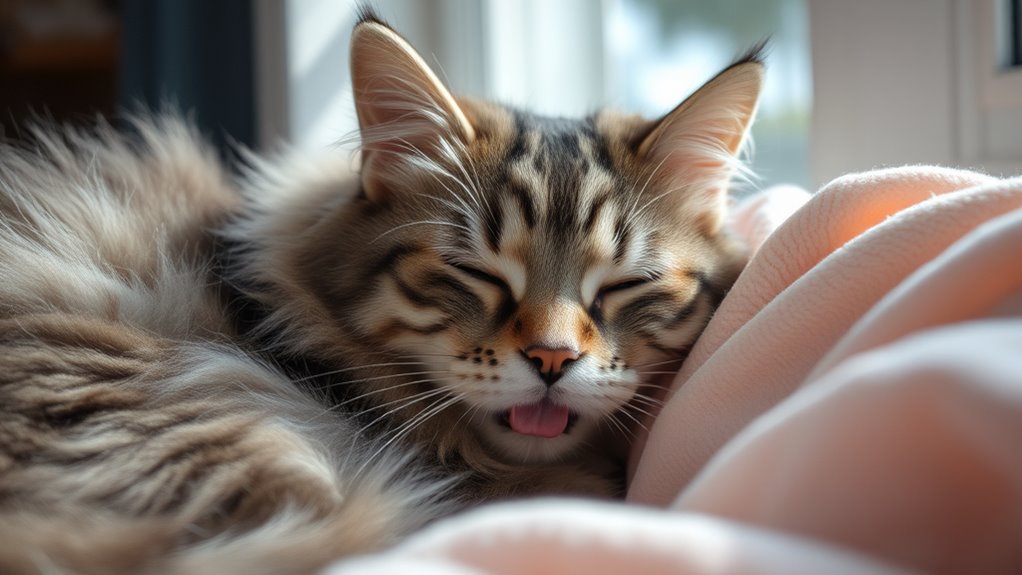
If your cat drools while you’re petting him, it usually shows he’s relaxed, happy, and trusts you. Gentle petting on his favorite spots can trigger drooling as a sign of contentment.
However, excessive drooling or sudden changes might mean health issues like dental problems or stress. It’s important to monitor his overall behavior and signs of discomfort.
Keep exploring to learn more about what your cat’s drooling might be telling you.
Key Takeaways
- Drooling often means your cat is relaxed, happy, and trusts you when you’re gently petting him.
- It’s a sign he’s comfortable and content, especially when he’s also relaxed in his body language.
- If your cat drools a lot or suddenly starts drooling more, it could be a sign of dental problems, infections, or other health issues.
- Some cats drool when they’re excited or looking forward to treats, showing they’re happy or anticipative.
- Keep an eye out for other changes in behavior or physical health to make sure your cat stays in good shape.
Why Do Cats Drool When You Pet Them?
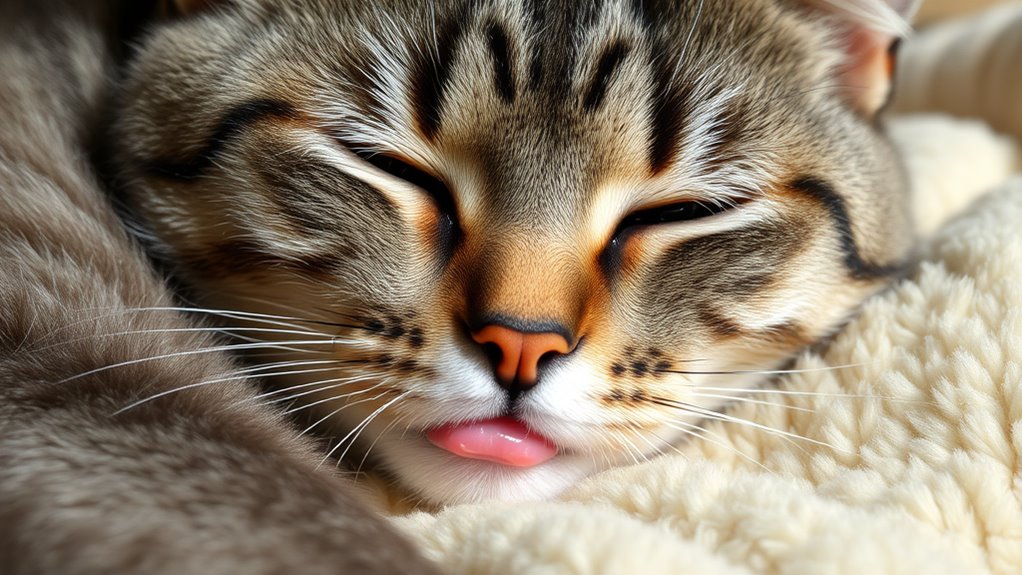
Have you ever noticed your cat drooling when you pet her? This is pretty common and can happen for a few reasons.
One main reason is that your cat feels relaxed and happy, especially if she’s purring or kneading. When she trusts you and enjoys the moment, her nervous system relaxes her jaw muscles, causing drooling.
Other times, it might be because you’re gently touching or rubbing spots she loves, like her cheeks or chin. Sometimes, drooling is a sign she’s excited or expecting treats or playtime.
But it’s important to watch her overall behavior. If she’s drooling a lot or showing other signs of discomfort, it could be a health issue. Understanding these patterns helps you know what’s going on when your cat drools during petting.
Reasons Cats Drool During Cuddles
You might notice your cat drooling a bit when they’re cuddling with you, and that’s usually a good sign that they’re feeling super relaxed and happy. It’s like their way of showing they trust you and are completely at ease in your company.
But hey, it’s also a good idea to keep an eye on things. Sometimes, excessive drooling can be linked to medical issues, so if you notice it happening a lot or if your cat shows other signs of discomfort, it’s worth checking in with the vet. Usually, that gentle drooling just means your kitty is really comfortable and enjoying those cuddles!
Contentment During Petting
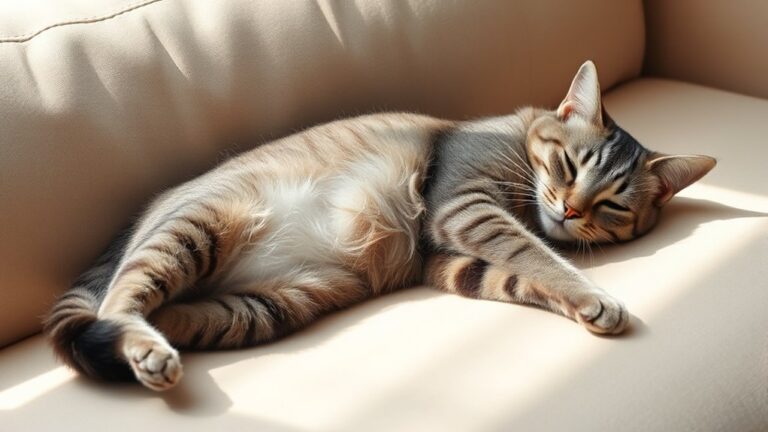
Cats often drool during petting because they feel deeply relaxed and content. This is a positive sign of their comfort and enjoyment, showing they trust you.
When you use gentle petting techniques, it helps your cat relax even more, making them feel safe and happy. Their drooling isn’t a sign of distress but a natural response to their pleasure.
Recognizing this as part of cat behavior can strengthen your bond, showing you’re doing things right. Watch for body language—relaxed muscles and half-closed eyes often go along with drooling.
Keep your petting gentle and pay attention to what your cat prefers. This makes sure they stay happy and comfortable during cuddles, boosting their sense of security and contentment.
Medical Conditions To Watch
While drooling during cuddles can be a sign of relaxation, it can also point to underlying medical issues that need attention. Tooth decay and oral infections can cause discomfort, making your cat drool more than usual.
Stress from environmental changes or anxiety may also play a role, especially if your cat is aging or on medication side effects. Hydration problems or recent dietary changes can impact oral health and lead to excessive salivation.
Infrequent dental cleanings might allow dental disease to develop. Keep an eye out for signs of dental pain or discomfort, and check with your vet if drooling continues. Addressing these medical issues early can improve your cat’s health and make cuddles more enjoyable.
Sign of Relaxation
Drooling during cuddles often shows that your cat feels completely relaxed and content. When you see this, it’s a clear sign they’re comfortable with you.
This drooling usually means your feline trusts you and feels safe enough to let their guard down. It’s a sign of feline comfort and trust.
To understand this better, consider these signals:
| Relaxation Signal | Behavior | Indicator of Comfort |
|---|---|---|
| Gentle purring | Relaxed body | Contentment |
| Slow blinking | Soft gaze | Trust |
| Drooling | Calm demeanor | Feline comfort |
Recognizing these signs helps you bond with your cat, knowing they’re happy and at ease during cuddle time.
How to Recognize When Your Cat Is Relaxed and Content
When your cat is feeling relaxed and happy, you’ll probably notice their body is soft and loose, kind of like they’re completely at ease. They might stretch out comfortably or settle into a cozy spot, showing they’re in a calm state.
You might also hear a gentle purring—that’s their way of saying they’re content. Sometimes, they’ll knead with their paws, kind of like giving little massages, which is another sign they feel safe and happy.
All these little signals together tell you that your cat is really at ease and enjoying your company.
Soft, Relaxed Body Language
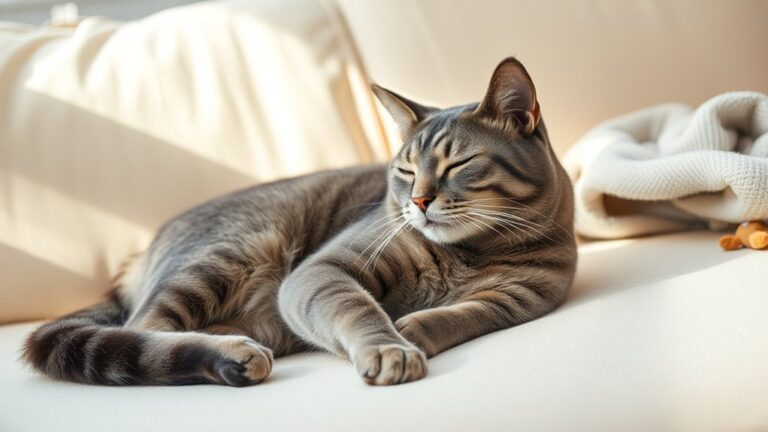
A relaxed and content cat displays a soft, loose body posture that signals comfort. Your cat’s body language cues include gently floppy limbs, a slightly stretched-out stance, and relaxed muscles.
When your feline feels safe, it may rest its paws loosely or let its tail lie gently beside or on top of its body. You might notice the eyes are half-closed or slowly blinking, a sign of trust.
An open, relaxed posture shows feline comfort and indicates your cat feels secure in your presence. These subtle cues reveal that your cat is at ease, enjoying the moment, and happy to be close.
Recognizing this soft body language helps you understand your cat’s mood and deepen your bond.
Gentle Purring and Kneading
Noticing your cat’s gentle purring and rhythmic kneading is a clear sign of relaxation and contentment. When your cat kneads, it shows they feel safe and happy, often with soothing purring sounds.
These behaviors show trust and comfort, meaning they’re at ease around you. They’re their way of saying they’re happy and comfortable.
| Purring Sounds | Kneading Behavior |
|---|---|
| Soft, rhythmic | Gentle pushing with paws |
| Indicates relaxation | Sign of affection |
| Usually continuous | Creates a calming rhythm |
When your cat purrs and kneads, it’s their way of expressing happiness. These signs confirm they feel secure and loved, making petting sessions enjoyable for both of you.
Common Health Causes of Excessive Cat Drooling
Excessive drooling in cats often signals an underlying health issue that needs attention. It can be caused by different problems, so it’s important to find out what’s going on.
Common causes include dental disease, oral infections, or foreign objects. These can cause pain or irritation, making your cat drool more than usual. Dental issues are especially common and usually need vet care.
Heatstroke signs, liver issues, or allergic reactions can also lead to drooling. These serious conditions often cause your cat to show distress or discomfort. Heatstroke needs quick treatment, while liver problems and allergies require a vet’s diagnosis.
Stress from anxiety disorders or side effects from medications can also trigger excessive salivation. If your cat recently started a new medication, drooling might be a side effect that needs adjusting or switching.
Always check with your vet if your cat’s drooling continues or gets worse. Proper diagnosis and care are key to keeping your cat healthy.
How to Tell If Your Cat’s Drooling Is a Sign of Pain or Stress
While some causes of drooling, like dental disease or infections, are straightforward, it’s important to recognize when your cat’s drooling signals pain or stress. Pain indicators include vocalizations, hiding, aggression, or reluctance to be touched, especially if the drooling is sudden or accompanied by pawing at the face.
Sudden drooling with hiding or aggression may indicate pain or discomfort in your cat.
Stress signs might involve dilated pupils, flattened ears, rapid breathing, or a tense body posture. If your cat drools excessively during grooming or in unfamiliar environments, it could be a response to stress.
Pay attention to other behaviors such as loss of appetite or lethargy, which can also suggest discomfort. Recognizing these pain indicators and stress signs helps you determine whether the drooling is normal or a sign your cat needs veterinary attention.
Being observant allows you to respond promptly to your cat’s needs, promoting their comfort and well-being.
What to Do When Your Cat Starts Drooling More Than Usual
When your cat starts drooling more than usual, it’s important to act quickly to figure out why. First, watch for any triggers, like new environments or recent grooming sessions.
Next, think about how you’re petting your cat. Some cats get overwhelmed if petting is too rough or if you’re touching sensitive spots. Try gently stroking your cat’s head or chin instead.
Check for signs of dental problems or illness, such as bad breath or trouble eating. These can also lead to increased drooling.
If the drooling continues or seems excessive, it’s best to see your veterinarian. Remember, calming your cat with slow, gentle petting can help reduce stress and stop more drooling episodes.
Pay attention to your cat’s reactions and tweak your petting approach. Small adjustments can help you find what triggers the drooling and make your cat more comfortable.
Always stay alert to your cat’s behavior, as it can give you clues about their health.
When to See the Vet About Your Cat’s Drooling
If your cat’s drooling keeps going or suddenly gets worse, it’s a good idea to check in with the vet. Keep an eye out for any unusual stuff like swelling, bleeding, or trouble eating, because those can be signs that something’s off.
Don’t wait if you see any of these changes—it’s better to be safe. Sometimes, these symptoms can point to serious health issues that need quick attention.
Persistent Drooling Signs
Persistent drooling in your cat is a clear sign that something may be wrong, especially if it continues over time. If your feline’s saliva management seems excessive or uncharacteristic, it’s time to pay attention.
Consider these persistent drooling triggers: oral infections or dental disease, nausea or gastrointestinal issues, and neurological problems affecting saliva control. When drooling becomes constant, it indicates your cat’s body may be struggling to regulate saliva.
This can signal underlying health concerns. Ignoring these signs can lead to worsening conditions. If your cat’s drooling persists without an obvious cause, consult your vet promptly.
Early intervention helps keep your feline comfortable and healthy, preventing complications linked to unchecked saliva management.
Sudden Drooling Changes
Sudden changes in your cat’s drooling can signal a serious health issue that needs immediate attention. If your cat suddenly drools more than usual or shows new triggers for drooling, it’s important to act quickly.
Behavioral changes like hiding, aggression, or loss of appetite often come with sudden drooling, indicating discomfort or pain. These signs could be linked to dental problems, ingestion of toxins, or oral injuries.
Don’t ignore these abrupt shifts—they might be signs of serious conditions like infections or obstructions. When you notice your cat drooling suddenly, especially with behavioral changes, see a vet promptly.
Early intervention can prevent complications and ensure your cat gets the treatment needed to recover.
Tips for Comforting a Cat With Drooling Health Issues
When your cat starts drooling excessively due to health issues, providing comfort is really important. Creating a calm environment can help ease their stress and manage triggers for drooling.
Providing a calm, stress-free environment helps soothe your cat and reduce excessive drooling caused by health issues.
Here are three tips to help comfort your cat:
- Offer a peaceful space where your cat feels safe, which helps reduce stress and anxiety.
- Identify and minimize drooling triggers like loud noises or sudden movements to prevent further discomfort.
- Use gentle petting and soothing tones to reassure your cat, helping them relax and possibly lowering drooling caused by stress or pain.
How to Prevent Drooling Problems in Cats
Preventing drooling problems in cats starts with regular vet visits to catch health issues early. Routine check-ups help spot problems before they become serious, lowering the chances of drooling caused by illness.
Keeping your cat’s teeth clean is also really important. Regular dental exams and cleanings help prevent gum disease and infections that can make your cat drool excessively. You should brush their teeth with feline-safe toothpaste and offer dental treats or toys to promote oral health.
Also, watch your cat’s diet to make sure it’s balanced and suitable for their age and health. Reducing stress and creating a calm environment can help prevent drooling related to anxiety.
Other Signs Your Cat Might Be Unwell
While keeping an eye on your cat’s dental health can help prevent drooling, it’s also important to notice other signs that might mean your cat isn’t feeling well.
Unusual behaviors like hiding more than usual or acting aggressively can be signs of discomfort or illness. Dental problems might cause pain, which can change how they eat or make them paw at their mouth a lot.
Watch for physical signs such as lethargy, weight loss, or discharge from the eyes or nose. These symptoms often point to underlying health issues that need a vet’s attention.
To better understand your cat’s health, keep an eye out for these key signs:
- Change in activity level or behavior
- Refusal to eat or drink
- Unusual vocalizations or vocal changes
Spotting these signs early makes sure your cat gets the care they need to stay happy and healthy.
Frequently Asked Questions
Can Certain Foods Cause My Cat to Drool Excessively?
Certain foods can cause your cat to drool excessively, especially if they have a sensitive food texture or flavor. If a treat or meal feels too gritty, sticky, or has a strong smell, your cat might drool as a reaction.
Some cats are more flavor-sensitive and react strongly to new or unusual tastes. Pay attention to how your cat responds to different foods, and talk to your vet if drooling continues or gets worse.
Does Age Affect a Cat’s Tendency to Drool?
Like a slow-moving tide, your cat’s drooling behavior can ebb and flow with age. As cats get older, factors like dental health, overall health, or medications can make some more prone to drooling.
Younger cats tend to drool less, while older ones might show more of this behavior. Keeping an eye on these changes helps you catch health problems early.
This way, you can ensure your feline friend stays comfortable and happy as they age.
Is Cat Drooling Contagious or a Sign of Illness?
Your cat’s drooling isn’t contagious, but it can be a sign of health issues. If it’s caused by dental problems or illness, you’ll notice other signs like bad breath, pawing at the mouth, or lethargy.
Feline behavior varies, so keep an eye on your cat. If drooling continues or if you see unusual behaviors, it’s best to consult your veterinarian.
They can help rule out dental or health concerns and ensure your kitty stays happy and healthy.
Can Stress or Anxiety Increase My Cat’s Drooling?
Yes, stress triggers and anxiety symptoms can increase your cat’s drooling. When your cat feels anxious or stressed, they might produce more saliva as a physical response.
You might also notice signs like hiding, trembling, or excessive grooming along with the drooling. If your cat’s stress levels stay high, it’s important to find and reduce what’s causing the stress.
Providing a calm environment can help manage their anxiety and prevent them from drooling excessively.
Are There Specific Breeds More Prone to Drooling?
Certain breeds are more prone to drooling, like Sphynx cats, which are known for excessive drooling, and Persians, who tend to drool because of their facial structure.
Maine Coon saliva can be more noticeable because of their larger size. Siamese cats might drool slightly, reflecting their active and vocal nature.
You’ll notice these tendencies, but if drooling becomes excessive, it’s best to consult your vet to rule out health issues.
Conclusion
Just like a gentle rain can soothe a garden, your cat’s drooling can be a sign of contentment or concern. If you notice it only when you pet him, he’s probably relaxed and happy—think of it as his way of saying “I trust you.”
But if the drooling becomes excessive or is paired with other symptoms, don’t hesitate to visit the vet. Your attentive care keeps your feline friend healthy and happy, rain or shine.
When your cat drools while you pet him, it often means he’s feeling safe and comfortable. However, if the drooling is out of the ordinary or accompanied by other issues, it could be a sign of health problems.
In those cases, a quick trip to the vet can help ensure everything is okay. Remember, understanding why your cat drools can help you keep him happy and healthy.