Do Cats Like Being Petted?
Feeling unsure about how your cat really feels when you pet them? You’re not alone—many pet owners struggle to understand their feline friends’ signals. Knowing whether your cat enjoys being petted can make all the difference in building a stronger bond.
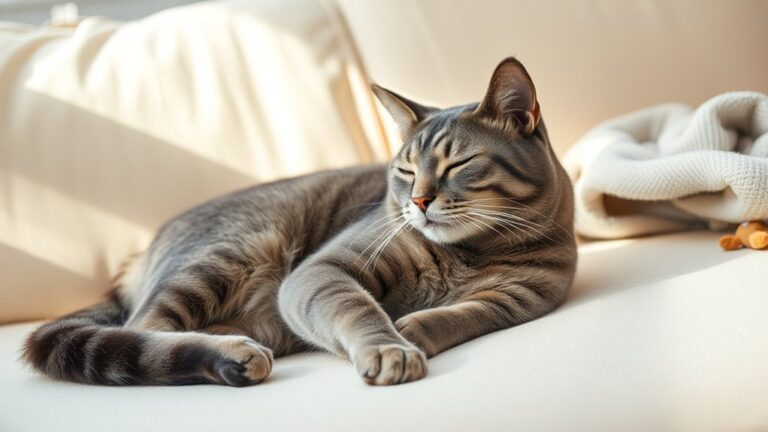
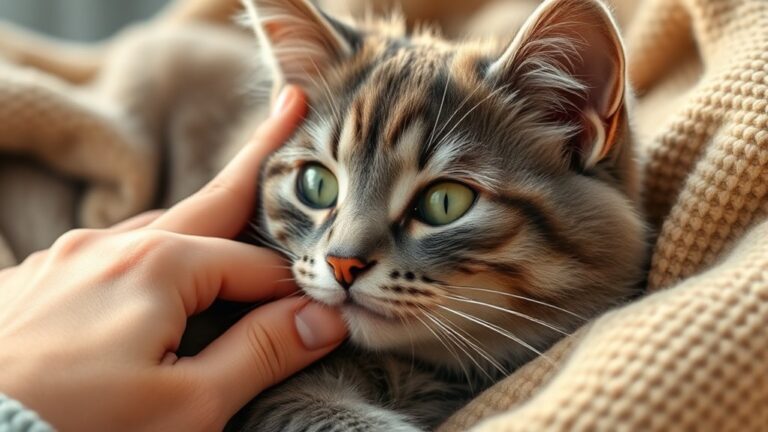
Many cats enjoy being petted, but their preferences vary. You’ll notice they like soft purring, leaning into your touch, and grooming themselves afterward, which signals relaxation.
However, watch for signs of discomfort like flattened ears or tail flicks—these mean it’s time to stop.
Every cat is different, so paying close attention to body language helps guarantee a positive experience.
Keep exploring for tips on understanding your cat’s unique preferences and how to make petting enjoyable for both of you.
Key Takeaways
- Cats often enjoy petting when they show relaxed body language, like leaning in or softly purring.
- Every cat is different; some love being petted, while others prefer less contact.
- Signs they’re happy include gentle purring, kneading, and leaning into your touch.
- If they seem overstimulated or uncomfortable, they might pull away, flick their tail, or flatten their ears.
- Respect their boundaries and watch their body language to make petting a positive experience.
Do Cats Really Enjoy Being Petted? Here’s What You Need to Know
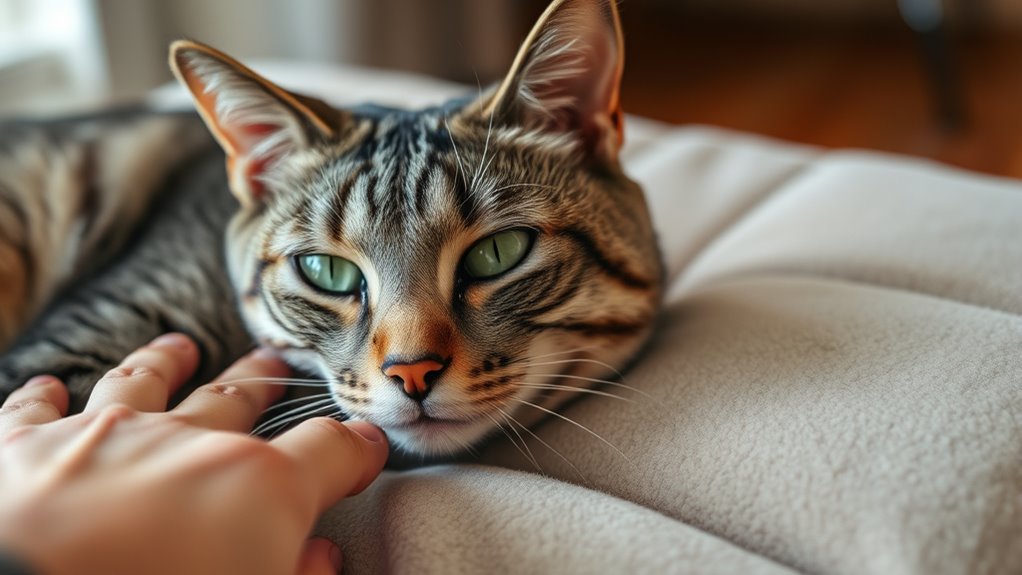
Many pet owners wonder if their cats truly enjoy being petted, and the answer isn’t always straightforward. Cats have unique purring habits that can show how they feel about your touch. Some purr softly when they’re happy, while others might purr to self-soothe or signal discomfort.
It’s important to watch their grooming habits, which can be a sign of contentment. When a cat grooms itself willingly after being petted, it usually means they feel safe and relaxed. On the flip side, if they suddenly stop grooming or start scratching at themselves, they might not be enjoying the interaction.
Understanding these subtle cues helps you figure out whether your pet really enjoys your company. Remember, every cat has different boundaries and preferences. Respect their signals, and over time you’ll learn what kind of petting makes them happiest.
How Can You Tell if Your Cat Likes Being Petted?
How can you tell if your cat genuinely enjoys being petted? One clear sign is purring sounds, which often mean she’s feeling content and relaxed. When your cat purrs softly while you pet her, she’s probably happy and comfortable.
Also, watch her tail. A relaxed tail that’s gently swaying or held upright shows she’s enjoying the interaction. If her tail flicks quickly or lags behind her body, she might be annoyed or overstimulated.
Pay attention to her body language overall. If she leans into your touch or nuzzles you, those are positive signs. But if she starts turning her head away, flattens her ears, or tries to move away, she may not want to be petted anymore.
Recognizing these signs helps ensure your cat is comfortable and makes petting a happy experience for both of you.
How to Read Your Cat’s Body Language During Petting
Paying attention to your cat’s body language during petting helps you understand her feelings in real time. When she’s comfortable, you’ll notice relaxed muscles, a softly flicking tail, and gentle purring. These signals show she’s enjoying the interaction and her petting preferences are being met.
If she leans into your touch, kneads, or nuzzles, she’s expressing contentment. But watch for signs of discomfort like tail flicks, flattened ears, or sudden withdrawal. A tense body or growling means she’s reached her petting limit.
Learning these cues helps you adjust your approach, making sure she’s comfortable. Respect her boundaries by stopping when she shows signs of stress or overstimulation. Remember, every cat has unique petting preferences, so paying close attention to her body language allows you to create a positive, relaxing experience that she’ll appreciate.
Which Areas Do Cats Usually Love to Be Pet?
Cats often enjoy being petted in specific areas where they feel most comfortable and safe. Knowing their favorite spots can strengthen your bond and make petting more enjoyable for both of you.
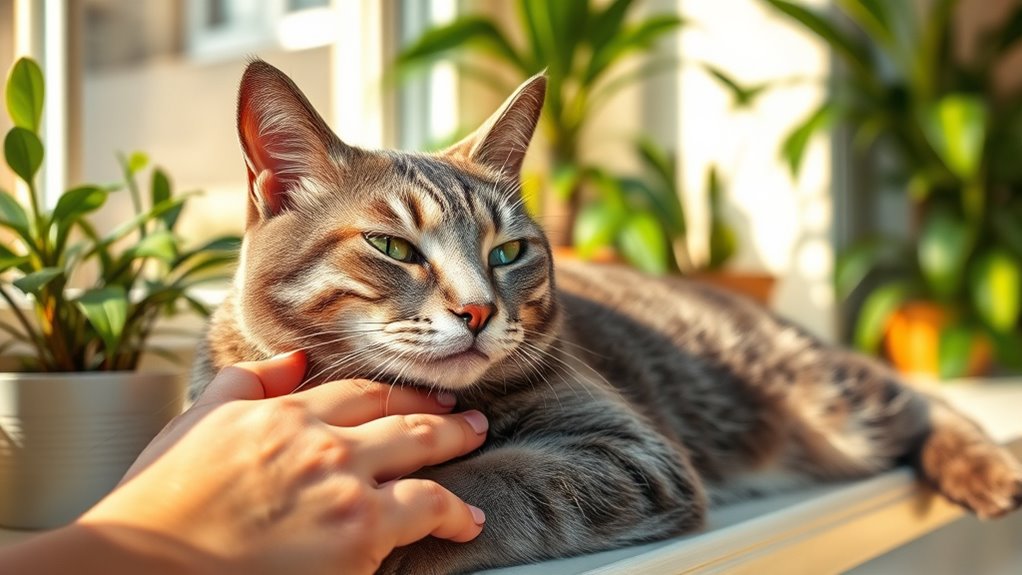
While individual preferences vary, common areas cats love include the base of the ears and behind the ears, the cheeks, and the jawline. They also tend to enjoy being petted along the back, from the neck to the tail, as well as the chin and under the chin.
These spots are usually less sensitive and more inviting because cats naturally groom or receive gentle touches there. However, remember that each cat is different; some may prefer less contact or different regions.
Pay attention to your cat’s reactions to find out their favorite spots. Respect their boundaries, and you’ll build trust and comfort during your bonding time.
Signs Your Cat Might Be Uncomfortable or Overstimulated
You can tell your cat’s feeling uncomfortable when its body gets stiff or it suddenly pulls away from you. Sometimes, you’ll notice your cat grooming itself excessively or even biting you — those can be signs it’s a bit overwhelmed. Changes in vocalization are also clues; for example, growling or hissing usually mean your cat is stressed out.
Paying attention to these signals is really helpful. It lets you know when it’s time to give your cat a little break from petting and let it relax. That way, you both stay happy and comfortable!
Body Language Cues
When a cat becomes uncomfortable or overstimulated during petting, subtle body language cues can reveal how they’re really feeling. You might notice changes in their purring or tail position.
For example, a sudden flick or lash of the tail can signal irritation. A tense or low tail often shows discomfort. Watch for ears flattening or shifting sideways, which indicate stress.
Purring responses may become abrupt or stop altogether, signaling overstimulation. You might also see your cat’s pupils dilate or their body tense up. Recognizing these signs helps you respond before they become overwhelmed.
Look out for rapid tail flicks, flattened ears, tense body posture, or a sudden stop in purring. These cues are your cat’s way of saying they need a break.
Excessive Grooming Signs
Excessive grooming can be a clear sign that your cat is feeling uncomfortable or overstimulated. If you notice your cat constantly licking itself, it might be trying to soothe stress or irritation.
Over time, this excessive licking can lead to noticeable fur loss, especially in patches. Fur loss isn’t just cosmetic; it can signal underlying issues like skin allergies, parasites, or emotional distress.
Pay attention to how often your cat grooms and whether the behavior seems compulsive. If grooming becomes obsessive or results in bald spots, your cat may be overwhelmed or uncomfortable.
This behavior indicates discomfort that needs addressing, whether through environmental changes, stress reduction, or veterinary care. Recognizing these signs helps you ensure your cat feels safe and relaxed.
Vocalization Changes
Have you noticed your cat suddenly changing the way it vocalizes? Different types of sounds and variations can be a sign that your cat is uncomfortable or overstimulated. You might hear sharper meows, hissing, or growling, which often mean your cat wants some space.
Pay close attention to subtle cues like changes in pitch or volume, as these often reflect their mood. Signs your cat may be upset include a sudden increase in loud or harsh sounds, short and clipped noises indicating irritation, or more hissing and growling.
You might also notice a decrease or complete stop in vocalizations, which can show they’re withdrawing. These sound changes give you clues about how your cat is feeling emotionally.
Recognizing these vocalization shifts helps you understand when your cat needs a break from petting or interaction. Respect their boundaries to keep your furry friend comfortable and happy.
What to Do If Your Cat Gets Overstimulated During Petting
If your cat starts to show signs of overstimulation, it’s really important to catch those cues early on. Keep an eye out for things like twitching tails, flattened ears, or sudden swatting — those are your clues that your kitty might be getting a little overwhelmed.
When petting, try to keep your strokes gentle and pay close attention to how your cat responds. If they start to seem tense or restless, it’s a good idea to stop or give them some space. Knowing when to pause can make all the difference in keeping your feline friend happy and comfortable during your cuddles.
Recognize Overstimulation Signs
Recognizing when your cat is beginning to feel overstimulated is key to preventing discomfort or aggression. Keep an eye out for subtle signs like increased purring intensity, which can go from soothing to tense.
Watch the tail—if it flicks, lashes, or puffs up, your cat might be signaling overstimulation. Other clues include flattened ears, dilated pupils, or a suddenly tense body.
To get better at spotting these signs, pay attention to changes in purring, tail movements, ear positions, and any sudden stiffening or twitching.
Gentle Petting Techniques
When your cat shows signs of overstimulation during petting, gently stopping the interaction can make all the difference. Use soothing strokes with gentle pressure to keep your touch calming.
Focus on areas your cat enjoys, like the cheeks or under the chin, and avoid sensitive spots. Pay close attention to body language; if your cat tenses or flicks their tail, pause immediately.
Keep your hand relaxed and avoid applying too much pressure, which can escalate overstimulation. Instead, use slow, gentle movements to maintain a soothing atmosphere.
If your cat relaxes again, gradually resume petting, but always be ready to stop if signs of overstimulation reappear. This gentle approach helps your cat associate petting with comfort and trust.
Know When To Stop
Understanding the signs of overstimulation is key to keeping your petting session positive. If your cat shows signs of discomfort, it’s best to stop before overstimulation happens.
Remember, each cat has different preferences, so pay close attention to their cues. Watch for twitching tails, flattened ears, or sudden movements—that’s your signal to end the session.
Petting duration varies from cat to cat. Some enjoy longer sessions, while others prefer shorter, more frequent interactions. Adjust based on what your cat seems to enjoy.
To prevent overstimulation, observe your cat’s body language carefully. Limit petting to shorter, more frequent sessions and respect their individual preferences.
Always stop immediately if you notice signs of discomfort. Keeping an eye on subtle cues helps ensure a comfortable and enjoyable experience for your feline friend.
How Breed and Personality Influence a Cat’s Love for Petting
The breed and personality of a cat play big roles in how much they enjoy being petted. Some breeds, like Ragdolls or Maine Coons, tend to be gentle and are more open to human touch, while others might be more independent or reserved.
Early socialization shapes how comfortable your cat feels with affection and affects how they interact with you. Every cat is different—some love lots of petting, while others prefer less contact.
Environmental factors, like a calm and safe space, also influence their willingness to be touched. Play behavior can give clues about their comfort level—if a cat is relaxed and playing, they’re probably more open to petting.
Your consistent, gentle approach is key. Building trust helps your cat feel secure and makes your interactions more positive.
In the end, understanding your cat’s unique personality and respecting their boundaries creates happier, more enjoyable moments together.
Tips for Building a Happy, Stress-Free Petting Routine
To build a happy, stress-free petting routine, the first thing to do is really pay attention to what your cat likes and how they react. Every cat is a little different, so it’s important to notice their signals and respect their boundaries. If your cat seems uncomfortable or starts to squirm, it’s best to stop and give them space.
Try to set a regular time for petting sessions — this helps your cat know what to expect and makes the experience more predictable and calming for them. When you do pet your cat, keep your approach gentle and calm. Using slow, soft strokes can make the whole interaction more relaxing and enjoyable for both of you.
Recognize Cat Preferences
How can you tell what your cat truly enjoys during petting sessions? Paying attention to their cues helps you recognize their preferences, making both of you more comfortable and strengthening your bond.
Watch their body language and responses to improve your petting techniques. Signs your cat enjoys petting include relaxed muscles, purring, leaning into your touch, and gentle kneading.
On the other hand, signs of discomfort are tail flicks, ear flattening, trying to move away, or swatting. Being aware of these cues helps you respect their boundaries.
To better understand your cat’s preferences, notice where they like to be touched—like the head, chin, or back. Also, pay attention to how much pressure they prefer and what times of day they seem more receptive.
Experiment with different petting durations and see how they respond. This awareness ensures a stress-free experience that promotes true cat comfort and a stronger bond.
Respect Personal Boundaries
Building a happy, stress-free petting routine starts with respecting your cat’s personal boundaries. Cats have a defined personal space that, when honored, increases their comfort and trust.
Pay attention to their body language. If they lean into your touch, they’re comfortable. If they pull away or tense up, they need space. Avoid forcing petting if your cat shows signs of discomfort.
Instead, give them a moment to decide when they’re ready to continue. Respecting their personal space helps your cat feel safe and secure, fostering positive feline comfort.
Establish Consistent Routines
Establishing a consistent petting routine helps your cat feel secure and reduces stress during interactions. When you keep things predictable, your cat knows what to expect, making petting sessions more enjoyable.
Sticking to specific times for petting and keeping durations predictable and moderate can really make a difference. Always pay attention to your cat’s cues and adjust your approach accordingly.
Gradually increase or decrease petting based on what your cat seems comfortable with. Consistency builds trust and makes your time together more positive for both of you.
Common Mistakes That Make Cats Dislike Being Petted
One common mistake that can make cats dislike being petted is rushing into interactions without paying attention to their signals. Cats have their own petting preferences, and ignoring these cues can cause discomfort or irritation.
Using improper petting techniques, like stroking too suddenly or in the wrong spots, can make your cat feel threatened or overwhelmed. For example, some cats dislike being touched on their belly or tail, while others enjoy gentle strokes behind the ears.
Improper petting, like sudden strokes or touching sensitive spots, can make cats feel threatened or overwhelmed.
If you don’t observe their body language, you might misinterpret their signals, which can lead to negative experiences. It’s important to go slowly and watch how your cat reacts.
If they pull away, flatten their ears, or flick their tail, it’s a sign they’ve had enough. Respect their boundaries and adjust your petting style accordingly.
Understanding and honoring your cat’s preferences help build trust and make positive interactions more likely.
When Should You Talk to a Vet or Behaviorist About Your Cat’s Reactions
Determining when to seek professional help for your cat’s reactions can be tricky, especially if you’re unsure whether their behavior is normal or a sign of something deeper. If your cat suddenly becomes aggressive, hides excessively, or seems unusually fearful, it’s a good idea to talk to a vet or behaviorist. These signs could point to pain, stress, or health issues needing expert advice.
Consider reaching out if you notice persistent or worsening aggressive behavior, sudden changes in activity or mood, overreactions to everyday stimuli, or signs of anxiety or withdrawal. Acting early can prevent your cat from experiencing ongoing distress and help strengthen your bond.
A vet or behaviorist can find the root cause and suggest personalized strategies to help your cat feel safe and relaxed. Don’t hesitate to get help if their reactions seem abnormal or upsetting—your cat’s well-being might depend on it.
Frequently Asked Questions
Can Cats Prefer Being Petted by Different People?
Yes, cats can prefer being petted by different people, depending on their personality and socialization experiences. Some cats are more social and enjoy attention from everyone, while others may be more selective.
Your cat’s comfort level with various people depends on how they’ve been socialized and their individual temperament. Pay attention to their responses, and you’ll understand which people they trust and prefer for petting.
Do Age or Health Affect a Cat’s Enjoyment of Petting?
Age differences and health conditions definitely influence whether your cat enjoys petting. Younger cats might be more playful and tolerant, while older cats could be more sensitive or have specific preferences.
Health issues like arthritis or skin conditions can cause discomfort, making petting less enjoyable for them. Pay attention to your cat’s reactions and adjust your approach accordingly.
Respect their boundaries, especially if they seem uncomfortable. This helps ensure petting stays a positive experience for both of you.
Are There Specific Times When Cats Dislike Being Petted?
You might notice your cat doesn’t like being petted at certain times, especially if they’re feeling stressed or unwell.
Pay attention to their body language—flattened ears, swishing tail, or tense muscles can all be signs they’re uncomfortable.
Cats often dislike petting when they’re tired, hungry, or overstimulated.
Respect their petting preferences and stop when they show signs of wanting space.
This helps keep your interactions positive and comfortable for both of you.
How Does a Cat’s Environment Influence Its Comfort With Petting?
A cat’s environment really impacts how comfortable it feels with petting. Things like loud noises, clutter, or unfamiliar smells can make them feel insecure and less likely to want to be touched.
Providing safe spaces where your cat feels secure helps build trust. When they feel safe and relaxed in their environment, they’re more likely to enjoy and tolerate gentle petting sessions.
Can Training Help a Cat Tolerate More Petting?
Yes, training can help your cat tolerate more petting. Think of it like watering a plant—you need patience and positive reinforcement.
By gradually exposing your cat to gentle touches and rewarding calm behavior, you build trust over time.
Consistency is key, and with patience, your feline friend will start to see petting as a pleasant experience rather than a stressor.
This process turns interactions into bonding moments.
Conclusion
Understanding your cat’s signals is like learning a delicate dance—each paw, tail flick, or gentle purr guides you through their comfort zones. When you listen closely, petting becomes a harmonious melody rather than a discordant note.
By respecting their boundaries and tuning into their body language, you create a symphony of trust and affection. Remember, many cats enjoy being petted, but only when you pay attention to their cues.
Your bond deepens when you honor their silent language, turning everyday moments into a beautiful, shared story. Yes, cats do like being petted, but understanding when and how makes all the difference.