How to Determine If Your Cat’s Flea Medicine Expires
Many cat owners know the stress of keeping their furry friends flea-free. It can be overwhelming to figure out if your flea medicine is still effective or if it’s time to get a new one.
You’re not alone—many people struggle with knowing when their treatment expires or if it’s still safe to use.
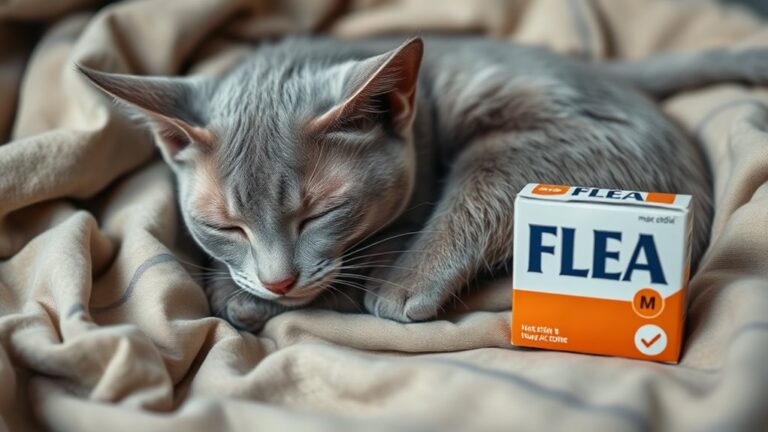
To determine if your cat’s flea medicine has expired, check the packaging carefully for an expiration date marked “EXP” or “use by.”
You’ll usually find this on the back, side, or bottom of the package. Also, examine the product for signs of deterioration like discoloration, strange smells, or changes in texture.
Proper storage is key to maintaining its effectiveness. Keep the medication in a cool, dry place away from sunlight.
If you’re unsure or notice anything off, it’s best to replace the medication.
More tips ahead can help keep your cat safe and flea-free.
Key Takeaways
- Check the packaging for an expiration date labeled “EXP” or “use by,” usually on the back, side, or leaflet.
- Inspect the product for signs of deterioration like discoloration, cracks, or strange odors.
- Confirm the type of flea treatment—whether it’s topical, oral, or a collar—and find the expiration date in the right spot.
- Make sure the medication has been stored properly, in a cool, dark place away from heat and humidity.
- If you’re unsure about the expiration date or notice signs of degradation, it’s best to consult your veterinarian.
Can I Use Expired Flea Medicine on My Cat?
Is it safe to use flea medicine on your cat after it has expired?
Generally, no. Using expired products raises concerns about your cat’s safety with flea medicine.
Once a flea treatment passes its expiration date, its effectiveness can decrease, meaning it might not kill fleas as well.
Expired flea treatments may lose effectiveness and fail to properly protect your cat.
Plus, the chemical stability could be compromised, which might lead to skin irritation or other adverse reactions.
Some expired products might even cause unexpected side effects.
It might seem like a good idea to save money by reusing old treatments, but it can actually put your cat at risk.
Always check the expiration date before giving your cat any flea medicine.
If the product is expired, it’s best to throw it away and get a new, properly stored treatment.
Your cat’s health depends on using safe and effective medications.
When in doubt, talk to your veterinarian to make sure you’re providing the best flea control possible.
How to Check if Your Flea Treatment Has Expired
Checking if your flea treatment has expired is an important step to ensure your cat’s safety and the product’s effectiveness. First, identify the type of flea treatment you’re using, like topical liquids, oral tablets, or collars, since each may show expiration info differently.
Most products have an expiration date printed directly on the packaging or applicator, usually near the lot number or barcode. Look for a date labeled “EXP” or “use by,” and see if it has passed.
If there’s no clear expiration date, inspect the packaging for signs of deterioration, like discoloration, cracks, or a strange smell. Always check the manufacturer’s instructions to understand how they indicate expiration.
Making sure your flea medication is within its valid period helps keep it effective and keeps your cat safe from fleas.
Recognizing the Expiration Date on Flea Medications
Want to check if your flea medication is still good to use? The first step is to find the expiration date on the packaging or the label. It’s usually printed somewhere easy to spot, like the back or the side.
Once you find it, take a moment to look at the date format. Sometimes it’s written as month/year, and other times it’s day/month/year. Getting familiar with how it’s printed helps you understand exactly how long the medication is good for. Knowing this stuff ensures you’re using the medication safely and that it will work effectively when you need it.
Locating the Expiration Date
Flea medications for cats usually have the expiration date printed right on the packaging or label, so it’s important to check these areas carefully. Look for the expiration label, which can be small and located in different spots depending on the product.
Check the back or bottom of the packaging, the side of the box or blister pack, the foil or plastic container, or any included leaflet or instructions. The expiration date might be printed directly, stamped as a code, or put on a sticker.
Make sure to inspect all parts of the packaging thoroughly because the date could be in unexpected places. Knowing where the expiration label is helps ensure you’re using safe and effective flea medicine for your cat.
Understanding Date Formats
Once you’ve found the expiration date on your cat’s flea medication, understanding the format is important to see if it’s still safe to use. Expiration labels can show dates in different formats like MM/DD/YYYY, DD/MM/YYYY, or just a month and year (for example, 06/23).
Knowing these formats helps you avoid confusion and makes sure you interpret the expiration correctly. Some labels might also say “best by” or “use before,” which also indicate safety.
If the date looks unclear or unfamiliar, check for other clues or contact your vet or pharmacist. Reading the expiration label correctly ensures you don’t accidentally use expired medication, keeping your cat safe and healthy.
How Storage Conditions Affect Flea Medicine Effectiveness
Storing flea medicine the right way is super important if you want it to work well. If it’s left out in places where temperatures go up and down a lot or gets exposed to light, it can actually start to break down faster. So, it’s a good idea to keep the container sealed tight and stored somewhere cool and dark. That way, you can be sure it’ll stay effective when your pet needs it.
Temperature Stability Importance
Temperature stability plays an essential role in maintaining the effectiveness of your cat’s flea medicine. Exposure to temperature fluctuations can degrade active ingredients, making the treatment less effective or even useless.
Proper storage locations help guarantee consistent temperature conditions, preventing medication breakdown. Keep the medicine away from areas prone to extreme heat or cold, like windowsills, garages, or bathrooms.
Instead, choose a cool, dry place such as a cabinet or pantry. Avoid storing flea medicine near heating vents, radiators, or in direct sunlight, as these can speed up deterioration.
Regularly check the storage environment to ensure it stays stable. Maintaining a consistent temperature helps preserve the medicine’s potency, keeping your cat protected from fleas and their health risks.
Proper Container Sealing
Guaranteeing the flea medicine remains effective starts with proper container sealing. Keeping the container intact prevents exposure to air, moisture, and contaminants that can break down the medicine.
Use sealing techniques that create an airtight environment, like tightly closing caps or resealable lids. Always check for damage, such as cracks or looseness, before storing.
Remember to reseal the container immediately after use to prevent spills or contamination. Proper sealing helps preserve the medication’s potency and extends its shelf life.
Avoid leaving the container open or loosely sealed, especially in humid or fluctuating temperatures. Consistently sealing it properly ensures your cat’s flea medicine stays effective until its expiration date.
Light Exposure Effects
Light exposure can significantly reduce the effectiveness of your cat’s flea medicine, even if the container stays sealed. Prolonged exposure to light speeds up the breakdown of the medicine, making it less potent.
To keep it at its best, store the medication in a dark, cool spot. Be careful around sunlight or fluorescent lighting, as they can impact the product’s stability. Proper storage helps ensure your cat gets full protection.
Keep the medicine in a dark cabinet or drawer, and avoid places near windows or direct sunlight. If possible, use opaque containers to block out light. Checking expiration dates regularly is also a good idea to catch any effects of light exposure.
Signs That Flea Medicine Has Gone Bad
One of the clearest signs that flea medicine has gone bad is a change in its appearance or consistency. If you notice the flea medicine’s texture has become thick, clumpy, or separated, it’s a strong indicator it’s no longer effective.
Pay attention to the flea medicine odor—if it smells sour, rancid, or just off from the usual scent, it’s likely spoiled. Discoloration signs are also a red flag; if the product has changed color, such as darkening or developing spots, it’s time to discard it.
These visual and sensory clues suggest the medication may have degraded, reducing its ability to protect your cat. Using expired or spoiled flea medicine can be ineffective or potentially harmful.
Always check for these signs before application. When in doubt, it’s safer to replace the product rather than risk your cat’s health.
Is It Safe to Use Expired Flea Medicine?
Using expired flea medicine might not do much to keep those pesky fleas away anymore, which means your cat could still get fleas. Plus, there’s a chance that old medication could cause irritation or other health problems if it’s past its expiration date. It’s usually a good idea to check with your vet before using any expired products to make sure your kitty stays safe.
Effectiveness After Expiry
Even though it might seem tempting to use flea medicine past its expiration date, its effectiveness can significantly decrease over time.
Expired flea medicine may no longer provide the protection your cat needs.
To check if it still works, look for signs like changes in flea activity or ongoing infestations.
Keep in mind that expired products might not kill fleas as well, so consider trying other treatments for better results.
Also, examine the medication’s appearance—discoloration or separation probably means it’s no longer effective.
Relying on expired medicine can lead to ongoing flea problems, so it’s best to replace it quickly.
When unsure, consult your veterinarian for safe and effective alternatives.
Potential Health Risks
Although it might seem harmless to apply expired flea medicine, doing so can pose health risks to your cat. Expired products may lose their effectiveness, which means flea control might not work properly and fleas could develop resistance.
This resistance can make future treatments less effective, leading to ongoing infestations. Using expired medication can also cause health problems like skin irritation, allergic reactions, or stomach issues.
In some cases, chemicals in outdated formulas might break down into harmful substances, putting your cat’s health at risk. To keep your feline safe, always check expiration dates and avoid using flea medicine that’s past its expiry.
If you’re unsure, it’s best to ask your veterinarian before applying any treatment. Better safe than sorry when it comes to your cat’s well-being.
What Are the Risks of Using Old Flea Treatments?
Old flea treatments can pose serious risks to your cat’s health. Using expired products might make them less effective, so fleas may not be fully controlled.
Old flea treatments can be unsafe and less effective, risking your cat’s health and ongoing infestations.
Your cat could also have health issues from outdated medication, like skin irritation or allergic reactions. It’s best to avoid using old products to keep your cat safe.
When you use old flea treatments, you risk encouraging flea resistance, which makes future treatments less effective. This can lead to ongoing infestations and more discomfort for your cat.
Reduced effectiveness means fleas might survive and multiply, making the problem worse. Plus, degraded ingredients can cause skin problems or other health concerns.
Fostering flea resistance also makes future control harder. Always check expiration dates and toss out expired flea treatments.
Using fresh, approved products ensures your cat’s safety and keeps fleas under control. Don’t take chances with outdated treatments—they’re not worth the risk.
How to Properly Dispose of Expired Flea Medicine
Properly disposing of expired flea medicine is important to keep your household safe and avoid environmental harm.
You should never throw flea medicine in the trash or flush it down the toilet because these actions can hurt wildlife and pollute water sources.
Instead, check if your local pharmacy or waste disposal site has safe disposal programs for medications.
Many communities offer designated collection sites or special events for hazardous waste.
If there’s no nearby program, follow the instructions on the medication label or package insert, as they usually include proper disposal tips.
Never pour flea medicine into drains or water sources.
Taking these steps helps reduce environmental impact and keeps your household safe.
Remember, responsible disposal protects wildlife, water quality, and your family from harmful chemicals.
Always choose safe disposal methods over improper practices.
When Should You Talk to Your Vet About Flea Treatments?
Knowing when to talk to your vet about flea treatments is key to keeping your cat safe and healthy. If you notice any signs of adverse reactions like excessive scratching, swelling, or vomiting, it’s a good idea to get professional advice.
Regular vet check-ins are important to update your flea prevention plan, especially if your cat’s lifestyle or health changes. Consider reaching out to your vet if you’re unsure about the best flea medication for your cat.
Regular vet visits help keep your flea prevention plan up-to-date and effective.
If your cat has allergies or sensitivities, or if the current flea treatment isn’t working well, your vet can help. You should also consult your vet if you’re worried about potential interactions with other medications your cat is taking.
Your vet can recommend the safest and most effective flea prevention strategies. Staying in touch with your veterinarian keeps you informed about the latest products and best practices, helping to protect your cat from fleas and related health issues.
Tips for Keeping Your Flea Medicine Fresh and Effective
To guarantee your flea medicine remains effective, store it in a cool, dry place away from direct sunlight and moisture. Proper storage helps prevent the medication from degrading and losing its potency.
Keep the bottle tightly sealed when not in use to avoid air exposure, which can reduce its effectiveness over time. Regularly check expiration dates and use older bottles first to prevent waste.
Label your storage area clearly so you always know which treatments are freshest. Avoid storing flea medicine in places with extreme temperatures, like bathrooms or garages.
Instead, choose a cabinet or drawer in a climate-controlled room. Maintaining a consistent storage environment helps preserve the medicine’s effectiveness longer.
Frequently Asked Questions
Can Flea Medicine Expiration Dates Vary Between Brands?
Yes, flea medicine expiration dates do vary between brands. When you compare brands, you’ll notice different shelf lives because of formulation differences and safety regulations.
Always check the expiration date on the packaging before use, regardless of the brand. Using expired flea medicine can be ineffective or unsafe.
Following brand comparisons and safety rules helps ensure your cat gets proper protection and helps you avoid potential health risks.
How Long After Expiration Is Flea Medicine Still Effective?
Flea medicine’s potency usually diminishes quickly after the expiration date, so it’s not reliable beyond that point. Using expired medication risks ineffective flea control and potential side effects for your cat.
It’s best to replace expired flea medicine promptly to guarantee your pet stays protected. Don’t gamble with outdated treatments; always check the expiration date and follow manufacturer guidelines to keep your cat safe and flea-free.
Do Different Types of Flea Medications Have Different Shelf Lives?
Yes, different types of flea medications have varying shelf lives because of their formulations. Topical treatments, oral meds, and collars each have their own expiry periods influenced by how they’re stored.
Make sure to check the expiration date on the packaging. Proper storage, like avoiding heat or moisture, helps keep them effective longer.
Always verify product dates regularly to ensure your cat gets the maximum protection from these medications.
Can Environmental Factors Cause Flea Medicine to Expire Sooner?
Environmental factors can definitely cause flea medicine to expire sooner. Extreme temperatures, like heat or freezing, can break down the active ingredients and make the medication less effective—sometimes faster than what the label states.
Humidity is also a big factor, as moisture can degrade the formula or cause it to clump. To keep your cat protected, store flea medicine in a cool, dry place away from direct sunlight, and always check the expiration date.
Are There Any Signs That Expired Flea Medicine Might Harm My Cat?
Expired flea medicine can potentially harm your cat, especially if the ingredients have degraded or changed. Keep an eye out for signs like skin irritation, excessive scratching, vomiting, or lethargy, which may indicate a reaction.
For your pet’s safety, always check the expiration date before applying any medication. If you notice any adverse effects, it’s best to consult your vet promptly.
Using fresh, properly stored flea medicine helps ensure your cat’s safety and keeps fleas effectively under control.
Conclusion
Think of your cat’s flea medicine as a small, trusted compass guiding your pet through the stormy seas of pests. When it’s expired, that compass loses its true north, risking your cat’s comfort and health.
Keep it fresh, check the date, and store it wisely—so your feline friend can navigate a safe, pest-free voyage.
To determine if your cat’s flea medicine is still good, look for an expiration date on the packaging. If it’s past that date, it’s best to get a new treatment.
Expired flea medicine may not be effective anymore, which means your cat could still be at risk. Always double-check the label for expiration info.
Storing the medication properly—away from heat, light, and moisture—helps maintain its potency. Proper storage ensures it works when you need it most.
With attentive care and by checking expiration dates regularly, you’ll steer your cat toward calm, cozy waters free of pests.