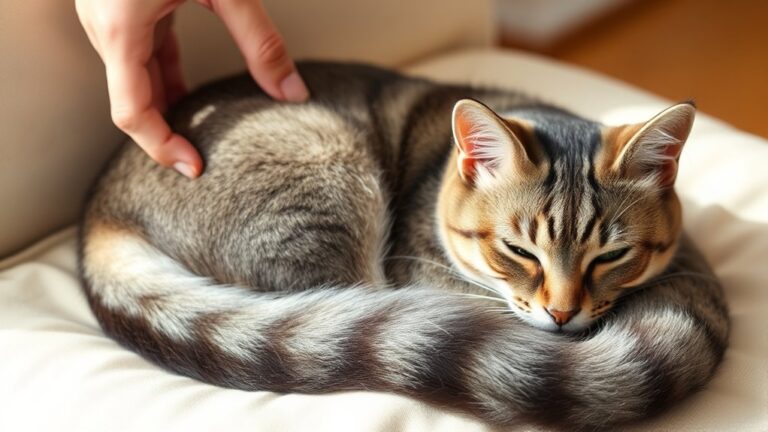
Understanding Cat Pet Dander: A Complete Guide
Are you a cat lover who struggles with allergy symptoms? You’re not alone—many people find it hard to enjoy their feline friends without sneezing, itchy eyes, or trouble breathing.
Cat pet dander consists of tiny skin flakes, saliva, and urine residues that become airborne and settle on surfaces. These particles are lightweight and can trigger allergy symptoms like sneezing, itchy eyes, or trouble breathing.
You can reduce exposure by cleaning regularly, using air purifiers, and grooming your cat. Understanding how dander affects allergies and ways to manage it can help you keep a safer home environment.
Keep exploring to find out effective strategies for managing cat allergies better.
Key Takeaways
- Cat dander is made up of tiny skin flakes, saliva, and urine residues that can become airborne or settle on surfaces, triggering allergies.
- Allergic reactions like sneezing, itchy eyes, and breathing issues happen when the immune system overreacts to dander proteins.
- Things like fur length, shedding habits, and seasonal changes can affect how much dander is in your home.
- Regular cleaning, grooming your cat, and using air purifiers can help cut down airborne dander and make the air cleaner.
- Setting up pet-free zones and sticking to a grooming routine are good ways to manage allergy symptoms.
What Is Cat Dander and Why Does It Matter?

Cat dander is made up of tiny skin flakes that cats shed as they groom themselves. These microscopic particles are part of what’s called dander, which also includes skin cells, saliva, and urine residues that stick to fur and surfaces.
Even though they’re small, these particles are important because they can trigger allergies in many people. When you come into contact with cat dander, your immune system might mistake these harmless particles for threats, leading to allergic reactions.
Understanding what cat dander is helps explain why it’s such a common allergen. It’s not just the fur that causes issues; the tiny skin flakes and proteins in saliva and urine are just as problematic.
Because these allergy triggers are lightweight and sticky, they easily become airborne and settle on furniture, clothes, and other surfaces. Knowing about what makes up dander highlights the importance of managing exposure, especially if you’re sensitive to cat allergens.
How Does Cat Dander Cause Allergies?
When your immune system encounters tiny particles like cat dander, it can react as if they are harmful invaders. Dander includes microscopic skin flakes, saliva residues, and urine proteins that stick to fur and surfaces.
Your immune system may mistake tiny particles like cat dander for threats, triggering allergic reactions.
These particles are lightweight and easily become airborne, so you can inhale them without even noticing. Once inhaled, your immune response kicks in automatically.
Your immune system mistakenly sees these harmless proteins as threats, releasing chemicals like histamines. This causes allergy symptoms such as sneezing, a runny nose, itchy eyes, and congestion.
Basically, your immune system overreacts as a way to protect you, but it ends up causing discomfort instead. The specific protein structures in dander are what your immune system recognizes as dangerous, even though most people aren’t affected.
That’s how the composition of cat dander directly triggers allergic reactions in sensitive individuals.
Recognizing the Signs of Cat Dander Allergies
If you have a cat at home or are around cats often, you might start noticing allergy symptoms like sneezing, itching, or watery eyes. It’s pretty common to react this way, so don’t be surprised if these symptoms pop up.
Pay attention to how quickly you start feeling these effects—that can vary from person to person. Some people notice symptoms within just a few minutes, while for others, it might take a few hours.
And if you experience severe signs like trouble breathing or if your symptoms stick around and don’t go away, it’s really important to see a doctor as soon as you can.
Common Allergy Symptoms
Recognizing the signs of cat dander allergies is key to managing your health and your pet’s well-being. Common allergy symptoms include sneezing, a runny or stuffy nose, itchy or watery eyes, and coughing.
You might also notice skin reactions like hives or rashes. These allergy triggers can cause fatigue or make asthma symptoms worse if you have respiratory issues.
Being aware of these signs helps you identify when your body reacts to dander and allows for better symptom management. Early detection means you can take steps to reduce exposure, like cleaning more often or using air purifiers.
Recognizing these symptoms quickly helps you stay comfortable and healthy while caring for your cat.
Allergic Reaction Timing
Understanding the timing of allergic reactions can help you better manage your symptoms and reduce discomfort. When exposed to cat dander, your allergy onset can vary: it might happen immediately or take a few hours.
Reaction duration also differs, lasting from minutes to several hours. To recognize the signs, consider these key points:
- You might notice symptoms within minutes of exposure, indicating a quick allergy onset.
- Symptoms can develop gradually over a few hours if the exposure is prolonged.
- The reaction duration can extend if you’re in frequent contact with cats.
- Symptoms typically resolve within a few hours after removing yourself from the allergen but may last longer if exposure continues.
Being aware of these timing patterns helps you anticipate and better handle allergy flare-ups.
Severity Indicators
When symptoms of cat dander allergies become noticeable, they often signal a more intense reaction. Recognizing the severity indicators helps you understand if your allergy is worsening.
Increased dander severity may cause persistent sneezing, itchy eyes, or a runny nose. You might also experience shortness of breath or wheezing, especially if allergy triggers are strong.
Skin reactions like rashes or hives can also indicate heightened sensitivity. If these signs occur regularly or get worse, it suggests your allergy is more severe.
Identifying these indicators allows you to take steps to minimize exposure and seek appropriate treatment. Paying attention to allergy triggers and how your body responds helps you manage symptoms effectively and avoid more serious health issues.
What Affects Cat Dander Levels in Your Home
Fur length and shedding are pretty big factors when it comes to how much cat dander is floating around in your home. If you have a long-haired or heavy-shedding breed, you might notice more dander around.
Cleaning habits also make a difference. Regular vacuuming and dusting can really help keep dander levels in check. When you stay on top of cleaning, you’re making it easier to maintain a healthier indoor air quality.
Fur Length and Shedding
Longer fur tends to shed more often and in larger amounts, which increases the amount of cat dander in your home. Fur types, like long versus short hair, also influence how much shedding happens and how often grooming is needed.
Breed differences matter too. Some cats shed heavily throughout the year, while others shed mainly during certain seasons. Regular grooming helps remove loose fur and reduce dander, especially for long-haired cats.
Shedding usually increases during seasonal changes, temporarily boosting dander levels. Poor health can cause abnormal shedding, which can raise both health concerns and allergen levels.
To manage shedding and dander, it’s important to understand how fur type and breed affect shedding, how grooming controls loose fur, and how seasonal changes can cause spikes in dander.
Household Cleaning Habits
Focus on surfaces made of materials that don’t trap dust easily, like plastic or tile. Avoid carpets or heavy upholstery, which tend to hold onto dander more. Pet-friendly cleaners and ventilation systems help improve air quality and minimize allergens.
Deep cleaning your home weekly, including vacuuming with a HEPA filter, is really important. Laundry routines should include washing pet bedding and grooming tools regularly to prevent dander from spreading.
Dust control is also key; wipe surfaces and furniture often. Using proper grooming tools can help reduce shedding and dander. Consistent cleaning creates a healthier environment for allergy sufferers and keeps pet dander levels manageable.
Practical Ways to Reduce Cat Dander Exposure
Reducing your exposure to cat dander involves practical steps you can take around your home. These actions help with dander reduction and boost allergy management.
Use HEPA air purifiers in common areas to trap airborne dander effectively. Designate specific spots for your cat to limit their access to bedrooms and furniture. Bathe your cat regularly with gentle, allergen-reducing shampoos to decrease dander shedding.
Keep your cat’s litter box clean and away from main living spaces to minimize dander spread. Implementing these measures reduces airborne allergens and minimizes contact with dander-covered surfaces.
Consistency is key. Regularly cleaning and maintaining these habits will improve allergy management and create a more comfortable environment. Remember, small, targeted actions can notably lessen dander levels and improve your quality of life.
Cleaning and Air Quality Tips to Minimize Dander
If you want to keep the dander down, one of the best things you can do is vacuum regularly using a HEPA filter. It really helps trap those tiny allergens and makes a big difference.
Air purifiers are also a great idea—they can improve the air quality in your home and reduce the amount of airborne dander. Plus, grooming your cat often and gently can keep dander levels lower around your house, making things more comfortable for everyone.
Regular Vacuuming Techniques
Regular vacuuming is key to reducing cat dander in your home, especially since it tends to settle on surfaces and fabrics. To make your cleaning more effective, set your vacuum to the highest suitable level for carpets and upholstery.
Use attachments like crevice tools and upholstery brushes to reach tricky spots. Here’s how you can improve your routine:
- Turn your vacuum to high power for a thorough clean.
- Switch between different attachments depending on the surface.
- Pay extra attention to areas with heavy fabric or pet bedding.
- Vacuum slowly in overlapping passes to pick up more dander.
Air Purifier Benefits
Air purifiers are a powerful tool in minimizing cat dander and improving indoor air quality. Choosing the right types, like HEPA filters, can effectively trap airborne pet allergens.
Regular maintenance is key to keeping your air purifier working well. This means replacing filters as recommended and cleaning vents regularly.
Proper upkeep prevents dander buildup and ensures your device runs efficiently. When used consistently, air purifiers help reduce airborne dander, making your home safer for allergy sufferers.
Place your purifier in common areas and bedrooms for the best results. Remember, an effective air purifier works best alongside regular cleaning and grooming routines.
Together, these steps provide cleaner air and help you breathe easier around your feline friends.
Effective Grooming Practices
Brushing your cat regularly removes loose fur and dander before it becomes airborne, greatly reducing indoor allergens. Use appropriate grooming tools like slicker brushes or combs to target loose hair and keep fur maintenance manageable.
Aim for a consistent grooming schedule—several times a week—to prevent mats and promote healthy skin. Proper grooming also improves fur quality and reduces the amount of dander shed.
To get the best results, choose gentle, suitable grooming tools for your cat’s coat type. Establish a routine to keep fur clean and healthy.
During grooming, check for skin issues like dryness or irritation and address them promptly.
Occasionally bathing your cat with a vet-recommended shampoo can help reduce dander buildup.
Effective grooming not only minimizes pet dander but also boosts your cat’s overall well-being.
Are Hypoallergenic Cats a Safer Choice?
Are hypoallergenic cats truly a safer choice for allergy sufferers? Many believe these breeds can eliminate allergies, but that’s a misconception. They do produce fewer allergenic proteins, but they don’t get rid of them entirely.
Your reaction depends on your individual sensitivity, not just the breed. Here’s a quick comparison:
| Trait | Hypoallergenic Breeds |
|---|---|
| Allergen levels | Lower, but not zero |
| Common breeds | Siamese, Balinese, Russian Blue |
| Allergy misconceptions | No breed is completely allergy-proof |
| Suitability | Better for mild sensitivities |
| Maintenance | Regular grooming helps reduce allergens |
In short, hypoallergenic cats can be a safer choice for some people, but they aren’t allergy-proof. Knowing these facts helps you make a more informed decision about sharing your home with a feline friend.
Tips for Managing Cat Allergies While Loving Your Pet
Loving your cat doesn’t have to mean suffering through allergy symptoms; with the right strategies, you can manage your sensitivities effectively. Start by creating pet-friendly spaces that limit exposure, like a designated room where your cat can relax without spreading pet dander.
Loving your cat can be allergy-friendly with the right strategies and dedicated pet-safe spaces.
Use allergy-friendly products such as HEPA air purifiers and allergen-proof covers on furniture and bedding to help reduce airborne dander. Regular cleaning is essential: vacuum with a HEPA filter, wash your cat’s bedding weekly, and wipe surfaces often.
Grooming your cat regularly can also decrease dander levels, especially if you wear a mask during baths or brushing. Here are four practical tips:
- Designate allergy-free zones in your home
- Invest in allergy-friendly cleaning products
- Maintain a consistent grooming schedule
- Use air purifiers to improve air quality
Implementing these steps helps you enjoy your feline companionship while minimizing allergy symptoms.
When Should You See a Doctor About Cat Allergies?
Knowing when to see a doctor for cat allergies is important for managing your health. If your symptoms get worse or don’t get better with home remedies, it’s time to seek professional help.
Watch for signs like persistent sneezing, trouble breathing, or swelling around your eyes. A doctor will evaluate your symptoms to find out if allergies are the cause. They can then discuss treatment options like medications or allergy testing.
Here’s a helpful table to understand your situation better:
| Symptom Severity | Duration | Impact on Daily Life |
|---|---|---|
| Mild, occasional | Less than a week | Slight inconvenience |
| Moderate, frequent | Several weeks | Disrupts routine |
| Severe, persistent | Over a month | Affects sleep, work, or social life |
| Emergency | Breathing difficulty or swelling | Seek immediate care |
If your symptoms fall into the last two categories, don’t wait—see a doctor promptly for the right treatment.
Key Strategies for a Dander-Reduced Home
Creating a dander-reduced home starts with simple, effective strategies that minimize allergens in your environment. Begin by establishing dander free zones in bedrooms and main living areas for allergy relief.
Next, pick furniture carefully: leather or vinyl pieces are better than fabric because they’re easier to clean and don’t trap dander. Regularly vacuum carpets and upholstery with a HEPA filter, and wash pet bedding weekly.
Keep your cat out of bedrooms and limit access to sensitive areas. Use air purifiers with HEPA filters to trap airborne dander and reduce allergens in the air.
Finally, consider bathing your cat regularly. This can significantly decrease the amount of dander present. These steps help create a healthier environment, making your home more comfortable for allergy sufferers and keeping your feline friend happy.
Frequently Asked Questions
Can Cat Dander Cause Asthma Symptoms in Sensitive Individuals?
Yes, cat dander can cause asthma symptoms if you’re sensitive to it. The tiny particles can act as triggers, irritating your airways and making you cough, wheeze, or have trouble breathing.
If you’re sensitive, being around cat dander might make your asthma worse. It’s important to do things like minimize contact, clean regularly, and use air purifiers.
Are There Specific Breeds With Inherently Lower Allergen Levels?
Imagine you’re donning a suit of armor in medieval times. Some cat breeds are naturally more hypoallergenic with lower allergen levels.
Hypoallergenic breeds like Siberian or Balinese cats tend to produce fewer allergen proteins, making them better for sensitive individuals.
While no breed is completely allergen-free, choosing these breeds can greatly reduce your exposure.
Your best bet is to spend time with the breed first to gauge your reaction before bringing one home.
How Long Does Cat Dander Stay Airborne After Cleaning?
Cat dander usually stays in the air for about 15 minutes to a few hours after cleaning. How long it stays depends on things like air circulation and humidity.
The dander in the air doesn’t last very long, but airborne particles can settle slowly over time. To cut down on exposure, make sure to ventilate the room well, use HEPA filters, and clean regularly.
Doing these things helps clear out airborne particles and can reduce allergic reactions.
Do Certain Foods or Supplements Help Reduce Allergy Symptoms?
Ever wondered if your diet can ease allergy symptoms? Certain foods and supplements, like quercetin, omega-3s, or local honey, may help reduce your allergic reactions.
Dietary interventions and natural remedies often support your immune system and lessen inflammation. While they won’t eliminate allergies, they can provide relief.
Have you tried adding these to your routine? Small changes might make a noticeable difference in how you feel around cats.
What Are the Long-Term Health Effects of Constant Dander Exposure?
Constant dander exposure can lead to persistent allergy symptoms, respiratory issues, and even asthma development over time. You might notice worsened lung function or chronic coughing if you don’t manage dander properly.
Prevention strategies like regular cleaning, air filtration, and minimizing contact help reduce long-term health risks. Staying proactive with these measures is key to protecting your health and avoiding potential complications from ongoing allergen exposure.
Conclusion
Living with cat dander doesn’t have to be a battle. By understanding what causes allergies and taking practical steps like regular cleaning and choosing hypoallergenic breeds, you can enjoy your feline friend without turning your home into a dusty castle of misery.
Remember, even in a world where knights fought dragons, managing cat allergies is about patience and strategy. With these tips, you’ll keep your love for cats while safeguarding your health.
Understanding cat pet dander is key to living comfortably. Implementing simple habits can make a big difference in reducing allergy symptoms.
So, don’t let cat dander hold you back from the joy of having a cat. With a little effort, you can create a healthier, happier home for both you and your feline companion.