What Signs Does My Cat Have: Allergies or Cold?
If you’re a cat owner, figuring out whether your feline friend has allergies or a cold can be confusing and worrying. Many people struggle with understanding their pet’s symptoms and what they mean. You’re not alone in wanting to keep your kitty healthy and comfortable.
To tell if your cat has allergies or a cold, look at their symptoms and how long they last. Cold symptoms like sneezing, runny nose, and watery eyes usually improve in a week or two.
Allergies cause itching, redness, hair loss, and often last longer, especially during certain seasons. Note if your cat is more tired or scratching a lot.
Keep watching for more tips to help you figure out what’s affecting your feline friend.
Key Takeaways
- Look for signs like itching, redness, or hair loss, which are common allergy symptoms, versus nasal discharge and sneezing that happen with colds.
- Pay attention to how long the symptoms last. Allergies tend to stick around longer and may happen during pollen seasons, while colds usually improve within one or two weeks.
- Notice if your cat seems less playful, tired, or has a fever. These can point to a cold, compared to frequent sneezing and skin irritation linked to allergies.
- Think about possible triggers like pollen, dust, or certain foods, which can cause allergies. Colds are caused by viral infections.
- If your cat’s symptoms last over a week, get worse, or include difficulty breathing, lethargy, or loss of appetite, see a veterinarian.
How Can You Tell If Your Cat Has a Cold or Allergies?
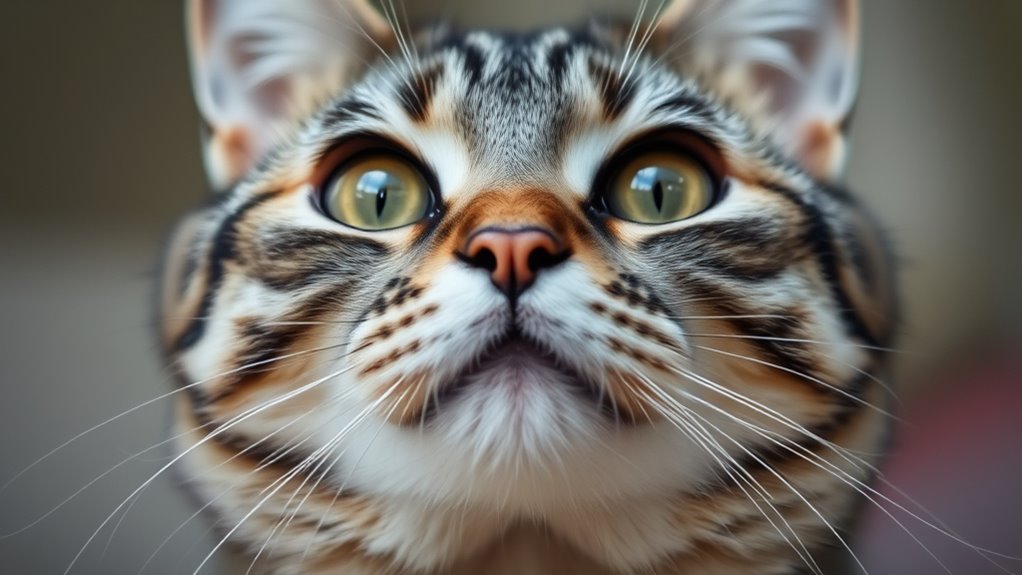
Wondering how to tell if your cat has a cold or allergies? The key is to watch their behavior and think about what’s happening around them.
Cats with a cold usually act a bit off—they might be less playful, more tired, or less interested in food. You might notice sneezing or nasal discharge too.
Allergies often cause itching, scratching, and sometimes hair loss because of skin irritation. Environmental stuff like pollen, dust, or mold can set off these reactions, especially if your home has recently changed or gotten dustier.
Allergies cause itching, scratching, hair loss, and are triggered by pollen, dust, or mold.
A cold tends to come on quickly and stick around for about a week. Allergies might last longer and get worse when the environment changes.
Pay close attention to these signs and what’s going on around your cat. This will help you figure out if they’re dealing with a cold or allergies and guide you toward the right care.
Common Symptoms of Cat Colds and Allergies
Knowing the common symptoms can help you distinguish between a cold and allergies in your cat. Both affect your cat’s health, but their signs can be a bit different.
With a cold, your cat might have a runny nose, sneezing, and watery eyes. You may also notice coughing or decreased activity.
Allergies often cause itching, redness, and hair loss from scratching. You might see sneezing and watery eyes too, but these usually last longer and aren’t accompanied by a fever.
Seasonal changes can trigger allergies, especially during pollen-heavy months, making symptoms stick around longer. Cold symptoms tend to come on quickly and get better in a week or two.
Knowing these signs helps you respond fast and seek vet care if needed. Paying attention to your cat’s behavior and symptoms is key to keeping them healthy during seasonal changes.
How Do Sneezing Patterns Differ Between Cold and Allergies?
How can you tell if your cat’s sneezing is due to a cold or allergies? Pay attention to sneezing patterns, especially how often they happen and how long each sneeze lasts. Cold sneezes tend to be less frequent but last longer, often with other signs like nasal discharge.
Allergy sneezes usually happen in quick, repeated bursts and stop quickly. They often occur several times a day and are accompanied by clear nasal discharge.
Think about how long the sneezing lasts. Cold symptoms can stick around for days with longer sneezing episodes. Allergies, on the other hand, cause rapid sneezing that comes and goes throughout the day.
Cold symptoms might also include a mild fever and lethargy. Allergies rarely cause a fever but can make your cat itchy or cause skin problems.
What Do Watery Eyes and Runny Noses Mean in Cats?
Watery eyes and runny noses in cats can be pretty common, but they’re usually signs that something’s going on. Sometimes it’s allergies, infections, or other respiratory issues. It’s like your cat’s way of trying to tell you something’s not quite right.
When you notice these symptoms, it’s a good idea to pay attention and see if there are any other changes in your cat’s behavior or health. Understanding what might be causing these signs can help you figure out if a trip to the vet is needed. After all, catching problems early can make a big difference in helping your feline friend feel better.
Causes of Watery Eyes
When your cat has watery eyes or a runny nose, it’s usually a sign that something is irritating their respiratory system. Common causes include allergy triggers and environmental factors that set off an immune response.
These irritants can be airborne, like dust, pollen, or smoke, or come from household items such as cleaning products and perfumes. Recognizing what’s causing it can help you manage your cat’s discomfort and prevent more serious issues.
Understanding the root causes might mean exposure to pollen or mold, dust or cigarette smoke, or strong cleaning agents. Changes in the household environment or pet dander from other animals can also be culprits.
Being aware of these factors helps you create a safer, allergen-free space for your feline friend.
Indicators of Respiratory Issues
If your cat’s eyes are watering or their nose is runny, it could be a sign they’re having respiratory issues. Keep an eye out for nasal congestion, which can make it hard for them to breathe comfortably.
They might breathe with their mouth open or seem to struggle when inhaling. These signs can indicate respiratory distress, especially if they’re sneezing, coughing, or acting more tired than usual.
Persistent watery eyes and a runny nose often point to infections, allergies, or a cold. If these symptoms stick around or get worse, your cat may need veterinary care to avoid complications.
Spotting these signs early helps ensure your cat gets the treatment they need to breathe easier and recover quickly.
Other Signs That Your Cat Might Be Sick or Allergic
You might notice that your cat isn’t eating or drinking as much as they normally do. That can sometimes be a sign that something’s not right, maybe an illness or an allergy. It’s one of those little clues that shouldn’t be ignored.
You might also see them acting more tired than usual or suddenly changing how active they are. These changes can be red flags that something’s off with their health. Paying attention to these signs early on can really help catch any issues before they get worse.
Changes in Appetite or Thirst
Changes in your cat’s appetite or thirst can be subtle but important signs that something’s off. You might notice your cat eating less or more than usual, or drinking considerably more or less water. These changes could point to dietary shifts, health issues, or allergic reactions affecting hydration.
Be on the lookout for:
- Reduced food intake
- Increased hunger or begging
- Less thirst and water drinking
- Excessive water consumption
- Sudden weight loss or gain
Keeping track of these signs helps you catch health problems early. Changes in appetite or thirst can be clues to underlying issues like allergies, infections, or other illnesses. Monitoring your cat’s eating and drinking habits allows for prompt veterinary care, helping them stay healthy and comfortable.
Unusual Lethargy or Activity
Alterations in your cat’s activity levels often come with other signs of illness or allergies, indicating something might be wrong. If your cat suddenly becomes very lethargic or shows a big drop in activity, that’s a red flag.
On the flip side, increased activity or restlessness can also mean your cat is uncomfortable or irritated. Behavior changes like hiding more than usual, refusing to play, or seeming disinterested are signs you shouldn’t ignore.
These shifts might be due to allergies or a cold, especially if paired with other symptoms like sneezing or nasal discharge. Keeping an eye on your cat’s activity and noting any changes from normal behavior can help you know when they need vet care.
Taking action quickly can make a big difference in helping them recover.
How Long Do Cold and Allergy Symptoms Last?
Cold and allergy symptoms can overlap, but their durations often differ. Typically, a cold lasts about 7 to 10 days, with a clear recovery timeline. Allergies, however, can stick around as long as you’re exposed to the allergen, sometimes lasting weeks or even months.
Knowing how long symptoms last helps you figure out if your cat’s condition is temporary or ongoing.
Understanding symptom duration helps determine if your cat’s condition is temporary or requires veterinary attention.
Consider these points:
- Cold symptoms usually improve within a week or two.
- Allergic reactions may linger until exposure stops.
- If symptoms last beyond two weeks, it could be something else.
- The duration can vary depending on your cat’s immune response.
- Tracking the timeline helps you decide if veterinary care is needed.
Understanding the difference in how long symptoms last guides your next steps, whether managing at home or calling the vet. Recognizing these differences is key to knowing your cat’s health status.
When Should You See a Vet About Your Cat’s Symptoms?
Wondering when it’s time to take your cat to the vet for symptoms like sneezing, coughing, or runny eyes? You should see a vet if these symptoms last more than a few days or get worse.
Recognizing serious signs is really important. If your cat is having trouble breathing, wheezing, or shows signs of lethargy, loss of appetite, or dehydration, you need to get veterinary help right away.
Also, keep an eye out for bleeding, persistent vomiting, or swelling around the face and eyes. These could be signs of a serious problem.
Don’t wait if your cat seems distressed or if symptoms don’t improve with basic care. Prompt veterinary attention can make all the difference.
Knowing when to see a vet helps ensure your feline friend gets the right diagnosis and treatment. Acting quickly can prevent minor issues from becoming more serious.
Trust your instincts—if something feels off, it’s better to be cautious and consult your vet sooner rather than later.
What Causes Allergies in Cats and How Are They Different From Colds?
You might notice your cat scratching, sneezing, or having other allergy symptoms, but figuring out what’s causing these signs is really important. Allergies in cats are usually triggered by things like pollen, dust, or certain foods, while colds are caused by viruses.
The tricky part is that the symptoms can look pretty similar, so knowing the differences can help you figure out what’s going on. Allergies tend to last longer and might come and go with exposure to the allergen, whereas colds usually run their course in about a week or two. Keep an eye out for other signs, like itchy skin or watery eyes with allergies, and more general symptoms like sneezing, nasal discharge, or a cough with colds.
If your cat’s symptoms stick around for a long time or seem to get worse, it’s a good idea to check in with a vet. They can help figure out whether it’s allergies or something else and recommend the best way to help your furry friend feel better.
Common Allergen Triggers in Cats
Cats can develop allergies when they’re exposed to certain substances, which trigger their immune system to react abnormally. Common allergen triggers include:
- Pollen exposure, especially during peak seasons
- Dust mites hiding in bedding and carpets
- Food sensitivities from specific ingredients
- Seasonal triggers like mold or pollen
- Environmental factors such as cigarette smoke or strong fragrances
- Flea allergies from bites
These allergens can cause symptoms like itching, sneezing, or watery eyes. Unlike colds caused by viruses, allergies happen because of an overactive immune response. Being aware of these triggers helps you minimize exposure and better understand your cat’s health. Recognizing these common triggers allows for more targeted management and reduces unnecessary discomfort for your feline friend.
Symptom Differences Explained
While allergies and colds in cats can look similar, their causes and symptoms are quite different. Allergy symptoms usually come from an overactive immune response to things like pollen or dust, making your cat react strongly.
This can cause itching, sneezing, or watery eyes that stick around or come back. On the other hand, colds are caused by a viral infection, and symptoms like sneezing, nasal discharge, and tiredness tend to come on suddenly.
Colds often come with a change in your cat’s behavior, like eating less or being less active. Allergies tend to cause more consistent signs linked to environmental factors, while colds are temporary and clear up as your cat’s immune system fights the virus.
Knowing these differences can help you respond better to your cat’s health needs.
Duration and Recovery Signs
The duration of allergy symptoms in cats usually lasts for weeks or even months if the allergen stays in their environment. Knowing how long symptoms can last helps you set realistic expectations for recovery.
Allergies tend to stick around unless you remove or manage the source, while colds usually get better within a week. Watch for signs like persistent itching, skin irritation, or sneezing that won’t go away—it could mean allergies.
Keep in mind that allergies last longer if your cat keeps exposed to the allergen. Cold symptoms typically improve in just a few days. Recovery from allergies might mean making changes to your home environment.
Cold recovery usually aligns with your cat’s immune response cycles. If symptoms stick around, it’s a good idea to explore allergy management options.
Knowing the difference between colds and allergies helps you support your cat’s health better and faster.
Tips for Managing Your Cat’s Allergies at Home
Managing your cat’s allergies at home involves creating a clean and allergen-reducing environment. Start by identifying potential allergens and minimizing exposure through environmental control. Use air purifiers to improve air quality and cut down on airborne irritants.
Incorporate natural remedies and dietary changes, such as hypoallergenic foods, to support your cat’s immune system. Regular grooming, like bathing and brushing, helps remove allergens from their coat and skin.
Stress reduction is also important because stress can make allergy symptoms worse. Provide a calm, safe space for your cat to help them feel secure. Make sure fresh water is always available to keep them hydrated, which helps flush out allergens and supports overall health.
Practicing allergen identification allows you to find and eliminate triggers more effectively. By keeping a clean environment and following these tips, you can help ease your cat’s allergy symptoms and make them more comfortable at home.
Preventive Measures to Reduce Cold and Allergy Risks in Cats
Taking proactive steps can really help lower your cat’s chances of catching colds or developing allergies. Start by regularly grooming your cat to remove dust, dander, and indoor pollen that can trigger sensitivities.
Keep your home clean by vacuuming often and washing your cat’s bedding to cut down on allergens. Good ventilation helps dilute airborne irritants and keeps the air fresh.
Limit your cat’s exposure to outdoor pollen during peak seasons by keeping windows closed or using air purifiers. During heavy pollen days, it’s best to keep your cat indoors to minimize allergen contact.
Also, keep an eye out for potential irritants in your environment and remove them quickly. This way, you create a safer, healthier space for your furry friend.
- Regularly groom your cat to reduce dander buildup
- Use HEPA air purifiers to filter indoor pollen and dust
- Keep windows closed during high pollen seasons
- Wash bedding and toys frequently
- Maintain a clean, well-ventilated living space
Frequently Asked Questions
Can a Cold Turn Into a Bacterial Infection in Cats?
Yes, a cold can turn into a bacterial infection in cats, especially if the viral infection weakens their immune system.
You should watch for worsening symptoms or new signs like pus or a foul odor, which indicate bacterial involvement.
Prompt veterinary care is essential for proper diagnosis and symptom management.
Early treatment can prevent complications, helping your cat recover quickly and avoid more serious health issues.
Are Certain Breeds More Prone to Allergies Than Others?
Some breeds are more prone to allergy symptoms because of their genetic makeup. You might notice that certain cats, like Siamese or Abyssinians, seem to react more visibly to environmental factors or allergens.
While no breed is completely immune, knowing this can help you spot early signs of allergies. Keep an eye out, especially if your cat belongs to a breed with increased sensitivity.
This way, you can seek veterinary advice promptly and ensure your cat gets the care it needs.
How Can I Differentiate Between a Sinus Infection and Allergies?
You can tell the difference between a sinus infection and allergies by looking at the symptoms. Allergies usually cause sneezing, itchy eyes, and clear nasal discharge. Sinus infections, on the other hand, often lead to thick nasal discharge, facial pain, and sometimes fever.
Treatment options are different too. Allergies might improve with antihistamines, while sinus infections may need antibiotics or supportive care. Watching your cat’s symptoms closely can help you figure out the right approach and know when to ask your vet for help.
Do Environmental Factors Influence My Cat’s Allergy Symptoms?
Yes, environmental factors really impact your cat’s allergy symptoms. Pollen, seasonal changes, dust mites, indoor pollutants, mold, and even certain foods can make their reactions worse.
When seasons change or indoor air quality drops, you might see more sneezing, itching, or watery eyes. Controlling these factors—like using air purifiers, cleaning often, and limiting outdoor time—can help ease your cat’s allergies and keep them more comfortable.
Is It Safe to Give My Cat Human Allergy Medications?
You shouldn’t give your cat human allergy medications because they can be unsafe and make feline allergies worse.
Over-the-counter risks are high since human medications aren’t made for cats, and incorrect doses can harm their health.
Always check with your veterinarian for safe medication options to manage allergy symptoms.
Protect your cat’s health by avoiding human allergy medicines and talking to a professional for safe, effective treatment.
Conclusion
By paying close attention to your cat’s sneezes, watery eyes, and overall behavior, you can gently guide them through their discomfort. Whether it’s a fleeting cold or a subtle allergy, your caring touch helps them feel safe and loved.
With patience and a watchful eye, you’ll navigate these little signs, easing their worries and brightening their days. Recognizing the difference between allergies and a cold is key to helping your cat feel better.
In time, comfort and health will softly return, whispering peace into your feline’s gentle world. Knowing the signs your cat has—whether allergies or a cold—can make all the difference.