Get Rid of Cat Allergies Naturally: 7 Remedies
Many cat owners know the struggle of dealing with allergies, feeling trapped between loving their pets and battling sneezing or itchy eyes. You’re not alone—many people struggle with this and are looking for ways to manage allergy symptoms naturally.
To naturally reduce cat allergies, regularly clean your home with a HEPA-filter vacuum, dust with a damp cloth, and use air purifiers to trap dander.
Groom your cat frequently with fine brushes to lessen allergens on their coat.
Consider adding natural remedies like quercetin or omega-3s to your diet. Establish cat-free zones, especially in bedrooms, to create safe spaces for relief.
Maintaining humidity levels and creating a healthier environment can make a big difference.
More tips to improve your comfort are just ahead.
Key Takeaways
- Regularly groom your cat with fine-bristled brushes or grooming gloves to reduce dander on their coat.
- Use HEPA air purifiers to capture airborne allergens and improve indoor air quality.
- Keep indoor humidity levels between 40-50% to limit dander dispersal and create a comfortable environment.
- Establish cat-free zones, especially in bedrooms, to minimize allergen exposure during sleep.
- Incorporate natural remedies like quercetin, omega-3 fatty acids, and local honey to help reduce allergy symptoms.
What Causes Cat Allergies and How to Recognize Them
Many people develop allergies to cats because of a protein called Fel d 1, which is mainly found in their skin cells, saliva, and urine. These allergen sources easily become airborne when cats groom, shed, or scratch.
Fel d 1 protein in cat saliva, skin, and urine triggers allergies by becoming airborne through grooming and shedding.
When you breathe in these tiny particles, your immune system reacts, mistaking Fel d 1 for something harmful. This can cause symptoms like sneezing, a runny nose, itchy eyes, and congestion.
Recognizing your allergy starts with paying attention to these reactions after being around cats. Some people also experience asthma symptoms or skin irritation.
Keep in mind, it’s not just the cat’s fur that causes problems. It’s the proteins they carry and shed into your environment.
Knowing that allergens come from saliva and skin cells helps you understand what’s causing your allergy. Being aware of your immune response to these triggers is key to managing or preventing reactions.
Simple Cleaning Tips to Reduce Cat Allergens at Home
Keeping your home clean is one of the best ways to cut down on cat allergens. Regular vacuuming helps remove pet dander from floors and furniture. Try to vacuum at least three times a week with a vacuum that has a HEPA filter to trap allergens effectively.
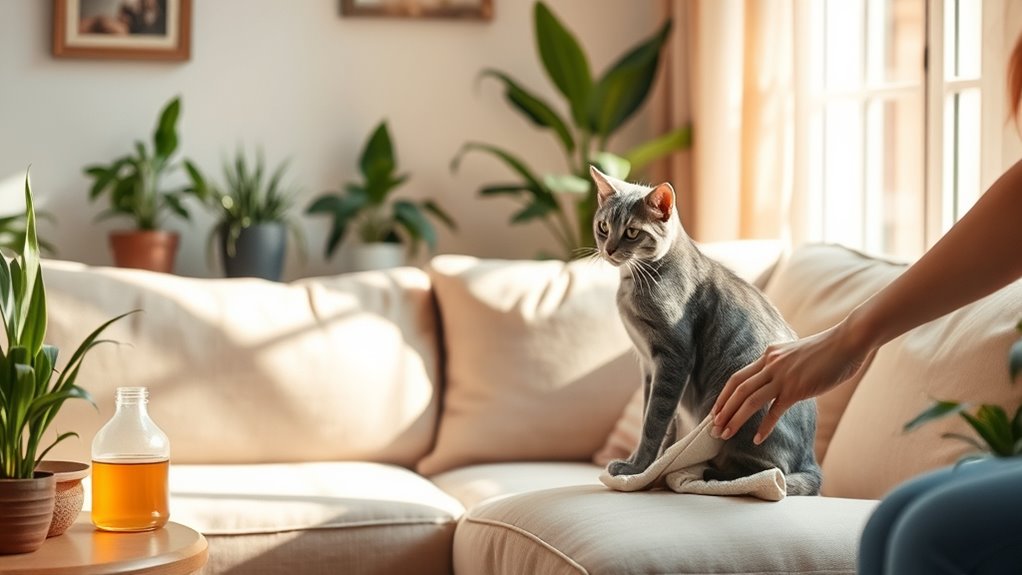
Pay extra attention to areas your cat spends most of its time. When cleaning furniture, think about the material—washable fabrics like microfiber or leather are easier to keep allergen-free than plush or carpeted surfaces.
If you have upholstered furniture, vacuum and dust it often. You might also consider using slipcovers that can be washed regularly. Hard surfaces like wood or tile are easier to clean thoroughly and help reduce allergen buildup.
Don’t forget to dust and wipe surfaces regularly with a damp cloth. This helps prevent dander from settling. Staying consistent with cleaning and choosing easy-to-maintain furniture can really make a difference for a healthier home.
How Air Purifiers Can Help You Breathe Easier
Air purifiers are great for helping you breathe easier, especially if you have pets. They can really cut down on pet dander floating around in the air, which is a big relief for allergy sufferers.
Plus, they help reduce all kinds of allergens inside your home, making the space healthier overall. When your indoor air quality improves, it gets a lot easier to breathe comfortably—especially around your cat.
Removes Pet Dander Effectively
Pet dander often lingers in the air, triggering allergic reactions even when your cat isn’t nearby. Air purifiers with HEPA filters are great at removing dander by capturing tiny particles that cause allergies.
These devices can significantly reduce airborne allergens, making your living space safer and more comfortable. By actively filtering the air, air purifiers help you breathe easier and prevent allergen buildup.
Using an air purifier regularly ensures pet dander doesn’t settle on furniture or surfaces, helping with allergen reduction. Keep your air clean and allergen-free, especially if you’re sensitive to pet dander.
Investing in a quality purifier is one of the best ways to manage pet allergies naturally and improve your indoor air quality overall.
Reduces Allergens in Air
When you use an air purifier with a HEPA filter, it actively captures airborne allergens like pet dander, pollen, and dust mites, making the air you breathe much cleaner. This improves your air quality by reducing the amount of allergens floating around your living space.
With regular use, the purifier helps keep allergen levels down, making it easier to breathe and reducing allergy symptoms. It’s especially helpful in spaces where cats are around, as it targets particles that often trigger reactions.
Enhances Indoor Air Quality
Using an air purifier with a HEPA filter not only captures airborne allergens but also greatly improves the overall quality of your indoor environment. It filters out dust, pet dander, and other particles that can worsen allergy symptoms.
Enhanced air quality makes breathing easier, especially if you keep home plants that naturally improve air but can also release allergens or mold if not properly maintained. An air purifier helps create a cleaner, healthier space by reducing pollutants and allergens circulating in the air.
This means you’ll experience fewer allergy triggers, fewer sneezes, and less congestion. Combining an air purifier with regular cleaning and proper plant care upgrades your indoor environment, making it more comfortable and safer for allergy sufferers.
Grooming Your Cat: Best Practices for Allergy Relief
Regular grooming can significantly reduce allergens on your cat’s coat, making a noticeable difference in allergy symptoms. Use the right grooming tools, like a fine-bristled brush or a grooming glove, to help remove loose hair and dander.
Consistent brushing is key. Aim for daily sessions to prevent dander buildup. Brush gently to avoid stressing your cat and to ensure thorough removal of loose hair.
Focus on areas where dander tends to gather, like the back, underbelly, and around the face. Keep grooming sessions short and positive, offering treats to make it a pleasant experience.
Regular grooming not only minimizes allergens but also promotes a healthy coat and skin. Remember, the goal is to reduce dander shed into your environment so you can breathe easier and enjoy your time with your feline friend without allergy issues.
Natural Remedies and Supplements to Ease Allergy Symptoms
Natural remedies and supplements can offer effective relief from cat allergy symptoms without needing harsh medications. Herbal supplements like butterbur, quercetin, and stinging nettle are known for their anti-inflammatory and antihistamine properties, helping to reduce allergy symptoms naturally.
Incorporating dietary changes can also make a difference. Eating foods rich in omega-3 fatty acids, such as salmon and flaxseeds, can help lessen inflammation. Avoid processed foods and dairy, which might worsen congestion.
You might also consider adding local honey to your diet, as it could help your immune system adapt to allergens over time. Supplements like vitamin C can boost your immune response and act as a natural antihistamine.
Environmental Changes to Minimize Allergen Exposure
To reduce your exposure to cat allergens, focus on making targeted environmental changes in your home. Start by allergen-proofing your space to limit pet dander spread.
Use HEPA filters in your HVAC system and vacuum regularly with a HEPA-filter vacuum cleaner to trap allergens. Keep indoor humidity levels between 40-50%, as higher humidity promotes dander buildup and mold growth, which can worsen allergies.
Consider using dehumidifiers in damp areas like basements. Create cat-free zones, especially in bedrooms, to reduce allergen exposure while sleeping. Wash your hands after handling your cat and avoid letting them sleep on furniture or beds.
Regularly clean and dust surfaces to prevent dander buildup. These environmental adjustments help minimize allergen levels, making your living space more comfortable and reducing allergy symptoms naturally.
When to Talk to Your Doctor About Cat Allergy Management
Wondering when it’s time to see a doctor about your cat allergies? If your symptoms get worse even after trying natural remedies and environmental tweaks, it’s a good idea to consult a healthcare professional.
Start tracking your symptoms to spot patterns and triggers. This can help your doctor recommend personalized treatment options.
If you experience ongoing sneezing, wheezing, or trouble breathing, don’t wait to seek medical advice.
Also, if allergy symptoms interfere with your daily life or sleep, it’s time to get professional help.
Your doctor can evaluate whether medications like antihistamines, nasal sprays, or allergy shots are right for you.
Remember, managing allergies isn’t just about avoiding triggers. It’s also about using effective treatment strategies.
Regular check-ins and symptom tracking ensure your plan stays effective and safe.
This helps you find relief and improve your quality of life.
Frequently Asked Questions
Can Certain Cat Breeds Be Less Allergenic?
Yes, some cat breeds are less allergenic. You might want to look into low shedding or hypoallergenic cats, which produce fewer allergens like dander and saliva.
Breeds like Siamese, Sphynx, or Russian Blue tend to trigger fewer allergic reactions. While no cat is completely allergy-free, choosing these breeds can help you manage your symptoms better.
This way, you can enjoy the companionship of a feline without your allergies becoming overwhelming.
Are There Specific Foods That Reduce Allergy Symptoms?
Sure, munching on immune-boosting foods and sticking to anti-inflammatory diets might just be your new secret weapon against allergy symptoms.
Think berries, leafy greens, and turmeric—foods that whisper, “Hey, I can help!” As you indulge, your immune system gets a gentle boost, and inflammation takes a back seat.
Do Air Purifiers Eliminate All Types of Cat Allergens?
Air purifiers notably improve air filtration efficiency, but they don’t eliminate all types of cat allergens. They mainly target airborne allergen sources like dander, pollen, and dust mites.
However, allergens trapped in furniture, carpets, or on surfaces remain. To reduce allergy symptoms, combine air purifiers with regular cleaning, vacuuming with HEPA filters, and maintaining good ventilation.
This thorough approach helps lessen allergen exposure effectively.
Can Herbal Remedies Fully Replace Allergy Medications?
Herbal remedies can’t fully replace allergy medications because their effectiveness varies and isn’t guaranteed. While natural options like herbs might help reduce symptoms and boost your immune system, they usually don’t have the consistent strength of conventional medicines.
You might find relief with herbal remedies, but it’s smart to use them alongside allergy medications to manage your allergies thoroughly. Always check with a healthcare professional before changing your treatment plan.
How Long Does It Take to See Allergy Relief After Natural Treatments?
You might start noticing allergy symptom relief within a few days to a few weeks after beginning natural treatments. The allergy symptom timeline varies based on the remedy and your body’s response.
Keep in mind that natural treatment effectiveness differs from person to person. Some people find quick relief, while others need more time.
Consistency is key, and patience helps ensure you see the best results from your natural approach.
Conclusion
By following these natural remedies, you can significantly reduce your cat allergy symptoms and enjoy a more harmonious home. Regular cleaning and proper grooming can cut allergen levels by up to 50%, making a big difference.
Taking proactive steps like using air purifiers and making environmental changes helps you breathe easier and live comfortably alongside your feline friends. With consistent effort, managing cat allergies naturally is not only possible but also effective.