Mastering the Pet Your Cat Game: A Step-by-Step Guide
Many cat owners struggle with figuring out how to pet their feline friends without causing stress or discomfort. You’re not alone—getting it just right can be tricky, but with some simple tips, you can turn petting into a bonding experience.
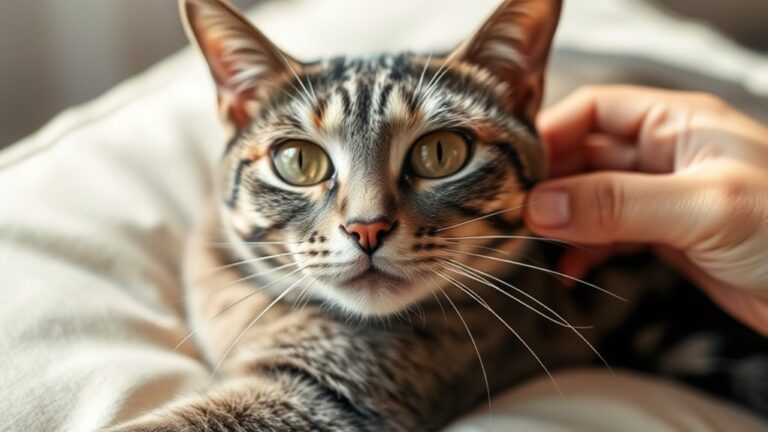
To master petting your cat, start by observing their body language to see when they’re comfortable or signaling stress. Focus on preferred spots like the head and chin, using gentle, slow strokes.
Respect their signals to leave them alone or avoid overstimulation, and build trust through consistent, positive interactions.
Incorporate play to strengthen your bond and introduce new routines gradually. If you keep paying attention to their cues, you’ll uncover how to make every petting session enjoyable for both of you.
Key Takeaways
- Learn to read your cat’s body language to spot when they’re comfortable, stressed, or overstimulated.
- Focus on petting areas like the head, chin, and neck with gentle, slow strokes.
- Watch for signs that your cat wants to be left alone or is getting overstimulated.
- Build trust through consistent, positive interactions that include play and gentle petting.
- Introduce new routines slowly and look for signs that your cat is ready to cuddle.
How to Read Your Cat’s Body Language Before Petting
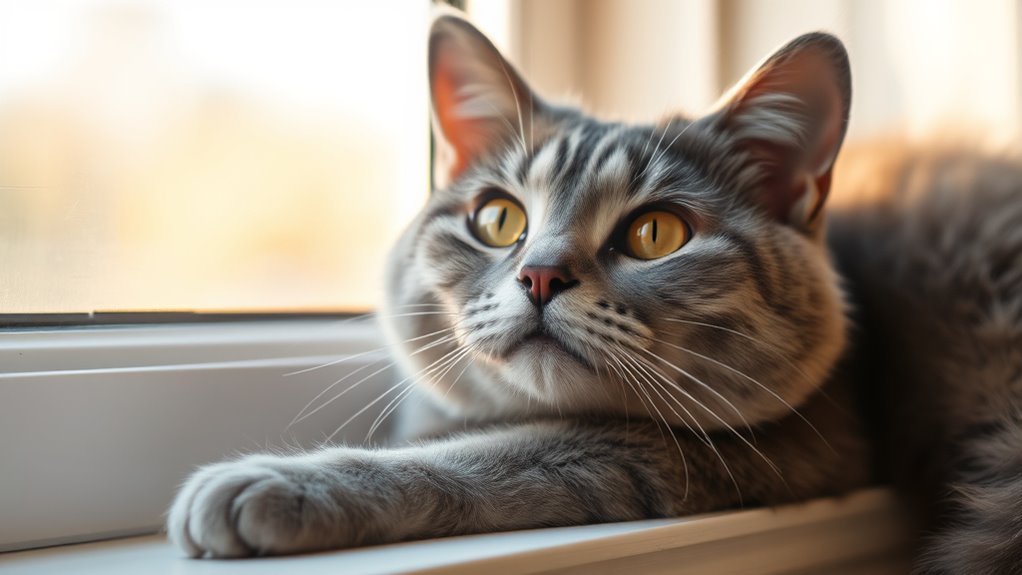
Understanding your cat’s body language is key before you start petting. Cats share a lot through their posture cues and tail movements.
If your cat approaches with a relaxed body, ears facing forward, and a gently swaying tail, she’s comfortable and open to interaction.
But if she stiffens, flattens her ears, or tucks her tail close to her body, she’s probably feeling threatened or anxious.
Watch her tail: a puffed-up tail means fear, while a slowly flicking or lashing tail shows irritation or agitation.
A relaxed, loosely held tail signals contentment.
Pay attention to these signals to see if she wants to be touched or prefers to stay alone.
Always look at her overall body language, not just her tail, to know if she’s receptive.
Reading these cues correctly helps you create a positive and respectful petting experience.
Where Are the Best Spots to Pet Your Cat?
Looking for the best spots to pet your cat? Well, you’ll want to focus on the areas they love the most, like their head, chin, or the back of their neck. These spots are usually safe and enjoyable for them to be touched.
But just a heads up—try to avoid sensitive areas like their belly or paws. Those can sometimes make your kitty uncomfortable. Keep an eye on how they react, so you know if they’re happy or if you should stop. The key is to make petting a safe and fun experience for your furry friend!
Favorite Spot Areas
Cats have favorite spots where they crave your touch, making it easier to bond and keep them happy. These areas often have favorite textures, like soft fur or gentle bumps, which appeal to their sense of comfort.
Typically, cats prefer being petted on their cheeks, chin, and along the back, especially in spots with smooth or velvety fur. Pay attention to their preferred times—many cats enjoy petting when they’re relaxed or winding down, rather than during high-energy moments.
Avoid Sensitive Zones
While focusing on your cat’s favorite spots can strengthen your bond, it’s just as important to recognize areas they prefer to avoid. Sensitive areas like the belly, paws, or tail base can trigger discomfort or agitation if touched.
Using gentle petting techniques around these zones is essential. Start slow and watch your cat’s reactions. If they tense up or try to move away, respect their boundaries and stop petting those areas.
Avoid applying pressure or petting too vigorously on sensitive zones, as this can cause stress or even injury. Instead, focus on areas your cat enjoys, such as the head or cheeks.
Being mindful of sensitive zones helps prevent negative experiences and builds trust between you and your feline friend.
Observe Cat Reactions
Noticing how your cat reacts when you pet them is key to figuring out their favorite spots. Pay attention to their vocalizations—purring, meowing, or gentle head butts often show they’re comfortable and happy.
Watch their body language; relaxed muscles and leaning into your touch mean you’re doing well. Every cat is different, so some prefer gentle strokes on the head or chin, while others like scratching behind the ears or along the back.
If your cat shifts away, fluffs their tail, or tenses up, you’ve probably hit a sensitive spot. By paying close attention to these reactions, you can customize your petting to what your cat enjoys most, helping build trust and a stronger bond.
How to Recognize When Your Cat Wants to Be Left Alone?
Cats usually let us know when they want some alone time by avoiding us or finding a cozy hiding spot. You might notice them slipping away or curling up somewhere quiet. It’s their way of saying, “I need a little space right now.”
Pay close attention to their body language too. Flattened ears or a twitching tail are good signs they’d rather be left alone. When you see these signals, it’s best to give them some room. Respecting their boundaries helps keep them feeling safe and stress-free.
Recognizing Avoidance Behaviors
Sometimes, your feline friend signals they need space through subtle behaviors that can be easy to overlook. Recognizing avoidance behaviors is key to understanding cat communication and managing feline stress.
When your cat wants to be left alone, they might retreat to a quiet corner, turn away, or avoid eye contact. You may notice they stop engaging or seem uninterested in interaction.
Sometimes, they might flatten their ears, flick their tail, or give quick, sharp movements—clear signs of discomfort or a desire for solitude. These avoidance cues aren’t always obvious, but paying close attention helps you respect their boundaries.
Monitoring Body Language
Monitoring your cat’s body language is key to understanding when they want to be left alone. Cats use body signals to show how they’re feeling, and catching these cues helps prevent unwanted interactions.
If your cat’s ears are flattened or they’re arching their back, it’s a sign they’re stressed or overwhelmed. A twitching tail or rapid blinking can also mean they’re uncomfortable or irritated.
When your cat starts avoiding eye contact, hunches their body, or moves away, they’re signaling they want some space. Paying attention to these signals helps you respect their boundaries and avoid causing stress.
Tips for Gently Petting Your Cat Without Causing Stress
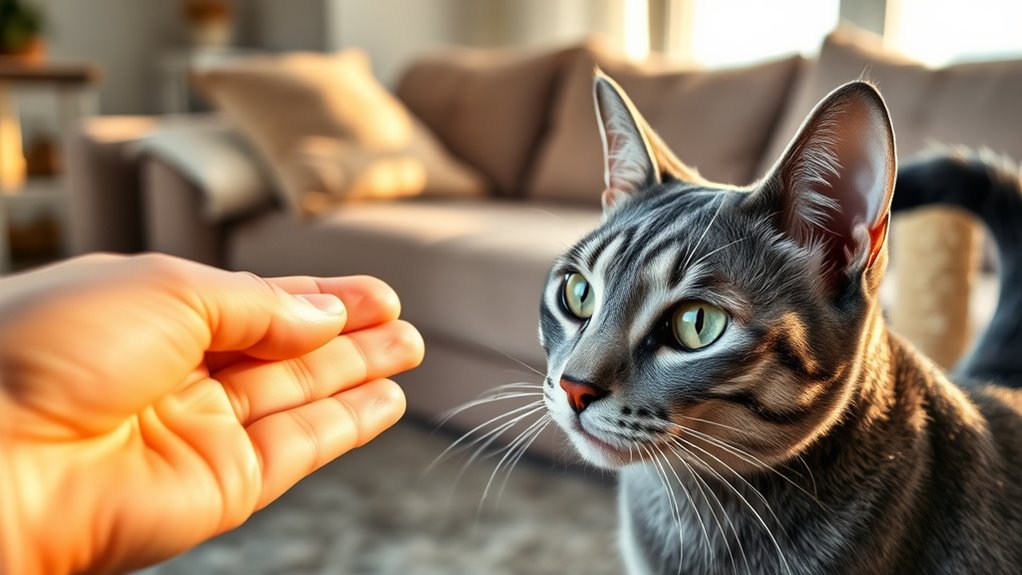
To pet your cat without causing stress, it’s important to pay close attention to their body language and signals. Use gentle techniques, like soft strokes and slow movements, so you don’t startle them.
Watch how they respond; if they lean in or purr, you’re doing well. If they twitch, flatten their ears, or pull away, respect their boundaries and stop. Creating a calming environment helps, so keep the space quiet and free of sudden noises.
Start by petting areas most cats enjoy, like the base of the ears or under the chin. Always approach gradually and let your cat come to you first. Keep your touch light and consistent, and pay attention to how they react.
How Consistent Touch Builds Trust With Your Cat
Consistent touch is a great way to help your cat feel safe and build trust with you. When you regularly interact with your cat in a gentle way, it creates a sense of familiarity that they can rely on.
Establishing Routine Interactions
- Schedule regular play sessions with interactive toys to help your cat build positive associations.
- Use treats or praise to reward calm behavior during petting, encouraging good habits.
- Keep touch patterns predictable so your cat knows what to expect, making them feel more secure.
- Gradually extend interaction times as your cat becomes more comfortable with handling.
Recognizing Cat Comfort Signs
Recognizing your cat’s comfort signs is key to building trust through touch. When your cat feels relaxed, you’ll notice gentle purring sounds that show they’re content.
Pay attention to their tail: a relaxed, softly flicking tail means they’re comfortable, while a puffed-up tail signals fear or agitation.
If your cat leans into your touch or nuzzles your hand, those are clear signs they enjoy your interaction.
On the other hand, if they move away or twitch their ears, it’s a cue to stop and give them space.
Consistent observation helps you understand their signals, making sure your touches are gentle and welcomed.
Building trust depends on reading these cues right so your cat feels safe and secure during every interaction.
Common Mistakes That Make Cats Uncomfortable When You Pet Them
Many pet owners unknowingly make their cats uncomfortable by using petting techniques that don’t match their feline’s preferences. Common mistakes include missing signs of discomfort or being too rough.
Try not to rush petting sessions without watching for your cat’s cues. Focus only on areas like the back or head and ignore sensitive zones. Applying too much pressure or petting too vigorously can also upset your cat.
Overstimulation can lead to sudden bites or scratches, so watch for signs like tail flicking, flattened ears, or tense body language. These signals mean your cat is uncomfortable.
Instead of sticking to standard techniques, pay attention to how your cat reacts. Adjust your approach accordingly to build trust and avoid stress. Patience and awareness are key to a positive, respectful bond through petting.
Using Play and Petting to Strengthen Your Bond
Engaging your cat in play alongside gentle petting can really strengthen your bond, making interactions more enjoyable for both of you. Playful activities help your cat associate you with positive experiences.
Use toys like feather wands or laser pointers to encourage active engagement, then follow up with soft petting to calm and comfort. These activities build trust and deepen your connection, as your cat learns to see you as a source of fun and affection.
When you combine play and gentle petting, you’re catering to your cat’s natural instincts, making the experience more fulfilling. Watch for your cat’s responses—stop if they seem overstimulated—and keep sessions short and positive.
Consistent play and affectionate petting help develop a strong, trusting relationship. This makes future petting sessions even more enjoyable and helps your cat feel safe and loved.
Signs Your Cat Is Overstimulated or Uncomfortable
Have you noticed your cat suddenly pulling away, twitching its tail, or flattening its ears? These are common signs that your cat is overstimulated or uncomfortable and needs a break. Recognizing these cues helps prevent stress and unwanted behavior.
Cats pulling away, tail twitching, or ears flattening signal overstimulation—time to give them a break.
Here are some key signs to watch for:
- Rapid tail flicking or lashing
- Flattened ears pressed against the head
- Dilated pupils or wide eyes
- Sudden biting, swatting, or scratching
These behaviors usually mean your cat is overwhelmed or feeling uneasy. It’s important to stop petting immediately when you see these signs. Ignoring them can lead to aggression or withdrawal.
How to Introduce New Petting Routines Smoothly
Once you’ve learned to recognize when your cat is overstimulated or uncomfortable, you can start introducing new petting routines gradually. Use gentle, consistent strokes with familiar techniques to build trust.
Keep sessions short and watch your cat’s reactions closely. If your cat seems relaxed, you can slowly extend the time or try new areas like behind the ears or under the chin with gentle exposure.
Don’t rush—let your cat set the pace. Incorporate positive reinforcement, like treats or soothing words, to create good associations with the new routines.
Over time, your cat will become more comfortable with different kinds of touch. Remember, patience is key—building confidence takes time and respecting your cat’s comfort level.
Transitioning From Petting to Cuddling: What to Expect
How can you tell when your cat is ready to move from simple petting to cuddling? Look for subtle signs of comfort, like relaxed body language or leaning into your touch. Once your cat starts seeking your company more intentionally, it’s a good time to try cuddling tips to strengthen your bond.
Watch for relaxed body language and intentional seeking to know when your cat is ready to cuddle.
Here are some clues to watch for:
- Your cat initiates contact by nudging you or sitting nearby.
- They relax completely, exposing their belly or side.
- They purr softly when you’re petting them, showing they’re content.
- You notice slow blinking, which is a sign of trust in cat communication.
Frequently Asked Questions
How Often Should I Pet My Cat Daily?
You should pet your cat several times a day, around 2-3 sessions, depending on their mood and behavior.
Pay attention to their cues—if they lean into your hand or purr, they’re enjoying the petting.
Use gentle techniques and avoid sensitive areas like the belly or tail.
Regular petting helps strengthen your bond, but always respect your cat’s preferences.
Stop if they show signs of discomfort to keep things positive.
Can I Pet My Cat Too Much?
Yes, you can pet your cat too much, which might lead to overstimulation or stress.
Pay close attention to your cat’s behavior and petting boundaries. Some cats love frequent affection, while others prefer less interaction.
Watch for signs like tail flicks, skin twitching, or them moving away.
Respect your cat’s cues to keep petting enjoyable and not overwhelming.
This helps ensure your petting stays positive and builds a healthy, trusting relationship.
What if My Cat Scratches or Bites During Petting?
When your cat scratches or bites during petting, think of it as a warning sign—like a red flag waving. Scratching is often caused by overstimulation, while biting means your cat is uncomfortable or annoyed.
You should pause and observe your cat’s body language. Give them space if you notice signs like a flicking tail or flattened ears.
Respect their signals to build trust and avoid things escalating. It’s all about paying attention and knowing when to back off.
How Do I Tell if My Cat Is Genuinely Enjoying the Petting?
You can tell your cat is genuinely enjoying petting if you notice purring signals and relaxed body language. A content cat will often knead, have soft eyes, and gently lean into your touch.
Watch for a loose, relaxed posture and avoid tense muscles or swatting. When your cat shows these signs, it means they’re comfortable and happy.
This makes petting a positive bonding experience for both of you.
Are There Specific Toys That Enhance Petting Sessions?
Yes, specific toys can make your petting sessions even better. Interactive toys that spark your cat’s curiosity and hunting instincts, like wand toys or laser pointers, make the experience more fun.
Using these toys along with gentle petting techniques can help stimulate and reward your cat’s interest. Play, pet, and repeat—building a cycle of trust and enjoyment.
These tools and techniques help deepen your bond, turning simple petting into a lively, engaging activity for both of you.
Conclusion
Mastering your cat’s petting game might feel like trying to tame a wild beast, but with patience and practice, you’ll build a bond stronger than steel.
By understanding their body language, respecting their boundaries, and using gentle touches, you’ll turn moments of petting into treasured memories.
Soon, you’ll be sharing a connection so deep, it’ll feel like you’re communicating in a secret language only you and your feline friend understand.
It’s truly a bond of legend!