10 Places Not to Pet Your Cat
Many cat owners struggle with figuring out the best way to pet their feline friends without causing discomfort or stress. You’re not alone—knowing where not to pet your cat is just as important as knowing where they love to be touched.
You should avoid petting your cat’s belly, paws, and face, as these are highly sensitive areas that can cause discomfort or defensive reactions. The chest and underarms are also delicate zones that might make your cat uncomfortable if touched unexpectedly.
Respect your cat’s boundaries by noticing their body language and steering clear of spots that seem to trigger stress or aggression.
Want to understand more about keeping your cat happy and relaxed? Keep exploring these tips for safe, respectful petting.
Key Takeaways
- Avoid petting the belly or tummy because cats see this area as vulnerable and might react defensively.
- Refrain from touching the paws and feet to prevent discomfort and defensive responses.
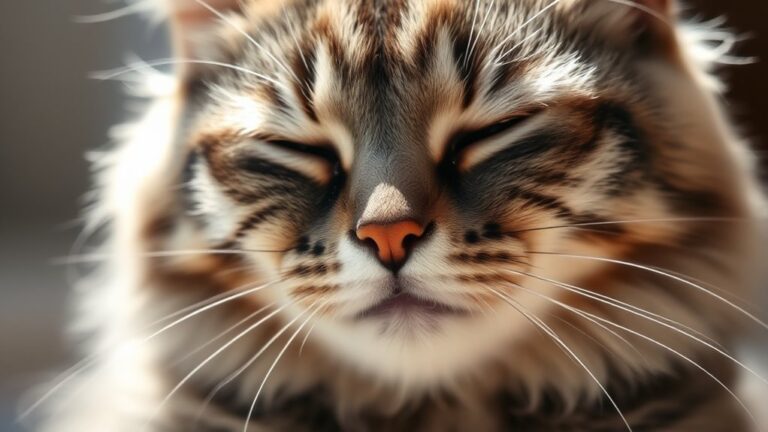
- Don’t pet the face or head directly without checking if your cat shows signs of discomfort or respecting their personal space.
- Steer clear of sensitive chest and underarm areas, which can cause stress or twitching when touched unexpectedly.
- Skip areas where the cat shows signs of stress or aggression, like tail flicking, flattened ears, or puffed-up fur.
Why Some Parts of Your Cat’s Body Are Sensitive to Petting
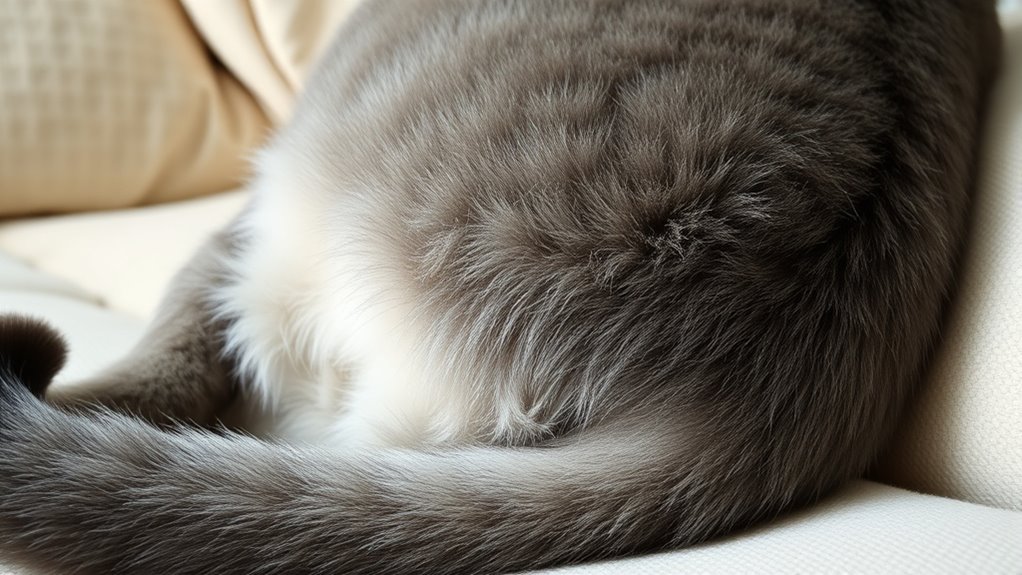
Some parts of your cat’s body are sensitive because they have a higher concentration of nerve endings, making them more prone to discomfort or overstimulation. This explains why areas like the face, ears, paws, and tail often get strong reactions.
Your cat’s risk of sensory overload increases if it hasn’t been properly socialized, meaning it might not be used to handling or touch in these zones. Understanding these sensitivities helps you build trust by respecting boundaries rather than forcing petting where it’s unwelcome.
Unsocialized cats may avoid touch; respecting their boundaries builds trust and comfort.
When you approach your cat’s sensitive areas gently and watch its reactions, you create a sense of safety. Recognizing the natural layout of nerve endings and how socialization affects your cat’s comfort helps you avoid causing stress.
This mindful approach improves your bond, making interactions more positive and reinforcing your cat’s trust in you.
Avoid Petting Your Cat’s Belly and Tummy Areas
Many cats are especially sensitive about their bellies and tummies, so these areas can be risky to pet. Belly petting and tummy touching might trigger defensive reactions, even if your cat usually enjoys being petted elsewhere.
Cats often see their bellies as vulnerable, so sudden movements or trying to touch the tummy can lead to scratching or biting. It’s best to respect your cat’s boundaries and avoid this area altogether.
| Do’s | Don’ts |
|---|---|
| Observe your cat’s body language | Force belly petting or tummy touching |
| Gradually introduce touch | Rush or surprise your cat |
| Use gentle, slow strokes | Touch the belly if your cat shows signs of discomfort |
| Respect signs of discomfort | Overstep boundaries or ignore cues |
| Focus on preferred petting spots | Assume all cats enjoy belly petting |
Why Cats’ Paws and Feet Should Be Off-Limits
Cats’ paws and feet are sensitive areas that should generally be off-limits when it comes to petting, as they can trigger defensive reactions.
Understanding paw anatomy shows that these areas have many nerve endings, making them very tactile and delicate.
When you touch a cat’s paws, you might unintentionally cause discomfort or stress, which can lead to defensive behaviors like scratching or pulling away.
Cats use their paws for important activities like hunting, climbing, and grooming, so they tend to guard these areas closely.
Petting their paws can feel invasive and might threaten their sense of safety, especially if they aren’t used to being handled there.
Respecting their boundaries helps build trust and prevents unwanted reactions.
Even the calmest cats may react defensively if you interfere with their paws, so it’s best to avoid petting or handling them in this sensitive area altogether.
How to Respect Your Cat’s Head and Face Boundaries
When it comes to your cat’s head and face, it’s really important to pay attention to their comfort levels. Cats can be pretty sensitive about their personal space, so watching for signs that they’re uneasy is key. If you notice them backing away or flattening their ears, it’s a good idea to give them some space.
When you do want to pet them, try to use gentle touches and approach them slowly. Rushing in or being too rough can easily startle your cat, which isn’t what you want. Always respect their boundaries—if they show any signs of discomfort, it’s best to back off and give them some time. Remember, building trust is all about respecting their personal space and letting them feel safe around you.
Recognize Cat’s Comfort Levels
Understanding your cat’s comfort levels with head and face interactions is key to building trust. Pay attention to their body language to get a sense of how they’re feeling.
If your cat leans into your hand or nuzzles you, they’re feeling comfortable and open to affection. But if they flatten their ears, flick their tail, or turn their head away, they’re signaling discomfort.
Keep in mind that every cat is different. Some enjoy gentle head touches, while others prefer minimal contact. Respect their boundaries by watching for these cues and not forcing interactions.
A relaxed posture and slow blinking are signs of contentment. On the other hand, stiff body language shows they might not be receptive right now.
Use Gentle Touches
Building trust through gentle touches is key when approaching your cat’s head and face. Use soft, gradual strokes to avoid startling them. Respect their favorite spots, like the forehead or cheeks, but steer clear of sensitive areas such as the eyes, ears, or nose.
Pay attention to their reactions; if they pull away or flatten their ears, stop immediately. Gentle strokes help your cat feel safe and build a positive association with your touch. Remember, patience is essential, and consistency reinforces trust.
| Area | Recommended Action | Avoid |
|---|---|---|
| Forehead | Gentle strokes | Sudden or firm touches |
| Cheeks | Soft, repeated strokes | Rough handling |
| Ears | Light, cautious touches | Grabbing or tugging |
| Nose & Eyes | Keep distance | Touching or pinching |
Respect Personal Space
Respecting your cat’s personal space is key to building a trusting relationship. By paying attention to their body language, you can tell when they’re comfortable or feeling threatened.
Felines generally feel safe with their head and face, but some cats don’t like being touched there. Watch for signs like flattened ears, dilated pupils, or twitching tails, which mean they’re uncomfortable.
Avoid reaching for your cat’s face or head unless they ask for contact. Let your cat come to you on their own terms and respect their boundaries, especially around sensitive spots.
Never force petting or invade their space if they seem uneasy. Building trust takes time, and respecting personal space helps your cat feel safe and secure.
Over time, this patience will strengthen your bond and create a positive, trusting relationship.
Understanding Why the Chest and Underarms Are Sensitive
The chest and underarms are especially sensitive areas because they have thinner skin and more nerve endings. This makes these spots more likely to cause discomfort or overreaction when touched.
Sensitivity in the chest varies from cat to cat, but many will show subtle signs of stress or agitation. Underarm reactions often include sudden movements or pulling away.
You might notice your cat flinching, twitching, or even scratching if these areas are touched unexpectedly. The increased nerve endings mean even gentle contact can feel overwhelming.
Your cat may see this as an invasion of personal space or a threat. Because of that, it’s best to avoid petting their chest or underarms unless they clearly seem comfortable or invite contact.
Respecting these sensitive zones helps keep your cat calm and prevents unnecessary stress or negative reactions.
Signs Your Cat Doesn’t Want to Be Petted in Certain Areas
Sometimes, your cat will give clear signals when it doesn’t want to be petted in certain areas. Watching their body language can help you spot these signs.
If your cat suddenly pulls away, flattens their ears, or flicks their tail sharply, it’s a sign they’re uncomfortable. They might also tense up or try to escape, showing a boundary has been crossed.
Some cats avoid certain spots like their belly or paws because those areas are sensitive. If you notice them licking their lips, yawning, or giving a quick swat, they’re signaling displeasure.
Respect their cues and stop petting immediately. Ignoring these signals can stress your cat or make them more defensive.
Paying attention to their body language helps you understand where they prefer to be touched and keeps your interactions positive and respectful.
Tips for Respecting Your Cat’s Boundaries and Building Trust
Noticing your cat’s signals when they’re uncomfortable is the first step toward building trust. Pay close attention to their body language—ears back, tail flicking, or sudden movements can mean they need space. Respect these signals by giving them room and avoiding forced petting.
Gentle, slow movements help your cat feel safe and in control, which encourages trust. Let your cat come to you on their own terms, and don’t rush to pet areas they seem hesitant about. Using treats or a calm voice can make them feel more comfortable.
Remember, trust isn’t built overnight. Consistently respecting their boundaries helps strengthen your bond. By observing their cues and honoring their limits, you create a safe environment where they can relax and become more open to affection over time.
Understanding your cat’s body language is key to nurturing a healthy, trusting relationship.
What to Do If Your Cat Reacts Aggressively to Petting
If your cat gets aggressive when you’re petting them, it’s important to watch for signs that they’re feeling overwhelmed. Things like tail flicks, flattened ears, or even a sudden swat can be clues that your cat wants a break.
When you notice these warning signs, try to respond calmly and gently. Give your cat some space to calm down without forcing the petting. Recognizing these cues early can help prevent the situation from escalating and keep both of you safe and happy.
Recognize Warning Signs
When your cat starts to react aggressively during petting, it’s important to spot the warning signs early. Watching your cat’s body language helps you understand what they’re trying to tell you and can prevent things from escalating.
Pay attention to small cues that show your cat might be uncomfortable or annoyed before they bite or scratch. These include flattened ears or a flicking tail, tense muscles, or a sudden stiffening of the body.
You might also notice growling, hissing, or lip licking. These signs mean your cat is getting overwhelmed and might need a break from interaction.
Respond Calmly and Gently
Instead of reacting with sudden movements or force, respond calmly and gently when your cat becomes aggressive during petting. Create a calm environment by speaking softly and avoiding loud noises or quick gestures.
Use a gentle approach, avoiding rough handling or pushing your cat away, which might escalate their aggression. If your cat reacts negatively, stop petting immediately and give them space.
Offer reassurance with slow blinking and calm voice tones once they settle. Recognize that patience is key; never punish or shout at your cat. Allow them to approach you again when they’re ready.
Maintaining a peaceful atmosphere helps reduce stress and encourages trust. This makes future interactions more enjoyable and less likely to trigger aggressive responses.
How to Recognize When Your Cat Is Uncomfortable or Stressed
Cats often give subtle signals when they’re uncomfortable or stressed, and catching these signs early can prevent unwanted interactions or escalation. Pay attention to their body language and feline behavior, as these are key indicators. For example, a tense body, flattened ears, or a twitching tail often signal discomfort. You might notice your cat trying to move away or suddenly freezing in place. Watch for dilated pupils or rapid breathing, which also indicate stress. Recognizing these signs helps you adjust your actions before your cat becomes overwhelmed.
Here are some common signs that your cat is stressed:
- Tail flicking or puffed-up tail
- Ears pinned back or flattened
- Avoidance or sudden retreat from your hand
The Best Ways to Pet Your Cat Without Causing Stress
To pet your cat without causing stress, focus on gentle, respectful interactions that match their comfort level. Safe petting involves paying close attention to your cat’s body language.
Look for signs of relaxation, like slow blinking, a loose tail, or soft eyes, which show they’re open to more contact. Avoid areas that might cause discomfort, like the belly or paws, unless your cat clearly trusts you.
Use slow, gentle strokes along their back or head, and watch for their responses. If your cat leans into your hand or purrs, you’re doing it right. If they twitch their tail or move away, give them space.
Frequently Asked Questions
Can Certain Cat Breeds Tolerate More Petting Than Others?
Yes, some cat breeds tolerate more petting than others, depending on their personality and preferences.
For example, Ragdolls and Siamese cats usually enjoy and seek out more affection, so they’re more tolerant of longer petting sessions.
On the other hand, breeds like Bengals or Abyssinians might prefer less handling.
Getting to know your cat’s individual personality helps you understand their petting limits.
That way, both of you can stay happy and comfortable during your time together.
How Can I Tell if My Cat Is Overstimulated?
You can tell your cat is overstimulated by watching for body language cues like flicking tail, flattened ears, or sudden swatting. These signs show your cat might be feeling overwhelmed.
Pay attention to what triggers this overstimulation, like prolonged petting or touching sensitive spots. Knowing these helps you avoid pushing your cat too far.
If your cat’s pupils dilate or they start to arch their back, it’s a clear sign to stop interacting. Recognizing these cues keeps your cat comfortable and happy during play or petting.
Are There Specific Times When My Cat Prefers to Be Petted?
Did you know cats prefer one-third of their day for social interactions? The best times to pet them are when they’re relaxed and showing signs of comfort, like slow blinking or gentle purring.
Watch for signals like twitching tails or flattened ears, which mean it’s not the right moment. Usually, early mornings or late evenings are ideal because your cat feels calm and receptive to gentle affection.
What Are Common Signs of a Fearful or Anxious Cat?
You can tell your cat is fearful or anxious by paying attention to their body language and vocal cues. Look for flattened ears, dilated pupils, and a tucked tail—that all signal discomfort.
Vocal cues like hissing, growling, or frequent meowing can also mean your cat is stressed. If you notice these signs, it’s best to avoid petting and give them some space.
Giving your cat room to feel safe helps prevent stress and over time, can build trust between you. Recognizing these signals is key to understanding and supporting your anxious kitty.
How Does My Cat’s Age Affect Its Petting Preferences?
Your cat’s age totally shapes how it loves to be petted! Kittens, with their endless energy, crave playful, gentle strokes that mimic their lively behavior.
Seniors, on the other hand, often prefer slow, soothing petting that respects their more relaxed, mellow disposition.
Ignoring these preferences could lead to a feline frenzy or a sleepy snuggle, so tune into their age-related cues for the purr-fect petting experience!
Conclusion
Think of your cat as a delicate musical instrument—each part sensitive and requiring gentle handling.
By respecting their boundaries, you become the skilled musician tuning a beautiful melody. When you’re mindful of their comfort zones, your bond grows stronger.
Harmony prevails when patience and understanding turn petting into a symphony of trust. This way, both you and your feline friend can enjoy a peaceful, joyful duet.
Remember, avoiding the top 10 places not to pet your cat helps maintain that harmony and deepens your connection.