What Happens if You Do Not Pet the Cat?
Many cat owners worry about how to keep their feline friends happy and healthy. You’re not alone—many people struggle with understanding their cat’s needs and how small actions can make a big difference.
If you don’t pet your cat, they may become anxious, skittish, or withdrawn, which weakens your bond and affects their trust. Over time, they might show signs of stress, such as hiding, over-grooming, or even aggression.
Their emotional health declines, and they may become less responsive or more fearful around you. Neglecting touch can also hide early signs of illness and lead to health issues.
Continue exploring how this impacts your feline friend to keep them happy and healthy.
Key Takeaways
- The bond between owner and cat can weaken, which reduces trust and emotional connection.
- Cats might become more anxious, skittish, or even aggressive because they miss out on affection and social interaction.
- You may notice more signs of stress and emotional distress, like hiding or over-grooming.
- Not petting your cat can limit their social and emotional growth, making it harder for them to communicate and respond.
- There’s also a health risk—illnesses may go unnoticed, and their overall well-being can decline if early cues are missed.
Why Petting Your Cat Is Important for Their Well-Being
Have you ever wondered why your cat seeks out your touch? Petting your cat is an essential part of feline affection and plays a key role in their overall well-being. Cats communicate a lot through body language and subtle signals, and petting helps strengthen this bond.
Petting strengthens your bond and supports your cat’s emotional and physical well-being.
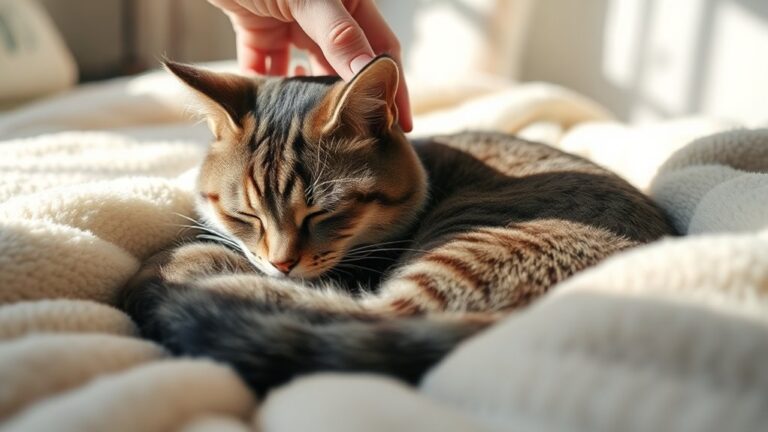
When you gently stroke your cat, it releases endorphins, which reduce stress and promote happiness. Regular petting also encourages trust, making your cat feel safe and secure around you. It can even lower blood pressure for both of you, creating a calming environment.
Besides emotional benefits, petting supports physical health by improving circulation and helping to distribute natural oils on their fur. Ignoring this form of cat communication can lead to confusion or anxiety for your feline friend.
Ultimately, showing affection through petting nurtures your relationship and contributes to your cat’s mental and physical health.
How Skipping Petting Immediately Changes Your Cat’s Behavior
If you skip petting your cat, you might notice they start to get a bit more anxious pretty quickly. They could become more skittish and hesitant around you. It’s like they’re craving that connection, and when it’s missing, they can feel more uneasy.
Plus, skipping out on those petting sessions can actually weaken the bond you’ve worked to build. Your cat might start to trust you a little less, and you’ll see less of those affectionate head bumps or cuddles. Over time, all that stress and uncertainty can even make them more prone to aggressive behavior. It’s kind of like they’re telling you, “Hey, I need some comfort here,” and ignoring that can really impact their mood.
Increased Anxiety Levels
Skipping the moment to pet your cat can cause immediate changes in their behavior, often leading to increased anxiety. When you ignore their emotional cues, they might feel insecure or misunderstood, which raises their stress levels.
This anxiety can show up through signs like pacing, restlessness, or avoiding interaction altogether. Understanding how cats communicate is really important—you might miss subtle signals that show they’re uncomfortable or scared.
To help prevent this, pay attention to these cues:
- Flattened ears or twitching tail can mean irritation or anxiety.
- Avoidance or hiding shows they’re overwhelmed.
- Vocalizations like meowing or yowling may indicate distress.
Reduced Trust Formation
Failing to pet your cat promptly can weaken the bond you’re building, making it harder for trust to develop naturally. When you skip these bonding moments, you disrupt the trust dynamics that create a sense of safety and reassurance for your feline.
Cats rely heavily on communication cues like touch and body language to understand your intentions. Ignoring their need for petting sends mixed signals, which can cause confusion and uncertainty in your relationship.
Over time, this may make your cat more cautious or distant, reducing their willingness to approach or engage with you. Consistent petting reinforces positive interactions and builds mutual trust.
Without it, your cat might struggle to feel secure and comfortable, which can hinder genuine trust formation. Regularly showing affection helps strengthen your bond and creates a trusting, safe environment for your feline.
Elevated Aggressive Tendencies
Neglecting to pet your cat immediately can lead to increased aggression because they may become more defensive and irritable. This behavior comes from heightened stress and changes in their mood caused by feeling ignored. When you skip this bonding step, your cat might act defensively to protect itself.
Think about these possible outcomes:
- Increased scratching and biting — signs of growing frustration.
- Hissing or growling — showing discomfort or anger.
- Avoidance behaviors — like hiding or refusing contact.
These reactions show your cat’s stress levels are up, and their aggressive tendencies are coming out. Recognizing these signs helps you see why immediate petting is key to keeping a calm, trusting relationship.
Effects of Not Petting on Your Cat’s Emotional Health
When a cat isn’t regularly petted, it can lead to noticeable emotional distress. Cats mainly communicate through emotional signals and behavioral cues, which often include seeking or avoiding contact.
Ignoring their need for affection can disrupt trust, making them less receptive to social interactions. If you don’t respect their petting preferences, your cat may show more signs of anxiety like hiding or vocalizing more often.
Ignoring your cat’s affection needs can damage trust and increase signs of anxiety like hiding and vocalizing.
Over time, a lack of physical affection can weaken your bond and cause stress responses that affect their emotional health. Petting helps reinforce positive signals and build mutual trust, which is key for a healthy relationship.
Without this, your cat might feel insecure or overwhelmed, leading to behavioral changes that show emotional discomfort. Recognizing and responding to their needs for closeness supports their emotional well-being and encourages healthy social interactions.
How Ignoring Your Cat Can Alter Their Social Skills
Ignoring your cat can really affect the bond you have with them. When you’re not paying attention or giving them the affection they need, they might start feeling less comfortable around you. It’s like they’re missing out on the positive interactions that help build trust.
And over time, this lack of attention can make them more nervous or hesitant, especially when faced with new situations or unfamiliar people. They might become more withdrawn, not just with you but also around other animals. Basically, ignoring your cat can slow down their social skills and make them less confident overall.
Reduced Bonding Opportunities
Cats thrive on regular social interactions, and when you don’t engage with them through petting and play, opportunities for bonding diminish considerably. Without consistent contact, your cat misses out on important moments of playful interactions and emotional reassurance that build trust.
This reduced connection can lead to:
- Weaker social bonds, making your cat less responsive to your presence
- Decreased comfort in your company, affecting their confidence
- Limited understanding of your cues, lowering mutual communication
Increased Fearfulness Development
Lack of interaction can make your cat more fearful because they miss out on important social experiences that help them feel safe and secure. When you ignore your cat, they might have trouble understanding feline body language, which can lead to more anxiety around people and other pets.
Without positive interactions, their emotional resilience weakens, making them more sensitive to new or unfamiliar situations. This increased fearfulness can cause your cat to become overly cautious or defensive, even in normal environments.
Over time, they might start avoiding social contact altogether, which can make their anxiety worse. To help build their confidence and reduce fear, gentle, consistent petting and interactions are really important.
Building trust makes your cat feel secure, helping them become more adaptable and less likely to act out of fear.
Social Withdrawal Tendencies
When you don’t engage with your cat regularly, they may become more socially withdrawn over time. This can impact their social interaction and change their feline behavior.
Ignoring your cat reduces opportunities to boost emotional intelligence and weakens attachment bonds. As a result, your cat might show signs of increased stress and less playfulness.
Here are three ways this change shows up:
- They avoid eye contact and hide more often, signaling withdrawal.
- They become less responsive to sensory experiences like petting or talking.
- They show less interest in companionship and prefer solitude.
Neglecting social interaction can hinder your cat’s ability to develop healthy social skills, affecting their overall well-being and emotional stability.
Health Risks of Skipping Physical Contact With Your Cat
Skipping regular physical contact with your cat can lead to missed health issues, as you might not notice early signs of illness or discomfort. Touch is important for understanding feline communication and behavioral cues, which can help catch problems early.
Without consistent contact, you might miss signs of pain, lethargy, or distress. Physical interaction also creates opportunities for bonding and environmental enrichment, both of which boost your cat’s emotional health.
Playtime and sensory stimulation are key for keeping your cat happy and engaged. When you avoid affection, they might seek stress relief elsewhere or become more withdrawn, which can hurt their mental well-being.
Maintaining a routine that includes regular petting supports emotional stability. If direct contact isn’t possible, try gentle grooming or talking softly to show your love and care.
Neglecting physical contact makes it harder to monitor your cat’s health, which can affect their long-term happiness and wellness. Staying connected helps keep your cat healthy and emotionally balanced.
How Petting Reduces Your Cat’s Stress and Anxiety
Petting your cat has a calming effect that can really help lower their stress and anxiety levels. When you gently stroke them, it triggers their relaxation response, making them feel safer and more secure. This physical touch also boosts communication between you, strengthening your bond and building trust.
Here are three ways petting helps:
- It lowers cortisol levels, which reduces stress hormones in your cat.
- It encourages the release of endorphins, making them feel happier and more content.
- It creates a sense of safety, helping to decrease signs of anxiety or fear.
Does Neglecting Petting Make Cats More Aggressive or Withdrawn?
If you don’t pet your cat regularly, they might start feeling more anxious or stressed out. That stress can really impact their mood and how they behave. When cats don’t get enough social interaction, they often become more withdrawn or distant, kind of like they’re pulling away.
And in some cases, neglecting petting can actually make them more likely to act aggressively. So, giving your cat some love and attention isn’t just nice — it’s pretty important for keeping them happy and well-adjusted.
Increased Anxiety and Stress
Neglecting to regularly pet your cat can lead to increased anxiety and stress, which often shows up in their behavior. When you skip this important part of their routine, your cat may give subtle emotional signals that they’re uncomfortable or uneasy. These signs can include hiding more often, vocalizing excessively, or avoiding interaction altogether.
Here are three ways increased anxiety and stress might show up:
- Aggression: Your cat might become more irritable or defensive.
- Withdrawal: It could start avoiding social interactions and seeking solitude.
- Restlessness: You may notice pacing or over-grooming as signs of emotional distress.
Knowing these cues helps you respond before stress becomes worse, creating a calmer, healthier bond with your cat.
Reduced Social Bonding
When you skip regular affection, your cat may start to feel less connected to you, which can lead to reduced social bonding. Cats rely on subtle cues in communication and feline affection to build trust and closeness.
Without consistent petting and gentle interactions, your cat might see your actions as indifference, causing it to withdraw. Over time, this lack of connection can make your cat less responsive and more distant.
They may stop seeking your company or avoid physical contact altogether. Maintaining regular, positive interactions helps reinforce your bond and makes your cat feel safe and loved.
Neglecting petting doesn’t just impact your emotional connection; it can also lead to a sense of isolation for your feline friend. Consistent affection is key to keeping your bond strong.
Heightened Aggression Risk
A lack of regular petting can lead to increased tension in your cat, sometimes resulting in heightened aggression or withdrawal. When you neglect feline communication, your cat may feel misunderstood or insecure, which can trigger aggressive behaviors. To prevent this:
- Misinterpretation of cues: Without proper petting, your cat might become confused about your intentions, leading to defensive actions.
- Stress buildup: Reduced social bonding can cause frustration, making your cat more likely to lash out.
- Loss of trust: Ignoring their need for touch weakens your bond, increasing the risk of withdrawal or hostility.
Understanding cat behavior is essential; neglecting it can escalate tension and aggression. Regular, gentle petting keeps communication clear and reduces the chance of your cat acting out defensively.
Signs Your Cat Feels Neglected When You Don’t Pet Them
Cats are very sensitive to their owners’ attention, and they often show signs when they feel ignored. When you don’t pet your cat, they might communicate their feelings through subtle behaviors, letting you know they need some emotional support.
These signs can include increased vocalization, rubbing against you more often, or lingering near your lap. Here’s a visual of some common signs:
| Behavior | Meaning |
|---|---|
| Purring loudly | Seeking reassurance or comfort |
| Head-butting | Craving attention and affection |
| Restlessness | Feeling anxious or neglected |
| Staring intently | Trying to communicate their need for petting |
| Avoidance | Feeling ignored or distant |
How Petting Builds Trust and Strengthens Your Bond
Petting your cat regularly helps create a sense of safety and trust, making them feel more secure around you. This physical contact is a key way to build trust and strengthen your bond.
Regular petting builds trust and makes your cat feel safe and secure around you.
When you pet your cat, you’re communicating with them in a way that reassures them you’re not a threat. It deepens your connection and helps your cat feel more comfortable.
To make this even better, try these trust-building tips:
- Gentle Touches: Use soft, slow strokes to show comfort and avoid startling your cat.
- Consistent Routine: Pet at regular times so your cat knows what to expect, which helps them feel secure.
- Respect Boundaries: Pay attention to your cat’s cues, and stop if they seem uncomfortable or want space.
These actions show you’re attentive to their signals, which encourages your cat to trust you more. Over time, this consistent connection makes them see you as a safe and reliable friend.
Tips for Keeping Your Cat Touch-Connected During Busy Days
Even on your busiest days, finding small moments to connect through touch can keep your cat feeling secure and bonded to you. Incorporate quick interactive play sessions, like using a feather wand or toy mouse, to provide sensory stimulation and strengthen your bond.
When time is limited, consider alternative bonding methods such as gentle petting during grooming or offering a cozy blanket for them to snuggle. Recognize emotional triggers and adjust your routine accordingly to meet your cat’s needs without overwhelming them.
Practice clear cat communication by observing body language to gauge their comfort level. Managing your schedule to include quality moments helps reduce stress for both of you.
These small gestures serve as stress relief and fulfill feline needs, maintaining trust even on hectic days. By prioritizing routine adjustments and mindful interactions, you foster a touch-connected relationship that supports your cat’s emotional well-being.
Frequently Asked Questions
Can a Lack of Petting Lead to Health Problems in Cats?
A lack of petting can negatively impact your cat’s health, leading to emotional well-being issues and behavioral problems. When you don’t give your cat enough affection, they may become stressed, anxious, or withdrawn.
Over time, this can weaken their immune system or cause behavioral issues like aggression or excessive grooming. Regular petting helps strengthen your bond, promotes trust, and keeps your cat emotionally balanced and healthier overall.
How Does Neglect Impact a Cat’s Lifespan?
Neglect can seriously cut a cat’s lifespan because it affects both their emotional well-being and health.
Studies show that cats who don’t get regular interaction can become stressed, which weakens their immune system and makes them more prone to illness.
Ignoring a cat’s signals of distress or discomfort shows a lack of emotional connection, and this can lead to behavioral problems and lower their overall happiness.
Providing consistent affection builds trust, keeps them healthy, and can help your cat live a longer, happier life.
Do Cats Communicate Their Needs Through Withdrawal?
Yes, cats communicate their needs through withdrawal as part of their feline behavior. When they retreat or become less interactive, they’re sending emotional signals that they might be stressed, anxious, or unwell.
Pay attention to these signs because withdrawal often means your cat needs space, comfort, or attention. Recognizing these signals helps you respond in the right way.
Doing so can strengthen your bond and make sure your cat feels safe and understood.
Can Too Much Petting Be Harmful to a Cat?
Yes, too much petting can be harmful to a cat. It might overwhelm them or cause stress, especially if it conflicts with their petting preferences.
Watch their behavioral cues—if they start to squirm, swipe, or move away, give them space. Respecting their boundaries helps maintain trust and keeps petting a positive experience for both of you.
Keep an eye on their signals to prevent overstimulation.
How Does Not Petting Affect a Cat’s Daily Routine?
When you don’t pet your cat, it can mess with their daily routine and emotional health. Cats depend on gentle interactions to feel safe and loved, which shapes their behavior.
Without regular petting, your cat might become more withdrawn or anxious. This can change their mood and how they interact socially.
Consistent affection helps them feel secure and happy. It also helps them feel like part of the family, supporting a balanced and healthy routine.
Conclusion
Skipping petting might seem like a small thing, but it can really affect your cat’s happiness and health. You might start noticing them becoming more withdrawn or even aggressive, which can put a strain on your bond.
Think of petting as a bridge that keeps your connection strong. Without it, that bridge weakens, and your relationship can suffer.
So, are you willing to let neglect build walls between you and your beloved cat? Or will you make time today to nurture their well-being by giving some love and attention?