How to Determine if Chia Pets Are Safe for Cats
Are you a cat owner who’s ever wondered if your little feline friend can safely enjoy the fun of a chia pet? Many pet lovers struggle with this question, wanting to keep their cats safe while still sharing cute, quirky moments. You’re not alone—knowing what’s safe for your pet can be confusing.
To determine if chia pets are safe for your cat, check if the chia seeds used are labeled pet-safe, non-toxic, and organic. Supervise your cat around the chia pet to prevent chewing or swallowing, as large quantities can cause digestive issues or blockages.
Make sure the chia pet’s material and any fertilizers are non-toxic. If your cat shows curiosity, keep the pet out of reach and monitor for any signs of distress.
If you want to learn more, keep exploring for helpful tips and safety insights.
Key Takeaways
- Make sure the chia seeds you use are labeled as non-toxic and organic, so they’re safer for your pet.
- Keep an eye on your cat around the Chia Pet to prevent them from chewing or swallowing seeds or clay.
- Watch for any signs of upset stomach or choking after your cat has been near the Chia Pet.
- Check that the Chia Pet is free from mold, bacteria, and any harmful fertilizers or chemicals.
- If your cat shows any unusual symptoms after interacting with the Chia Pet, it’s best to consult your veterinarian.
Are Chia Pets Safe for Cats?
However, safety is key when it comes to cats. Chia seeds themselves are generally non-toxic to cats, but the concern is in ingestion. Eating large amounts might cause digestive issues like vomiting or diarrhea.
To keep your feline safe, try to prevent your cat from chewing or swallowing the chia sprouts or seeds. Supervise their interaction with the plant and keep it out of reach if needed.
Also, avoid using fertilizers or additives that could be harmful to cats. While chia pets can be a charming addition, always watch your pet closely.
If your cat shows signs of distress after exposure, consult your vet. Prioritizing safety helps give you peace of mind.
How Are Chia Pets Made, and Do They Pose Risks?
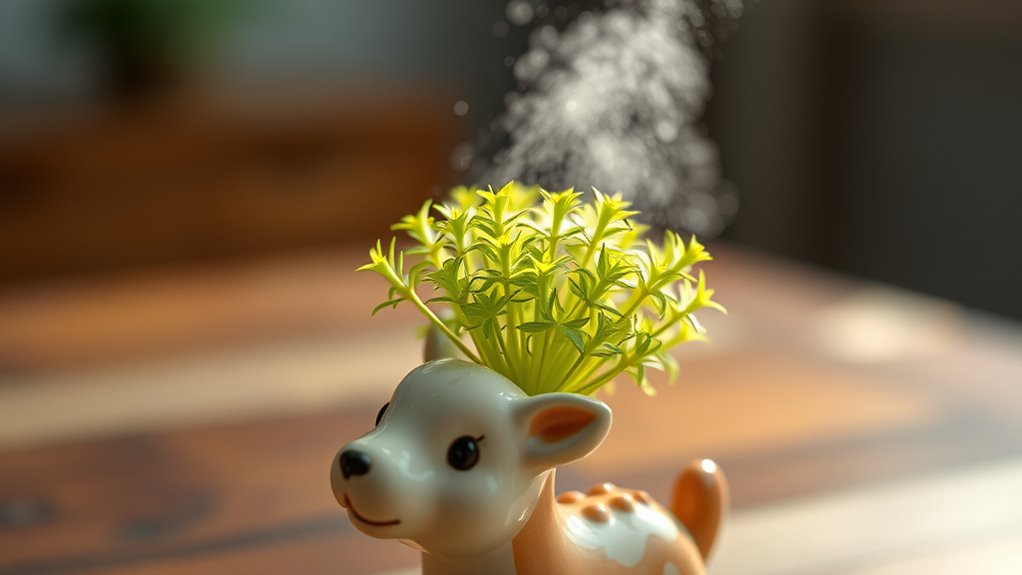
Chia Pets are made by shaping a porous clay or ceramic figurine into a mold that lets the chia seeds stick and grow. The process starts with choosing materials like clay or ceramic, which provide a good surface for sprouting.
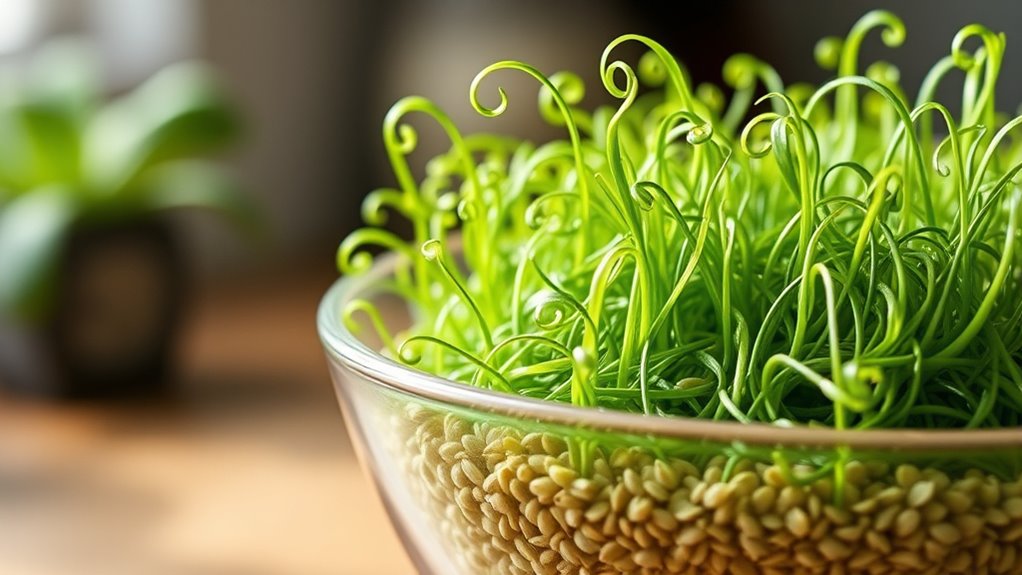
Next, seeds are evenly spread over the figurine’s surface, then kept moist to encourage growth. The chia seeds cling to the porous surface and start to sprout, forming a green “hair” or foliage.
Here’s a quick overview:
| Step | Description |
|---|---|
| Material Selection | Clay or ceramic molds are used because they’re durable. |
| Seed Application | Seeds are evenly spread over the surface. |
| Moisture Maintenance | Seeds are kept moist to help them sprout. |
| Growth Period | Seeds sprout within a few days, creating a lush green cover. |
| Final Appearance | The chia pet looks vibrant and lively. |
Risks are minimal if non-toxic materials are used, but improper handling can lead to mold or bacteria growth.
Can Cats Eat Chia Seeds or Sprouts Safely?
You might be curious whether it’s okay to give your cat chia seeds or sprouts. It’s a good question! Some animals can handle small amounts of these, but it’s not always safe for cats.
Chia seeds, in particular, could cause problems if your cat eats too much. They can expand in the stomach and might lead to digestive issues or discomfort. So, it’s best to be cautious and avoid giving them to your furry friend without talking to your vet first.
Always remember, when it comes to new foods, it’s better to play it safe and make sure they’re safe for your cat’s health.
Safety of Chia Seeds
While chia seeds are often praised for their health benefits for humans, their safety for cats isn’t automatically assured. You should consider both the potential chia seed benefits and risks before offering them to your feline friend.
Here are three key points to keep in mind:
- Chia seed benefits: They contain omega-3 fatty acids and fiber, which can support a healthy coat and digestion if given in moderation.
- Chia seed risks: When ingested in large amounts, they can cause digestive upset or blockages, especially if not soaked properly.
- Moderation is key: Small, infrequent portions are safest, and always watch your cat for any adverse reactions.
Always consult your vet before adding chia seeds to your cat’s diet to ensure safety.
Potential Health Risks
Despite their potential benefits, introducing chia seeds or sprouts to your cat’s diet carries certain health risks that shouldn’t be overlooked.
Chia seeds can cause issues like digestive problems if your cat eats too much or if they’re not prepared properly. These tiny seeds can swell in your cat’s stomach, leading to discomfort, constipation, or even blockages.
Sprouts may carry bacteria or mold, which can increase the risk of infections or upset stomachs. Some cats might also have allergic reactions or sensitivity to chia seeds, resulting in vomiting or diarrhea.
It’s important to watch your cat closely if you decide to give small amounts of chia, and always check with your vet before changing their diet.
Being aware of these potential risks helps keep your feline friend safe.
What Are the Potential Health Risks of Chia Pets for Cats?
Although chia seeds and sprouted chia on a Chia Pet are generally safe for humans, they can pose health risks to cats. One concern is chia toxicity, which can cause digestive upset or blockages if cats swallow large amounts.
Certain cat behaviors, like chewing or licking the Chia Pet excessively, increase the risk of ingestion of harmful amounts. Here are some potential health risks:
- Digestive issues – Chia seeds can swell in the stomach, leading to nausea, vomiting, or diarrhea.
- Chia toxicity – Overconsumption may cause choking or intestinal blockages.
- Unintentional poisoning – If the Chia Pet contains added substances like fertilizers or dyes, exposure could harm your cat.
Always watch your cat around the Chia Pet, and talk to your vet if you notice any signs of distress or unusual behavior after exposure.
How Do I Know If My Cat Is Curious About My Chia Pet?
If your cat is curious about your Chia Pet, you’ll probably notice them sniffing around it first. They might even paw at it or gently bat at the leaves—kind of like they’re trying to figure out what it is. These little behaviors are their way of exploring and showing interest.
Keep an eye on these actions because they can tell you if your cat is genuinely curious or if they might be trying to play with or inspect the plant more closely. It’s a good idea to watch how they interact, so you can make sure they’re safe and that the plant isn’t causing any trouble.
Signs of Cat Curiosity
How can you tell if your cat is genuinely curious about your Chia Pet? You’ll notice specific signs in their behavior that show they’re interested in exploring the plant.
Here are three key indicators:
- Pawing at the Chia Pet – Your cat might gently bat or scratch at the plant or pot, showing curiosity about its texture and movement.
- Sniffing Intensely – They may get close and sniff the Chia Pet repeatedly, trying to explore its scent.
- Staring or Watching Carefully – Your cat could keep their eyes fixed on the Chia Pet, following its movement or changes over time.
These signs mean your cat is intrigued and exploring their environment, which is a natural part of their curiosity.
Common Investigative Behaviors
When your cat shows signs of curiosity like pawing, sniffing, or watching your Chia Pet, it’s a clear indication they’re investigating their environment. Cats have strong investigative instincts driven by natural curiosity, prompting them to examine new objects.
You might notice your feline sniffing closely or gently batting at the chia sprouts, trying to understand what they are. Some cats may even lick or nibble at the plant, driven by their curiosity.
These behaviors show your cat’s desire to gather information about their surroundings. Recognizing these investigative behaviors helps you gauge whether your cat is simply curious or potentially interested in the Chia Pet’s materials.
Always observe their reactions carefully to confirm they’re not tempted to ingest anything harmful.
Signs of Toxicity or Allergic Reactions in Cats
Recognizing the signs of toxicity or allergic reactions in cats is crucial if they’ve been exposed to chia pets. These reactions can differ, so keep an eye out for any unusual behavior or symptoms.
Be alert for signs of toxicity or allergies if your cat has been around chia pets.
Here are three key signs to watch for:
- Respiratory issues: Coughing, sneezing, or trouble breathing might mean an allergic reaction or toxicity.
- Gastrointestinal problems: Vomiting, diarrhea, or not eating could be signs of toxicity.
- Skin reactions: Itching, swelling, or redness might indicate an allergic response.
If you notice any of these symptoms, it’s important to contact your veterinarian right away. Early detection and treatment can help prevent more serious health issues. Remember, even mild signs shouldn’t be ignored, especially if your cat has been around chia pets or their parts. Stay alert to keep your feline friend safe and healthy.
Tips to Keep Your Cat Safe Around Chia Pets
Want to keep your kitty safe around your Chia Pet? First things first, make sure you’re using pet-safe chia seeds. That way, you won’t have to worry about any potential toxins if your cat happens to nibble on the sprouts.
And hey, it’s always a good idea to supervise your cat whenever they’re near the Chia Pet. You never know when curiosity might get the best of them, and it’s better to be safe than sorry if they try to chew or swallow any part of it.
Choose Pet-Safe Chia Seeds
Choosing the right chia seeds is key to keeping your cat safe around Chia Pets. Look for chia seeds labeled as pet-friendly or made specifically for pet gardens. For example, cherry chia seeds are a popular choice because they tend to be non-toxic and safe for cats.
Here are three tips to help you pick the best seeds:
- Check the seed label to make sure it’s free from harmful chemicals.
- Go for organic seeds to minimize pesticide exposure.
- Choose varieties like cherry chia, which are known to be safe and appealing in pet gardens.
Supervise Your Cat Around
Because cats are naturally curious and love to investigate, it’s essential to supervise them whenever they’re near Chia Pets. Their inquisitive behavior can lead them to chew or swallow parts of the plant or soil, which might cause digestive issues or poisoning.
Keep Chia Pets out of reach or place them in areas where your cat can’t access them, similar to how you’d protect indoor plants. Watch for signs of interest or biting, and redirect your cat’s attention if needed.
Never leave your cat alone with a Chia Pet unattended, especially if you notice they’re overly interested. Supervision helps prevent accidental ingestion and keeps your feline friend safe while satisfying their natural curiosity.
Which Plants Are Safer for Cats Than Chia Pets?
Have you ever wondered if there are safer plants for your cat than chia Pets? The good news is that many non-toxic plants and cat-friendly herbs are safer options. These plants can satisfy your cat’s curiosity without risking health issues.
Here are three safer choices:
- Cat grass: A mix of oat, wheat, or barley grass provides a safe, digestible treat.
- Catnip and valerian: These herb plants are loved by cats and are non-toxic.
- Spider plant: Known for its non-toxic nature and air-purifying qualities.
Choosing these non-toxic plants and herbs helps reduce potential poisoning risks. Always check that your plants are free from pesticides and chemicals. This creates a safe environment where your cat can explore naturally while staying healthy.
When Should I Consult a Vet About My Cat Nibbling Plants?
While offering safe plants like cat grass, catnip, and spider plants reduces risks, it’s important to stay alert to your cat’s health. If your cat starts nibbling on plants and shows signs of discomfort, such as vomiting, diarrhea, drooling, or lethargy, you should seek immediate vet consultation.
Even plants considered non-toxic can cause plant toxicity in some cats, especially if ingested in large quantities. If you notice your cat chewing excessively or acting strangely after nibbling plants, it’s best to consult a vet to rule out any underlying issues.
Don’t wait for symptoms to worsen—early intervention can prevent complications. Keep a list of plants your cat interacts with and inform your vet during visits.
Ultimately, prompt vet consultation is essential whenever you’re unsure about potential plant toxicity or your cat’s reaction. This ensures your cat’s safety and well-being.
Best Practices for Enjoying Chia Pets Without Risking Your Cat
To enjoy your chia pet safely around your cat, keep the sprouting area out of their reach and watch how they interact with it. Knowing a bit about the Chia Pet’s history can make it more fun, but understanding your cat’s behavior is really important to keep things safe.
Cats are naturally curious and might nibble or paw at the chia sprouts. This can be risky if they eat too much, so it’s best to take precautions.
To keep your kitty safe, place the chia pet on a high, secure shelf where they can’t get to it.
Always supervise your cat when they’re near the chia pet, especially during the sprouting phase.
You can also train your cat to stay away from the area using gentle deterrents or redirect their attention elsewhere.
Frequently Asked Questions
Are There Specific Types of Chia Seeds Safe for Cats?
You should look for plain, organic chia seeds labeled safe for human consumption, as these are generally safe for cats too.
While chia seed benefits include fiber and omega-3s, pet dietary considerations mean you must avoid flavored or processed seeds that might contain additives harmful to cats.
Always consult your vet before introducing new foods, and keep in mind that moderation is key to ensuring your feline’s safety with chia seeds.
How Long Do Chia Sprouts Typically Take to Grow?
Chia sprouts usually take about 3 to 7 days to grow, but this depends on how well you care for them.
Keep the seeds moist, give them indirect sunlight, and stay consistent with the temperature.
Looking into the growth process shows that the right conditions can help them sprout faster.
This way, you’ll get healthy, green chia sprouts for your cats or for decoration.
Patience and good care are key to growing successful chia sprouts.
Can Cats Develop Allergies to Chia Plants?
Cats can develop allergies to chia plants, especially if they have sensitive immune systems. While chia plant toxicity is generally low, it’s important to consider your cat’s dietary restrictions and watch for any adverse reactions.
If your cat shows signs like itching, swelling, or gastrointestinal upset after exposure, it’s best to consult your vet. Always keep chia plants out of reach to prevent accidental ingestion.
And remember, prioritize safe, vet-approved treats for your feline friend to keep them healthy and happy.
What Are Natural Alternatives to Chia Pets for Cats?
You can offer your cat natural alternatives like cat grass or catnip substitutes.
Cat grass, usually wheat or oat grass, provides a safe, enjoyable chew and helps with digestion.
For a fun, safe option that stimulates play, try valerian root or silver vine instead of chia pets.
These choices are natural, safe, and engaging for your feline friend, giving them a healthy, fun experience without the concerns linked to chia plants.
Is It Safe to Let My Cat Nibble on Dried Chia Seeds?
Letting your cat nibble on dried chia seeds isn’t safe. Chia seeds can cause choking and upset your cat’s stomach, especially if they eat a lot.
While small amounts might not cause immediate harm, there’s still a risk of blockage or digestion problems. To keep your feline friend safe, avoid giving dried chia seeds and stick to treats made specifically for cats.
If your cat accidentally ingests some, watch for symptoms like vomiting or diarrhea and contact your vet for advice.
Conclusion
To keep your curious cat safe, stay vigilant and attentive. Regularly remove or secure chia pets, and guide your feline friend toward safer, approved plants.
Remember, responsible and cautious caretaking can prevent costly problems. Being aware and attentive helps stop paws from poking into danger while keeping your plants and pet happy.
Protect your pet and your plants by practicing prudence. Prevention, patience, and proactive planning are key to avoiding issues with chia pets and your curious cat.