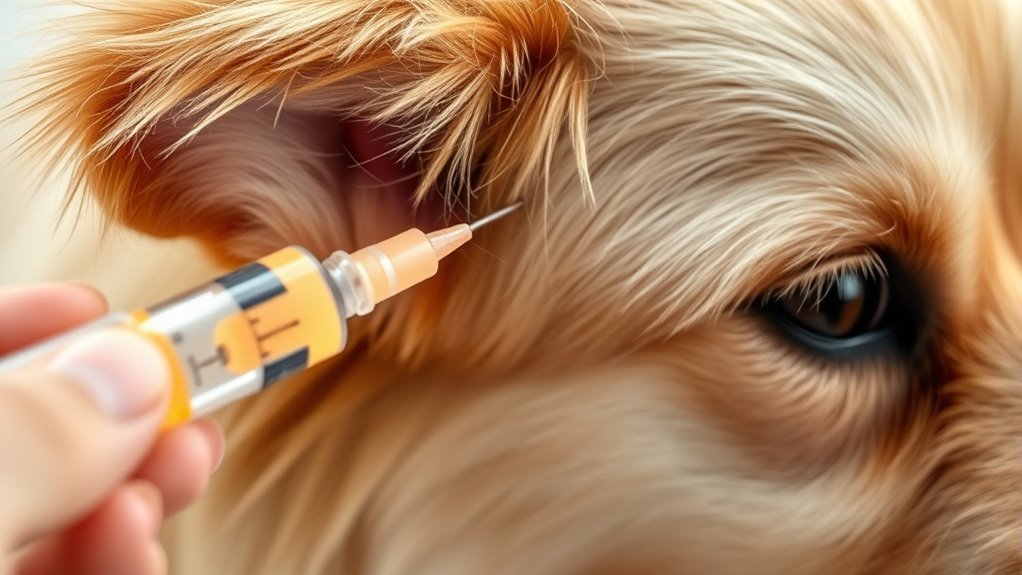
Can You Use Cat Ear Mite Medicine on Dogs?
Many pet owners struggle with figuring out the right treatments for their furry friends, especially when it comes to ear mites. You want to keep your dog comfortable and healthy, but navigating the world of pet medications can be confusing.
You shouldn’t use cat ear mite medicine on dogs because their treatments contain different ingredients and dosages that can be harmful or toxic to your dog.
Dogs metabolize medications differently, and what’s safe for cats may cause allergic reactions or other side effects in dogs.
To guarantee your pet’s safety, it’s best to consult a vet before trying any ear treatments.
Keep exploring to find safer options and how to properly care for your dog’s ears.
Key Takeaways
Cat ear mite medications aren’t specifically made for dogs and might cause bad reactions.
The ingredients and dosages can be different enough to be toxic or just not work well in dogs.
Using treatments that aren’t approved by a vet can lead to allergies, poisoning, or making the problem worse.
Always check with a veterinarian before putting any cat medication on your dog.
Getting the right diagnosis and using treatments made for dogs is key to safely and effectively treating ear mites.
How to Tell If Your Dog Has Ear Mites
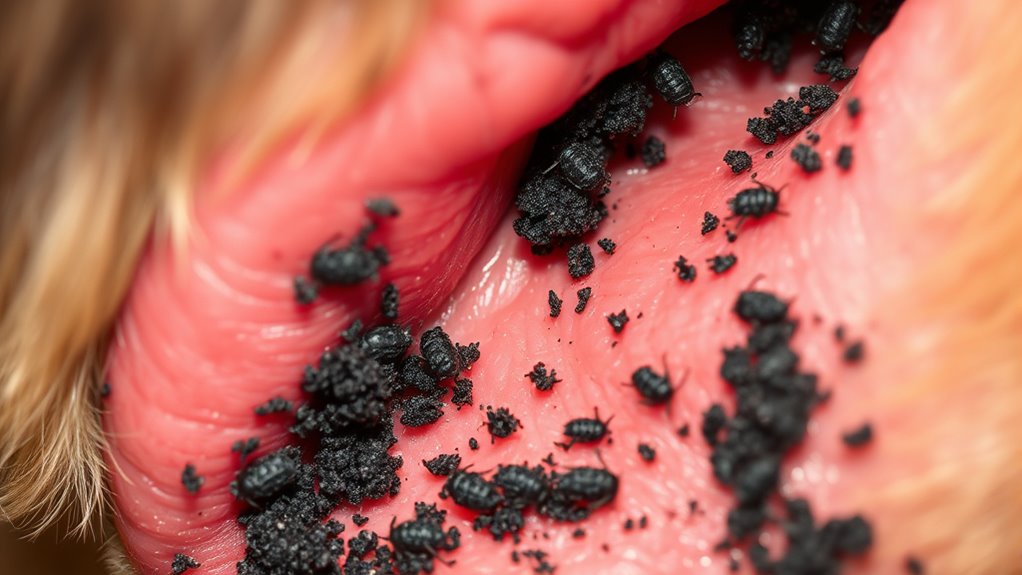
It can be tricky to notice if your dog has ear mites, but paying attention to certain signs can help you catch the problem early. Ear mite symptoms often include excessive scratching or pawing at the ears, which shows your dog might be uncomfortable.
You might also notice your dog shaking its head a lot or tilting its head to one side. Look inside the ear canal for redness, swelling, or dark, crumbly debris—these are clear signs of an infestation.
Watch for head shaking, tilting, redness, swelling, or dark debris in your dog’s ears—signs of ear mites.
Changes in your dog’s behavior, like increased irritability or being sensitive when you touch the ears, can also indicate trouble. If your dog seems bothered or in pain, don’t ignore it.
Make a habit of checking your dog’s ears for any unusual discharge or bad odor. Catching ear mites early can prevent complications, so stay alert for these signs and watch your dog closely.
Are Cat Ear Mite Medications Safe for Dogs?
You might be wondering if cat ear mite medications are safe to use on your dog. The thing is, these products aren’t always made with dogs in mind. Using them could lead to safety issues or side effects, especially if your dog has sensitive skin or allergies. So, it’s really important to think about these risks carefully.
Before you try anything, it’s best to chat with your vet. They can recommend the right treatment that’s specifically made for dogs, ensuring your furry friend stays safe and healthy.
Safety Concerns for Dogs
While cat ear mite medications are made specifically for cats, many dog owners wonder if they’re safe for their pets. Dogs can show symptoms like itching, redness, and dark discharge from their ears, but treatments designed for cats aren’t always safe for dogs.
Using these medications without talking to a vet can cause adverse reactions or toxicity because of differences in dosage and ingredients. If you’re worried about safety, look into treatment options approved for dogs.
Always check with your vet before applying any medication not made for dogs. They can recommend safe, effective options that suit your dog’s needs, keeping your pet healthy. Never assume that what’s safe for cats is automatically safe for dogs.
Potential Side Effects
Using cat ear mite medications on dogs can lead to potential side effects, some of which can be serious. Allergic reactions are a main concern, causing symptoms like itching, swelling, or difficulty breathing. Even if your dog has used similar products before, reactions can still happen unexpectedly.
Dosage is really important. Applying too much or too little can increase the risk of side effects or make the treatment less effective. Overdosing might cause toxicity, while underdosing may not get rid of the mites properly. Always follow your vet’s advice and avoid guessing the right amount.
Keep a close eye on your dog after applying the medication. If you notice any unusual behaviors or symptoms, contact your vet immediately. Proper use helps reduce risks, but side effects are still a real possibility.
Risks of Using Cat Ear Mite Treatments on Dogs
Although cat ear mite medications are designed specifically for cats, using them on dogs can be risky. The safe dose for a cat might be harmful to a dog because of differences in weight and how their bodies process medicines.
Even small mistakes in dosage can cause serious health problems for your dog. Ingredients that are safe for cats might be dangerous or even deadly for dogs. Some chemicals in feline treatments can cause poisoning in canines.
Dogs metabolize drugs differently, which makes them more vulnerable to side effects. Using the wrong medication can lead to allergic reactions, toxicity, or organ damage.
What Are the Common Ingredients in Cat Ear Mite Medications?
Have you ever wondered what ingredients make up cat ear mite medications? These treatments usually contain active ingredients designed to kill mites and ease itching.
Common active ingredients include pyrethrins, pyrethroids like permethrin, and selamectin. Pyrethrins are natural insecticides, while pyrethroids are synthetic and last longer.
Selamectin is often used in topical treatments and helps target mites along with other parasites. The effectiveness of these medications depends on their ability to penetrate mite bodies and disrupt their nervous systems.
Some medications also include agents like mineral oils or cerumen suppressants to help remove debris and improve contact with mites. While these ingredients work well for cats, they aren’t always safe for dogs.
Knowing what’s in these medications can help you understand their purpose and why they’re formulated this way. But always check with a vet before using them on your dog.
Safe, Vet-Recommended Ear Mite Treatments for Dogs
In regard to treating ear mites in dogs, selecting safe and vet-approved options is essential to guarantee your pet’s health. Vet-recommended treatments often include medicated ear drops or topical medications specifically designed for dogs, ensuring safe and effective results.
While natural remedies and home treatments might seem appealing, always consult your veterinarian before trying them, as some can be ineffective or harmful. Preventative measures like regular grooming and ear cleaning help reduce the risk of mite infestations.
Using gentle, vet-approved ear cleaners during grooming sessions can keep your dog’s ears clean and healthy, lowering the chances of mites developing. Remember, prompt treatment with veterinarian-recommended products minimizes discomfort and prevents complications.
Always follow your vet’s guidance and avoid using medications not formulated for dogs, especially those meant for cats. Proper care and vet-approved treatments are your best bet for keeping your dog free of ear mites.
How Veterinarians Diagnose Ear Mites in Dogs
Veterinarians diagnose ear mites in dogs through a combination of visual inspection and diagnostic tests. First, they perform a thorough symptom assessment, looking for signs like ear scratching, redness, swelling, and dark discharge. These symptoms can hint at an ear mite infestation, but they’re not definitive.
To confirm, your vet may use diagnostic tests such as microscopic examination of ear debris. They’ll gently collect a sample from the ear canal and look for mites, eggs, or mites’ feces under a microscope. Sometimes, they might also perform a cotton swab test or ear swab to gather clearer evidence.
These diagnostic tests help distinguish ear mites from other causes of ear infections. Accurate diagnosis guarantees you get the right treatment for your dog. Remember, early detection through symptom assessment and testing can prevent further discomfort and complications.
Why You Should Talk to Your Vet Before Using OTC Ear Products
Before grabbing any over-the-counter ear products for your dog, it’s a good idea to chat with your vet first. They can help you figure out what’s really going on and make sure you’re using the right treatment.
Using the wrong product or treatment without guidance could make your dog’s ear issues worse or lead to other problems. So, a quick vet visit can save you a lot of trouble and ensure you’re doing what’s best for your furry friend.
Potential Health Risks
Using over-the-counter ear medications without consulting a vet can pose serious health risks to your dog. These products might not target your dog’s specific issue, which can lead to misdiagnosis and ineffective treatment.
Since symptoms of different ear problems can be subtle, it’s easy to pick the wrong medication. That increases the chances of adverse reactions or making the problem worse.
OTC treatments might not have the right concentration or active ingredients your dog needs, which can reduce how well the treatment works. Some medications may cause allergic reactions, irritation, or toxicity if used improperly.
Always talk to your vet before using any ear product, especially if you’re unsure whether it’s right for your dog’s specific condition. Proper diagnosis and guidance help keep your dog safe and ensure the most effective treatment.
Proper Diagnosis Importance
Misdiagnosing your dog’s ear problem can lead to ineffective or harmful treatments. That’s why talking to your vet before using OTC ear products is so important for keeping ears healthy and getting the right treatment.
Your vet can accurately figure out what’s causing the issue, whether it’s mites, infection, or allergies.
Consider these steps:
- Get a professional exam to find out the root cause.
- Use diagnostic tools for a precise diagnosis.
- Follow your vet’s advice for safe and effective treatments.
- Avoid self-medicating, which can make things worse or harm your dog.
Proper diagnosis helps prevent unnecessary suffering and keeps ears healthy. Always check with your veterinarian to make sure you’re giving the right treatment for your dog’s specific needs.
Tips to Prevent Ear Mite Infestations in Dogs
To effectively prevent ear mite infestations in your dog, maintaining good hygiene and regular inspection are essential. Implement preventive measures like routine cleaning of your dog’s ears and regular grooming to spot any early signs of trouble.
Maintaining good hygiene and regular inspections are key to preventing ear mite infestations in your dog.
While some home remedies may help keep ears dry and clean, they should complement, not replace, proper hygiene practices. Make sure your dog lives in a clean environment, reducing exposure to mites and other parasites.
Feeding a healthy diet boosts your dog’s immune system, making them less susceptible to infestations. Early detection is vital, so check your dog’s ears weekly for redness, discharge, or excessive scratching.
Regular vet check-ups help catch issues early and provide professional advice on prevention. By staying proactive with these strategies, you lower the risk of ear mite infestations, keeping your dog comfortable and healthy.
When to See the Vet About Your Dog’s Ear Problems
You should see a vet promptly if your dog shows persistent or worsening ear problems, as untreated issues can lead to pain, infections, or hearing loss. If your dog’s ear cleaning efforts don’t improve their comfort or if you notice infection signs like bad odor, redness, swelling, or discharge, it’s time to seek professional help. Ignoring these symptoms can worsen the condition and cause more discomfort.
Consider visiting the vet if:
- Your dog’s ears remain dirty or waxy despite regular ear cleaning.
- Your dog is scratching or shaking their head excessively.
- You observe foul smell, swelling, or dark discharge in the ears.
- The ear pain or inflammation seems to worsen over time.
Prompt veterinary attention guarantees proper diagnosis and treatment, preventing potential complications from untreated ear problems. Don’t delay if symptoms persist or worsen; early intervention is key.
What to Expect During Professional Ear Mite Treatment for Dogs
During professional ear mite treatment, your vet will take a close look at your dog’s ears and carefully apply medication to get rid of those pesky mites. It might look a little uncomfortable for your dog, but don’t worry—your vet will handle everything gently.
Once the treatment is done, they’ll give you some specific care instructions. These tips will help your dog heal faster and prevent those mites from coming back. Following their advice is the best way to make sure the treatment is successful and that your dog’s ears stay healthy and happy.
Treatment Procedure Overview
When your dog visits the veterinarian for ear mite treatment, the process usually starts with a thorough ear exam. The vet will check how bad the infestation is and decide on the best treatment options.
They’ll clean out the ear canal to remove debris and mites, which helps make the treatment more effective. After that, the vet might put medicated drops or ointments directly into your dog’s ears.
Sometimes, they might also give oral medications to boost the treatment. During the appointment, your vet will probably show you how to properly apply these treatments at home.
The whole process is quick but really important for clearing up the mites and stopping them from coming back. Rest assured, the treatment plan will be tailored to your dog’s needs to keep them safe and healthy.
Post-Treatment Care Tips
After your dog’s professional treatment, it’s normal to notice some changes as their ears begin to heal. During this time, focus on gentle cleaning of any residual debris and keeping their ears dry.
Follow-up care is key; keep a close eye on your dog for signs of discomfort or recurring symptoms. Avoid inserting anything deep into their ears and don’t skip scheduled follow-up visits with your vet.
Use any prescribed medications as directed, and check that your dog isn’t scratching excessively, which could slow healing. Keeping their ears clean and dry helps prevent re-infestation and supports the healing process.
Staying attentive during this period makes sure the treatment works well and your dog stays comfortable and healthy.
Frequently Asked Questions
Can Ear Mite Medication Designed for Cats Cause Allergic Reactions in Dogs?
Yes, ear mite medication designed for cats can cause allergic reactions in dogs. Your dog’s immune system might react negatively, leading to symptoms like itching, swelling, or discomfort.
It’s important to consult your veterinarian before using any product to ensure safety. They can recommend treatments that are safe and effective specifically for your dog, helping you avoid potential allergic reactions.
This way, you can manage ear mites properly without risking adverse effects.
Are There Natural or Home Remedies Effective Against Ear Mites in Dogs?
Natural remedies like oils and garlic infusions can help manage ear mites in dogs. You might apply diluted tea tree oil or coconut oil around your dog’s ears to soothe irritation and help eliminate mites.
Some pet owners use a garlic infusion as a natural repellent, but always check with your vet before trying home remedies. Remember, natural options can assist but may not replace professional treatment for effective mite eradication.
How Often Should Ear Mite Treatments Be Applied to Dogs?
Research shows that following proper treatment frequency is essential for effectively eliminating ear mites in dogs.
Typically, you should administer ear mite treatment once a week for 2-3 weeks, following the dosage guidelines from your veterinarian.
Consistency is key, so make sure to stick with the schedule and watch how your dog responds.
Always check with your vet for personalized advice, as treatment frequency can vary depending on how severe the infestation is and the product used.
Can Untreated Ear Mites Lead to Other Health Issues in Dogs?
Untreated ear mites can pose serious health risks for your dog. They can cause intense itching, inflammation, and infections that spread beyond the ears.
Ignoring these mites can lead to damage in the ear canal, which might cause pain and even hearing loss. So, it’s really important to address the issue early.
Secondary bacterial or yeast infections can develop if the mites aren’t treated, making your dog’s health even more at risk.
Prompt treatment is key to preventing these problems and keeping your dog healthy and comfortable.
What Signs Indicate That Ear Mite Treatment Has Successfully Eradicated the Infestation?
You’ll know the treatment has worked when you see symptom improvement within the treatment duration. Look for less scratching, reduced head shaking, and less ear discharge.
The ear should look cleaner and less inflamed. If symptoms stick around past the recommended treatment or your dog still seems uncomfortable, check with your vet.
When the mites are gone, your dog should feel much better, and there should be no more signs of infestation.
Conclusion
If you notice your dog scratching or shaking its head, don’t try to treat ear mites with cat medications. Always talk to your vet first.
For example, a dog owner once used a cat ear mite product, which caused irritation and made things worse.
A quick vet visit can ensure proper diagnosis and safe treatment, saving your dog from unnecessary discomfort.
Always prioritize professional advice to keep your pup healthy and happy. Remember, never use cat ear mite medicine on dogs.