Why Does My Cat Rub My Face?
Are you wondering why your cat keeps rubbing your face? Many pet owners find this behavior both adorable and confusing. You’re not alone—understanding what your cat’s gestures mean can be tricky.
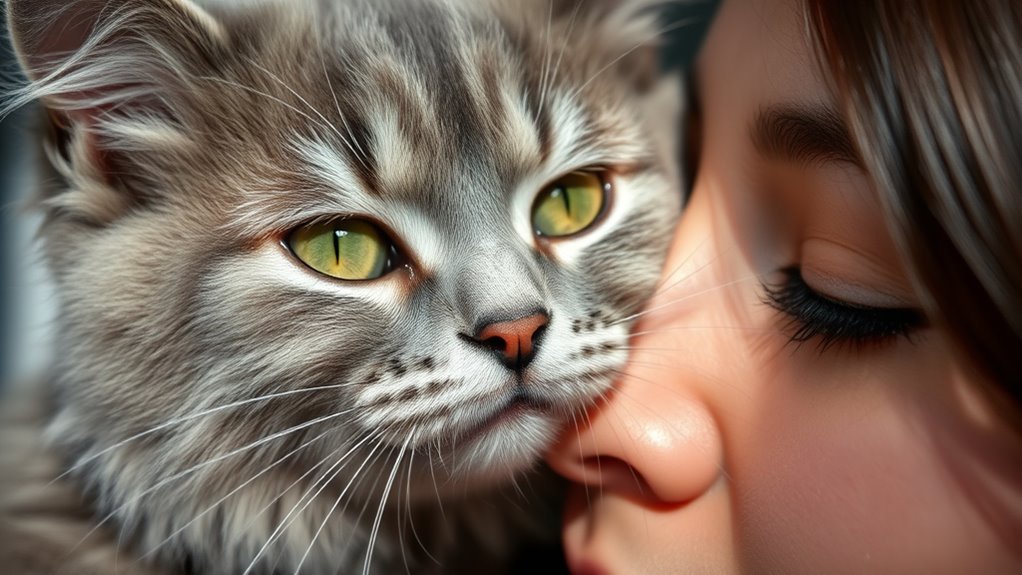
When your cat rubs your face, it’s a sign of trust, affection, and a way to mark you with its scent. This behavior shows they feel comfortable and see you as part of their social group.
Different types of face rubbing reveal whether your cat is just showing love or establishing boundaries through scent marking.
If you want to understand what your cat’s gestures mean and how to encourage positive interactions, keep exploring this behavior further.
Key Takeaways
- Cats rub your face to mark you with their scent, signaling ownership and creating familiarity.
- Face rubbing shows trust, comfort, and affection from your cat.
- It’s a social behavior that helps strengthen the bond between you and your cat.
- Different rubbing gestures can indicate various moods, from feeling content to wanting more interaction.
- If your cat rubs excessively, it could be a sign of health issues. Keep an eye out for signs of discomfort or allergies.
Why Do Cats Rub Their Faces Against You?
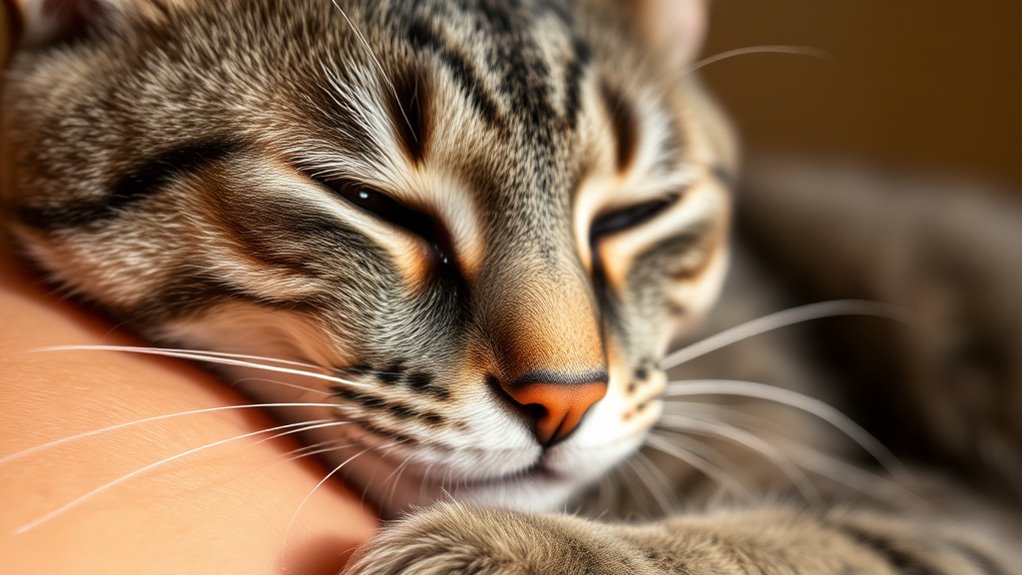
Cats rub their faces against you mainly to mark their territory and show affection. When your cat presses their face against you, it’s a clear sign they trust and feel comfortable with you.
This behavior helps strengthen your bond because it makes you a familiar and safe presence in their world. By rubbing their face, cats transfer scent from their glands to you, creating a shared scent profile.
Rubbing their face helps cats create a shared scent, strengthening your bond and making you feel safe and familiar.
It’s also a way for them to communicate that they feel secure and happy around you. You might notice they do this more during relaxed moments, showing their contentment.
This face-rubbing isn’t just grooming; it’s part of their social language. When your cat seeks your face for rubbing, they’re expressing love and building a bond, making you an important part of their social group.
How Cats Use Scent Glands When Rubbing Their Faces
When your cat rubs its face on you, it’s actually using scent glands that are located on its cheeks and forehead. It’s like they’re leaving little scent messages on you.
This behavior is a way for your cat to mark you with its scent, kind of like saying, “Hey, you’re part of my territory!” But it’s also a sign of trust and friendship. By sharing its personal scent with you, your cat is showing that it feels comfortable and safe around you.
Scent Marking Behavior
Rubbing their faces against objects or your face is a way cats leave their scent, marking their territory with scent glands around their cheeks and forehead. This scent marking helps cats communicate with others, showing that a space or person is familiar and safe.
It’s a form of scent communication that reinforces social bonds, expressing trust and affection. When your cat rubs your face, they’re not just spreading their scent—they’re creating a shared sense of security and connection.
This behavior helps establish and maintain social harmony within their environment. By leaving their scent, your cat is essentially saying, “This is mine,” while also strengthening their bond with you.
Facial Scent Glands
These glands are found around the cheeks, forehead, and chin, helping your cat leave a unique scent signature. This marks you as familiar and safe, strengthening social bonds.
Communicating Territory
Many cats use their scent glands to establish and defend their territory. When they rub their face against you, they’re communicating, marking you as part of their space.
This behavior taps into their territorial instincts, signaling ownership and helping to prevent conflicts with other cats. By transferring scent from their facial glands onto you, they create a familiar, secure environment.
It’s a way of saying, “This is mine,” without being aggressive. You might notice your cat prefers rubbing against certain objects or people, which reinforces their boundaries.
This natural instinct helps maintain social structure and boundaries, especially in a multi-cat household or outside. Recognizing this behavior helps you understand your cat’s need to communicate territory and feel secure.
What Face Rubbing Reveals About Your Cat’s Trust and Love
When your cat nudges your face, it’s more than just a casual gesture; it’s a powerful sign of trust and affection. This face rubbing is a clear trust signal, showing your cat feels safe and comfortable around you.
Cats are naturally cautious animals, so willingly close contact shows they see you as part of their secure environment. It’s a way for your feline to display their affection, similar to grooming or nuzzling a trusted cat.
When your cat chooses to rub your face, they’re sharing a moment of closeness and bonding. This behavior isn’t just about marking territory with scent; it’s an intimate gesture that shows genuine love.
Understanding this helps you realize how deeply your cat trusts you. It’s a sign that your bond is strong, built on mutual comfort, care, and feline affection.
Types of Face Rubbing and What They Signify
Different types of face rubbing can reveal subtle nuances in your cat’s feelings and intentions. A gentle, soft nudge against your face often signals affection, showing your cat feels safe and trusts you. This kind of contact helps strengthen your bond and builds trust.
When your cat rubs the sides of their face or cheeks, they’re marking you with scent glands. It’s their way of sharing territory and expressing that they’re comfortable around you. A quick, deliberate head bump might be a way to get your attention or start a fun interaction.
A slow, lingering face rub can mean your cat is feeling really content and wants to be close. Recognizing these different gestures helps you understand what your cat’s trying to tell you about their mood. Whether it’s a simple touch or a more affectionate gesture, each one shows trust, love, and a desire for connection.
Is Face Rubbing a Marking Behavior?
Face rubbing is definitely a form of marking behavior. Your cat uses scent glands on their cheeks and face to leave their unique signature on you.
When your cat rubs their face against you, they’re not just showing affection—they’re also marking their territory. They deposit pheromones from these glands, signaling that you’re part of their safe space.
This act helps them feel secure and builds a bond with you. It also reinforces their sense of familiarity and comfort. While it’s a friendly gesture, it also serves a purpose in territorial behavior, especially with multiple cats.
Your cat’s scent is a key part of how they communicate. Face rubbing is their way of staking a claim and sharing their scent with you.
Signs Your Cat’s Face Rubbing Might Signal Health Issues
While face rubbing is usually a normal way for your cat to mark territory and show affection, it can sometimes signal underlying health issues. If your cat suddenly starts rubbing its face more frequently or aggressively, it could be a sign of discomfort or pain.
Look out for behavioral changes like withdrawal, decreased grooming, or irritability, which may indicate health concerns. Excessive face rubbing might also suggest skin problems, allergies, or infections, especially if accompanied by redness, swelling, or hair loss.
If your cat seems bothered or if the rubbing is persistent and intense, it’s important to observe other symptoms like sneezing, discharge from the eyes or nose, or changes in eating habits. These signs warrant a visit to the veterinarian, as they could point to infections, dental issues, or other medical conditions that need attention.
Prompt action helps ensure your cat stays healthy and comfortable.
What to Do If Your Cat Keeps Rubbing Its Face
If your cat keeps rubbing its face despite regular grooming and attention, it’s important to take proactive steps to identify the cause and provide relief. Observe your cat’s behavior closely. Note when and where they rub their face most often. This can help you figure out if it’s caused by affection, irritation, or health issues.
Check for signs of allergies, skin irritation, or parasites like fleas, which might make your cat uncomfortable. Make sure your cat’s environment is clean and free of potential irritants. If the rubbing continues, it’s a good idea to consult your veterinarian to rule out underlying medical problems.
Avoid punishing your cat, as face rubbing is normal feline behavior and a way for them to communicate. Providing gentle reassurance and keeping a calm environment can help reduce excessive rubbing. Remember, understanding your cat’s behavior is key to helping them feel comfortable.
How to Encourage Positive Face Rubbing Interactions
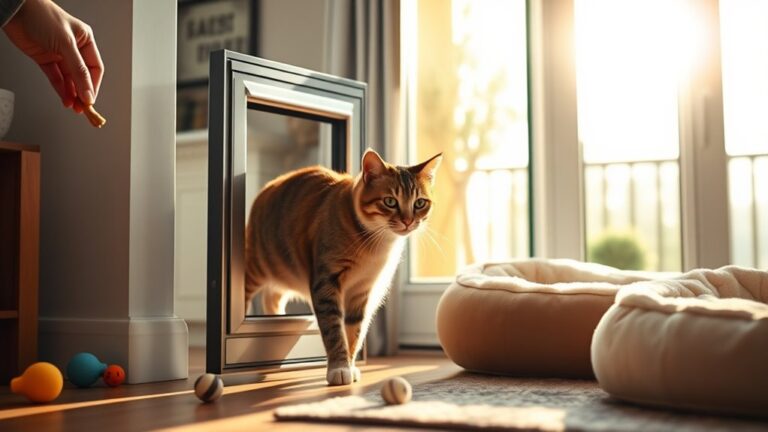
Encouraging positive face rubbing interactions with your cat can strengthen your bond and keep these moments enjoyable for both of you. Use positive reinforcement when your cat approaches and rubs your face gently. Treats, petting, or praise work well to connect face rubbing with good experiences.
Encourage gentle face rubbing with treats and praise to build trust and strengthen your bond with your cat.
Create a playful vibe by engaging your cat with toys first. This makes face rubbing a natural part of the fun and game. Keep your reactions calm and gentle to show that face touching is safe and welcome.
Avoid sudden movements or harsh responses, as these can discourage your cat from interacting. Be consistent—reward your cat every time they initiate face rubbing. Over time, they’ll learn these interactions lead to positive outcomes.
With patience and positive reinforcement, your cat will be more likely to voluntarily and happily engage in face rubbing. Combine playful activities with gentle praise to build a trusting, affectionate relationship that benefits both of you.
The Difference Between Face Rubbing and Other Cat Behaviors
You might see your cat rubbing your face, and it’s pretty adorable. But it’s good to know how to tell this apart from other behaviors like tagging or grooming. When your cat rubs against you, it’s usually a sign of affection or they’re marking their territory with scent glands.
On the other hand, grooming is more about cleaning themselves or bonding socially. It’s usually a gentle, slow activity. And if your cat is being playful, you’ll notice quick, energetic movements, which are quite different from the slow, tender signs of affection.
Distinguishing Rubbing From Tagging
Understanding the difference between face rubbing and tagging is key to interpreting your cat’s behavior accurately. When your cat rubs their face against you, they’re using scent communication and social bonding. They leave their scent on you to mark you as part of their territory and to strengthen your bond.
Tagging, on the other hand, often involves more specific actions like scratching or rubbing a particular spot, sometimes with claws, to leave a scent mark. While face rubbing feels gentle and affectionate, tagging may involve more deliberate, targeted movements.
Recognizing these subtle differences helps you understand whether your cat’s behavior is about showing affection and trust or marking territory. This awareness deepens your connection and improves your ability to respond appropriately.
Comparing Rubbing To Grooming
While face rubbing and grooming both involve close contact and scent transfer, they have different purposes in a cat’s behavior. Face rubbing is a quick, affectionate gesture that marks you with their scent, showing comfort and social bonding.
Grooming, on the other hand, involves more thorough cleaning. Cats groom themselves or others to stay hygienic and strengthen social ties. Here’s a quick comparison:
| Behavior | Purpose | Typical Duration | Social Context | Key Features |
|---|---|---|---|---|
| Face Rubbing | Affection and scent marking | Brief | Friendly, affectionate | Gentle, quick contact |
| Grooming | Hygiene and social bonding | Longer | Close social groups | Licking, thorough cleaning |
Recognizing Playful Versus Affectionate
Cats often use different behaviors to communicate their feelings, and understanding whether they’re being playful or affectionate can help you connect better with your feline friend.
Playful antics like pouncing or chasing toys are lively and energetic, showing your cat’s excitement or curiosity. In contrast, gentle gestures such as face rubbing indicate trust and love.
When your cat rubs your face, it’s usually a sign of closeness and comfort, not just playfulness. Pay attention to their body language—relaxed posture and slow blinks usually mean they’re feeling affectionate.
Recognizing the difference between playful behavior and affectionate gestures helps you respond appropriately. Doing so strengthens your bond and makes your cat feel secure and loved.
Recognizing When Face Rubbing Is a Normal Behavior and When to Seek Advice
Ever wonder if your cat rubbing your face is just a friendly gesture or a sign of something more serious? Usually, face rubbing is normal, showing affection and marking you with their scent. It’s how cats communicate comfort and trust.
But it’s important to watch for signs that might mean health issues. If your cat suddenly starts rubbing their face a lot, or if you see swelling, redness, or discharge, it could be a problem.
Also, if your cat seems uncomfortable or is rubbing their face against objects or furniture more than usual, it’s a good idea to check with a vet. Recognizing when face rubbing is normal helps you enjoy your pet’s affection without worry.
However, if you notice changes in behavior or signs of distress, seeking advice ensures your cat stays healthy and happy.
Frequently Asked Questions
Can Face Rubbing Indicate a Feline Medical Emergency?
Face rubbing generally isn’t a medical emergency; it’s often a behavioral cue showing affection or marking territory.
However, if your cat’s face rubbing is accompanied by other signs like swelling, redness, or discharge, it could indicate a problem needing vet attention.
Pay close attention to any unusual behaviors or symptoms.
If your cat shows signs of discomfort or if the face rubbing suddenly changes in frequency or intensity, consult a professional.
Why Does My Cat Prefer My Face Over Others’?
Your cat prefers your face over others’ because it’s a sign of strong cat affection and trust.
Felines bond with you through face rubbing, which releases scent markers and makes them feel safe.
Your cat recognizes your scent as familiar and comforting, so they seek your face to strengthen the bond and show love.
This behavior shows a close, affectionate relationship that helps your cat feel secure and connected.
Does Face Rubbing Mean My Cat Is Jealous?
Yes, when your cat rubs your face, it can be a sign of jealousy. This behavior is part of feline communication, showing affection and claiming you as part of their territory. Think of it as their way of saying, “You’re mine.”
Your cat’s face rubbing isn’t just about love; it’s also a signal of their emotional state. So, when they do this, they’re sharing their feelings, including envy or possessiveness.
How Can I Tell if My Cat’s Face Rubbing Is Excessive?
You can tell if your cat’s face rubbing is excessive by watching their overall social behavior and body language.
If they keep rubbing your face even when you try to stop or show signs of stress or agitation, it might be too much.
Usually, face rubbing is a normal way for cats to communicate and bond. But if it becomes obsessive or aggressive, it’s a good idea to check with a vet to rule out any underlying problems.
Are Certain Breeds More Prone to Face Rubbing Than Others?
Some breeds are more prone to face rubbing because of their breed traits and social behaviors. For example, Siamese and Ragdolls are known for being affectionate and often seek close contact, rubbing their faces as a way to bond.
In contrast, more independent breeds like the Russian Blue might do this less often. Your cat’s tendency to rub its face can depend on these traits, which reflect their unique personalities and social needs.
Conclusion
Think of your cat’s face rubbing as a secret handshake—a way they show trust and affection. It’s their way of leaving a personal signature and saying, “You’re mine.”
When you understand these gentle gestures, you’ll deepen your bond and create a safe haven for your feline friend.
So, cherish these moments. They’re your cat’s way of whispering, “I trust you,” in a language as old as time itself.