Building Immunity to Cat Allergies: A Guide
Many cat lovers struggle with allergies, feeling stuck between their love for their feline friends and uncomfortable symptoms. You’re not alone—building immunity to cat allergies can seem challenging but is definitely possible with the right strategies.
To build immunity to cat allergies, start by reducing exposure through regular cleaning, using HEPA filters, and creating cat-free zones in your home.
Support your immune system with a balanced diet, regular exercise, quality sleep, and stress management. Consider hypoallergenic cat breeds and grooming practices that minimize dander.
If symptoms persist, consulting a healthcare professional for allergy testing or treatments like immunotherapy can greatly help.
Continue exploring these strategies to improve your comfort and resilience.
Key Takeaways
- Maintain a nutrient-rich diet and stay hydrated to support immune function and reduce allergic inflammation.
- Practice regular exercise and stress management techniques like yoga to boost your immune resilience.
- Ensure you get enough sleep by establishing consistent routines to strengthen your overall immune response.
- Minimize exposure to allergens by creating cat-free zones and using HEPA air purifiers.
- Talk to healthcare professionals for personalized allergy testing and consider options like immunotherapy.
Understanding Cat Allergies
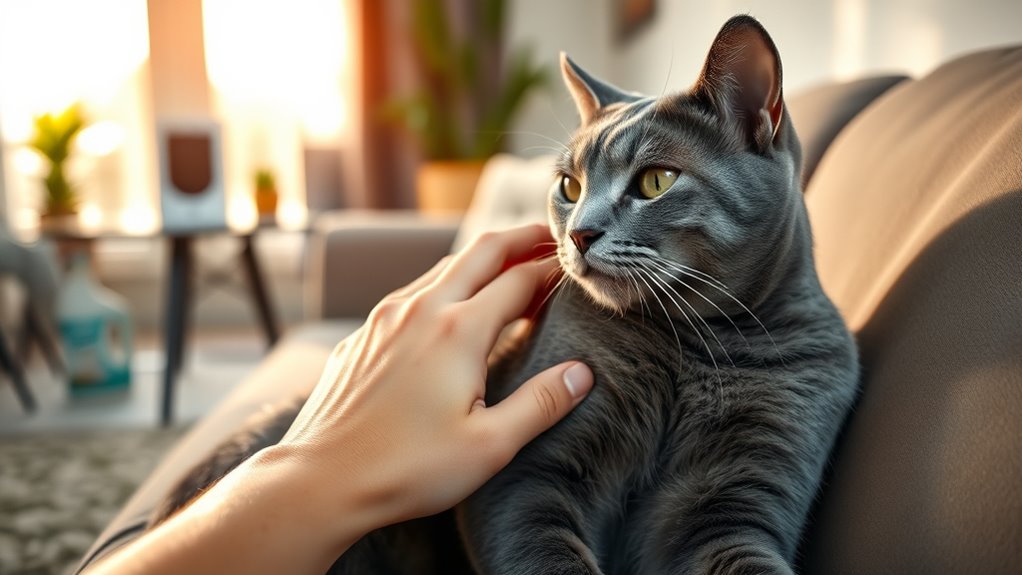
Cat allergies happen when your immune system overreacts to proteins found in a cat’s skin cells, urine, or saliva. These are called cat allergy triggers and can cause a range of allergic reactions.
When you encounter these triggers, your immune system mistakenly sees harmless proteins as threats. It releases chemicals like histamine, which cause symptoms like sneezing, itching, and watery eyes.
Understanding how your immune system reacts helps explain why some people are more sensitive to cats than others. The triggers are tiny particles that cling to fur and surfaces, making exposure common even if you try to avoid direct contact.
Your immune response varies based on genetics, environment, and previous exposure. Knowing these basics is key to managing allergies and finding ways to reduce your reactions over time.
Identify Allergens in Your Home
To effectively manage your allergies, it’s important to identify what’s triggering your symptoms in your home. Start by recognizing allergen sources like pet dander, dust mites, and certain fabric types that trap allergens. Your allergy symptoms may get worse with specific flooring choices, like carpets, or in areas with poor ventilation.
Regularly inspect and clean these spaces to reduce allergen buildup. Pay attention to dust mites in bedding, upholstered furniture, and curtains. Use dust-proof covers and wash your bedding often. Your grooming habits also matter—bathe and brush your cat regularly to minimize pet dander.
Be cautious with cleaning products, as some can irritate allergies. Choose hypoallergenic options whenever possible. Maintain proper humidity levels, ideally between 30-50%, to prevent dust mites and mold from growing. By pinpointing these allergen sources, you can better target your efforts to reduce exposure and improve your allergy management at home.
How to Reduce Cat Allergens Effectively?
Reducing cat allergens involves a mix of regular cleaning, good grooming, and creating an environment that minimizes allergen buildup. Try techniques like vacuuming with HEPA filters, washing bedding weekly, and using air purifiers to catch airborne particles.
Groom your cat regularly to help reduce dander spread. You might also consider hypoallergenic products like specially formulated shampoos or bedding to lower allergen levels. Keep clutter and fabric furniture to a minimum since these trap allergens.
Designate certain areas as allergen-free zones to limit your exposure. The table below highlights some effective methods:
| Cleaning Practices | Grooming & Care | Environment Control |
|---|---|---|
| Vacuum with HEPA | Regular brushing at home | Use air purifiers |
| Wash bedding weekly | Bathing with hypoallergenic shampoo | Remove carpets & curtains |
| Dust surfaces regularly | Keep cat out of bedrooms | Use hypoallergenic products |
| Declutter living spaces | Trim cat’s nails | Wash hands after handling cat |
| Clean HVAC filters | Consider professional grooming | Limit fabric furniture |
Boost Your Immune System Naturally
Want to give your immune system a natural boost? One of the best ways is to eat foods that are packed with nutrients—they help keep your whole body healthy and strong.
And don’t forget about moving your body regularly! Exercise not only keeps you fit but also helps your immune defenses work better, making it easier for your body to fight off allergens and other irritants.
Plus, getting enough good-quality sleep is key. When you rest well, your immune system has a chance to recover and stay resilient against things like pet dander and other irritants.
Nutrient-Rich Diet Choices
A nutrient-rich diet is the backbone of a strong immune system, helping your body fight off allergens and irritants. Including superfoods in your meals provides essential vitamins, minerals, and antioxidants to boost immune health.
Foods like berries, leafy greens, and nuts are full of nutrients that can help lower inflammation, which plays a big role in allergy symptoms. Eating a colorful mix of vegetables, fruits, whole grains, and lean proteins gives your body the tools it needs to stay resilient.
This kind of diet not only strengthens your immune response but also naturally reduces allergic reactions by fighting inflammation. Choosing nutrient-dense foods is a simple, effective way to build your defenses against cat allergies.
Regular Exercise Benefits
Regular exercise is one of the most effective ways to naturally strengthen your immune system. Engaging in cardio exercises like brisk walking, cycling, or swimming boosts circulation and helps your body fight off infections more efficiently.
Consistent movement also promotes the production of antibodies and white blood cells, which are essential for immunity. Incorporating mindfulness practices such as yoga or deep breathing reduces stress hormones that can weaken your immune response.
When you combine physical activity with mindfulness, you create a balanced approach that supports overall health. Regular exercise not only improves your body’s ability to defend against allergens but also boosts your mood and energy levels.
Staying active is a key step toward building a resilient immune system against cat allergies.
Adequate Sleep Hygiene
Getting enough quality sleep is essential for naturally strengthening your immune system. Good sleep hygiene means sticking to consistent routines and creating a sleep-friendly environment.
When you go to bed and wake up at the same time each day, your body can better regulate hormones and immune responses. Keep your room cool, dark, and quiet, and avoid screens before bed to help your body wind down.
Develop relaxing bedtime habits like reading or gentle stretching to signal that it’s time to relax. Limiting caffeine and heavy meals close to bedtime can prevent disruptions and improve sleep quality.
Prioritizing these habits makes your immune system better equipped to fight off allergens, including those from cats. Consistent, restful sleep is a simple yet powerful way to boost your immunity naturally.
Choose Allergy-Friendly Cats
When choosing a cat to reduce allergy symptoms, it’s helpful to pick breeds known for producing fewer allergens. Siberian Breeds and Balinese Cats are popular options because they often have hypoallergenic traits, though individual reactions can vary.
Before bringing a cat home, consider allergy testing to identify sensitivities. Opt for cats with coat types that shed less, like silky or hairless coats, to help reduce dander and allergens in the air.
Regular grooming is key—brushing your cat often can cut down on dander and support better respiratory health. Some breeds naturally produce fewer allergens thanks to their coat structure and grooming habits, which helps keep indoor air cleaner.
Manage Your Cat’s Environment for Better Air Quality
Keeping your home clean and well-ventilated is a great way to cut down on airborne allergens. Just a quick tip—regularly dust, vacuum with a HEPA filter, and wash your cat’s bedding. These simple steps can really help minimize irritants floating around in the air.
And don’t forget about air purifiers! They’re pretty effective at improving air quality and making your environment more comfortable for both you and your furry friend.
Regular Cleaning Practices
Regular cleaning is crucial for reducing airborne allergens and creating a healthier environment for both you and your cat. Consistent dust control and effective vacuum techniques help remove pet dander and prevent buildup.
Establishing cleaning schedules guarantees surfaces stay allergen-free, while allergy proofing your home minimizes triggers. Use surface wipes and hypoallergenic products to clean furniture and other surfaces regularly.
Laundry care is also essential. Wash your cat’s bedding and blankets frequently to eliminate allergens. Incorporate these practices to improve air quality and manage allergy symptoms:
- Regular vacuuming with HEPA filters
- Dusting with hypoallergenic products
- Frequent washing of pet bedding
- Using surface wipes for furniture
- Maintaining a consistent cleaning schedule
Air Purification Strategies
To effectively improve air quality and reduce cat allergen levels, incorporating air purification strategies into your home is key. Using air filtration systems can really help remove allergens and make the air safer for allergy sufferers.
High-efficiency particulate air (HEPA) filters are great because they capture tiny allergen particles, preventing them from circulating around your home. Place air purifiers in common areas and bedrooms to get the most benefit.
Remember to regularly change filters to keep your system performing at its best. Consider the options below to find the right fit for your needs:
| Air Purification Method | Key Benefit |
|---|---|
| HEPA Filters | Allergen removal |
| Activated Carbon Filters | Odor and chemical control |
| UV-C Purifiers | Kill bacteria and viruses |
| Ionic Air Cleaners | Reduce airborne particles |
| Whole-house Systems | Thorough air quality |
Implementing these strategies creates a cleaner, healthier environment for you and your cat.
Effective Medical Treatments for Cat Allergies
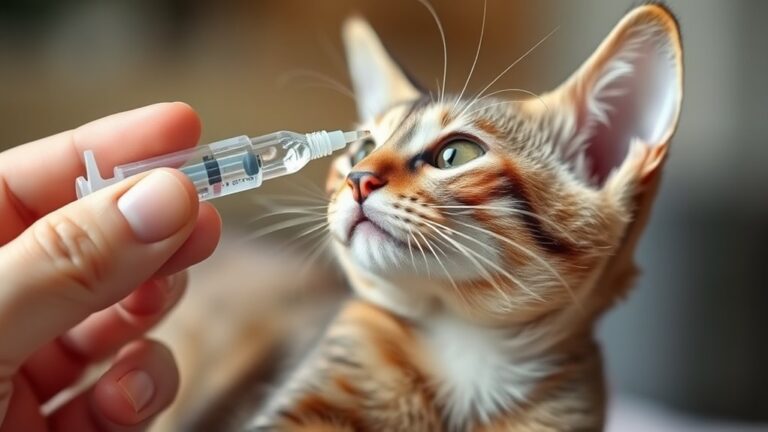
In managing cat allergies effectively, several medical treatments can help reduce your symptoms and improve your quality of life. You might consider immunotherapy options like allergy shots, which gradually desensitize your immune system to cat allergens.
Antihistamine treatments, available over the counter or by prescription, can quickly ease sneezing and itching. Nasal sprays, including corticosteroid medications, help reduce inflammation in your nasal passages and relieve congestion.
Combining these treatments with lifestyle modifications, such as keeping cats out of bedrooms, can boost your overall comfort.
Here are some effective options to look into:
- Immunotherapy (allergy shots)
- Antihistamines
- Nasal sprays
- Corticosteroid medications
- Lifestyle changes
Be sure to consult your healthcare provider to find the best combination for your needs. These options can significantly lessen allergy symptoms and help you manage your condition better.
Tips for Living Comfortably With Cats Despite Allergies
If you’re trying to enjoy your time with cats but are dealing with allergies, one good idea is to set up cat-free zones in your home, like your bedroom. This can really help reduce your exposure to allergens and give you a safe space to relax.
Also, keeping up with regular cleaning and vacuuming can make a big difference. It helps get rid of those tiny allergens that settle on surfaces and furniture, making your environment a lot more comfortable. And don’t forget about air purifiers with HEPA filters—they can really help cut down on airborne allergens and make breathing easier.
Create Cat-Free Zones
Creating designated cat-free zones in your home can really help reduce your exposure to allergens and make living with cats more comfortable. Pick specific areas like bedrooms or certain living rooms where cats aren’t allowed. This keeps allergens contained and gives you a safe space to relax.
To make these zones work better, keep the doors closed to keep cats out. Using air purifiers in these spaces can also really help filter out allergens. Try not to put any cat furniture in these areas, and ask your family to respect the boundaries.
Regular vacuuming and dusting in these zones is key to keeping allergens at bay. By following these steps, you’ll create a more allergy-friendly environment that still lets you enjoy your home.
Implement Regular Cleaning
Regular cleaning is key to managing cat allergens and living comfortably despite your allergies. Consistent deep cleaning and dust control help keep allergen buildup in check.
Use effective vacuum techniques on carpets, furniture, and curtains, and consider switching to allergy-proofing furniture when possible. Establish a cleaning schedule that includes regular maintenance like pet grooming and washing pet bedding.
Focus on dusting surfaces often and cleaning high-traffic areas more frequently. This routine helps minimize allergen circulation and keeps your environment healthier.
Here’s a quick tips table to help you stay on track:
| Tip | Action |
|---|---|
| Deep Cleaning | Use HEPA filters and thorough vacuuming |
| Dust Control | Wipe surfaces regularly |
| Regular Maintenance | Schedule weekly cleaning sessions |
| Furniture Choices | Opt for washable or allergen-resistant furniture |
Use Air Purifiers
Air purifiers can be a game-changer in managing cat allergies and making your living space more comfortable. Choosing the right types, like HEPA models, helps trap airborne allergens effectively.
Regular filter maintenance is crucial. Check and replace filters as recommended to keep your air purifier working at its best.
Place your air purifier in common areas like the living room or bedroom where you spend most of your time. Keep windows closed during high pollen seasons to prevent outdoor allergens from coming in.
Consistent use combined with cleaning routines helps reduce airborne cat dander and irritants. By maintaining your air purifier properly, you can breathe easier and enjoy your home despite allergies.
When to See an Allergist or Healthcare Professional?
Wondering when to see an allergist or healthcare professional about your cat allergy? If your symptoms stick around despite home remedies or get worse over time, that’s a sign you should seek help. An allergist can do allergy tests to confirm if cat allergies are the cause and help you create a plan to manage your symptoms.
Getting help early can prevent complications and improve your quality of life. Consider these situations to decide when it’s time to reach out:
| Situation | Action Needed |
|---|---|
| Symptoms interfere with daily life | Schedule an appointment with an allergist |
| Symptoms get worse despite home measures | Get allergy testing and personalized advice |
| Breathing issues or severe reactions | Seek immediate medical attention |
If any of these apply, don’t wait. Professional guidance can make a big difference in managing your allergy.
Final Tips for Living Well With Cats and Allergies
Once you’ve consulted with an allergist and taken steps to manage your symptoms, you can focus on practical ways to live comfortably with your cat. Understanding cat behavior helps minimize allergy triggers during pet interactions.
Regular grooming routines reduce allergen levels, especially during seasonal times when symptoms might get worse. Implement home modifications like air purifiers and designate pet-free zones to lower allergen exposure.
Stay aware of allergen levels and adjust your habits accordingly. Keeping your environment clean and sticking to a routine can really help manage allergy symptoms effectively.
Educate yourself about allergens so you can better anticipate and prevent flare-ups. Remember, small changes in your daily routine and how you interact with your cat can make a big difference.
The key is to stay proactive and mindful of how your lifestyle and home environment impact your allergies while still enjoying your cat’s company.
Frequently Asked Questions
Can Allergy Shots Completely Eliminate Cat Allergy Symptoms?
Allergy shots can greatly reduce your cat allergy symptoms, but they might not completely eliminate them. Many people see noticeable relief through treatments like immunotherapy that are backed by research.
However, individual responses vary, and some people might still have mild reactions. Working closely with your allergist and sticking to your treatment plan can help get the best results.
While allergy shots can improve your quality of life, they don’t guarantee total immunity, so managing your exposure to cats remains important.
Are There Specific Breeds Less Likely to Trigger Allergies?
Certain hypoallergenic breeds, like Siamese or Sphynx, are less likely to trigger your allergies because they shed less and produce fewer allergens.
To reduce allergen exposure, groom your cat regularly with proper techniques and keep your indoor environment clean.
While these breeds can help, no cat is completely hypoallergenic. Managing your environment actively is key to minimizing allergy symptoms and enjoying your feline companion.
How Long Does It Take to Build Immunity Through Allergy Immunotherapy?
Immunotherapy timeline varies, but you usually start noticing improvements within 6 to 12 months of allergy treatment options. The process involves regular injections or drops, gradually increasing the dose to build immunity.
Consistency is key, so make sure to follow your healthcare provider’s schedule closely. While some people feel relief sooner, full benefits often take about a year.
Patience and sticking with the treatment help maximize your chances of reducing allergy symptoms effectively.
Do Children Outgrow Cat Allergies Over Time?
Yes, children can outgrow cat allergies over time. As they develop, their immune systems change, which might reduce allergy symptoms.
Some kids notice less sneezing, itchy eyes, or asthma as they get older. But this isn’t true for everyone, so it’s not a guarantee.
It’s important to keep track of your child’s allergy symptoms and see an allergist. They can help determine if things are improving or if additional treatment is needed.
Can Diet Changes Influence Allergy Severity?
Diet changes can influence allergy severity, especially when you include probiotics benefits and dietary supplements. Probiotics help strengthen your immune system and may reduce allergic reactions.
Certain supplements like quercetin or vitamin C can also lessen allergy symptoms. By adjusting your diet to include these elements, you might notice a decrease in allergy severity.
Always check with a healthcare professional before making big dietary changes for allergy management.
Conclusion
Living with cat allergies doesn’t have to feel like battling a never-ending storm. With the right steps—identifying allergens, boosting your immunity, choosing the right cats, and seeking expert help—you can turn the tide in your favor.
Imagine a life where cuddles with your feline friend feel as natural as breathing, not a battle of sneezes and itchy eyes.
Take charge today and transform your home into a sanctuary of comfort and purr-fect harmony by building immunity to cat allergies.