How to Safely Give Your Cat Benadryl for Allergies
Many cat owners feel overwhelmed when their furry friends develop allergies and need medication. You’re not alone—figuring out how to safely give your cat Benadryl can be tricky and nerve-wracking.
But with the right guidance, you can help your cat feel better without stress or risk.
To safely give your cat Benadryl for allergies, first consult your vet to determine the correct dose based on your cat’s weight and health.
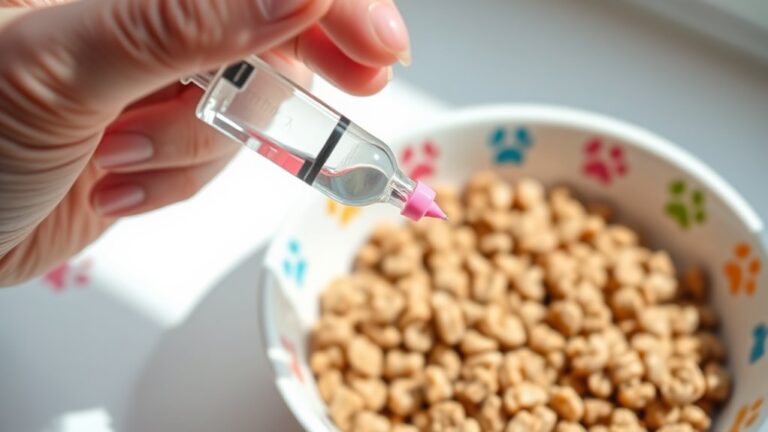
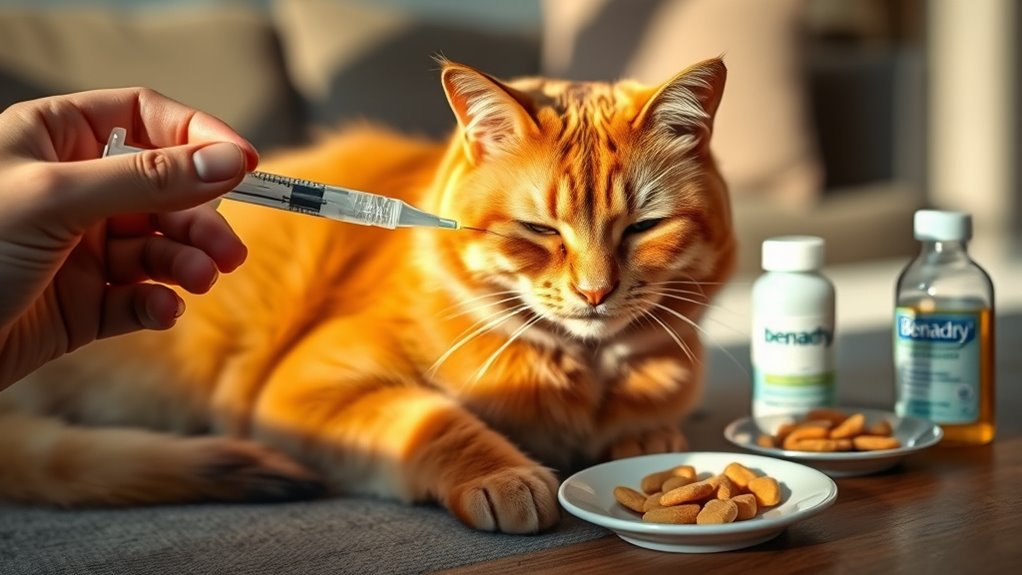
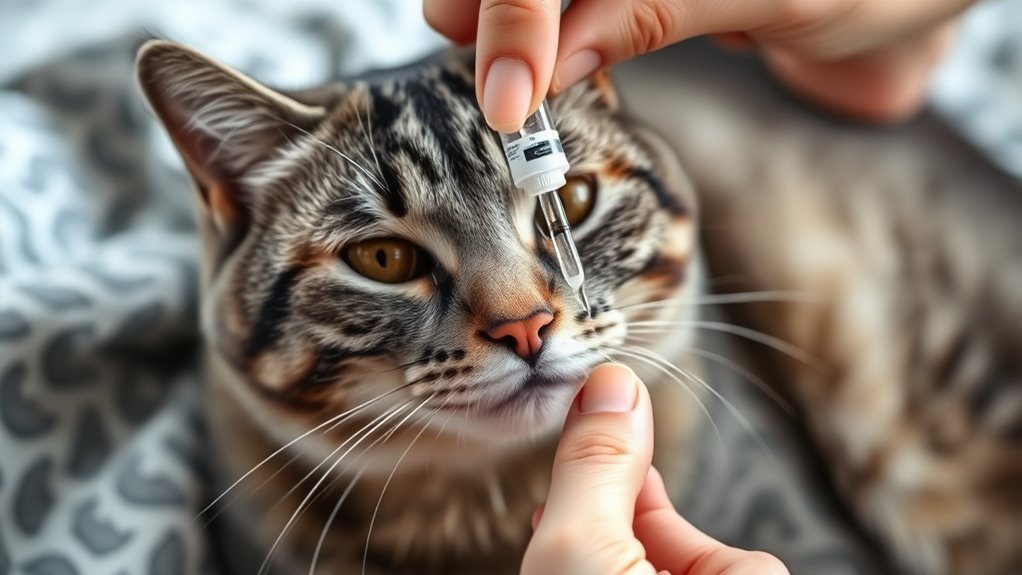
Use a syringe or dropper to administer the medication in the back of their mouth for easier swallowing, and watch closely for any adverse reactions like excessive drooling or difficulty breathing.
Monitoring your cat’s response and knowing when to seek vet help is vital.
Keep uncovering more ways to guarantee your cat’s safety and comfort.
Key Takeaways
- Always check with your veterinarian first to see if Benadryl is right for your cat and to get the proper dose.
- Use a syringe or dropper to give the medication in the back of your cat’s mouth for easier administration.
- The typical dose is about 1 mg of Benadryl per pound of your cat’s weight. Start with the lowest effective dose.
- Keep a close eye on your cat for any side effects like excessive sleepiness, vomiting, or trouble breathing.
- Track the doses and watch for any worsening symptoms. Get veterinary help right away if serious side effects happen.
Does Your Cat Need Benadryl for Allergies?
Wondering if your cat needs Benadryl for allergies? First, understand that causes can include pollen, dust, certain foods, or flea bites. Symptoms like sneezing, itchy skin, watery eyes, or swelling show possible allergies.
Before giving any medication, it’s really important to figure out if your cat actually needs Benadryl or if there are safer alternatives. Sometimes, changing the environment or switching to special diets can help reduce allergic reactions.
Always consult your vet first to determine if Benadryl is necessary or if safer options exist for your cat.
Keep in mind that not all cats respond well to antihistamines, and using them improperly can cause side effects. Always check with your vet first to see if your cat’s symptoms are allergy-related and if Benadryl is safe to use.
Knowing the root cause of allergies helps you find the right treatments and alternatives. This way, you can keep your feline safe and comfortable. Remember, self-diagnosing can be risky, so always get professional advice before giving any medication.
Why You Should Talk to Your Vet Before Giving Benadryl
Consulting your vet before giving Benadryl to your cat is essential because they can determine the right dosage and confirm it’s safe based on your pet’s health history. Without professional guidance, you might give an unsafe dose or miss underlying health issues.
Your vet can also suggest Benadryl alternatives that might be safer or more effective for allergy prevention. They assess your cat’s overall health and any potential medication interactions.
Plus, they can recommend safe allergy management strategies and natural or alternative remedies. This helps you avoid accidental overdose or adverse reactions.
A vet’s advice is tailored to your pet’s specific needs, making sure you’re doing what’s best for your cat. Always remember, self-medicating your cat can be risky.
Talking to your vet confirms your cat stays safe while managing allergies effectively. It’s the best way to keep your furry friend healthy and comfortable.
How to Find the Right Benadryl Dose for Cats
Your cat’s weight really matters when it comes to giving them Benadryl, so it’s super important to follow the right guidelines. Before anything else, make sure to chat with your veterinarian—they can give you the safest and most accurate dose for your kitty.
And remember, don’t just rely on what you read online. Every cat is different, so getting professional advice is the best way to keep your furry friend safe.
Weight-Based Dosage Guidelines
Determining the correct Benadryl dose for your cat starts with knowing its weight. Proper dosage accuracy is crucial to manage allergy symptoms effectively without risking overdose.
Typically, the dosage is about 1 mg per pound of your cat’s weight, but always double-check with your vet. Here are some tips to help you find the right dose:
Use a precise scale to weigh your cat regularly.
Check the medication label for dosing instructions.
Start with the lowest effective dose to see how your cat responds.
Keep a record of doses and any changes in allergy symptoms.
Never guess or eyeball the dose—accuracy is key.
Getting the dosage right ensures your cat’s safety and comfort during allergy flare-ups.
Consult Your Veterinarian
Because every cat reacts differently to medications, it’s important to talk to your veterinarian before giving Benadryl. Your vet can identify your cat’s specific allergy triggers and recommend the correct dosage for their needs. They can also tell you if Benadryl is the best choice or if there are safer or more effective alternatives.
Consulting your veterinarian helps you avoid potential adverse reactions and ensures you use the proper administration method. Your vet can also advise on how to monitor your cat’s response and adjust the dose if needed.
Never guess or rely only on online information. Professional guidance is essential for safely managing your cat’s allergies and choosing the right treatment.
How Do You Safely Give Benadryl to Your Cat?
Giving your cat Benadryl safely is all about making sure you’re giving the right dose and doing it the right way. It’s always best to follow your vet’s instructions closely and double-check the amount before giving the medication. You want to be careful to avoid any mistakes that could hurt your cat or make the medication less effective.
Proper Dosage Determination
Ensuring you give your cat the correct dose of Benadryl is key for their safety and effectiveness. Proper dosage depends on your cat’s weight and how severe their allergy symptoms are.
To do this safely, always check with your vet first. Use a reliable calculator or follow your vet’s guidance for calculating the right dose.
Typically, about 1 mg per pound of your cat’s weight is recommended. Keep an eye out for allergy signs like itching, swelling, or sneezing.
After giving the medication, watch your cat closely for any adverse reactions. Getting the right dose helps prevent under-treatment or overdose, keeping your cat comfortable and safe during allergy flare-ups.
Administering Medication Safely
Administering Benadryl to your cat safely requires careful preparation and gentle handling. Use proper administering techniques to keep your cat calm and comfortable.
Always double-check the dosage before giving the medication, as giving the wrong amount can be harmful. To help, follow these simple tips:
| Step | Technique | Purpose |
|---|---|---|
| 1 | Use a syringe or dropper | For precise delivery |
| 2 | Hold gently but firmly | To prevent escape or biting |
| 3 | Administer in the back of the mouth | To make swallowing easier |
| 4 | Observe for reactions | To ensure safety |
| 5 | Reward your cat afterward | To reduce stress |
What Are the Signs Your Cat Is Having an Allergic Reaction?
How can you tell if your cat is having an allergic reaction? Recognizing allergy symptoms early is key to keeping your cat safe. Changes in behavior are often your first clue. Look for signs like excessive scratching or grooming, swelling around the face or paws, and sneezing fits.
Other warning signs include vomiting, diarrhea, or trouble breathing. Keep an eye out for persistent itching or biting at the skin, as well as swelling of the lips, face, or eyes. Respiratory issues like wheezing or coughing are also common.
You might notice your cat becoming lethargic or suddenly irritable. Loss of appetite or unusual hiding can also be signs. If you see any of these, act quickly. Allergic reactions can escalate, especially if breathing becomes difficult.
Stay vigilant and consult your vet if you suspect your cat is having an allergic reaction. Quick action can make all the difference in your cat’s health.
What Should You Watch for After Giving Benadryl?
What should you watch for after giving your cat Benadryl? After administering the medication, it’s important to keep an eye on your cat’s behavior and physical responses over the next few hours.
Watch for any signs of unusual sedation, like excessive sleepiness or lethargy, which could mean the medication is too strong. Also, look out for worsening allergy symptoms or new issues such as vomiting, diarrhea, or difficulty breathing.
Tracking your cat’s allergy symptoms helps you see if the Benadryl is helping or if you need to make adjustments. During this time, avoid giving additional doses unless your vet says it’s okay.
If you notice any serious side effects or concerning changes, contact your vet right away. Monitoring your cat and keeping track of symptoms helps keep them safe and shows how well the medication is working.
What Are the Common Side Effects and Risks of Benadryl in Cats?
Benadryl is generally safe for most cats when used correctly, but it can cause some common side effects and carry certain risks. You should watch for signs like drowsiness, dry mouth, or urinary retention, which are typical symptoms of Benadryl’s side effects.
While allergic reactions are rare, they can include vomiting, diarrhea, or difficulty breathing, requiring immediate vet attention. To minimize risks, follow safety precautions and always stick to the recommended dosage, as overdose can lead to severe health issues.
Be cautious about dosage concerns, especially if your cat has other health conditions or is on medication. Always consult your veterinarian before administering Benadryl.
Are There Safe Alternatives to Benadryl for Cat Allergies?
Are there safe options besides Benadryl to manage your cat’s allergy symptoms? Yes, some over-the-counter choices might help, but always check with your vet first. Natural remedies like omega-3 fatty acids can boost your cat’s immune system and help reduce inflammation.
There are also antihistamines made specifically for cats, but you should use them only under veterinary guidance. Some herbal supplements or calming ingredients might also help ease your cat’s allergy discomfort.
Keep in mind, not all natural remedies are safe for cats. Never give your pet human medications or supplements without professional advice. Your vet can recommend the safest, most effective options for your cat’s specific needs.
Always watch your pet closely when trying new remedies. Prioritize veterinary guidance to avoid any adverse reactions. This way, you’re choosing safe, effective alternatives that support your cat’s health.
When Should You Stop Giving Benadryl and See the Vet?
If your cat starts showing any bad reactions like vomiting, diarrhea, or trouble breathing, you should stop giving Benadryl right away and reach out to your vet. It’s really important to get professional advice if you’ve been giving it for a few days and there’s no improvement. Keep a close eye on how your kitty is doing — catching any problems early can make all the difference in keeping your pet safe.
Signs of Adverse Reactions
While giving Benadryl to your cat can be helpful, it’s really important to watch for any signs of adverse reactions. If your cat shows any unusual or severe allergy symptoms, stop the medication right away and call your vet.
Be alert for how serious the reaction might be, because some signs need urgent care. Keep an eye out for excessive drooling or vomiting, difficulty breathing or wheezing, swelling around the face or neck, severe lethargy or weakness, and a rapid or irregular heartbeat.
These symptoms could mean a serious reaction and require immediate veterinary attention. Even mild signs like drowsiness or slight lethargy can get worse, so always monitor your cat closely after giving Benadryl. If you’re unsure about how severe the reaction is, don’t hesitate to seek professional advice.
Duration of Treatment
Generally, you should stop giving your cat Benadryl and consult your vet if you notice persistent or worsening symptoms after a few doses. Also, if the medication isn’t providing relief within 24 to 48 hours, it’s time to check with your vet.
The duration of treatment depends on your vet’s advice, but usually, Benadryl is used for short-term relief. Follow the recommended intervals carefully—usually every 8 to 12 hours—and avoid exceeding the prescribed dose.
If your cat’s condition improves, your vet might suggest gradually reducing how often you give the medication. But if symptoms stick around for more than a few days or get worse, be sure to get veterinary guidance.
Never extend or change how long you give Benadryl without talking to your vet. Prolonged use without supervision can lead to adverse effects.
Tips to Help Prevent Allergies and Keep Your Cat Comfortable
To help prevent allergies and keep your cat comfortable, start by maintaining a clean environment and minimizing exposure to potential allergens. Focus on natural remedies and allergy prevention strategies to reduce discomfort.
Regular grooming, like brushing your cat frequently, helps remove pollen and dander. Keep the indoor environment well-ventilated and improve air quality with air purifiers.
Consider diet adjustments that support immune health and reduce allergic reactions. Seasonal awareness can help you anticipate and manage flare-ups, especially during high pollen months.
Stress reduction also plays an essential role in overall comfort and immune support. Schedule regular vet checks to catch issues early and tailor prevention plans.
Use air purifiers to improve air quality. Groom your cat regularly to reduce dander. Adjust diet to boost immune support.
Maintain a clean, allergen-free indoor environment. Be mindful of seasonal allergy triggers.
Frequently Asked Questions
Can Benadryl Be Used Long-Term for Allergy Management in Cats?
You should avoid using Benadryl long-term for your cat’s allergies, as it can cause adverse effects like sedation or liver problems.
Instead, talk to your vet about allergy alternatives, such as hypoallergenic diets or other medications that might be better suited for prolonged use.
Monitoring your cat’s response and working with your vet helps ensure safe allergy management and reduces the risk of health issues from long-term Benadryl use.
Always prioritize your cat’s health and consult your vet before making any changes to their treatment plan.
Are There Specific Ingredients to Avoid in Human Benadryl for Cats?
You should avoid human Benadryl products with active ingredients like acetaminophen, alcohol, or pseudoephedrine, as these are toxic to cats.
Stick to formulations with diphenhydramine only. Check the dosage forms—liquid, tablets, or capsules—and make sure they don’t contain any additional ingredients or fillers that could harm your feline.
Always verify the label carefully and consult your vet before giving any medication, even over-the-counter ones.
How Often Can I Safely Give Benadryl to My Cat?
You might think more Benadryl means quicker relief, but that’s not true. You should give your cat Benadryl only as directed by your vet, usually every 8-12 hours.
Stick to the recommended dosage and watch your cat’s allergy symptoms closely. Overdosing can be dangerous, so don’t try to give more than advised.
Always check with your vet before giving your cat more Benadryl than recommended. Your cat’s health depends on it.
Can Benadryl Interact With Other Medications My Cat Is Taking?
Benadryl can interact with other medications your cat is taking, so it’s important to check the medication history first.
Certain drugs, like sedatives or antidepressants, may cause adverse effects when combined with Benadryl.
Always talk to your vet before giving your cat Benadryl to determine the right dosage and avoid harmful interactions.
Monitoring your cat and reporting any unusual behavior is key to keeping your pet safe during treatment.
What Should I Do if My Cat Accidentally Overdoses on Benadryl?
If your cat accidentally overdoses on Benadryl, act quickly. Watch for overdose symptoms like rapid breathing, tremors, or seizures.
Immediately contact your veterinarian or an emergency animal poison control center. Follow their instructions carefully.
Try to keep your cat calm and comfortable. Do not attempt to induce vomiting unless instructed by a professional.
Prompt emergency response is essential to prevent serious health complications.
Conclusion
Remember, giving your cat Benadryl can help manage allergies, but it’s crucial to check with your vet first to ensure it’s safe.
While it might seem easier to dose your cat at home, getting professional guidance helps determine the right amount and reduces risks.
By staying informed and cautious, you can help your feline stay comfortable without unnecessary worries.
Always follow your vet’s advice—your cat’s health and happiness depend on it.