Why Do Cats Slobber When You Pet Them?
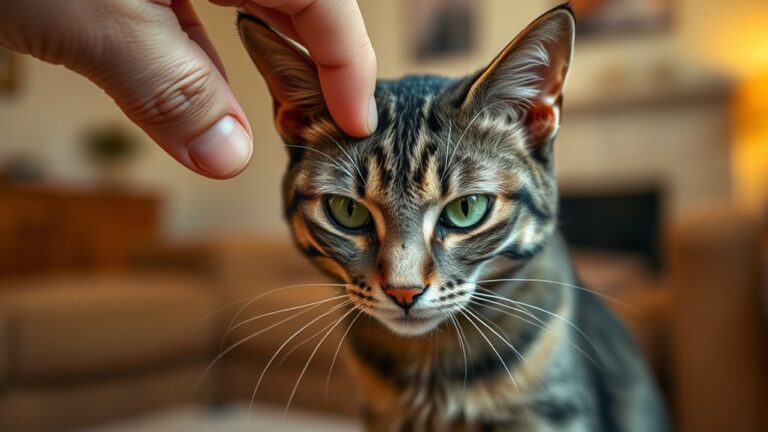
Are you noticing your cat slobbering when you pet them and wondering if it’s normal? You’re not alone—many pet owners worry about whether this behavior is a sign of happiness or something more serious.
Understanding why cats drool can help you better care for your furry friend.
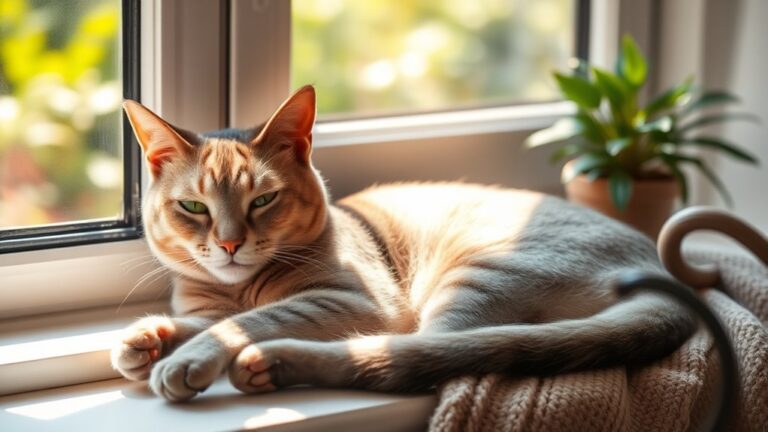
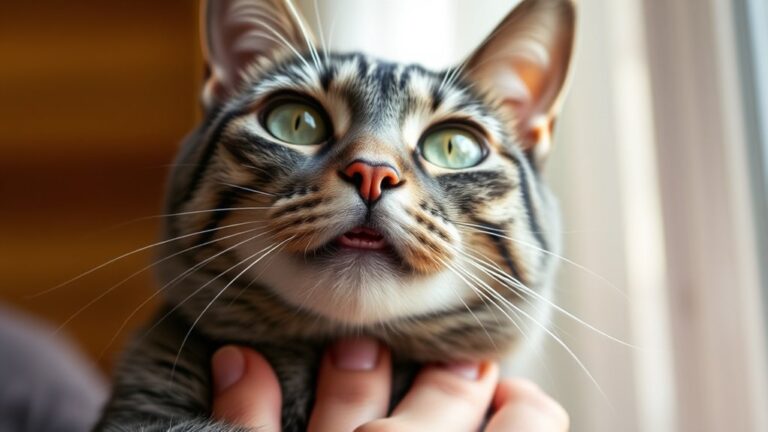
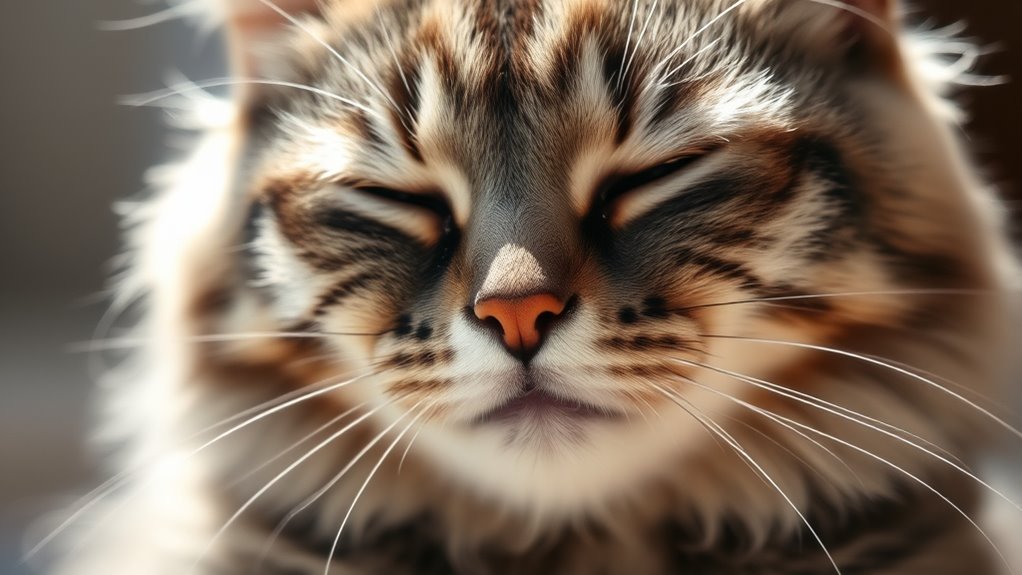
When your cat slobbers while you pet them, it’s often a sign they’re relaxed and comfortable, showing their contentment.
However, if the drooling is excessive, it could indicate health issues like dental problems, nausea, or stress.
Stress or overstimulation can also cause drooling, especially if your cat becomes overwhelmed.
Understanding your cat’s body language can help.
Keep going to uncover more about normal versus abnormal drooling and what you should watch for.
Key Takeaways
- Cats often slobber when they’re relaxed and happy during petting. It’s a sign they’re comfortable and enjoying the attention.
- Some spots may trigger a reflexive drooling response when touched, like certain sensitive areas.
- If your cat is drooling excessively, it could be a sign of dental problems, nausea, or other health issues. It’s worth checking with a vet.
- Stress or overstimulation from petting can also cause drooling, showing your cat might be feeling overwhelmed.
- Sudden or heavy slobber might be a sign of a medical emergency, like an oral injury or underlying illness.
Is My Cat’s Drooling Normal or a Sign of a Problem?
Is your cat drooling more than usual, leaving you wondering if it’s normal? Knowing whether your cat’s drooling is just part of normal behavior or a sign of a problem depends on recognizing what triggers it.
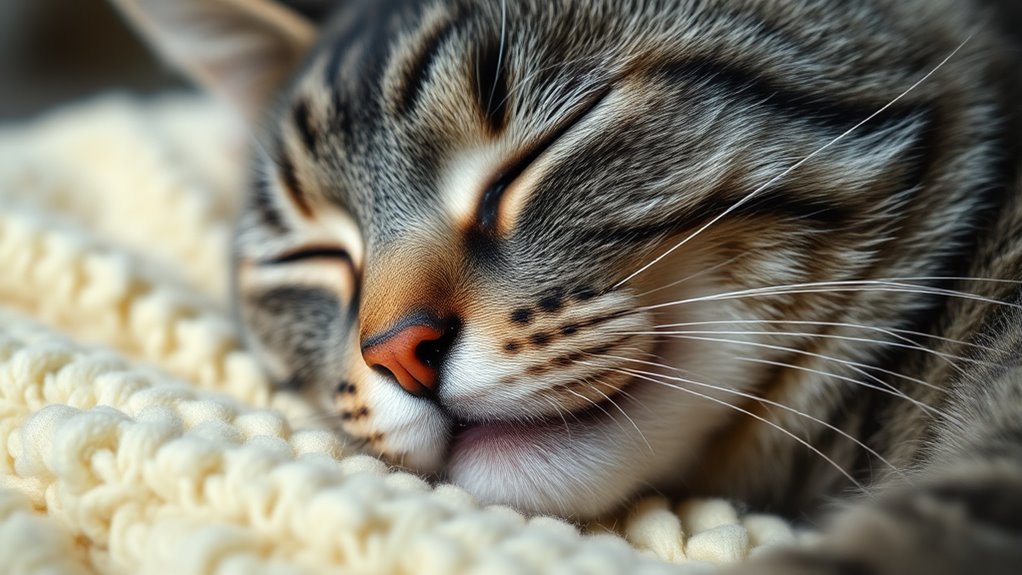
Some cats drool when they’re relaxed, happy, or during grooming, which is totally normal. But excessive drooling can also be a sign that something’s wrong.
Some drooling is normal, but excessive drooling may indicate a problem.
Pay attention to patterns—if your cat drools after eating or during play, it’s usually okay. However, if the drooling happens suddenly, is ongoing, or comes with other signs like pawing at the mouth, it might mean a dental issue, nausea, or injury.
It’s important to watch for these signs and consider any recent changes in your cat’s environment or routine. Knowing what’s normal helps you figure out if your cat’s drooling is harmless or if you should visit the vet.
How to Tell if Your Cat’s Drooling Is Normal or Abnormal
Understanding whether your cat’s drooling is normal or something more serious means paying attention to specific behaviors and patterns.
Normal drooling usually happens during relaxed moments, like petting or grooming, and tends to be slow and controlled. If your cat drools while purring or looks content, it’s probably normal.
But abnormal drooling can come on suddenly, be excessive, or come with other signs like pawing at the mouth, trouble swallowing, or bad breath. You might also see your cat drooling in stressful situations or when they’re unwell.
Check the consistency of the drool—thick, frothy, or bloody drool indicates a problem. The key is to see if the drooling matches your cat’s usual behavior or if it’s paired with signs of discomfort or illness.
If you’re unsure, it’s best to talk to your vet for an accurate diagnosis.
Common Causes of Cat Drooling During Petting
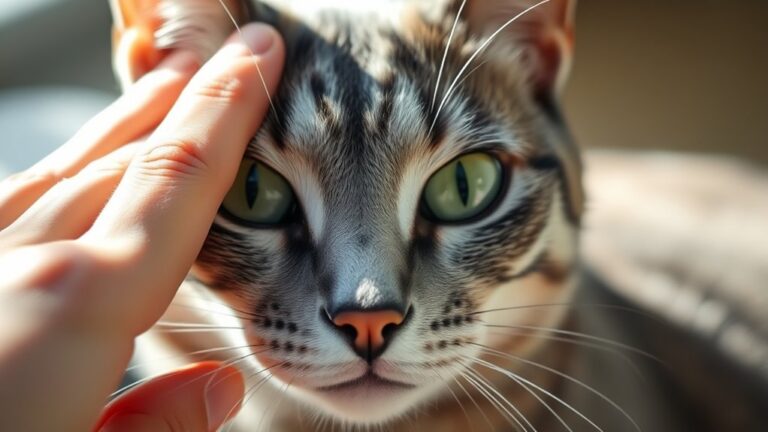
When your cat drools during petting, it usually means they’re feeling relaxed and comfortable. If they start to purr or lean into your touch, that’s a good sign they trust you. Understanding what causes this helps you interpret their signals better.
Common reasons for drooling during petting include feeling relaxed and enjoying the moment. Certain spots on their body might also trigger a more relaxed response. Gentle, slow strokes often encourage this feeling of comfort and can lead to drooling.
Sometimes, drooling can be an early sign of overstimulation or stress. It’s important to watch their body language and see if they start to withdraw or seem uneasy. Recognizing these cues helps ensure your cat stays happy and relaxed during petting.
Why Might My Cat Be Drooling Excessively? Medical Reasons Explained
If your cat is drooling a lot more than usual, it could be because of dental issues like infections or tooth decay. Sometimes, dental problems can be uncomfortable or painful, making your kitty drool more than normal.
Other times, things like nausea or exposure to toxins might cause your cat to salivate excessively. That’s often a sign that something’s not quite right health-wise.
Just keep an eye on your cat and see if the drooling continues or if you notice any other symptoms. If it does, it’s a good idea to check in with your veterinarian to figure out what’s going on and get it sorted.
Dental Problems and Drooling
Dental problems are a common cause of excessive drooling in cats and shouldn’t be overlooked. Poor oral hygiene can lead to issues like tooth decay, which irritates your cat’s mouth and causes drooling.
If your cat has dental pain or infections, they may drool more than usual, especially when you pet them near their mouth. Watch for signs like bad breath, red or swollen gums, difficulty eating, or pawing at their mouth.
Keeping up with good oral hygiene through regular dental check-ups and cleanings can help prevent these problems. Ignoring dental health can lead to infections that cause persistent drooling and discomfort.
Addressing dental issues early helps keep your cat comfortable and healthy.
Nausea or Toxicity Risks
Excessive drooling in your cat can be a sign of nausea or exposure to toxins, which need quick attention. Symptoms of nausea include drooling, vomiting, or loss of appetite, showing your cat isn’t feeling well.
Toxicity sources can vary and include plants, chemicals, certain foods, or medications that are unsafe for cats. If your cat comes into contact with these, they might drool excessively as a reaction.
It’s important to act fast—remove any potential toxins and contact your veterinarian right away. Toxicity can lead to serious health problems if not addressed quickly.
Watch for other signs like lethargy, diarrhea, or abnormal behavior, which can help identify what’s wrong. Getting immediate veterinary care is crucial to keep your cat safe and help them recover.
Dental Problems That Cause Cats to Drool
If you notice your cat drooling more than usual, it could be a sign that something’s up with their dental health. Sometimes, bad breath, swollen gums, or even bleeding can be clues that your kitty isn’t feeling well in their mouth.
Dental problems can cause quite a bit of discomfort for your cat, which is why they might drool more than normal. Catching these signs early can make a big difference, so keep an eye out and don’t hesitate to check in with your vet if you notice anything out of the ordinary.
Dental Disease Indicators
When your cat starts drooling more than usual, it could be a sign of dental problems that need attention. Keep an eye out for clear indicators like bad breath, red or swollen gums, difficulty eating, or visible tartar buildup.
These signs suggest your cat’s dental hygiene might be compromised and should be checked by a professional. Regular dental check-ups are important to catch issues early and prevent pain or infection.
Watch for persistent bad breath, bleeding or inflamed gums, missing or loose teeth, and excessive saliva or drooling. Early detection through routine exams can help address problems before they get worse.
This way, you can keep your cat comfortable and healthy by staying ahead of dental issues.
Pain and Discomfort
| Discomfort Signs | Emotional Impact | Your Response |
|---|---|---|
| Pawing at mouth | Frustration, confusion | Schedule a vet visit |
| Avoiding contact | Anxiety, fear | Check for dental issues |
| Drooling excessively | Suffering, distress | Seek professional help |
| Loss of appetite | Weakness, fatigue | Address pain promptly |
| Decreased grooming | Neglect, discomfort | Prioritize dental care |
Could Stress or Anxiety Make My Cat Drool More?
Stress or anxiety can definitely cause your cat to drool more than usual. When your feline feels overwhelmed, it’s often linked to stress triggers or signs of anxiety that signal discomfort. These feelings can increase saliva production, leading to drooling. Recognizing these signs helps you understand your cat’s emotional state.
Stress and anxiety can cause your cat to drool more than usual, signaling discomfort and emotional distress.
Common stress triggers include unfamiliar environments, loud noises, or new people. Anxiety signs may also include hiding, excessive grooming, or changes in appetite. If your cat is experiencing ongoing stress, it might drool more as a physical response to the tension.
To help reduce this, provide a calm environment and keep routines consistent. Watch out for sudden changes in surroundings, unfamiliar visitors or pets, loud noises, or routine disruptions.
Managing your cat’s stress and addressing anxiety signs can help prevent excessive drooling caused by emotional distress.
Signs Your Cat’s Drooling Is an Emergency
Recognizing when your cat’s drooling signals a medical emergency is crucial because it could mean serious health problems that need immediate attention. Sudden or excessive drooling, especially if it’s unusual for your cat, is a warning sign.
Keep an eye out for signs like trouble breathing, swelling around the face or mouth, bleeding, or if your cat seems to be in pain. These drooling issues could be caused by dental problems, poisoning, or allergic reactions.
| Signs of Emergency | Possible Causes |
|---|---|
| Excessive or sudden drooling | Dental disease, poisoning |
| Swelling or bleeding around mouth | Trauma, infection |
| Difficulty breathing or choking | Allergic reaction, airway blockage |
If you notice any of these signs, get your vet help right away. Ignoring them could lead to life-threatening complications.
How to Calm Your Cat During Petting If It Starts Drooling
If your cat starts drooling while you’re petting them, it’s a good idea to keep an eye on how they’re reacting. Look out for signs that they might be uncomfortable, like stiffening up or trying to pull away.
To help calm them down, try using gentle, slow strokes instead of quick or firm movements. This kind of soft touch can be really soothing and help prevent overstimulation.
Creating a quiet, relaxed environment is also super helpful. When your cat feels safe and at ease, they’re less likely to drool from excitement or stress during cuddles. Just take it easy and let your kitty set the pace!
Recognize Signs of Discomfort
Drooling during petting can be a sign that your cat is feeling overwhelmed or uncomfortable, so it’s important to pay attention to their body language cues. Recognizing signs of discomfort helps you prevent stress and keep your feline behavior positive. Look for:
- Tense muscles or stiffening
- Flattened ears or twitching tail
- Dilated pupils or avoiding eye contact
- Moving away or trying to escape
These signals indicate your cat may be overstimulated or anxious. If you notice any of these signs, gently stop petting and give your cat space. By understanding their body language cues, you can respond appropriately, helping your cat relax and enjoy petting sessions without feeling overwhelmed. Remember, respecting their boundaries is key to maintaining trust.
Use Gentle Petting Techniques
Using gentle petting techniques can help soothe a cat that begins drooling during interaction. To calm your cat, focus on gentle strokes along their back, chin, or behind the ears, avoiding any pressure that might cause discomfort.
Keep your movements slow and deliberate, using calming techniques like soft voice tones to reassure your feline. Pay attention to their body language; if they seem relaxed, continue with gentle strokes.
If they show signs of overstimulation or discomfort, stop immediately. Consistency is key—regular, gentle petting can build trust and reduce stress.
Create Calm Environment
Creating a calm environment can make a big difference when your cat starts drooling during petting. To help soothe your cat, try reducing overstimulation by minimizing loud noises and sudden movements.
You can also add calming music and soft lighting to create a tranquil space that encourages relaxation. This peaceful setting helps reassure your cat and makes petting sessions more comfortable.
Consider these tips:
- Play calming music at a low volume
- Use soft, warm lighting instead of harsh lights
- Keep petting gentle and slow
- Provide a cozy, quiet spot for your cat to retreat to if needed
When Should I See the Vet About My Cat’s Drooling?
Have you noticed your cat drooling more than usual or showing other worrying signs? If so, it’s a good idea to consider a visit to the vet. Excessive drooling can be caused by things like dental problems, nausea, or illness.
If your cat’s drooling continues, gets worse, or is paired with signs like pawing at the mouth, vomiting, lethargy, or trouble eating, don’t wait. These are signs that your cat needs a professional check-up.
Getting veterinary care early can stop small issues from turning into bigger health problems. If your cat suddenly starts drooling heavily, that’s an emergency and needs immediate attention.
Pay close attention to your cat’s behavior and health. Recognizing when to see the vet helps ensure your cat gets the treatment they need and starts feeling better soon.
Tips to Prevent Stress and Health Issues That Lead to Drooling
Addressing the causes of drooling before they become serious can save your cat from discomfort and health issues. Stress and anxiety are common triggers, but you can help prevent them with effective stress management and calming techniques.
Start by creating a quiet, predictable environment that minimizes sudden changes. Use soothing sounds or pheromone diffusers to promote relaxation. Regular play sessions can also reduce anxiety and keep your cat mentally stimulated.
Consider these tips:
- Provide cozy resting spots in low-traffic areas
- Use calming sprays or diffusers designed for cats
- Maintain a consistent feeding and routine schedule
- Offer interactive toys to redirect attention from stressful stimuli
Frequently Asked Questions
Can Cats Drool When They’Re Happy or Relaxed?
Yes, cats can drool when they’re happy or relaxed. This behavior is part of some happy cat behaviors and often happens during gentle petting or cuddling.
The triggers for drooling include feeling content, comfortable, or safe with you. When your cat drools while being petted, it’s usually a sign they’re very relaxed and trusting.
Just keep an eye on the drooling—if it’s excessive, it could be a health issue worth checking out.
Does Age Affect How Much Cats Drool?
As cats get older, they tend to drool more often. Studies show that senior cats are about 30% more likely to slobber during petting sessions.
This increase in drooling is pretty common and usually reflects changes in their oral health or nervous system. You might notice your older cat being more relaxed and slobbery, especially when they feel safe and comfortable.
Knowing this can help you take better care of your aging feline friend.
Are Certain Cat Breeds More Prone to Drooling?
Yes, some cat breeds are more likely to drool because of their genetic traits and breed characteristics. Breeds like Persians, Ragdolls, and Maine Coons tend to drool more often due to their facial structure or dental issues.
These genetic factors can cause saliva to build up, which might lead to drooling when you pet them. If your cat is drooling more than usual, it’s a good idea to check with a vet, especially if it’s not typical for your cat.
Can Human Food Cause My Cat to Drool More?
Yes, human food can cause your cat to drool more. Certain foods act as triggers, especially if they’re spicy, salty, or fatty, which their digestive systems can’t handle well.
When your cat tastes or smells these foods, it may produce excess saliva as a reaction. Always be cautious with what you share, and avoid giving your cat human food to prevent unnecessary drooling or health issues.
Is Drooling a Sign of a Behavioral Issue in Cats?
Is drooling a sign of a behavioral issue in cats? Not necessarily. It often happens because of stress or dental problems.
If your cat drools a lot while you’re petting them, they might be feeling overwhelmed or uncomfortable. Pay attention to their body language and check their teeth regularly.
If the drooling continues or if you notice other signs, it’s best to check with your vet to rule out any medical issues.
Conclusion
Just like a whispered secret from the ancients, your cat’s drooling can tell you a lot about its health and happiness.
By paying close attention and understanding the signs, you become its guardian—much like a modern-day Dr. Dolittle. Keep watch during petting and address any concerns promptly.
Remember, your attentive care can turn a simple drool into a healthy, happy purr-fect life together. If your cat drools when you pet them, it’s a sign to pay attention and ensure they’re comfortable and healthy.