Is Hartz Flea Medicine Safe for Cats?
Many cat owners worry about keeping their furry friends safe from fleas, but finding the right treatment can be stressful. You’re not alone—many people struggle to find effective options that won’t harm their cats.
Hartz flea medicines are not considered entirely safe for cats, as reports of adverse reactions such as itching, redness, vomiting, or even severe allergic responses have been linked to these products. Many veterinarians warn about their potential toxicity and recommend safer, vet-approved options instead.
If you want to protect your cat effectively without risking health issues, it’s important to investigate trustworthy alternatives and learn what signs to watch for if reactions occur. Keep going to find out more.
Key Takeaways
- Hartz flea products pose safety concerns because there have been reports of adverse reactions and toxicity in cats.
- Serious allergic reactions, like swelling and trouble breathing, have been documented with Hartz treatments.
- Proper application and dosage are important to reduce risks, but safety can vary from cat to cat.
- Many vets recommend alternative, prescription flea treatments because they tend to be safer and more reliable.
- Natural and holistic flea control methods can also work well to reduce infestations with fewer health risks for your cat.
What Are Hartz Flea Medications for Cats?
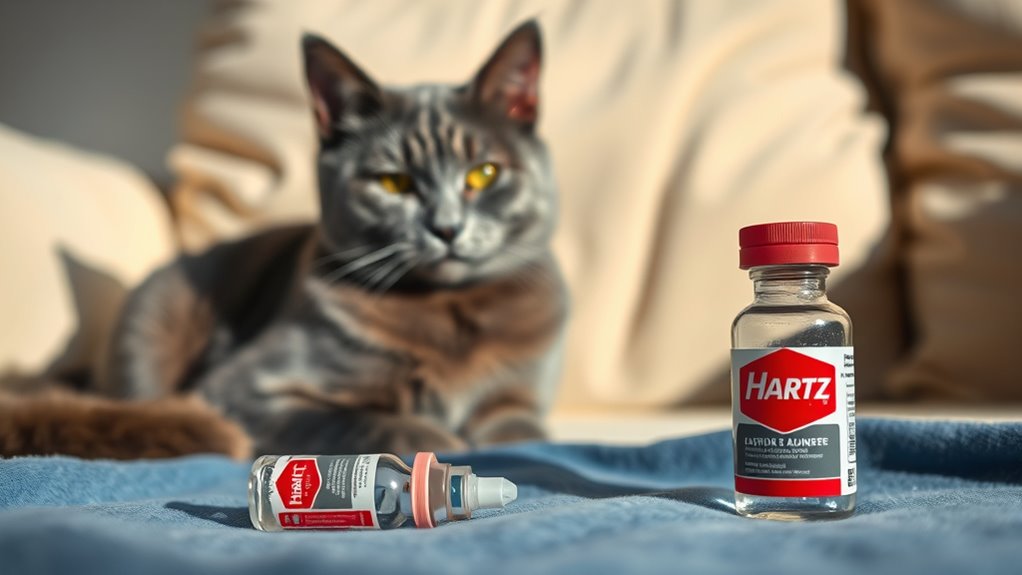
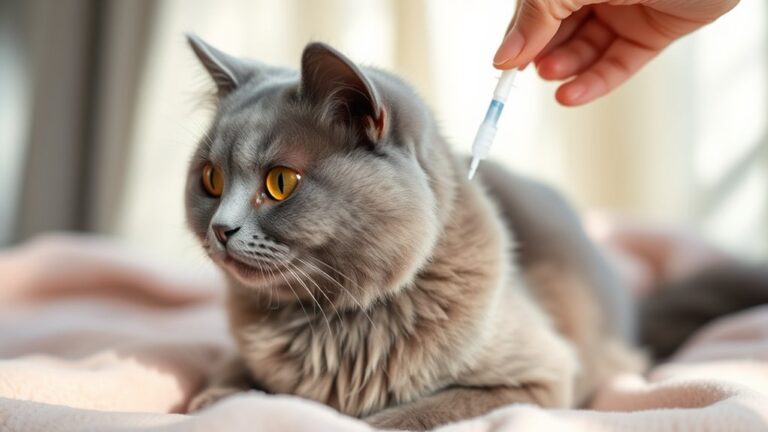
Hartz flea medications for cats are topical treatments or spot-ons designed to kill fleas and prevent infestations. These products are easy to apply directly to your cat’s skin, usually at the back of the neck.
Hartz flea treatments for cats are easy-to-apply spot-ons that kill fleas and prevent future infestations.
They work by spreading medication through the skin’s oils, targeting fleas at different life stages. These treatments not only kill existing fleas but also help prevent future infestations, offering long-term protection.
Hartz offers a variety of flea control options, including spot-ons, sprays, and collars. This makes it simple to find the right solution for your pet’s needs.
When used correctly, these medications can significantly reduce flea burdens and stop re-infestations. Just be sure to follow the instructions on the package for safety and effectiveness.
Are Hartz Flea Treatments Safe for Cats?
Thinking about using Hartz flea treatments on your cat? It’s really important to be aware of any potential side effects before you go ahead. Taking the time to understand how to use these products properly can make a big difference in keeping your furry friend safe and healthy.
Knowing what to watch out for helps you make an informed choice about whether Hartz products are right for your cat. After all, your pet’s well-being should always come first!
Potential Side Effects
While flea treatments can be effective, they do come with some risks. Pet owners should be aware of potential side effects.
Some cats might have mild reactions like itching, redness, or hair loss at the application site.
More serious allergic reactions are less common but can happen, including swelling, trouble breathing, or vomiting.
It’s important to watch your cat closely after giving any flea medication.
Knowing what to look for helps you respond quickly if something unusual occurs.
Allergic reactions can happen suddenly, so staying alert is key.
If you notice anything severe or out of the ordinary, contact your vet right away.
Being aware of these risks helps you make informed choices and keeps your cat safe.
Proper Usage Guidelines
Guaranteeing the safe use of Hartz flea treatments involves following specific application instructions and dosage guidelines.
Always read the label carefully before applying, making sure you understand the proper method for your cat’s weight and age. Use only the recommended dosage instructions—applying too much can increase the risk of adverse effects, while too little might not work.
Apply the treatment directly to your cat’s skin, avoiding the fur or face, and do so in a calm, controlled environment. Never use multiple flea products at once unless your veterinarian approves.
Regularly check your cat after treatment for any unusual reactions. Following proper application and dosage instructions is key to keeping your cat safe and ensuring the treatment is effective.
How Do Hartz Flea Medications Compare to Other Options?
Here are three main points to think about:
- Cost Effectiveness: Hartz products are usually cheaper upfront, but if results are inconsistent, you might need to buy extra treatments.
- Speed of Action: Some users find Hartz works slowly, while others experience rapid flea knockdown.
- Safety Profile: Compared to prescription meds, Hartz may have a less predictable safety record, especially for sensitive cats.
In the end, you’ll want to decide if the savings are worth the risk of less reliable control. Since effectiveness varies, reading reviews and talking to your vet can help you make a confident choice.
Signs Your Cat Might Be Reacting to Flea Medications
Some cats may experience side effects or adverse reactions after using flea medications like Hartz. Recognizing flea medication reactions is key to keeping your cat safe.
Common signs include excessive scratching, redness, or swelling at the application site. You might also notice drooling, vomiting, or diarrhea if your cat ingests the medication accidentally.
Watch for excessive scratching, redness, swelling, drooling, vomiting, or diarrhea after applying flea medication.
In some cases, cats become lethargic, show tremors, or have trouble breathing. Rarely, you might see seizures or serious allergic reactions like swelling around the face or neck.
Pay close attention to any unusual behavior or physical changes soon after applying the medication. If you notice any of these symptoms, contact your vet right away.
Taking quick action can help prevent more serious health problems. Always follow the dosing instructions carefully and watch your cat during the first 24-48 hours after treatment.
Recognizing these signs early can make a big difference in keeping your feline friend safe.
Factors That Influence Flea Medication Safety for Cats
Your cat’s age and weight are pretty important when it comes to how safe flea medication is. You want to make sure you’re giving your cat the right dose based on their size, so they don’t get any side effects. It’s also good to keep in mind that any health issues your cat has before treatment could change how they react to the medication.
Age and Weight Considerations
When it comes to using Hartz flea medicine on cats, age and weight are really important. They can directly affect how safe and effective the treatment is. Young kittens and senior cats need extra care.
Keep these points in mind:
- Kitten safety: Young kittens are more sensitive to chemicals, so always check age restrictions before applying.
- Weight matters: Make sure to choose a product that matches your cat’s weight to avoid overdose or underdose.
- Senior considerations: Older cats might have health issues, so precise dosing is even more important.
Always consult your vet for advice tailored to your cat’s age and weight. This way, you can be sure the flea control is both safe and effective.
Medication Dosage Accuracy
Accurate medication dosing is key to keeping your cat safe and making flea treatments like Hartz work effectively. Using the right measurement tools helps you get the correct amount every time.
Relying on guesswork can lead to underdosing, which might not work, or overdosing, which could harm your cat. Here’s a quick guide to help you measure accurately:
| Measurement Tool | Best Use |
|---|---|
| Syringe or Dropper | Precise liquid measurement |
| Digital Scale | Accurate weight for dosing |
| Measuring Cup | Larger quantities, less precise |
| Dose Calculator | Ensures the correct dose based on weight |
Always double-check your measurements and follow the product instructions to keep your cat safe.
Pre-existing Health Conditions
Here are some concerns to keep in mind:
- Underlying health issues may make side effects worse or reduce how well the medication works.
- Medication interactions can cause adverse reactions, especially if your cat is on other treatments.
- Vulnerable conditions like liver or kidney problems make your cat more sensitive to certain chemicals.
Always talk to your vet about your cat’s health history before giving flea medication. This helps ensure safety and avoid dangerous interactions.
How to Properly Use Hartz Flea Treatments to Keep Your Cat Safe
To guarantee your cat’s safety while using Hartz flea treatments, it’s important to follow the instructions carefully and apply the product correctly. Start by reading the label thoroughly and using the correct dosage based on your cat’s weight.
Applying the treatment in the right spot—usually at the back of the neck—helps prevent your cat from licking it off. Incorporate flea prevention strategies like maintaining a clean environment and regularly washing your cat’s bedding.
Combining these with consistent grooming techniques, such as brushing your cat’s fur, can also help catch fleas early. Never use more than the recommended dose, and avoid applying treatments to cats that are ill or very young unless advised by a vet.
Proper application not only keeps your cat safe but also maximizes the effectiveness of the flea control. Staying vigilant and following these steps guarantees your feline friend stays healthy and flea-free.
What Do Veterinarians Say About Using Hartz Flea Medications?
Veterinarians often have safety concerns when it comes to Hartz flea medications. They point out that there could be potential risks to your cat’s health with these products. Because of that, many vets will suggest looking into other flea treatments that are known to be safer and more reliable.
It’s really a good idea to chat with your vet before picking a flea control method for your feline. They can help you find the best option that keeps your kitty safe and healthy.
Veterinarians’ Safety Concerns
Many veterinarians have expressed concerns about the safety of Hartz flea medications for cats, citing reports of adverse reactions and toxicity. They issue strong veterinary warnings based on safety studies that reveal potential harm.
These concerns are rooted in cases where cats suffered severe side effects, including seizures and death. You should be aware that:
- The safety of Hartz products has been questioned by veterinary experts.
- Numerous safety studies highlight risks associated with these medications.
- Veterinarians often advise against using Hartz due to potential toxicity.
Alternative Flea Treatments
Given the safety concerns surrounding Hartz flea medications, most veterinarians recommend alternative treatments for flea control. You might consider natural remedies, which often involve herbal solutions known for their flea-repelling properties.
These options include essential oils like lavender or cedar, but always dilute them properly and consult your vet first. Herbal solutions such as neem oil or diatomaceous earth can also be effective and safer for your cat.
Many vets emphasize the importance of consistent grooming and vacuuming to remove fleas naturally. While these alternatives may take longer to work, they reduce the risk of adverse reactions associated with chemical treatments.
Always check with your veterinarian before switching to any herbal or natural remedy to verify it’s safe for your cat’s specific health needs.
Safer Alternatives to Hartz Flea Products for Cats
If you’re concerned about the safety of Hartz flea products for your cat, there are several gentler options to consider. You can look into natural remedies and holistic treatments that focus on your cat’s well-being without harsh chemicals.
- Herbal Flea Collars These use natural oils like citronella and lavender to repel fleas safely.
- Diatomaceous Earth is a food-grade powder that dehydrates fleas on contact, offering a chemical-free alternative.
- Regular Grooming & Bathing involves frequent baths with gentle, natural shampoos to help remove fleas and soothe your cat’s skin.
These options can give you peace of mind while protecting your feline friend from potential side effects. Remember, holistic treatments not only target fleas but also promote overall health, helping your cat feel comfortable and safe without exposing them to harmful chemicals.
What Should You Do If Your Cat Has a Negative Reaction?
What should you do if your cat shows signs of a negative reaction after flea treatment? First, recognize the symptoms, like vomiting, diarrhea, excessive scratching, difficulty breathing, or swelling.
If you notice any of these, act immediately. Remove your cat from the treatment area and don’t give any more medication unless your vet says it’s okay.
Contact your veterinarian right away to describe what’s happening and get professional advice. If your cat is having severe signs like trouble breathing, collapse, or seizures, seek emergency vet care immediately.
Keep a close eye on your cat’s behavior. Watch their breathing, alertness, and overall condition. Don’t try to treat serious symptoms yourself.
Quick, prompt action is crucial to keep your cat safe and prevent the situation from getting worse. Acting fast can really make a difference in managing a negative reaction effectively.
Key Tips for Safely Using Flea Medications on Your Cat
Using flea medications safely on your cat starts with carefully reading and following the instructions provided with the product. Always check the label for specific dosage and application guidelines and never use a product meant for dogs on your cat. To guarantee safety, keep your cat indoors during treatment and monitor them closely afterward.
Always read and follow product instructions carefully to ensure safe flea treatment for your cat.
Here are some key tips for flea prevention and natural remedies:
- Consult your vet before choosing any flea medication or natural remedies to make sure they’re safe and effective for your cat’s age and health.
- Apply medications properly—avoid overdose and ensure even coverage—since improper use can cause adverse reactions.
- Combine treatments with regular grooming and vacuuming your home to naturally reduce flea populations and prevent future infestations.
Frequently Asked Questions
Can Hartz Flea Medication Be Used on Kittens?
You shouldn’t use Hartz flea medication on kittens, as their safety isn’t assured, especially for those under 8 weeks old.
For effective flea prevention, talk to your veterinarian to find a product designed specifically for kittens’ age and weight.
Always choose gentle, vet-approved flea treatments to keep your tiny feline safe.
Using the right medication helps ensure your kitten stays healthy and flea-free without unnecessary risks.
How Often Should I Administer Hartz Flea Treatments?
You should follow the Hartz dosage guidelines carefully and stick to the recommended treatment frequency.
Typically, you administer Hartz flea treatments once every 30 days to ensure effective protection without risking overdose.
Always read the product label for specific instructions related to your cat’s age and weight.
If you’re unsure, it’s best to consult your veterinarian to determine the safest and most effective treatment schedule for your feline friend.
Are There Any Long-Term Health Effects of Hartz Flea Products?
Like a modern-day Cleopatra, you want the best for your cat, but long-term health effects of Hartz flea products are concerning. Some ingredients in Hartz products have been linked to potential long-term toxicity, affecting your cat’s kidneys or nervous system over time.
While occasional use may be safe, prolonged exposure could pose risks. Always consult your vet to evaluate the safety of Hartz product ingredients and investigate safer alternatives.
Is It Safe to Use Hartz Flea Medication With Other Treatments?
It’s usually best not to use Hartz flea medication with other treatments without talking to your vet first.
Mixing different treatments can cause side effects or make the medications less effective. If you’re thinking about trying other options or combining treatments, always check with a professional first.
Your vet can suggest safe choices that fit your cat’s health needs, helping you avoid drug interactions and keeping your pet safe. Never give your pet medications on your own or combine treatments without expert advice.
What Are the Symptoms of Overdose in Cats Using Hartz Flea Medicine?
Watch for warning signs if your cat has a flea medication risk overdose. Symptoms include excessive salivation, seizures, tremors, vomiting, and lethargy.
These overdose symptoms can be serious, so it’s crucial you act quickly. If you suspect an overdose, contact your veterinarian immediately.
Recognizing these signs early helps prevent severe health issues, keeping your feline friend safe from flea medication risks.
Conclusion
While Hartz flea medications might seem like a quick fix, think of them as a double-edged sword—powerful but potentially harmful if misused. Your cat’s health is like a delicate garden that needs gentle care, not harsh chemicals.
Always listen to your vet’s advice and explore safer alternatives. Like a seasoned gardener tending fragile blooms, you hold the key to your feline’s well-being.
Nurture with knowledge and watch your beloved cat flourish in health and happiness. When considering Hartz flea medicine for cats, it’s best to prioritize safety and proper guidance.