Safety Concerns of Pet Armor Plus for Cats
Caring for your cat means staying vigilant about their health and safety, especially when using products like Pet Armor Plus for Cats.
Many pet owners worry about potential risks and how to keep their furry friends safe from harm.
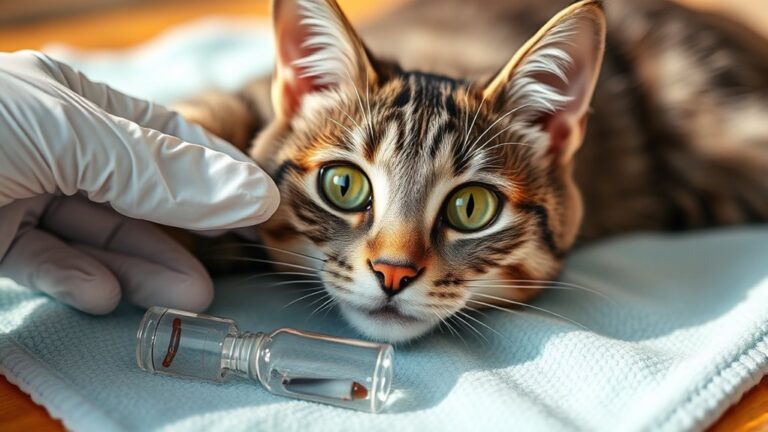
Pet Armor Plus for Cats can pose safety concerns if not used properly. You might see allergic reactions, such as skin irritation or itching, or serious side effects like drooling, tremors, or breathing problems if overdose occurs.
It’s crucial to follow application instructions carefully and consult your veterinarian, especially for sensitive or ill cats.
To keep your cat safe, understanding potential risks and proper application is key—continue to learn more about how to protect your pet effectively.
Key Takeaways
- Proper application and dosage are essential to prevent toxicity and adverse reactions in cats.
- Potential side effects include skin irritation, allergic reactions, and respiratory issues.
- Misuse or overdose can cause symptoms like tremors, drooling, or lethargy.
- Cats with health issues or those that are young may be at higher risk, so it’s best to check with your vet.
- Keep an eye out for side effects such as skin irritation or breathing difficulties after applying it.
What Is Pet Armor Plus for Cats and How Does It Work?
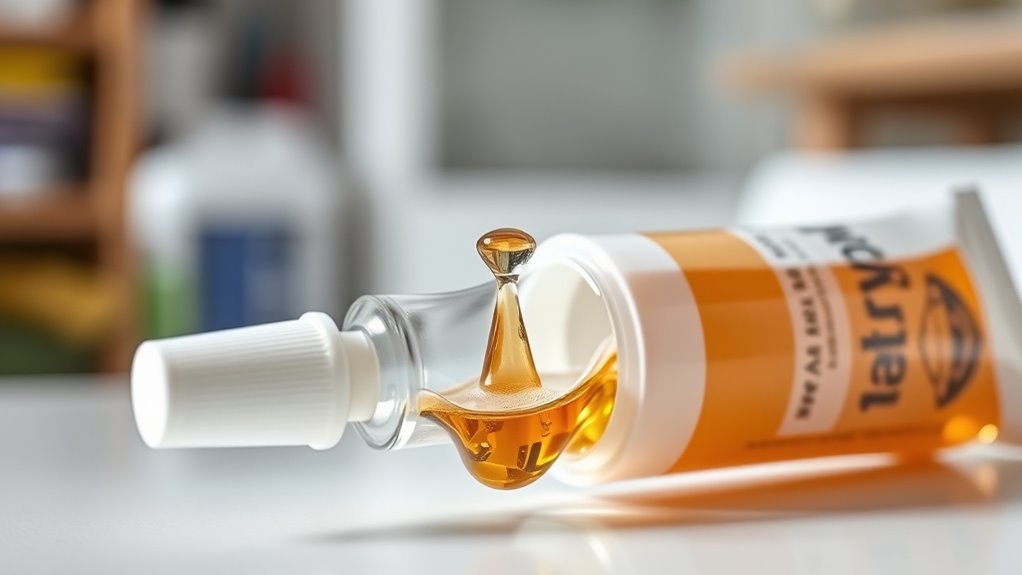
Pet Armor Plus for Cats is a popular topical medication designed to protect your feline from fleas, ticks, and other parasites. It offers a simple overview, making it easy to understand how it works.
When applied correctly, it forms a protective barrier on your cat’s skin that targets parasites directly. The effectiveness of Pet Armor Plus depends on its active ingredients, fipronil and (S)-methoprene.
These ingredients work together to kill fleas, ticks, and flea eggs. You just part your cat’s fur, apply the liquid at specific spots along the back, and make sure it’s absorbed into the skin.
This method provides quick action and long-lasting protection, usually up to a month. Regular use helps break the parasite life cycle, keeping your cat safe and comfortable.
Are There Safety Concerns With Pet Armor Plus for Cats?
Are there safety concerns associated with using Pet Armor Plus for cats? While it’s effective for flea prevention, some owners worry about potential risks to their cats.
Most cats tolerate it well, but overdose or incorrect application can cause problems. That’s why it’s so important to follow the dosage instructions carefully.
Here’s a quick comparison:
| Concern | Explanation |
|---|---|
| Allergic reactions | Some cats may develop skin irritation or itching. |
| Toxicity risks | Overdose can lead to drooling or tremors. |
| Proper application | Incorrect use might reduce effectiveness or cause harm. |
| Age and health considerations | Not all cats, especially young or sick ones, should use it without vet approval. |
How Can You Recognize Side Effects in Your Cat?
How can you tell if your cat is experiencing side effects from Pet Armor Plus? The key is to stay aware of symptoms and keep an eye on your cat’s behavior. Watch for unusual things like lethargy, vomiting, or diarrhea—they can be signs of a reaction.
Pay attention to your cat’s appetite and activity levels. Any sudden change might mean your cat isn’t feeling well. Also, check the application site for skin irritation, redness, or hair loss. Some cats may scratch or lick excessively, which could indicate irritation.
Keep an eye out for breathing problems or swelling around the face or neck. These signs can show up soon after treatment or hours later. By staying alert to what’s normal for your cat, you can spot any issues early.
Noticing these signs early allows you to seek veterinary care quickly. This helps keep your cat safe and healthy. Regularly monitoring your cat’s behavior is your best tool for catching side effects early and giving you peace of mind.
Who Should Avoid Using Pet Armor Plus on Their Cats?
Certain cats should not use Pet Armor Plus due to underlying health conditions or sensitivities. If your cat has a history of skin reactions, allergies, or sensitivities, this product might pose risks to their health.
Cats with existing health issues, like liver or kidney problems, may also be more vulnerable to adverse effects. It’s important to follow the product guidelines carefully, especially regarding dosage and application frequency.
If you notice any unusual behavior, skin irritation, or signs of distress after applying Pet Armor Plus, contact your veterinarian right away. Additionally, kittens or elderly cats may need special considerations, so always check if the product is suitable for their age and health status.
Your main goal should be keeping your cat healthy, which means understanding when a product might cause more harm than good. When you’re unsure, it’s best to seek professional advice before using Pet Armor Plus on your feline friend.
How to Properly and Safely Apply Pet Armor Plus
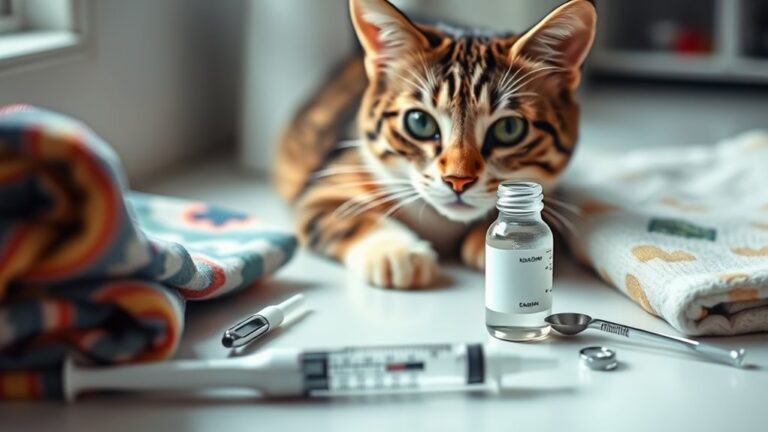
Applying Pet Armor Plus safely is all about taking the right steps and making sure your cat is comfortable. First, make sure you’re using the correct technique—this means following the instructions on the packaging carefully.
It’s also important to gently restrain your cat so they don’t get stressed or move around too much during application. Handle them softly and calmly, and keep an eye out for any unusual reactions once you’ve applied the medication.
Ensuring Proper Application Technique
Applying Pet Armor Plus correctly is essential to guarantee your cat’s safety and the medication’s effectiveness. To verify proper application techniques, carefully read the instructions and follow them precisely.
Use the correct dosage based on your cat’s weight; inaccurate dosing can reduce effectiveness or cause adverse reactions. Part the fur at the base of your cat’s neck to expose the skin, then apply the medication directly to this area.
Avoid applying it to the fur surface, as this can prevent absorption. Be sure not to touch the application site afterward to prevent removing the medication.
Consistently applying the right dosage with proper technique helps maximize safety and ensures your cat gets full protection. Always double-check the product label before application.
Handling and Restraining Cats
Proper handling and restraint are key to safely applying Pet Armor Plus to your cat. Understanding feline behavior and using effective restraining techniques help reduce stress and prevent injury. To guarantee safety, use appropriate safety equipment like a towel or gloves if needed.
Keep your cat calm by speaking softly and moving gently. When handling, support their body securely without squeezing too tightly. Use a calm voice to reassure your cat and wrap them in a towel for extra control.
Avoid sudden movements to minimize stress. Keep the application area visible and accessible. Be patient and gentle throughout the process.
These techniques help manage your cat’s behavior, making the process smoother for both of you and ensuring the medication is applied correctly and safely.
Observing for Adverse Reactions
Have you carefully observed your cat after applying Pet Armor Plus to catch any unusual signs? Monitoring your cat’s behavior is key to spotting potential adverse reactions early.
Watch for signs like excessive scratching, licking, vomiting, or lethargy. These behaviors might mean the medication is causing a reaction.
Keep a close eye on their activity levels and appetite over the next 24 to 48 hours. If you notice anything abnormal, remove the product immediately and contact your veterinarian.
It’s important to stay vigilant and make sure your cat responds well to the treatment. By consistently monitoring, you can quickly spot and address any issues.
This helps ensure your cat’s safety and well-being after application.
Does Pet Armor Plus Interact With Other Medications or Treatments?
Many pet owners wonder whether Pet Armor Plus for cats can be safely used alongside other medications or treatments. It’s important to consider potential drug interactions and whether treatments are compatible before combining them.
While Pet Armor Plus is generally safe when used as directed, some medications might interfere with its effectiveness or cause adverse reactions. Always check with your veterinarian if your cat is on other drugs or treatments.
A few key points to keep in mind: avoid combining with other topical flea and tick treatments unless your vet says it’s okay. Some medications could increase the risk of side effects.
Drug interactions might also reduce how well Pet Armor Plus or other treatments work. Combining treatments without veterinary guidance can lead to unexpected reactions.
To keep your cat safe, always follow your vet’s advice about treatment compatibility. Being cautious helps prevent problems and ensures your cat stays healthy.
What Are the Signs of Negative Reactions in Cats?
If your cat starts acting a bit differently than usual, it might be a sign that they’re having a negative reaction. Keep an eye out for things like skin irritation or redness—that could mean they’re sensitive to something.
And don’t forget to watch their breathing, too. If they seem to be having trouble breathing or are wheezing, those are serious warning signs that need to be checked out by a vet right away.
Unusual Behavior Changes
When cats have a negative reaction to Pet Armor Plus, they often show noticeable changes in behavior that can signal discomfort or distress. You might see your cat acting differently than usual, like hiding more or grooming excessively. These subtle signs can mean something’s off.
Watch for signs like hiding more than usual or avoiding interaction. Excessive grooming leading to hair loss or skin irritation is also common. You might notice your cat being more agitated or restless.
Other signs include a loss of appetite or feeling more lethargic than usual. Some cats may become suddenly aggressive or irritable. Because cats often hide their discomfort, paying close attention helps you catch problems early.
If you see these changes, it could indicate a negative reaction. Always consult your vet if your cat is hiding or grooming excessively after applying Pet Armor Plus.
Skin Irritation Signs
Cats showing behavioral changes after applying Pet Armor Plus might also develop visible skin irritation. Look for signs like redness, swelling, or rashes, especially around the application area.
You may notice your cat scratching, licking, or biting at their skin more than usual, which can indicate discomfort. To reduce the chance of reactions, do a skin sensitivity test first by applying a small amount of the product and watching for 24 hours.
Proper grooming can help you spot early signs of irritation and keep your cat’s skin clean. If you see any of these signs, stop using the product right away and talk to your veterinarian.
Quick action is key to preventing worse reactions or infections. Always follow the instructions carefully to keep your cat safe and comfortable.
Breathing Difficulties
Breathing difficulties can be a serious sign of a negative reaction to Pet Armor Plus. Recognizing these signs early is crucial for your cat’s safety.
If your cat shows any of the following during breathing assessments or respiratory monitoring, seek veterinary help immediately:
- Rapid or shallow breathing
- Wheezing or noisy breathing
- Open-mouth breathing
- Flaring nostrils
- Persistent coughing or gagging
These signs mean your cat may be experiencing respiratory distress. Keep a close eye on their breathing pattern, especially after applying medication.
Prompt intervention can prevent severe complications. Regular respiratory monitoring helps you catch early warning signs and act quickly if reactions occur.
Always consult your vet if you notice any breathing issues after using Pet Armor Plus.
Tips for Minimizing Risks When Using Pet Armor Plus
To minimize risks when using Pet Armor Plus for your cat, it’s important to follow the application instructions carefully and precisely. Proper application ensures effective flea control and helps reduce potential side effects.
Always measure the correct dosage based on your cat’s weight and avoid applying the product to areas your cat can lick or ingest. Preventive measures, like keeping your cat indoors during and after treatment, can help prevent accidental ingestion.
Regularly check your cat for signs of adverse reactions, such as scratching or skin irritation. If anything unusual happens, consult your veterinarian promptly.
Avoid using Pet Armor Plus on kittens or cats with health issues unless approved by your vet. Store the medication out of reach of children and other pets.
What Are Safe Alternatives to Pet Armor Plus for Flea and Tick Prevention?
If you’re searching for safer ways to protect your cat from fleas and ticks, you might want to explore natural prevention methods or options your vet recommends. There are plenty of gentle, plant-based treatments that can help keep those pests at bay without putting your kitty at risk.
You can also try some environmental control strategies, like regularly cleaning your home and yard. Keeping your living space tidy and maintaining your yard can make a big difference in reducing the number of pests that bother your cat. These simple steps can help you keep your furry friend safe and pest-free without relying solely on chemical treatments.
Natural Preventive Measures
While many pet owners turn to chemical treatments like Pet Armor Plus, natural preventive measures can be a safer alternative for flea and tick prevention. You can explore natural repellents and home remedies that keep pests away without harsh chemicals.
Herbal solutions such as neem oil or cedarwood are effective when used correctly. Essential oils like lavender or citronella, when diluted properly, may also help keep fleas and ticks at bay.
These options are generally safer for your cat’s health and the environment. Incorporate them into your routine to create a natural barrier against pests.
Veterinarian-Recommended Options
Are there safe, veterinarian-approved alternatives to Pet Armor Plus for flea and tick prevention? Yes. Veterinarians often recommend natural remedies and holistic treatments that minimize chemical exposure.
These options include topically applied herbal oils like cedarwood or neem, which can repel pests naturally. Regular grooming and bathing with gentle, veterinarian-approved shampoos help physically remove fleas and ticks.
Some vets suggest dietary supplements that boost your cat’s immune system, making them less attractive to parasites. Always check with your vet before trying these alternatives, as effectiveness varies and some remedies may not be suitable for all cats.
Using veterinarian-endorsed holistic treatments offers a safer, more natural way to prevent fleas and ticks, reducing your cat’s risk of adverse reactions linked to chemical-based products like Pet Armor Plus.
Environmental Control Strategies
Implementing environmental control strategies can greatly reduce your cat’s exposure to fleas and ticks without relying on chemical treatments like Pet Armor Plus. By creating a clean, safe environment, you minimize pests’ habitats and promote your cat’s well-being.
Focus on environmental enrichment to keep your cat engaged indoors, which reduces outdoor exposure to fleas and ticks. Regularly vacuum and wash bedding to eliminate pests and eggs.
Maintain your yard by trimming grass, removing debris, and preventing rodent access. Use natural deterrents like citrus peels or rosemary around your home.
Prioritize stress reduction through play and comfort, as less stressed cats are less likely to develop health issues that attract pests. These strategies support a safer, healthier environment for your feline friend.
Consulting Your Veterinarian: When to Ask About Safety and Usage
Knowing when to consult your veterinarian about Pet Armor Plus for cats is key to keeping your pet safe.
Always ask your vet before starting any new treatment or if you notice unusual behavior, irritation, or allergic reactions after applying the product.
If your cat has existing health issues, is pregnant, or is very young or old, it’s especially important to get professional advice.
Your veterinarian can help determine if Pet Armor Plus is suitable and guide you on how to use it correctly to reduce risks.
Consult your veterinarian to ensure Pet Armor Plus is suitable and to receive proper guidance on safe usage.
Also, check with your vet if you’re unsure about the right dosage or how often to apply it.
Regular vet visits ensure the product is safe and effective for your cat.
Remember, over-the-counter products aren’t one-size-fits-all.
Getting personalized veterinary guidance helps you make the safest choice for your furry friend.
When in doubt, always seek professional advice to protect your cat’s health and happiness.
Frequently Asked Questions
Can Pet Armor Plus Cause Allergic Reactions in Cats?
Pet Armor Plus can cause allergic reactions in some cats, leading to symptoms like itching, redness, swelling, or hair loss.
If you notice these allergic signs, stop using the product right away.
It’s a good idea to talk to your veterinarian about treatment options, which might include antihistamines or topical creams.
Always keep a close eye on your cat after applying any medication to catch any reactions early.
Is Pet Armor Plus Safe for Kittens or Senior Cats?
Pet Armor Plus is generally safe for kittens and senior cats if used correctly, but you should consider their unique needs. Kitten sensitivity means they might react more to certain ingredients, so always check the label.
For senior health, it’s a good idea to talk to your vet before applying, especially if your cat has existing health issues. Proper dosage and monitoring help ensure safety for both kittens and older cats, giving you peace of mind.
How Often Should Pet Armor Plus Be Reapplied Safely?
You should reapply Pet Armor Plus for cats every 30 days to keep it working effectively and ensure your pet stays protected.
Sticking to this schedule helps prevent ticks and fleas from developing resistance, so your cat stays safe.
Always keep an eye on your cat for any unusual reactions and check with your veterinarian if you’re unsure.
But following the recommended reapplication timing is the best way to maintain safe, effective protection.
Are There Specific Breeds More at Risk With Pet Armor Plus?
Like a delicate dance, some breeds sway more easily to risk factors, making breed sensitivity a key concern. Certain breeds, with their unique physiology, might be more prone to adverse reactions with Pet Armor Plus.
You should watch for signs of sensitivity, especially in breeds known for heightened risk factors. Always consult your vet, as individual differences can influence how your cat responds, ensuring safe and effective protection.
What Should I Do if My Cat Ingests Pet Armor Plus?
If your cat ingests Pet Armor Plus, keep an eye out for symptoms like drooling, vomiting, diarrhea, or lethargy.
If you notice any of these signs, call an emergency vet right away. Quick action is really important to keep your cat safe.
Don’t wait—reach out to your vet immediately for advice, and take your cat in if needed for urgent treatment.
Conclusion
In the world of flea and tick prevention, Pet Armor Plus is a helpful tool, but like any medicine, it’s not without risks. Think of it as a double-edged sword—you want to protect your feline friend without causing harm.
Always stay vigilant for side effects, follow instructions carefully, and consult your vet if in doubt. Being cautious helps ensure your cat stays safe and healthy.
By doing so, you’ll keep your cat safe and sound, turning your home into a fortress rather than a battlefield. Pet Armor Plus can be effective, but understanding its safety concerns is key to protecting your feline friend.